
Introduction
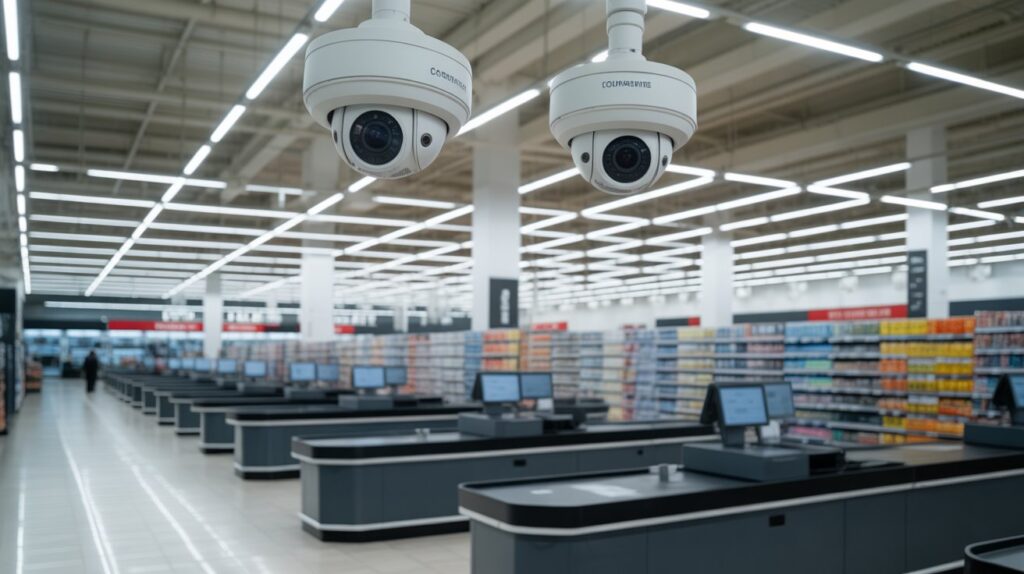
Have you ever wondered how do store security cameras work while you shop, quietly observing every aisle and checkout counter? Imagine walking into your favorite store, feeling safe, knowing that every corner is being monitored—not to invade your privacy, but to protect you and the people around you. Security cameras are more than just tools for catching shoplifters; they are silent guardians that ensure safety, build trust, and help stores run smoothly.
In this article, we’ll break down exactly how store security cameras work, step by step, showing their real impact on modern retail, employee safety, and customer peace of mind. By the end, you’ll understand why these systems are essential—not just for loss prevention, but for creating a secure and trustworthy shopping environment.
Table of Contents
Why Stores Rely on Security Cameras Today (The Big Picture)
The moment a customer walks into a store, three things matter most: safety, trust, and control. Theft is a real concern, but it’s not the only one. Shoplifting, employee disputes, false claims, and even customer safety incidents can happen in seconds. This is why many people ask, how do store security cameras work and why they’ve become a basic part of modern retail rather than a luxury.
At a practical level, security cameras give store owners clear visibility into what’s happening on the floor, near entrances, and around checkout areas. When owners understand how store security cameras work, they can prevent losses, resolve issues with facts instead of guesses, and protect both staff and customers. Even the presence of cameras alone often discourages bad behavior, creating a calmer and more secure shopping environment.
From an EEAT perspective, real-world retail experience shows that stores relying on surveillance make faster, smarter decisions. Cameras support loss prevention, improve accountability, and help businesses respond quickly when something goes wrong. In today’s competitive retail world, security cameras are not about spying — they are about protecting people, products, and trust, all at the same time.
What Are Store Security Cameras and What Do They Capture?
- Store security cameras are fixed or smart video systems designed to monitor activity inside and around retail stores, helping owners clearly see what happens in real time and after an incident. When people ask how do store security cameras work, the simple answer is that these cameras act as the store’s eyes, quietly watching entrances, aisles, checkout counters, and storage areas to reduce risk and improve safety.
- These cameras primarily record video footage, movement, and time-stamped activity, which allows store owners to review exactly what happened and when it happened. Modern retail security cameras can detect motion, capture continuous or event-based recordings, and log precise dates and times, making footage reliable for theft prevention, customer disputes, and internal investigations.
- Video quality and coverage depend on camera type and placement, but most store cameras are designed to clearly capture faces, product movement, and customer flow. This real-world visibility helps businesses understand shopping behavior while also protecting employees and customers from false claims or unsafe situations.
- Visible security cameras are intentionally placed where customers can see them, often near entrances or high-risk areas, because their presence alone discourages shoplifting and suspicious behavior. Many retail owners rely on visible cameras as a psychological deterrent, creating a sense of accountability and trust inside the store.
- Hidden or discreet cameras are used for targeted monitoring, especially in areas where theft or policy violations have occurred before. These cameras are not meant to invade privacy but to support loss prevention when visible cameras are not enough, reinforcing the practical way store security cameras work in real retail environments.
- Together, visible and hidden cameras form a balanced security system, allowing stores to monitor activity honestly, protect merchandise, and maintain a safe shopping experience without disrupting customers. This combination reflects how modern retail security focuses on protection, accuracy, and trust rather than constant supervision.
How Security Cameras Work in Stores Step by Step
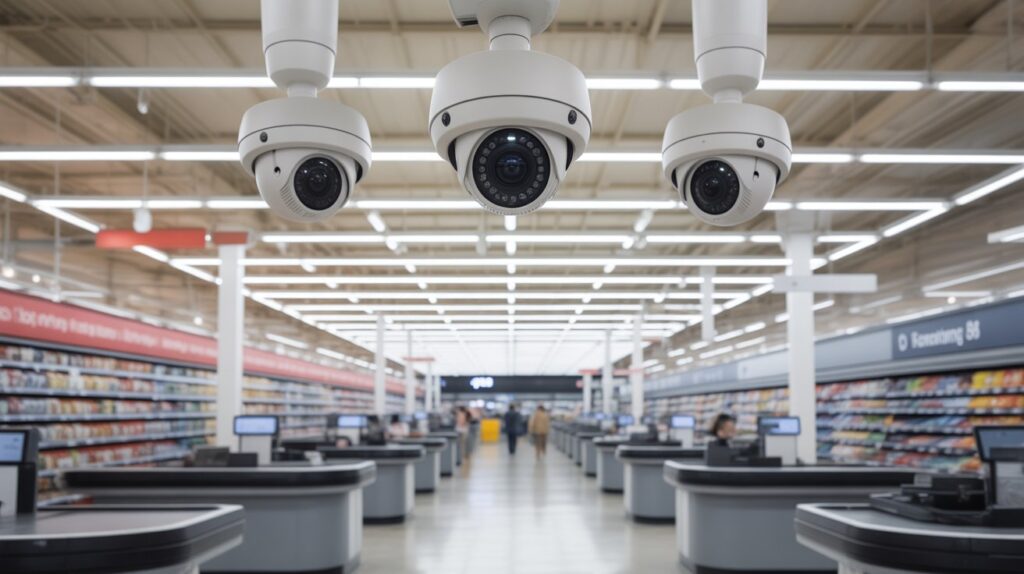
At a basic level, understanding how do store security cameras work is easier than most people think. Cameras are placed in key areas like entrances, aisles, and checkout counters to continuously watch activity. As soon as movement happens, the camera captures it, ensuring nothing important is missed. This steady process helps store owners stay aware of what’s happening without needing to be physically present all the time.
Motion Detection and Continuous Recording
Most modern store security cameras use motion detection, which means they start recording when movement is sensed. For example, when someone walks into an aisle or approaches the counter, the camera automatically captures that moment. Some stores also use continuous recording, especially in high-risk areas, so every second is saved. This combination ensures reliable footage during busy hours and quiet periods alike.
Video Processing and Compression
Once the video is recorded, the system processes and compresses the footage so it doesn’t take up too much storage space. This allows stores to keep days or even weeks of recordings without losing quality. From a real-world retail perspective, this step is crucial because it makes footage easy to store, review, and share when needed. Together, these steps show how store security cameras work smoothly in the background to protect both businesses and customers.
Where Store Security Camera Footage Is Stored
Most people trying to understand how do store security cameras work are surprised to learn that where footage is stored matters just as much as how it’s recorded. Storage affects how long videos are kept, how fast they can be accessed, and how reliable they are during an incident. For store owners, choosing the right storage option is a practical business decision, not just a technical one.
- Local storage is commonly handled through DVR or NVR systems connected to hard drives, which keep video footage on-site inside the store. This setup allows owners to access recordings quickly without relying on the internet, making it a trusted option for many small and medium retail stores.
- Cloud-based storage saves camera footage securely online, meaning videos can be viewed remotely from a phone or computer at any time. This is especially useful for multi-location stores or owners who want constant access, even if something happens to the physical system in the store.
The choice between local and cloud storage directly impacts security, cost, and convenience. Local storage offers control and one-time setup costs, while cloud storage provides flexibility and off-site protection. In real retail environments, understanding these options helps businesses choose a system that fits their daily needs and long-term security goals.
Do Store Security Cameras Work in Real Time?
Many shoppers and store owners wonder how do store security cameras work when it comes to real-time monitoring. The answer depends on how the system is set up. Some cameras allow live viewing, while others focus mainly on recording footage for later review. Both options play an important role in keeping stores safe and operations running smoothly.
Live Monitoring vs Recorded Footage
- Live monitoring lets store owners or security teams watch activity as it happens, which is useful during busy hours or in high-risk areas like entrances and checkout counters. This helps staff respond quickly if a problem starts to unfold.
- Recorded footage is designed for review after an incident, such as theft, accidents, or customer disputes. This allows stores to rely on clear evidence instead of memory or assumptions, making decisions more accurate and fair.
Role of Security Staff and Remote Access
- Security staff may monitor cameras on-site or remotely, depending on the size of the store and its security needs. Larger retailers often have dedicated teams, while smaller stores check footage only when needed.
- Remote access allows owners to view cameras from a phone or computer, offering peace of mind when they are away from the store. This flexibility is a key reason modern retail systems are trusted by business owners.
From an EEAT and trust perspective, it’s important to know that store security cameras do not see everything. They are placed only in public areas, not private spaces, and they do not read personal information or conversations. This balanced use of technology explains how store security cameras work to protect businesses while respecting customer privacy.
How Store Owners Use Camera Footage Beyond Theft Prevention
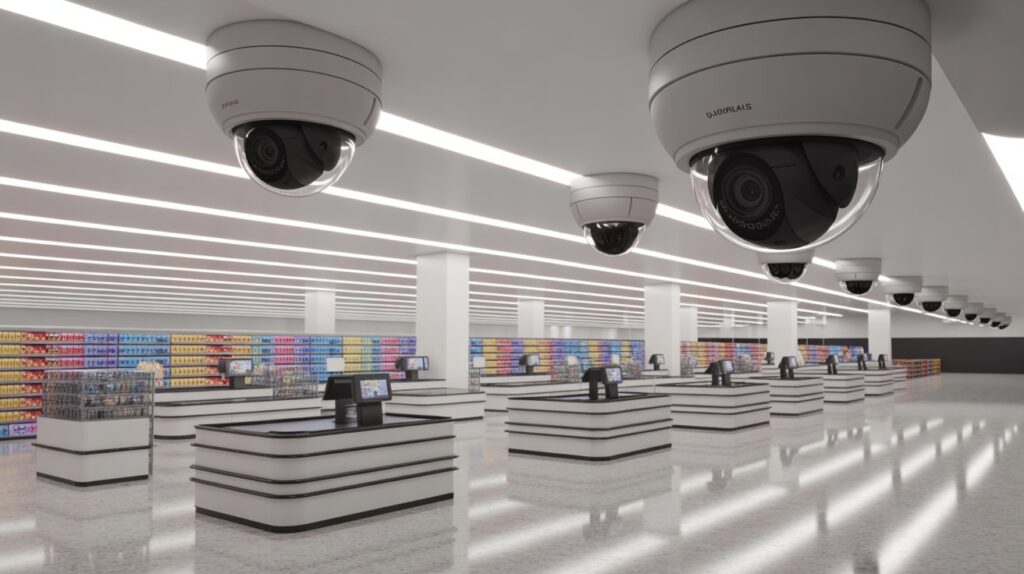
When people ask how do store security cameras work, they often think only about stopping shoplifting. In reality, camera footage plays a much bigger role in daily store operations. Retail owners rely on recorded video to create a safer, fairer, and more organized environment for everyone inside the store.
- Employee safety and accountability are major reasons cameras matter. Footage helps protect staff from false accusations, supports proper workplace behavior, and provides clarity if an incident occurs during a shift.
- Customer dispute resolution becomes faster and more accurate with video evidence. Whether it’s a return issue, a slip-and-fall claim, or a disagreement at checkout, recorded footage allows store owners to review facts instead of relying on opinions or memory.
- Store layout and loss-prevention insights come from watching real customer movement, not guesswork. By reviewing how shoppers move through aisles, where congestion happens, or where items go missing, owners can improve layout, product placement, and overall store flow.
From an EEAT perspective, this practical use of footage shows that store security cameras work as business tools, not just surveillance devices. They help owners make informed decisions, improve customer experience, and maintain trust across their retail operations.
Privacy, Legal Limits, and Customer Trust
Understanding how do store security cameras work isn’t complete without knowing the legal and privacy boundaries. Stores must balance security with respect for customer privacy, ensuring that surveillance builds trust rather than concern.
- What stores are legally allowed to record: Retailers can generally record video in public areas such as entrances, aisles, and checkout counters. Cameras are not permitted in private spaces like restrooms or changing rooms. Following these rules ensures compliance with local laws and fosters customer confidence.
- Audio recording clarification: Most stores avoid audio surveillance due to strict legal restrictions. While video captures movement and behavior, recording conversations without consent is often illegal and unnecessary for standard security purposes.
- Privacy expectations for customers: Shoppers can expect that cameras monitor only public areas for safety and theft prevention. Stores maintain transparency by placing cameras visibly and clearly, reinforcing a sense of security rather than intrusion.
From an EEAT perspective, adherence to legal limits and clear communication about surveillance demonstrates responsible store management. When customers feel safe and respected, security cameras fulfill their role fully—protecting both people and property while building trust in the store’s integrity.
Conclusion
Security cameras in stores do much more than simply catch thieves—they protect people, ensure fairness, and maintain trust in everyday retail life. From monitoring customer flow and employee safety to resolving disputes and guiding smart store management, these systems quietly keep the store running smoothly while safeguarding everyone inside.Now take a moment to think—how does this insight about store security cameras change the way you view safety and trust in the spaces you visit every day? Remember, protection is not just about watching; it’s about creating an environment where everyone feels secure and respected.
“For personal safety, gadgets like the Sabre Personal Alarm with LED Light and Lipstick Stun Guns are essential tools every woman should consider.”
FAQs
Q1: How do security cameras in stores work?
Store security cameras work by capturing video of public areas, using motion detection or continuous recording to monitor activity, prevent theft, and ensure safety.
Q2: Do security cameras record all the time?
Some cameras record continuously, while others only record when motion is detected, depending on the store’s system setup and security needs.
Q3: Is someone always watching security cameras in stores?
Not always. Many stores rely on recorded footage for review, though live monitoring is used in high-risk areas or during busy hours.
Q4: Will security cameras work without internet?
Yes. Local storage cameras like DVR/NVR systems can record footage without internet, but remote access and cloud features require a connection.
Q5: Do cameras record when offline?
Offline cameras with local storage continue recording to hard drives or memory devices; cloud-only systems, however, need an internet connection to save footage.
Q6: How far will a wireless security camera work?
Wireless cameras typically work within 100–300 feet of their receiver, depending on obstacles, interference, and signal strength.


