Introduction
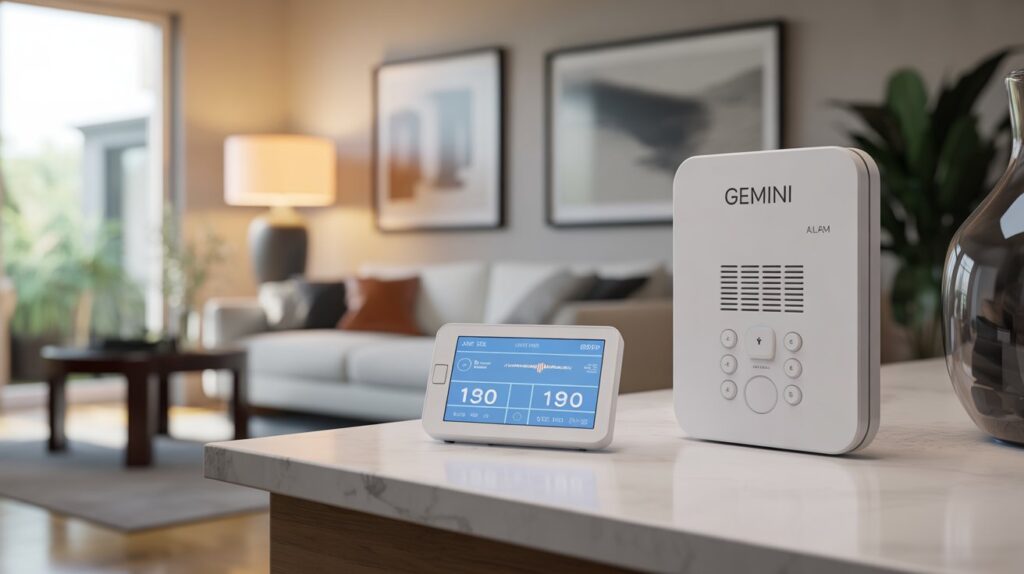
Leaving a home or small business unprotected, even for a few hours, is enough to make anyone uneasy. This Gemini home alarm system manual walks through exactly what you need to understand, set up, and use the system with confidence — whether it’s your first alarm system or an upgrade from an older one.
Getting familiar with the manual isn’t just about avoiding setup mistakes — it’s what keeps the system working the way it’s supposed to when it actually matters. A properly understood system runs reliably day to day and doesn’t leave gaps that defeat the purpose of having it installed.
Table of Contents
Understanding the Gemini Home Alarm System
At its core, a Gemini home alarm system connects a central control panel to a network of sensors and alarms, designed to flag unwanted entry into homes and small businesses. When a sensor picks up activity — a door opening, a window breaking, motion where there shouldn’t be any — the panel triggers an alert, similar to how entry sensors and motion detectors work across most modern home security systems. It’s built around straightforward, everyday protection rather than complex commercial-grade features.
This simplicity is exactly why homeowners and small business owners tend to gravitate toward it. Whether it’s securing a house overnight or locking down a workspace after closing hours, the system is designed to handle real, everyday situations without requiring a technical background to operate.
That said, the manual itself is what turns the hardware into reliable protection. It’s what walks you through correct setup, shows you how to use daily features without second-guessing yourself, and helps you avoid the small errors — a wrongly placed sensor, a skipped programming step — that quietly weaken a system’s coverage over time. Getting this right from day one is what separates a system that works when it matters from one that just sits there.
What Comes Inside the Gemini Home Alarm System Manual
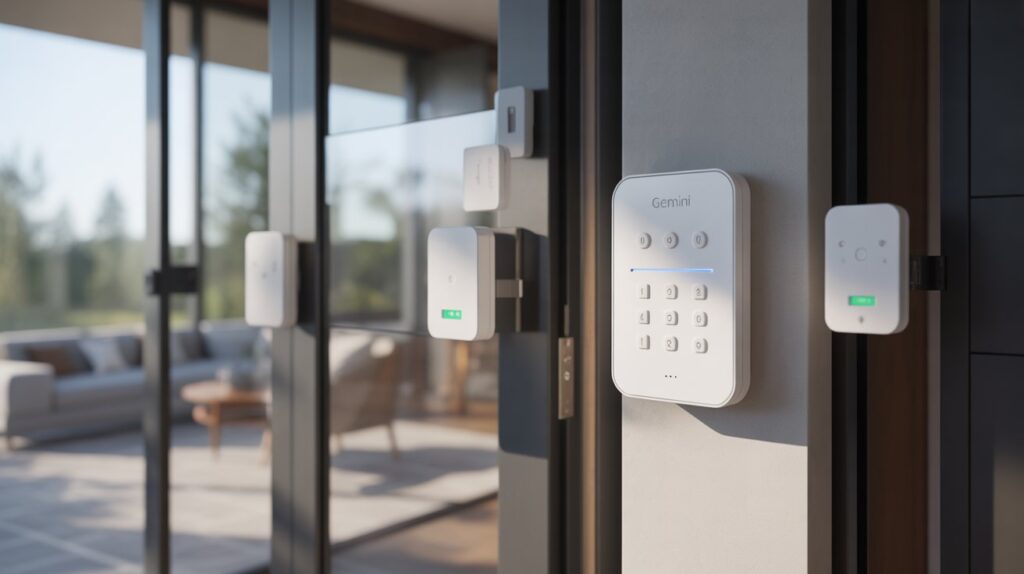
- Clear explanation of the Gemini home alarm system layout, including the control panel, keypad, sensors, and alarm signals
- Step-by-step installation guidance written in simple language for homes and small businesses
- Easy-to-follow programming instructions to set codes, zones, and basic security preferences
- Safety instructions that help prevent false alarms and protect the system from damage
- Common symbols, lights, and alert tones explained so users understand what the system is telling them
- Important terms defined in plain words, helping first-time users feel confident instead of confused
These points in the Gemini home alarm system manual are designed to make security feel manageable, not stressful, so your system works reliably when it matters most.
How to Set Up a Gemini Home Alarm System (Step-by-Step)
Setting up a Gemini home alarm system starts with preparing the control panel and power source. This step is important because a stable connection ensures the system runs without errors. Most users place the panel in a secure, central location where it’s easy to access but not visible to outsiders — a placement principle covered in more detail in our guide on security systems for renters and DIY setups. Following the Gemini home alarm system manual at this stage helps avoid common setup mistakes that can cause alerts or system failures later.
Next comes connecting the sensors and keypad. Door and window sensors should be placed where entry is most likely, while the keypad needs to be easily reachable for daily use. When installed correctly, these parts work together smoothly, giving you confidence that your home or business is protected even when you’re not around.
Basic programming is the final step and is simpler than it sounds. The manual walks you through setting access codes and defining security zones so the system responds the way you expect.
- Power on the control panel and confirm system readiness
- Pair sensors and test each connection
- Set user codes and basic alarm settings
Once these steps are complete, the Gemini home alarm system is set up to provide reliable protection right from day one.
How to Use Your Gemini Home Alarm System Daily
Using the Gemini home alarm system each day is simple once you understand its basic functions. The system is designed to fit into your routine, whether you’re leaving for work, coming home late, or securing your space for the night — a habit that aligns with everyday home security guidance from local police departments, which consistently recommend monitoring alarm notifications closely whenever you’re away. Following the Gemini home alarm system manual helps ensure smooth operation and reduces unnecessary alerts.
- Arm the system when leaving or before sleeping to activate all security zones
- Disarm using your access code to prevent accidental alarms
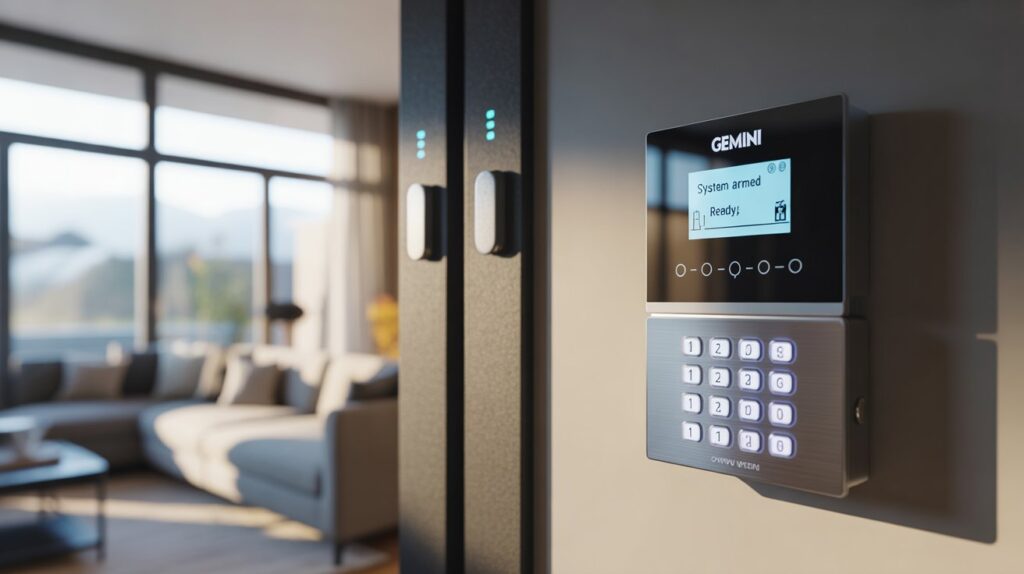
- Pay attention to alert sounds and indicator lights, as they signal system status or issues
- Test the system occasionally to confirm sensors and alarms are working properly
- Keep entry points clear so sensors can detect movement accurately
With these daily habits, the Gemini home alarm system stays reliable, running quietly in the background without needing much thought from you.
Common Gemini Home Alarm System Problems and Easy Fixes
Even a reliable Gemini home alarm system runs into minor hiccups occasionally — a beeping panel, a false alert in the middle of the night, or a sensor that stops responding, issues that often trace back to the same motion sensor and entry sensor components covered elsewhere on the site. Most of the time, the cause is something simple: a low battery, a loose connection, or a brief power interruption rather than an actual system fault.
The fix is usually just as simple. Resetting the affected device, re-pairing a sensor that’s gone offline, or swapping in fresh batteries clears up the majority of these issues without any outside help. The one thing worth knowing is where the line sits — small glitches like these are fine to handle yourself, but anything involving the control panel’s core wiring or persistent faults after a reset is worth calling in professional support for, rather than risking a misconfigured system.
Safety Tips and Best Practices from the Gemini Alarm Manual
Keeping your Gemini home alarm system effective and reliable requires simple daily habits and maintenance. Following these expert-recommended tips helps prevent accidental alarms, ensures long-term performance, and protects your home or business with confidence:
- Avoid triggering false alarms by checking doors and windows are fully closed before arming the system
- Regularly test sensors and keypads to ensure they respond correctly
- Replace batteries on schedule and keep the control panel clean and dust-free
- Follow the manual’s guidelines for programming codes and security zones
- Have a licensed alarm technician periodically check your panel’s programming and communicator settings, since Gemini panels don’t receive firmware updates the way WiFi-based smart alarms do
By practicing these simple steps from the Gemini home alarm system manual, you keep a dependable system that just works, day after day.
Finding the Right Gemini Home Alarm System Manual Online
Finding the correct Gemini home alarm system manual is crucial for proper setup and safe use. Using the wrong manual can lead to mistakes, false alarms, or even system damage. This lines up with the FTC’s broader guidance on verifying authenticity and trusted sources before relying on unofficial documentation. Here’s how to locate the right guide quickly and safely:
Identify Your Gemini Model
- Check the model number on the control panel or original packaging
- Note any version or series details listed on the device
Trusted Sources for Manuals
- Official Gemini website or authorized dealer portals
- Reputable security forums or product support pages
- Verified PDF downloads provided by Gemini or certified partners
Why the Right Manual Matters
- Ensures correct installation and programming
- Prevents accidental alarms or malfunctions
- Protects your home and devices from misuse
Using the exact Gemini home alarm system manual guarantees smooth operation and reliable security, without the guesswork of following the wrong instructions.
Gemini Alarm System Models: Why It Matters
Gemini isn’t a single device — it’s a product line with several different panel models, including the GEM-P816, GEM-P1632, GEM-P1664, GEM-P3200, and GEM-P9600. Each model has its own default codes, keypad layout, and programming steps, so instructions that work for one panel may not apply to another.
Before following any setup or reset steps, check your model number on the control panel or PC board inside the enclosure. This one detail determines which default code applies to your system and how your keypad’s functions are labeled.
Conclusion
The Gemini home alarm system manual isn’t just paperwork that comes in the box — it’s what turns a set of sensors and a control panel into a security system you can actually rely on. From setup through daily use to troubleshooting, following it properly is what keeps the system doing its job without unexpected gaps.
A system you understand end-to-end behaves differently than one you’ve just switched on and hoped for the best with — it catches what it’s supposed to, and it doesn’t nag you with false alerts along the way, the same principle behind what actually keeps a home secure beyond just having hardware installed. That difference is worth the half hour it takes to actually read through the manual.
FAQs
Q1: What are the different Gemini alarm panel models?
Gemini systems include several panel models such as the P816, P1632, P1664, P3200, and P9600, each with slightly different setup and programming steps.
Q2: How do I arm a Gemini alarm system?
Enter your user code on the keypad, then press the ON/OFF key to activate the selected security zones.
Q3: What does the trouble light mean on a Gemini keypad?
A lit trouble indicator usually signals a power, battery, or sensor issue that needs checking before arming the system.
Q4: Can I change my Gemini alarm user code myself?
Yes, using the master or installer code you can access the programming menu and update user codes without professional help.
Q5: What should I do if my Gemini alarm keeps beeping?
Continuous beeping often points to a low battery, open zone, or communication fault, so check the keypad display for the specific alert.
Q6: Is professional monitoring required for a Gemini alarm system?
No, Gemini panels can run as a local alarm only, though many households pair them with a monitoring service for emergency dispatch.
About the Author
M Bilal holds a BS in Criminology, with a focus on crime prevention theory, physical security, and surveillance systems. He founded CrimTechHub to help homeowners understand security equipment in plain language, backed by manufacturer documentation rather than guesswork.
Every guide on this site is cross-checked against official manuals, technical FAQs, and manufacturer support pages before publishing, so readers get instructions that match their actual device model — not generic, one-size-fits-all steps.
Have a correction or a Gemini panel model not covered here? Reach out through the Contact page.