Introduction
Ring wireless home security has become one of the most recognized names in smart home protection, combining video doorbells, motion-activated cameras, and real-time alerts into a single connected system. Instead of wondering whether your home is secure while you’re away, Ring lets you check in instantly and respond the moment something unusual happens.
From the front porch to the backyard, Ring keeps every entry point connected through your smartphone. It’s less about the gadgets themselves and more about staying aware — knowing your home and family are covered without constant second-guessing.
Table of Contents
Why Home Security Matters More Than Ever
Break-ins and property crimes don’t always happen while you’re away — sometimes it’s a front door left slightly ajar or an unfamiliar figure lingering near the driveway. Protecting your home has shifted from a precaution to a baseline expectation, and that’s exactly the gap Ring wireless home security fills.
Ring combines smart technology with straightforward setup, giving you real-time monitoring and instant alerts wherever you are. Whether it’s a video doorbell, motion-activated cameras, or full home monitoring, the system keeps you connected to what’s actually happening at your property — not just a notification log you check later.
For a broader look at how different setups compare, our guide to home security systems breaks down the options beyond Ring alone. With the right combination in place, you get real-time awareness, faster response to unusual activity, and a system that’s actually built around how you use your home.
What Is Ring Wireless Home Security?
Ring wireless home security is a Wi-Fi based system that links cameras, doorbells, sensors, and smart devices without the need for extensive wiring or professional installation. That makes it flexible enough to work in apartments and standalone homes alike, with setup you can handle yourself in most cases.
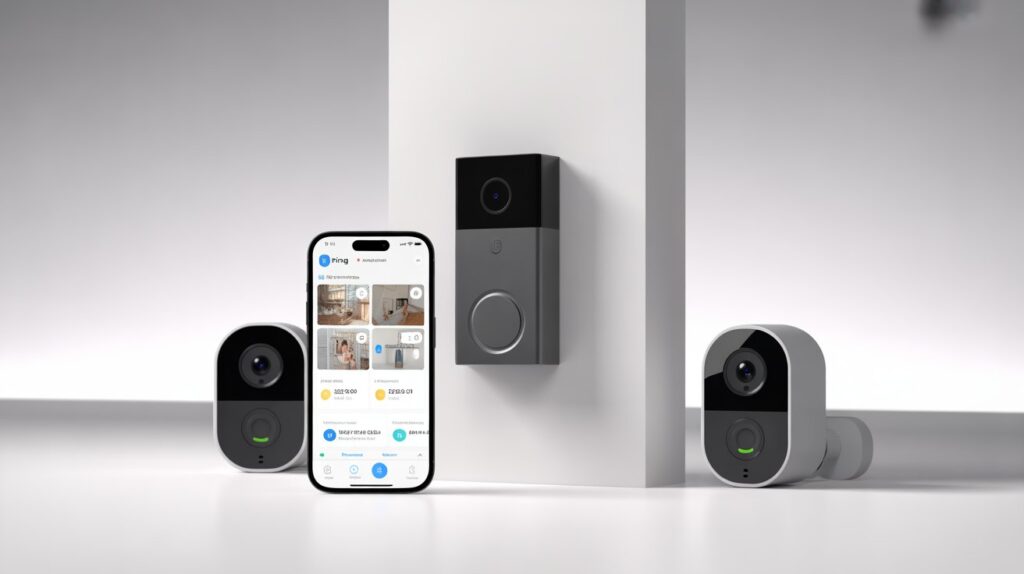
Ring is one of the more established names in the smart home security space, offering an ecosystem of devices — smart doorbells, wireless cameras, motion sensors, and monitoring tools — built to work together through a single app.
Key features of Ring wireless home security include:
- Smart Doorbell — See, hear, and speak to visitors from your smartphone
- Wireless Security Camera — Monitor indoor and outdoor areas in HD with motion detection
- Home Monitoring — Get instant alerts and real-time notifications wherever you are
- Easy Integration — Works with Alexa and other smart home devices for unified control
Together, these features make Ring a practical, connected approach to home protection — less about individual gadgets and more about having one system that covers your whole property.
Key Features of Ring Wireless Security Systems
Ring wireless home security pairs solid hardware with an app experience that’s genuinely easy to use. Here’s what stands out:
- Motion Detection and Instant Alerts — Devices detect movement around your property and send instant notifications to your phone, so you can respond quickly to unusual activity
- HD Video and Night Vision — High-definition footage and night vision keep your property visible around the clock, day or night
- Two-Way Communication — Speak directly to visitors or unexpected guests through your Ring device without opening the door
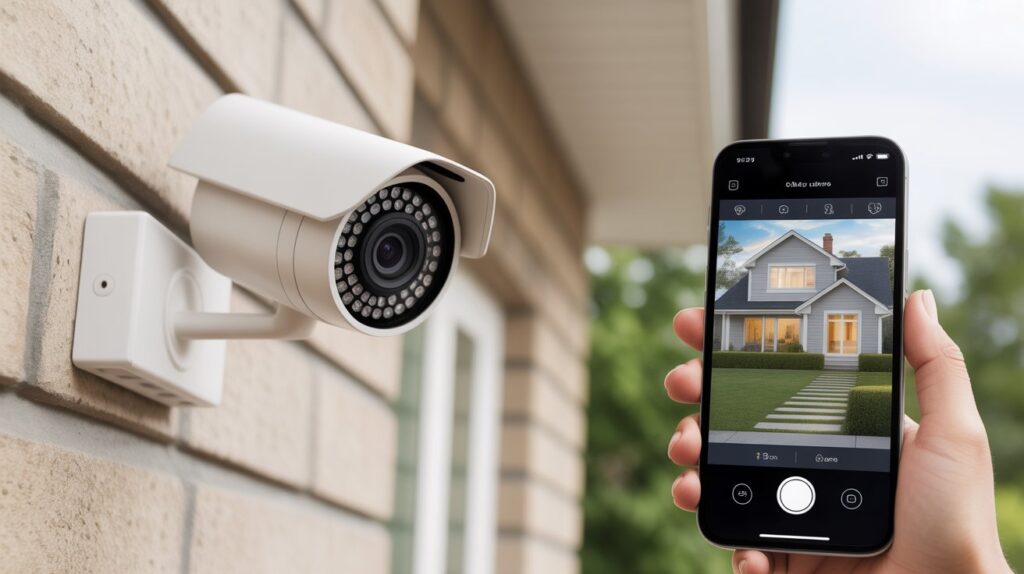
- Easy App Control from Anywhere — Manage notifications, cameras, and settings from the Ring app, whether you’re at work, traveling, or in another room
- Optional Professional Monitoring — 24/7 monitoring is available for an added layer of protection, alerting emergency services if something happens
Popular Ring Devices
- Video Doorbell — See, hear, and speak to anyone at your door from your smartphone
- Spotlight Camera — Bright LED lighting paired with motion detection and HD video for outdoor spaces
- Floodlight Camera — Combines motion-activated lights with video and two-way audio for stronger coverage
Together, these features make Ring a complete, straightforward approach to home protection — simple enough to install yourself, capable enough to cover a full property. If you’re deciding between doorbell-only setups and full coverage, our guide to home security systems can help you weigh the options.
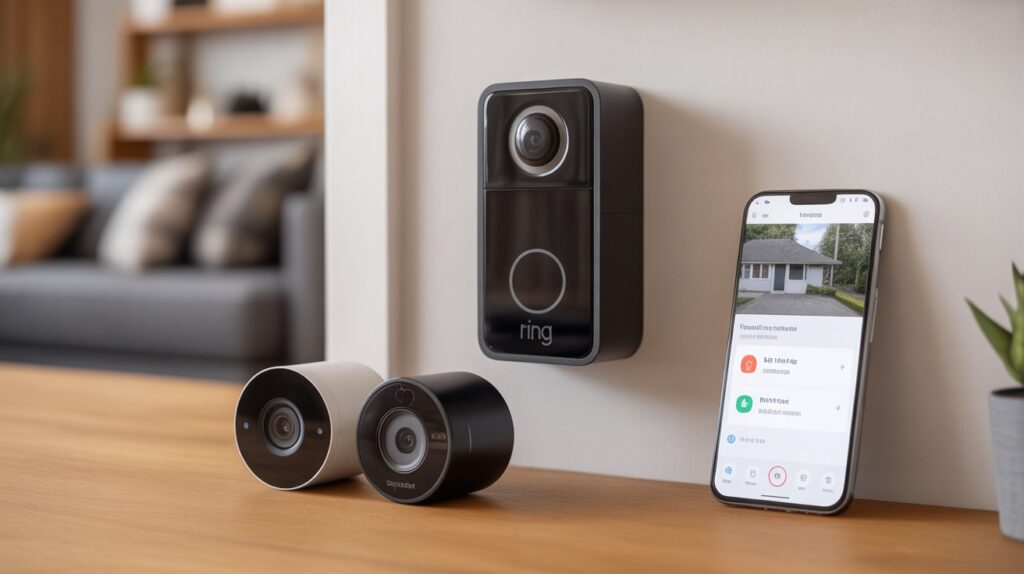
How Ring Wireless Home Security Works Step by Step
Setting up Ring wireless home security is simple, even for those who aren’t tech-savvy. The system is designed to provide reliable protection without the hassle of complicated installation or wiring. Here’s how it works step by step:
- Simple Installation (No Wiring Needed): Ring devices are mostly wireless, allowing you to mount cameras and doorbells easily on walls or doors. This plug-and-play setup saves time and avoids professional installation costs.
- Connect to Wi-Fi and Ring App: Once installed, all devices connect to your home Wi-Fi and sync with the Ring app. This central control lets you monitor every device in real-time from your smartphone.
- Customize Notifications and Motion Zones: You can set motion sensitivity and define specific zones to reduce false alerts. Whether it’s your driveway, front yard, or backyard, you receive notifications only for areas that matter.
- Integrate with Smart Home Devices: Ring works seamlessly with Alexa and other smart home products. You can lock doors, control lights, and even view cameras through voice commands, creating a fully connected and secure home environment.
By following these simple steps, Ring wireless home security ensures that your home is monitored efficiently and conveniently. The combination of easy installation, app control, and smart integrations makes it a modern, reliable solution for keeping your loved ones and property safe.
Benefits of Using Ring Wireless Security
Choosing Ring wireless home security means investing in reliable, hands-on protection without the complexity of a traditional wired system. Here’s why it stands out:
24/7 Monitoring Without Professional Installation
- Monitor your home around the clock without complex wiring or professional help
- Motion sensors and cameras detect unusual activity instantly, alerting you even when you’re away
- Full control stays in your hands from setup through daily use
Remote Access and Control
- Watch live feeds, review recorded footage, and manage alerts from anywhere through the Ring app
- Stay in control of your home’s security whether you’re at work, traveling, or running errands
- Remote access means faster response to anything unusual
Deters Intruders and Enhances Home Safety
- Visible cameras and doorbells act as a real deterrent against unwanted visitors
- Two-way communication lets you speak to anyone outside without opening the door
- Pairing Ring with smart lights and sensors creates a more active, monitored property
Cost-Effective Compared to Traditional Security Systems
- Ring delivers strong protection without the installation costs of a wired system
- Optional professional monitoring lets you scale coverage to your budget — for a closer look at what that involves, see our guide to Ring professional installation
- No mandatory installation fees makes it accessible for most homeowners
Reliable Coverage for Families and Solo Residents
- Real-time monitoring means fewer blind spots and faster awareness of what’s happening at home
- Works well for households with children, elderly family members, or anyone living alone
- The system does the watching so you don’t have to check in constantly
Combining convenience, affordability, and solid technology, Ring wireless home security is a practical tool for protecting a property without unnecessary complexity.
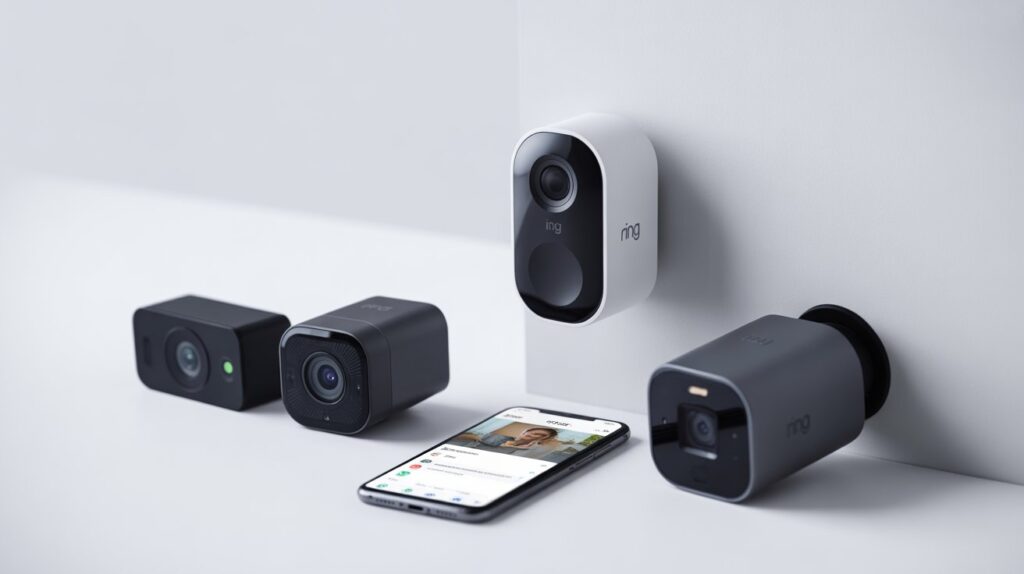
Common Concerns and How Ring Addresses Them
Ring wireless home security is widely praised for convenience and reliability, but a few questions come up regularly before homeowners commit. Here’s how the system handles them.
Privacy Concerns
- Video feeds and personal information are protected through encryption
- Users control who can access their cameras, recordings, and alerts
- Privacy settings let homeowners choose when devices are active and which parts of the property get monitored
Since most connected cameras rely on your home network, securing that network matters just as much as the camera itself — the FTC recommends putting cameras on a separate network from other devices like your computer or printer, along with keeping router settings locked down. Their full guide to securing home security cameras is worth a read regardless of which brand you use. FTC Consumer Advice
False Alerts
- Motion sensitivity is customizable, cutting down on unnecessary notifications
- Motion zones let you focus on areas that matter — entryways, driveways — reducing false triggers from cars or animals
- Fewer irrelevant alerts means more attention on activity that’s actually worth noticing
Device Maintenance
- Available in both battery-powered and wired options, depending on your setup
- Battery devices are easy to recharge or swap; wired devices offer continuous power for long-term reliability
- Firmware updates happen automatically, keeping the system current with minimal effort
Addressing privacy, alert accuracy, and maintenance head-on is what makes Ring wireless home security a practical, well-rounded system rather than just a camera on your door.
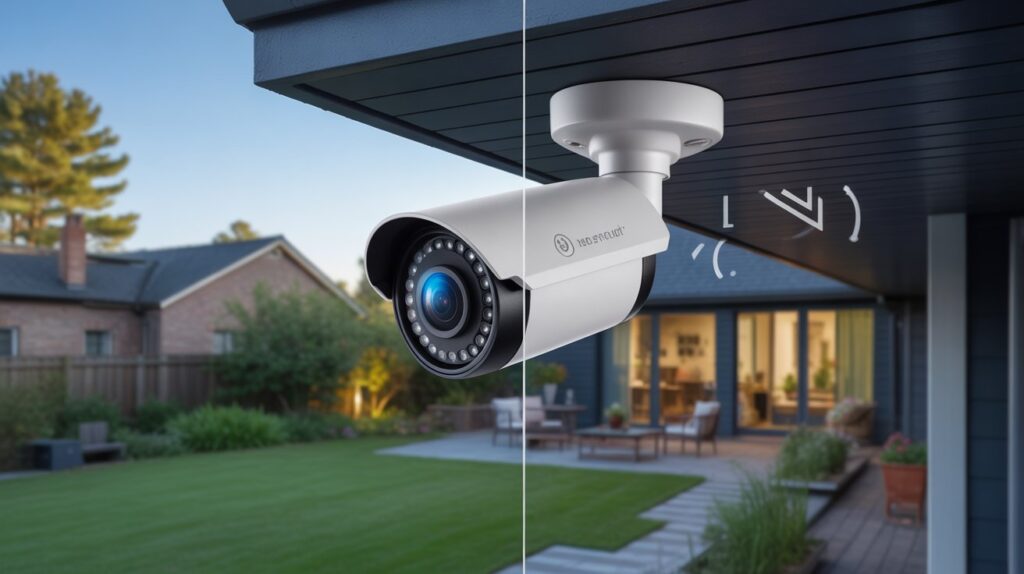
Ring vs Other Home Security Options
When it comes to securing your home, there are several options available—from traditional wired systems to DIY security cameras. Understanding how Ring wireless home security compares helps homeowners make an informed, practical choice.
Comparison with Traditional Wired Systems
- Traditional wired security systems require professional installation and complex wiring, which can be time-consuming and costly.
- They often lack flexibility; adding new devices may require rewiring or expensive upgrades.
- Ring, being wireless, eliminates these hassles. Devices are easy to install, relocate, or expand, making your home security system adaptable to changing needs.
Comparison with DIY Security Cameras
- DIY cameras offer some flexibility but often lack integration and professional monitoring options.
- Many DIY systems rely on separate apps, making centralized monitoring cumbersome.
- Ring’s wireless technology integrates cameras, doorbells, sensors, and the Ring app into a single ecosystem, offering seamless control and real-time alerts.
Advantages of Ring’s Wireless Technology
- Easy Installation: No wiring or professional setup required.
- Remote Monitoring: Access live feeds and control devices from anywhere using the Ring app.
- Scalable and Flexible: Add new devices or upgrade your system without rewiring.
- Smart Home Integration: Works with Alexa and other smart devices for a connected home.
- Reliable Security: Motion detection, HD video, and optional professional monitoring enhance protection compared to many DIY or wired alternatives.
By combining convenience, flexibility, and advanced monitoring features, Ring wireless home security stands out as a superior choice for homeowners who want reliable, modern protection without unnecessary complications. It’s an ideal solution for families, busy professionals, or anyone seeking peace of mind in 2026.
Conclusion
Ring wireless home security offers a practical, connected way to protect your property — real-time alerts, remote monitoring, and app-based control that fits how people actually check in on their homes today. It’s not about replacing good habits with gadgets; it’s about closing the gaps a locked door alone can’t cover.
If you’re weighing Ring against other setups, our guide to home security systems covers the broader landscape to help you land on what actually fits your property and budget.
FAQs
1. Does Ring wireless home security require WiFi?
Yes. Ring devices need a stable WiFi connection to send alerts, stream live video, and stay connected to the app.
2. Can I install Ring wireless home security myself?
Yes. Most Ring devices are designed for self-installation with no wiring or professional setup required.
3. Does Ring work with Alexa and other smart home devices?
Yes. Ring integrates with Alexa and select smart home platforms for voice control and automation.
4. Is professional monitoring required with Ring?
No. Professional monitoring is optional — you can use live alerts and self-monitoring without a subscription.
5. Are Ring devices battery-powered or wired?
Both options are available, so you can choose based on your installation setup and power access.
About the Author
This guide was written by a criminologist with a BS in Criminology and a focus on crime prevention and modern security technology. At CrimTechHub, product breakdowns like this one are built around one question: does this system actually reduce risk in real conditions, not just look good in a spec sheet.
Ring wireless home security is evaluated here the same way — installation ease, monitoring reliability, and how well it holds up as part of a full home protection setup, not just as a standalone gadget.