Introduction
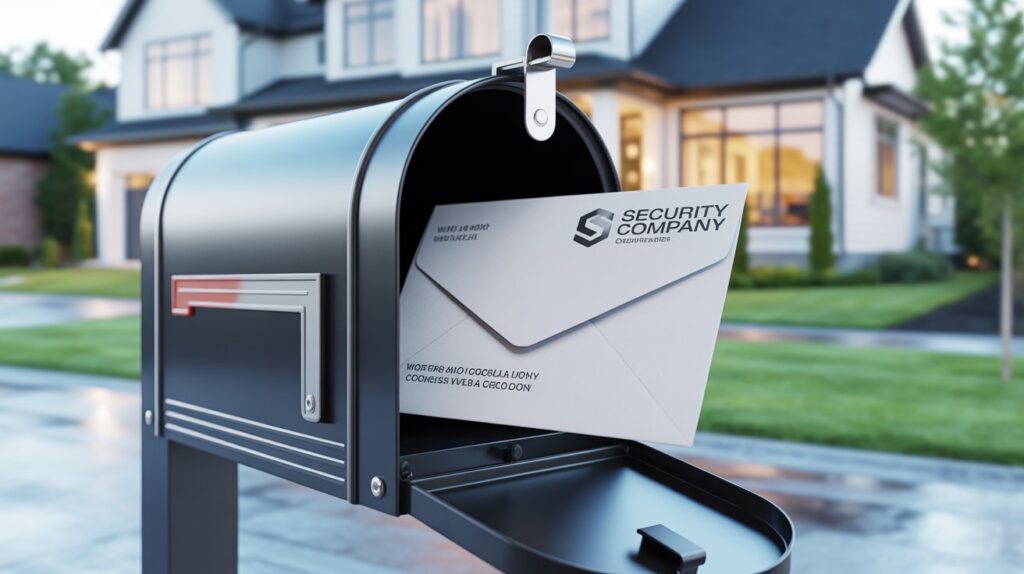
You open your mailbox and find a letter warning you about safety in your neighborhood — and your mind jumps straight to your family. That’s the usual reaction to home security group letters. The tone can sound urgent, but most of these letters exist for one reason: to make you aware of something and point you toward a response.
Not every letter is genuine, though. Some flag a real local concern; others are written to push a sale. Knowing the difference is what lets you read it, verify it, and decide calmly — instead of reacting out of fear.
Table of Contents
The Rising Concern Around Home Security Group Letters
A notice from a home security group can make any homeowner pause. These letters often mention safety tips, neighborhood risks, or security updates — and they usually arrive without warning. Because home security touches something as personal as family safety, even a short message can feel urgent.
Part of the confusion comes from how these letters are written. The wording is often formal or urgent-sounding, which makes people react before they fully understand the message. Common reactions include:
- Uncertainty about whether the letter is official or promotional
- Concern that crime has risen nearby
- Pressure to act quickly without reading it properly
This reaction makes sense — when safety feels at stake, people respond on instinct before logic. It’s also why home security group letters keep coming up in homeowner and community discussions.
From a criminology and home-security standpoint, this concern is valid but manageable. The goal isn’t to ignore these letters or panic over them — it’s to read them with a clear head, verify the source, and respond based on facts rather than urgency.
What Are Home Security Group Letters?
Home security group letters are notices sent to homeowners about safety measures, crime prevention tips, or security services available in their area. The intent is usually to flag a potential concern related to your property or neighborhood — but because the topic is personal safety, the tone often comes across as more serious or urgent than it needs to be.
These letters typically come from one of a few sources:
- Local or regional home security providers
- Neighborhood watch or community safety groups
- Property management companies or housing associations
- Marketing groups representing security brands
Not all of them are trying to sell you something right away — some are purely meant to raise awareness or introduce options you might not know about.
You’ll usually see these letters show up around specific moments:
- After break-ins or suspicious activity nearby
- Right after moving into a new home or neighborhood
- During seasonal crime spikes, like around the holidays
- When a community is running a safety awareness campaign
Recognizing the source and the timing makes it much easier to judge whether a letter needs real action or just a quick read.
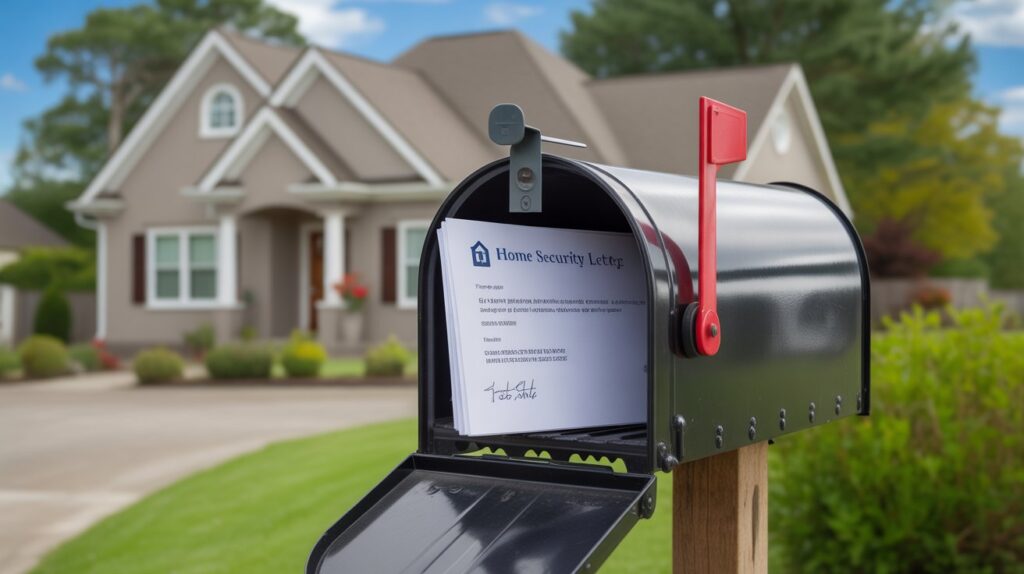
Why Home Security Group Letters Are Sent to Homeowners
Homeowners receive home security group letters for a straightforward reason: to draw attention to a safety-related matter tied to their property or neighborhood. The intent is to inform, not to alarm. When a risk comes up or awareness is needed, a written letter is still one of the most direct ways to reach residents and open a conversation about protection.
Purpose Behind Home Security Group Letters
At their core, these letters pass along information homeowners might otherwise miss — a rise in local incidents, a reminder to stay alert, or a resource worth knowing about. Think of them less as an alarm and more as an early heads-up.
Awareness, Prevention, or Marketing — Explained Simply
Not every letter serves the same purpose. Some are purely educational, others quietly introduce a service. Common reasons include:
- Flagging recent local safety trends
- Encouraging basic prevention steps like better lighting or locks
- Pointing residents toward security options available in the area
A responsibly written letter stays neutral and factual, leaving the decision entirely up to the homeowner.
Connection to Neighborhood Safety Concerns
Letters like these are often tied to something real happening locally — a spike in incidents, an upcoming safety meeting, or a shared concern among residents. Programs such as Neighborhood Watch, run through local sheriff’s offices nationwide, operate on this same principle: shared awareness at the neighborhood level keeps people alert without tipping into fear.
Are Home Security Group Letters Legitimate or a Scam?
- Home security group letters can be legitimate when they come from known security providers, community safety groups, or verified property management sources that focus on awareness rather than pressure.
- A real letter explains its purpose clearly, using calm and informative language instead of fear-based or urgent wording meant to rush decisions.
- Genuine home security group letters usually include verifiable details, such as a business name, contact information, or a clear reason for reaching out to homeowners in a specific area.
- Red flags appear when letters demand immediate action, request personal or financial information, or use threats like “act now or risk loss,” which is common in scams.
- Scam-style letters often feel vague, avoiding specific neighborhood details while relying on emotional fear to push a response.
- Trusted security experts recommend pausing and verifying, rather than reacting instantly to any home security group letters that feel unclear or aggressive.
- A legitimate message encourages awareness, while a scam relies on pressure—understanding this difference helps homeowners protect both their safety and peace of mind.
How Home Security Group Letters Impact Home Safety Decisions
Receiving home security group letters often has a noticeable psychological effect on homeowners. These letters make people more aware of potential risks and encourage them to think about how to protect their property and loved ones. The emotional connection to family safety is strong—when a letter mentions neighborhood safety or preventive measures, it naturally motivates homeowners to take action.
Practical impacts are often reflected in the following ways:
- Trigger awareness and caution: Homeowners become more alert to possible risks in their area.
- Influence security upgrades: Letters may prompt actions like installing cameras, better locks, or alarm systems.
- Guide informed choices: Clear, verified information helps residents respond logically rather than out of fear.
- Reinforce community vigilance: Sharing safety tips and discussing letters with neighbors enhances overall neighborhood security.
This combination of emotional awareness and practical guidance shows how home security group letters can positively shape home safety decisions without creating unnecessary panic.
What You Should Do After Receiving a Home Security Group Letter
After receiving a home security group letter, it’s important to stay calm and handle it thoughtfully. Not every letter requires immediate action—some are purely informational, while others may highlight genuine security concerns. Taking practical, step-by-step measures ensures homeowners respond effectively without unnecessary stress.
Here’s what you can do:
- Verify the source: Check the sender’s credibility and contact details before trusting the message.
- Read carefully: Understand what the letter is asking or suggesting, without reacting impulsively.
- Decide on action: Take steps like improving locks, lighting, or cameras only if the information is reliable.
- Ignore if irrelevant: Letters that seem suspicious, vague, or overly pushy can often be disregarded safely.
- Stay informed: Discuss with neighbors or community groups to gauge whether others received similar messages.
By following these steps, homeowners can respond to home security group letters with a clear head — protecting both their property and their sense of security.
Conclusion
Home security group letters aren’t just notifications — they’re a reminder to stay aware of what’s happening around your home. Once you understand their purpose, it’s easier to read them calmly, verify what matters, and act only when it’s actually needed.
If a letter has you thinking about your current setup, it’s a good moment to review your home security basics and close any obvious gaps. A few proactive steps now go a long way toward keeping your home — and the people in it — genuinely protected.
FAQs
1. What are home security group letters?
A: Notices sent to homeowners to raise awareness about safety, crime prevention, or security services in their area.
2. Who sends home security group letters?
A: Usually local security providers, neighborhood watch groups, property management companies, or marketing groups working on behalf of security brands.
3. Are home security group letters legitimate or scams?
A: They can be either. Legitimate letters come from verifiable sources and use clear, neutral language; scams tend to rely on fear or pressure to force a quick response.
4. Why do homeowners receive these letters?
A: To inform, raise safety awareness, or introduce preventive security measures relevant to a home or neighborhood.
5. What should I do after receiving one?
A: Verify the sender, read it carefully, act only if it’s warranted, ignore anything vague or pushy, and check with neighbors if something feels off.
About the Author
M. Bilal holds a Bachelor’s degree in Criminology and founded CrimTechHub to help homeowners make sense of the ever-growing world of home security — from smart cameras to the confusing letters and notices that land in their mailbox. His academic background in criminology shapes how he looks at these topics: not as a product reviewer chasing trends, but as someone trained to think about risk, prevention, and how people actually respond to fear-based messaging.
Bilal researches every article by cross-checking claims against real security practices and consumer-protection guidance, rather than repeating what’s already circulating online. His goal with CrimTechHub is simple — cut through the noise around home security and give homeowners information they can actually trust and act on.