
Table of Contents
A Criminologist’s Experience in 2026
As a criminologist with an interest in self-defense, crime prevention, and personal safety, I have spent time studying how different social and environmental factors can influence people’s lives and their exposure to crime.
One thing I have learned is that personal safety is closely connected to overall well-being. People often focus heavily on work, financial responsibilities, and daily challenges while giving less attention to their physical safety and personal well-being.
Why Personal Safety Matters
People work hard to build better lives, support their families, and achieve their goals. However, constant pressure and demanding routines can make it difficult to maintain a healthy balance.
From a crime-prevention perspective, understanding personal safety and recognizing potential risks can help people make more informed decisions about their surroundings.
Understanding the Connection Between Crime and Social Conditions
During my criminology studies, I researched street crime and examined factors that can contribute to criminal behavior. Issues such as unemployment, poverty, social environment, and limited opportunities can be associated with higher crime risks in some communities.
However, crime does not have a single cause. People with different backgrounds and circumstances can become involved in criminal activity, and social conditions are only part of a much broader picture.
This is why criminology looks beyond individual behavior and also examines environmental, economic, social, and institutional factors that may influence crime.
Can Crime Be Reduced?
Crime may never be completely eliminated, but research and experience show that prevention can play an important role in reducing certain types of crime.
Effective crime prevention can involve several areas, including:
- Improving community safety
- Creating better educational and employment opportunities
- Increasing awareness of personal safety
- Supporting evidence-based crime-prevention programs
- Improving access to appropriate security measures
As a criminologist, I believe understanding the causes and patterns of crime is an important part of developing practical prevention strategies.
My experience has taught me that crime prevention is not only about reacting to crime after it happens. It also involves understanding why crime occurs, identifying potential risks, and helping people make informed decisions about their safety.
Crime is a complex social issue with no single solution. However, continued research, prevention efforts, community awareness, and responsible security practices can contribute to safer communities.
I Completed My Degree, but I Did Not Take a Traditional Job. Why?
After completing my criminology degree, I decided not to follow a traditional career path. Instead, I chose to build an independent career around writing, research, crime prevention, self-protection, and security.
The online world gave me an opportunity to create my own platform and share information based on my education, research, and personal interests. This journey eventually led me to create my own website and develop content focused on personal safety and modern security.
Choosing an independent path has allowed me to continue learning while creating useful resources for people interested in crime awareness, self-defense, and home security.
Why Self-Protection and Personal Well-Being Matter
Self-protection is not limited to physical safety. Good decision-making, awareness, stress management, and healthy daily habits can also support a person’s overall well-being.
People who regularly deal with work, financial responsibilities, or other life pressures may find it difficult to prioritize their own well-being. Maintaining healthy routines and making time for rest can be an important part of staying prepared and focused.
According to the National Institute of Mental Health (NIMH), healthy habits such as getting enough sleep, staying connected with others, regular physical activity, and managing stress can support mental health. NIMH: Caring for Your Mental Health
From my perspective as a criminology graduate, personal safety starts with awareness, responsible decision-making, and understanding potential risks. Physical security is important, but maintaining overall well-being can also help people approach everyday safety decisions more effectively.
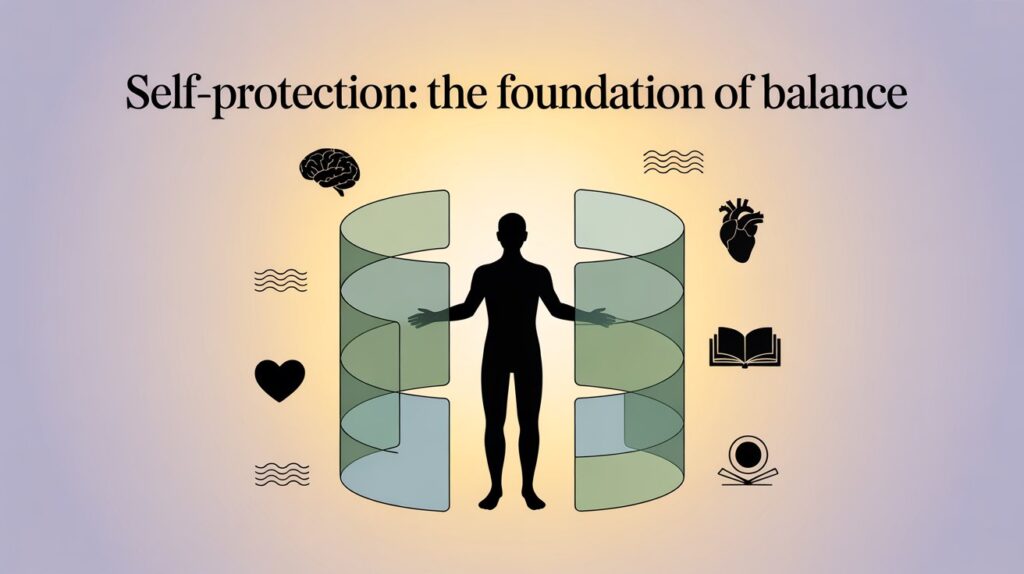
How to Protect Yourself: Practical Self-Protection Habits
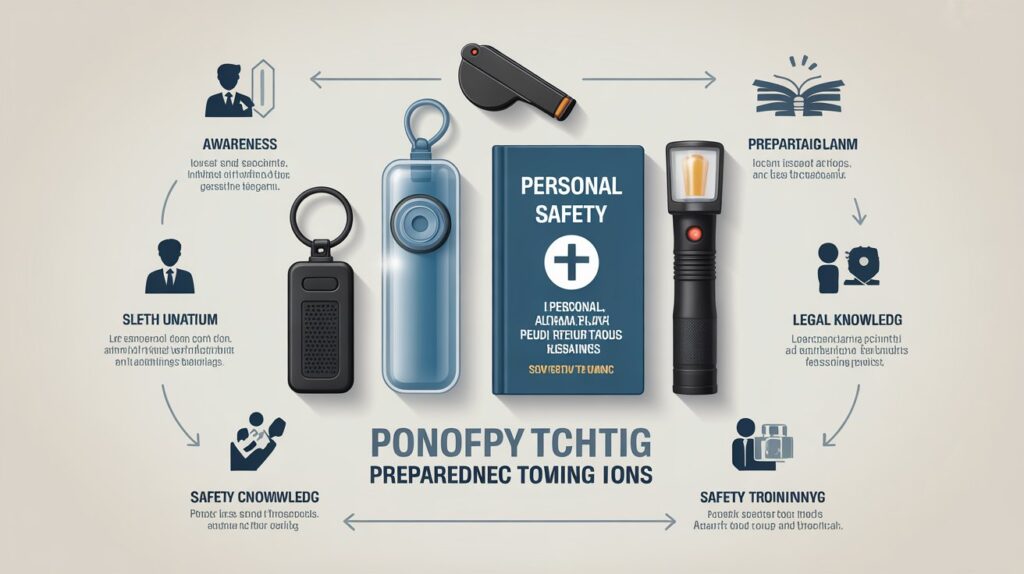
Self-protection is not only about physical defense. It also involves situational awareness, healthy habits, clear decision-making, and understanding potential risks. Based on my background in criminology, these are some practical habits that can support everyday personal safety.
- Make time for yourself. Regular breaks and personal time can help you manage daily pressure and maintain focus.
- Reflect on your daily habits. Taking a few minutes to review your day can improve self-awareness and help you identify areas that need attention.
- Know your limits. Avoid consistently pushing yourself beyond your physical or mental capacity. Rest and recovery are important parts of overall well-being.
- Learn to set boundaries. Managing your time and responsibilities can help reduce unnecessary stress and improve your ability to focus on important priorities.
- Maintain healthy routines. Adequate sleep, regular activity, and balanced habits can support your overall well-being and decision-making.
- Stay aware of your surroundings. Pay attention to your environment when walking, traveling, working, or spending time in unfamiliar places. Recognizing potential risks early can support better safety decisions.
- Build practical confidence. Learning basic safety skills and understanding how to respond to different situations can help you feel more prepared.
- Keep learning. Studying crime prevention, human behavior, situational awareness, and basic self-defense can strengthen your understanding of personal safety. You can also read our guide on why self-defense is essential for additional information.
Self-protection is an ongoing process. Small, consistent habits can help you become more aware of your surroundings and make more informed decisions about your personal safety.
“Why Self-Protection Is Important”
If we think carefully, self-protection is extremely important because first and foremost, it is about protecting oneself, and only then can we focus on others and other things.We have observed that many people do take care of themselves, but on the other hand, some people completely neglect their own well-being.
“Self-protection is not selfish. It is smart. When you are safe and strong, you can face problems without fear.”
1. Prioritize Your Health
Your health is your foundation. If your body and mind are not strong, handling life’s challenges becomes difficult. Taking care of your physical and mental well-being should always be your first priority.
2. Maintain Mental Clarity
A clear mind leads to better decisions. When stress and confusion take over, it becomes harder to think properly. Protecting yourself means keeping your thoughts balanced and focused.
3. Stay Aware of Your Environment
Being mindful of your surroundings—whether online, at work, or in daily life—can help you avoid many risks before they even arise. Awareness is a key part of self-protection.
4. Build Inner Confidence
When you understand your limits and take care of yourself, your confidence naturally grows. This confidence helps you act wisely and handle situations more effectively.
5. Learn to Set Boundaries
Protecting your time and energy is essential. Saying “no” when needed is not wrong—it is a sign of self-respect and personal strength.
6. Keep Learning and Growing
Knowledge is one of the strongest forms of protection. Whether it’s life skills, personal development, or new information, continuous learning empowers you.
Remember: Your safety and well-being always come first, and everything else follows.
Conclusion
Self-protection is an important part of maintaining personal safety and overall well-being. It involves more than physical defense—it also includes situational awareness, healthy habits, clear decision-making, and understanding potential risks.
By taking care of yourself, setting reasonable boundaries, staying aware of your surroundings, and continuing to learn about personal safety, you can become better prepared for everyday challenges.
From a criminology perspective, prevention begins with awareness. Understanding potential risks and making informed safety decisions can play an important role in protecting yourself and those around you.
Remember, personal safety is an ongoing process. Small, practical habits can make a meaningful difference in how prepared you are for everyday situations.
About the Author
M. Bilal holds a Bachelor’s degree in Criminology and writes about self-defense and personal safety for CrimTechHub. His articles draw on his academic background in criminology along with hands-on research into self-defense practices and everyday safety habits.