Introduction
Pepper spray comes in several types, and each design works differently depending on the spray pattern, range, and intended use. Understanding these differences can help you better understand your self-defense options before choosing a product.
Common types include stream, gel, foam, and fogger pepper spray, along with other specialized designs. Each type has different characteristics that may make it more suitable for particular environments and situations.
In this guide, we’ll explain the different types of pepper spray, how they work, their key differences, and the factors to consider when comparing them. We’ll also cover important safety and legal considerations for pepper spray use in the United States.
Table of Contents
What Is Pepper Spray?
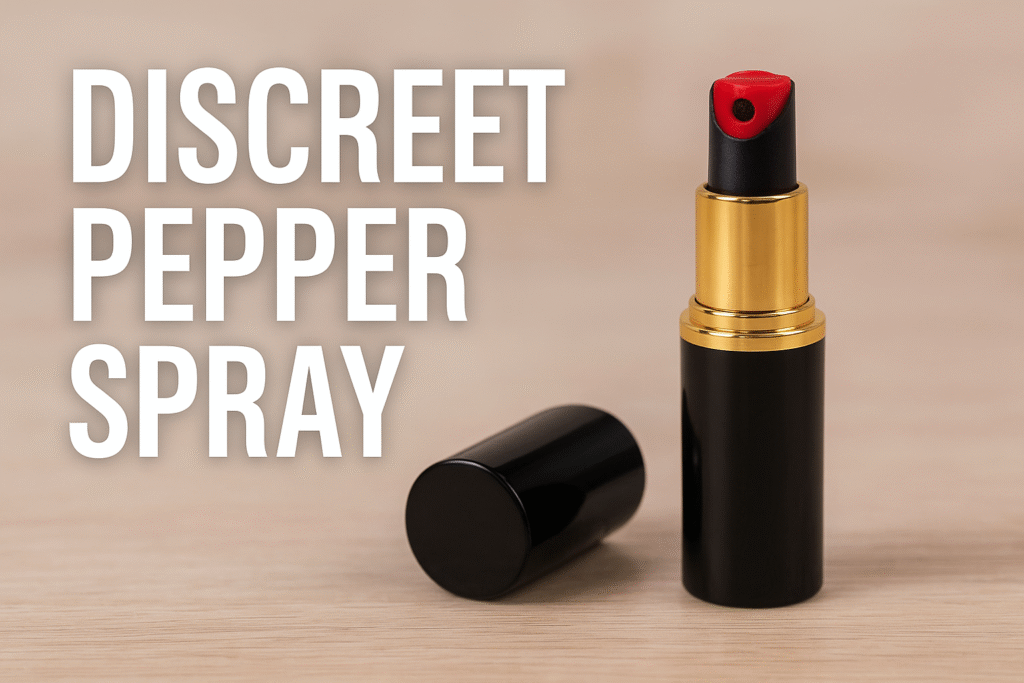
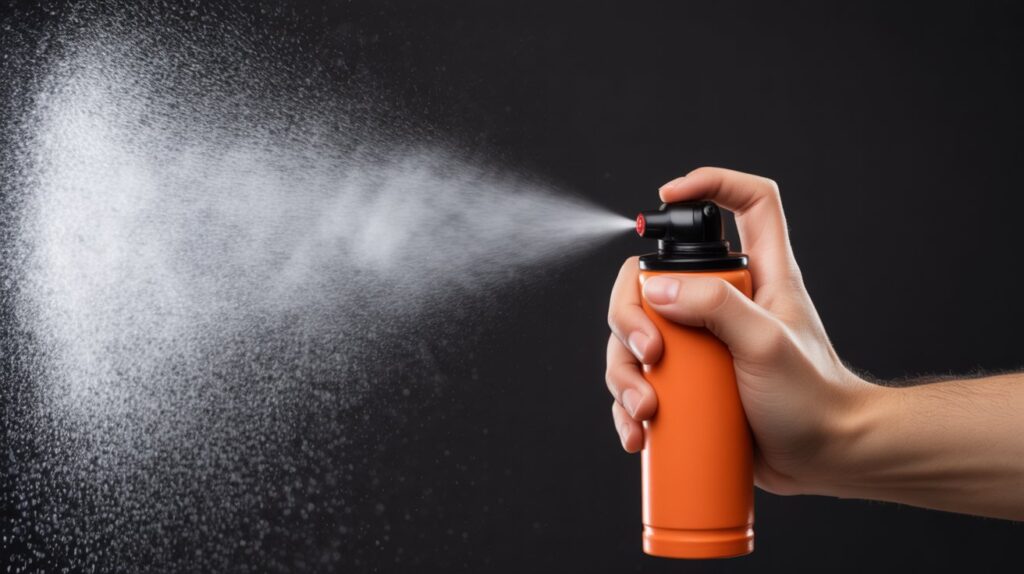
Pepper spray is an OC (oleoresin capsicum) self-defense spray made from compounds derived from hot peppers. When it contacts the eyes, skin, or respiratory system, it can cause temporary irritation, burning, tearing, and coughing.
Pepper spray is available in different delivery types, including stream, gel, foam, and fogger. Each type has different characteristics related to spray pattern, range, and potential exposure to surrounding areas.
The effects and duration can vary depending on the formulation, exposure, and individual response. Because pepper spray can affect both the user and other people nearby, proper handling, storage, and awareness of local laws are important.
For more information, see our guide on pepper spray safety tips and proper handling.
Pepper spray is commonly carried for personal safety, but it should be treated as a defensive tool rather than a guarantee of protection. Always follow the product instructions and applicable laws in your area.
Why Choose Pepper Spray for Self-Defense?
Pepper spray is a commonly discussed personal-safety option because it is compact, easy to carry, and available in several formulations. However, its effects, range, and legal restrictions can vary by product and location.
Unlike some other defensive tools, pepper spray can provide a way to create distance from a potential threat. However, it is not guaranteed to work the same way on every person, and proper handling is important.
Some common characteristics of pepper spray include:
- Compact design — Many products are small enough for convenient carry.
- Different spray patterns — Stream, gel, foam, and fogger designs have different characteristics.
- Variable range — Effective range depends on the specific product and formulation.
- Simple operation — Users should always read and follow the manufacturer’s instructions.
- Low cost compared with some defensive equipment — Pricing varies by product and brand.
- Different legal requirements — Local laws can regulate possession, carry, size, or use.
Before choosing any pepper spray, understand how the different types work and check the laws that apply where you live.
For additional guidance, see our pepper spray safety tips.
Main Types of Pepper Spray
Pepper spray is available in several delivery formats. The main differences involve the spray pattern, dispersion, potential exposure to nearby people, and the conditions in which the product is intended to be used.
1. Stream Pepper Spray
Stream pepper spray releases a narrow liquid stream rather than a broad mist. This design generally produces less airborne dispersion than fogger-style sprays, although environmental conditions can still affect how the spray travels.
Key characteristics:
- Narrow spray pattern
- More limited airborne dispersion
- Requires accurate application
- Range varies by product
Limitations: Wind and other environmental conditions can affect the spray, and the narrow pattern requires reasonable accuracy.
2. Gel Pepper Spray
Gel pepper spray uses a thicker formulation designed to reduce airborne dispersion compared with traditional mist-style products. The gel is intended to adhere to the surface it contacts.
Key characteristics:
- Thick gel formulation
- Reduced airborne dispersion compared with fogger sprays
- Direct-contact application
- Product range varies by manufacturer
Limitations: The thicker formulation still requires appropriate application, and users should follow the manufacturer’s instructions for handling and cleanup.
3. Foam Pepper Spray
Foam pepper spray releases an expanded foam rather than a narrow liquid stream or fine mist. The formulation is designed to remain more concentrated after leaving the canister.
Key characteristics:
- Foam-based formulation
- Less airborne dispersion than a wide mist
- Visible residue may remain after contact
- Performance varies by product
Limitations: Foam products can have different range and spray characteristics, so always check the manufacturer’s specifications before purchase.
4. Fogger or Cone Pepper Spray
Fogger or cone pepper spray releases a wider mist that covers a broader area than stream-style products. Because more material can become airborne, this type may also increase the possibility of unintended exposure.
Key characteristics:
- Wide spray pattern
- Greater airborne dispersion
- Less emphasis on precise application
- Environmental conditions can significantly affect performance
Limitations: Wind can change the direction of the spray, and the wider dispersion can increase the chance of affecting nearby people.
5. Pepper Spray Gun or Launcher
Pepper spray launchers are specialized products that differ from conventional handheld pepper-spray canisters. Depending on the model, they may use projectiles or a specialized delivery system.
Because these products vary considerably, specifications, operating methods, and legal requirements should be checked directly with the manufacturer and applicable local authorities.
Key considerations:
- Different designs and delivery systems
- Generally larger than standard canisters
- Product-specific range and specifications
- Potentially different legal requirements
If you’re comparing pepper spray types, focus on the product’s formulation, delivery method, intended use, manufacturer instructions, and local regulations rather than assuming one type is universally better than another.
For a more detailed comparison, you can also read our guide on pepper spray for self-defense.
Choosing the Right Type of Pepper Spray
The right type of pepper spray depends on your environment, spray pattern, and how comfortable you are with the product. Each type has different characteristics, so there is no single option that works best for everyone.
Outdoor Use
Stream pepper spray produces a narrow spray pattern and may be less dispersed than wider sprays. Wind and other environmental conditions can still affect its performance.
Indoor or Enclosed Areas
Gel pepper spray is designed to produce a thicker stream with less airborne dispersion than some mist-style sprays. However, pepper spray can still cause irritation if it spreads indoors, so proper handling is important.
Wider Spray Pattern
Fogger or cone pepper spray creates a wider spray pattern, which can increase airborne exposure. This type may be affected by wind and should be used carefully according to the manufacturer’s instructions.
Foam Pepper Spray
Foam pepper spray produces a foam-like formulation rather than a traditional liquid stream. Its characteristics, range, and application can vary between products.
Pepper Spray Guns or Launchers
Pepper spray guns or launchers use specialized delivery systems that differ from standard handheld canisters. Their design, operation, range, and legal requirements can vary significantly by product.
Before choosing any type, review the manufacturer’s instructions, understand the potential for accidental exposure, and check the laws that apply in your area. For general safety information about pepper spray exposure, see Poison Control’s pepper spray safety guide.
Quick Reference — Type vs. Situation
| Situation | Best Type |
|---|---|
| Jogging or walking outdoors | Stream |
| Home defense or indoor use | Gel |
| Multiple attackers or no time to aim | Fogger |
| Close-range urban carry | Foam |
| Maximum range and stopping power | Pepper Spray Gun |
| Crowded public spaces | Gel |
| Windy outdoor conditions | Stream or Gel |
Safety Tips for Carrying and Using Pepper Spray
Owning pepper spray is only half the equation. How you carry it, store it, and use it determines whether it actually protects you when a real situation unfolds.
Always Keep It Accessible
A pepper spray canister buried at the bottom of a bag is useless in an emergency. Keep it somewhere you can reach it in under two seconds — a jacket pocket, a dedicated keychain clip, a holster, or the cup holder of your car. Practice reaching for it without looking so the motion becomes automatic.
Know Your Canister Before You Need It
Every model is slightly different. Some have twist-off safety caps, others have flip tops or thumb buttons. Before you carry any canister, spend two minutes learning exactly how the safety disengages and which direction the nozzle faces. Fumbling with a safety lock during a threat is a mistake you can’t afford.
Never Test It Indoors
Discharging pepper spray inside — even briefly — can fill a room with irritants that affect everyone present, including you, children, and pets. If you want to test pressure or spray distance, do it outside in a clear, open area with the wind at your back.
Check the Expiration Date Regularly
Most pepper spray canisters remain effective for two to four years. After that, the propellant pressure drops and the OC concentration can degrade — meaning a weaker, less reliable response exactly when you need full potency. Check the date every six months and replace it before it expires.
Aim for the Face — Then Move
In a real threat scenario, aim directly for the attacker’s eyes and nose. Use a short, controlled burst — one to two seconds is enough. Do not empty the canister. The moment the attacker is affected, move away immediately and put as much distance between you and them as possible. Wind direction matters outdoors — position yourself upwind before deploying if possible.
After Use — Report It
Pepper spray use in self-defense should always be followed by a call to 911. Even if you feel the threat is resolved, reporting the incident protects you legally and creates an official record of what happened.
Legal Considerations in the United States
Pepper spray laws in the United States vary by state and, in some cases, by local jurisdiction. Rules can cover age, possession, purchase, canister size, prohibited locations, and how the spray may legally be used. Before purchasing or carrying pepper spray, check the current laws that apply to your location.
Age and Purchase Requirements
Age requirements are not identical across all states. Some jurisdictions place restrictions on who may purchase or possess self-defense spray, while others have fewer requirements. For example, Massachusetts has specific rules governing the purchase and possession of self-defense spray.
Because these requirements can change, avoid relying on a general nationwide age rule. Check your state’s current statutes or an official government source before purchasing or carrying pepper spray.
Canister Size and Other Restrictions
Some states regulate the characteristics or possession of pepper spray, while others have fewer restrictions. The exact requirements can depend on the state and the circumstances in which the spray is possessed or carried.
For this reason, previously published lists of state limits should be treated carefully and verified against current state law rather than assumed to be up to date.
Where Pepper Spray May Be Restricted
Even when pepper spray is generally lawful to possess, certain locations may prohibit weapons or defensive sprays. These restrictions can apply to places such as schools, government buildings, courthouses, secure facilities, and other restricted areas.
Always check the rules for the specific property or facility before carrying pepper spray there. For example, Massachusetts government-managed facilities may prohibit pepper spray and other chemical agents inside their buildings.
Check Official State Laws
Pepper spray regulations can change, so the safest approach is to verify the current rules using an official state government or legislative source. For example, Massachusetts provides current information about its laws concerning self-defense spray through its official law resources.
Before purchasing, carrying, or using pepper spray, check:
- Your state’s current pepper spray laws
- Minimum age and possession requirements
- Restrictions on size or formulation, if applicable
- Prohibited locations
- Rules governing lawful use
- Any applicable local regulations
Important: This information is for general educational purposes and is not legal advice. Laws can change, so verify the current requirements for your specific location with an official government or legal source.
FAQs
1. What are the main types of pepper spray?
The main types of pepper spray include stream, gel, foam, fogger, and pepper spray guns. Each type offers different coverage, range, and control, allowing you to choose one that fits your specific safety needs.
2. Which type of pepper spray is best for self-defence?
For personal protection, gel pepper spray is often considered the best. It sticks to the target, reduces blowback, and works well indoors or outdoors, making it reliable in most situations.
3. How long does pepper spray remain effective?
Most types of pepper spray last about 2 to 4 years before expiring. Always check the expiration date printed on the canister and replace it regularly to ensure maximum potency.
4. Is pepper spray legal in all U.S. states?
Pepper spray for self-defence is legal in most U.S. states, but some have restrictions on size, concentration, or where it can be carried. Always review your state’s specific regulations before purchase.
Conclusion
Understanding the different types of pepper spray helps you compare stream, gel, foam, and fogger options based on their spray pattern and intended use. No single type is ideal for every situation, so consider the product’s features, instructions, and local laws before choosing one.
For more guidance, read our pepper spray safety tips before carrying or using pepper spray.
About the Author
Muhammad Bilal Shahid is a Criminology graduate and security-focused content writer with an interest in personal safety, crime prevention, and modern security solutions. He researches safety-related topics using reliable sources and focuses on providing clear, practical, and easy-to-understand information.
At CrimTechHub, he covers personal safety, home security, security technology, and related topics to help readers make informed decisions.
Expertise: Criminology • Personal Safety • Home Security • Security Technology