Introduction
Carbon monoxide has no smell, no color, and no visible warning sign, yet it’s one of the most dangerous gases that can build up inside a home. Known as the “silent killer,” it can reach unsafe levels quickly, and by the time symptoms appear, the exposure is often already serious.
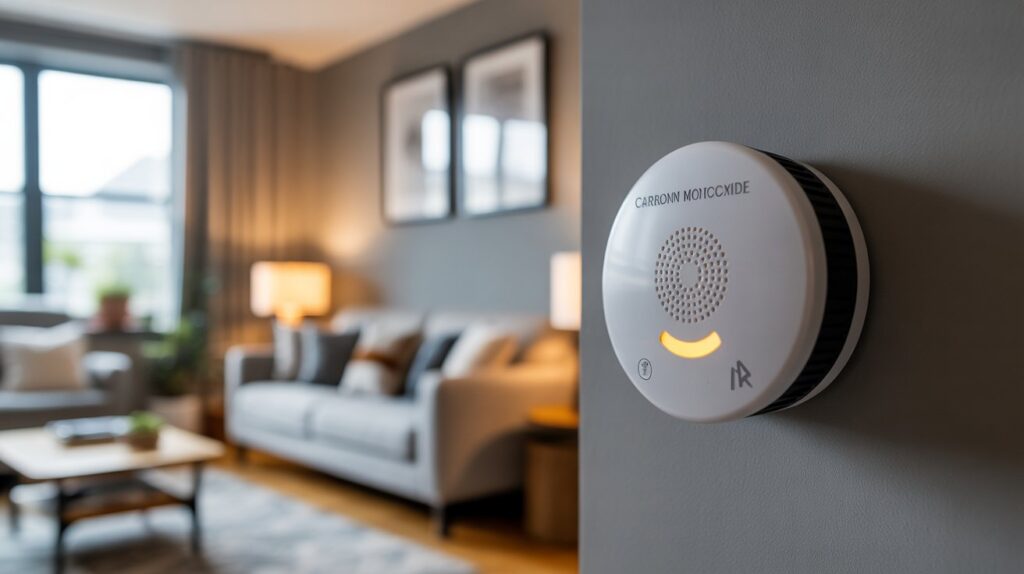
Carbon monoxide detectors from The Home Depot address this exact risk. They continuously monitor indoor air and sound an alarm the moment CO levels rise, giving you enough time to leave the area, find the source, and get everyone to safety.
This guide covers how these detectors work, which features actually matter, and where to install and maintain them for the most reliable protection.
Table of Contents
The Hidden Danger of Carbon Monoxide in Modern Homes
What Makes Carbon Monoxide So Dangerous?
Carbon monoxide forms when fuels like natural gas, wood, oil, or coal don’t burn completely — common sources include furnaces, gas stoves, fireplaces, water heaters, and cars idling in attached garages. Unlike smoke or gas leaks, CO has no smell, color, or taste, which is exactly why a dedicated CO detector matters: human senses alone can’t catch it.
Why It’s Called the Silent Killer
Early carbon monoxide exposure often looks like something else entirely — headaches, dizziness, weakness, confusion, or nausea, symptoms people commonly mistake for tiredness or a minor illness. By the time the cause is recognized, exposure can already be severe. A working CO alarm closes that gap by sounding the warning before symptoms do.
Modern Homes Aren’t Automatically Safer
Tighter insulation and reduced airflow in newer construction can actually let carbon monoxide build up faster indoors. Blocked vents, aging heating systems, poor appliance maintenance, and indoor generator use during power outages are common triggers regardless of a home’s age.
For full-home protection, it also helps to pair CO monitoring with proper smoke detector placement, since the two devices guard against different hazards.
How CO Detectors Work to Protect Your Family
- Detection, simplified: A CO detector’s sensor continuously scans the air, and the moment carbon monoxide crosses a safe threshold, it triggers the alarm — no manual checking required, day or night.
- Early alerts that matter: Once triggered, the loud alarm gives your family time to open windows, get outside, and call for help. According to the CDC, CO exposure sends thousands of people to emergency rooms every year, which is exactly why those extra seconds of warning count.
- CO detectors vs. smoke alarms: Smoke alarms detect fire and smoke particles — they don’t sense gas. A carbon monoxide detector is built specifically for CO, which is why one device can’t substitute for the other. Combo units that cover both are also available for homes that want single-unit protection.
Why Homeowners Trust CO Detectors from Home Depot
When it comes to home protection, cutting corners is never an option—which is why trust becomes a deciding factor. Many homeowners rely on CO detectors from Home Depot due to its strong reputation for supplying dependable safety equipment from trusted brands. These devices are built for long-lasting performance and precise detection, ensuring your home’s air is continuously monitored.
By providing reliable alerts against dangerous levels of Carbon monoxide, they help safeguard your household around the clock. This consistent protection allows families to feel secure, knowing their home environment remains safe day and night.
- Proven product reliability and brand trust:
Home Depot carries carbon monoxide alarms from recognized manufacturers that follow strict quality and safety standards. This strong reputation helps homeowners feel confident that the detector they install will work when it matters most. - Certified and code-compliant safety options:
Another reason people rely on CO detectors Home Depot sells is the availability of certified, code-compliant models. These detectors meet safety regulations and are suitable for apartments, single-family homes, and rental properties, making them a smart and responsible choice.
Buying and maintaining a CO detector shouldn’t be complicated. Home Depot keeps it straightforward with clear product details, in-store availability, and online ordering, so replacing an old unit or upgrading to a newer alarm takes minutes, not a whole afternoon.
What Makes Home Depot a Trusted Source for CO Detectors
Home Depot carries CO detectors from established safety brands like First Alert and Kidde, both known for durable sensors and consistent, long-term accuracy. Many models are certified to UL safety standards, making them suitable for single-family homes, apartments, and rental properties alike.
Shopping is also straightforward — clear product details in-store and online mean replacing an old detector or upgrading to a newer model takes minutes, not guesswork. For renters specifically, it’s worth pairing a CO detector with a broader look at home security systems for renters to cover both safety and security needs.
How to Choose the Right CO Detector for Your Home
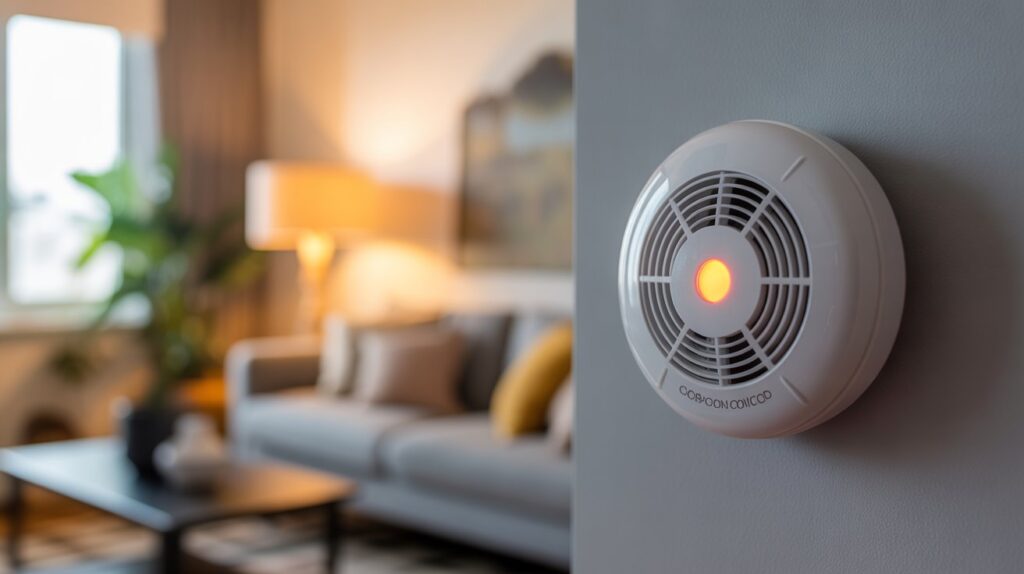
Choosing the right carbon monoxide alarm is about matching protection to your home’s real needs. Every home is different, and CO detectors from Home Depot come in a variety of options designed to fit different spaces, layouts, and lifestyles. When chosen correctly, a CO detector becomes a quiet but powerful guard that works around the clock.
- Home size and layout matter more than most people think:
Larger homes or multi-level houses often need more than one carbon monoxide detector to provide full coverage. Bedrooms, hallways, and areas near fuel-burning appliances deserve special attention. Smaller apartments may need fewer units, but proper placement is still critical for early detection.
Proper placement is just as important as choosing the detector itself. A carbon monoxide alarm should be installed where it can detect gas quickly without being blocked or ignored. This helps ensure alerts sound early, giving families time to react before levels become dangerous.
- Smart placement recommendations for better protection:
Install CO detectors outside sleeping areas, on each level of the home, and near—but not directly next to—fuel-burning appliances. Avoid placing them in areas with poor airflow, such as dead corners or behind furniture, where detection may be delayed.
Features also play a big role in how effective a detector feels in daily life. Many CO detectors Home Depot offers include useful upgrades that improve awareness and convenience without adding complexity.
- Features that matter most for everyday safety:
Look for digital displays that show carbon monoxide levels, voice alerts that clearly explain the danger, and a long sensor lifespan to reduce frequent replacements. These features help homeowners understand what’s happening and respond faster during an emergency.
By considering home size, placement, and key features, homeowners can confidently choose a CO detector that fits their space and protects what matters most.
Installation Tips and Proper Placement for Maximum Safety
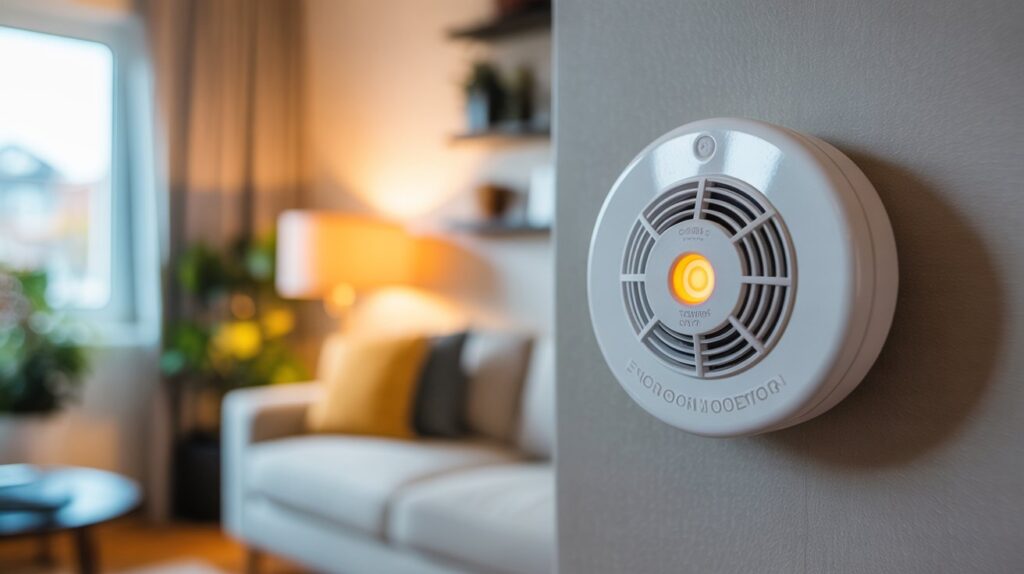
Correct installation is what separates an early warning from a delayed one. Even a high-quality CO detector won’t help if it’s mounted in the wrong spot or never tested. These placement and maintenance basics keep the whole system reliable.
Where to Install CO Detectors
- Install detectors outside sleeping areas, on every level of the home, so alarms wake everyone at night.
- Place them near fuel-burning appliances like furnaces, water heaters, and fireplaces — but not directly above or beside them, to avoid false alarms.
- Larger homes need multiple detectors to cover every floor and sleeping area.
- Mount on walls or ceilings per manufacturer instructions; CO mixes with air and rises, so height affects accuracy.
Common Placement Mistakes to Avoid
- Corners and enclosed spaces with poor airflow delay detection.
- Avoid windows, vents, and fans — they dilute CO concentration near the sensor.
- Keep detectors out of humid areas like bathrooms and kitchens to prevent sensor damage.
- Never skip manufacturer placement guidelines — doing so can void the warranty and compromise safety.
Maintenance and Testing Basics
- Test monthly using the built-in test button.
- Replace batteries promptly when the low-battery alert sounds.
- Replace the entire unit every 5–7 years, per manufacturer lifespan guidance.
- Wipe the detector with a dry cloth periodically to keep the sensor free of dust.
Getting placement and testing right is just as important as the detector’s placement relative to other alarms in the home — CO and smoke detectors work best when neither one is left uncovered.
Conclusion
Carbon monoxide is one of the few home hazards you can’t see, smell, or sense on your own — which is exactly why a reliable detector matters. CO detectors from The Home Depot make it simple to stay protected, from choosing the right model to placing it where it actually catches a leak in time.
If it’s been a while since you checked your current setup, now’s a good time to confirm every level of your home is covered. A small upgrade today can make all the difference when it counts.
FAQs
Does Home Depot sell carbon monoxide detectors that don’t need Wi-Fi?
Yes, Home Depot stocks standard battery-powered and plug-in CO detectors that work independently without any app or internet connection.
Can a CO detector go on the same alarm as a smoke detector?
Yes, combo smoke-and-CO alarms are available and are a practical choice for homes that want single-unit coverage.
How long does a carbon monoxide detector last before it needs replacing?
Most units last 5 to 7 years, after which the sensor accuracy drops even if the alarm still powers on.
Do carbon monoxide detectors need to be near the ceiling or the floor?
Neither strictly — CO mixes evenly with air, so detectors work well at eye level or ceiling height as long as manufacturer instructions are followed.
Is one CO detector enough for a whole house?
Not for most homes — one detector per floor, especially near sleeping areas, gives more reliable, faster coverage.
About the Author
M Bilal holds a BS in Criminology and writes about home security, safety devices, and crime-prevention technology at CrimTechHub. His background in criminology shapes how he approaches home safety topics — focusing on real risk factors and practical protection rather than generic advice. He researches and reviews home security products including CO detectors, cameras, and alarm systems to help homeowners make informed, safety-first decisions.