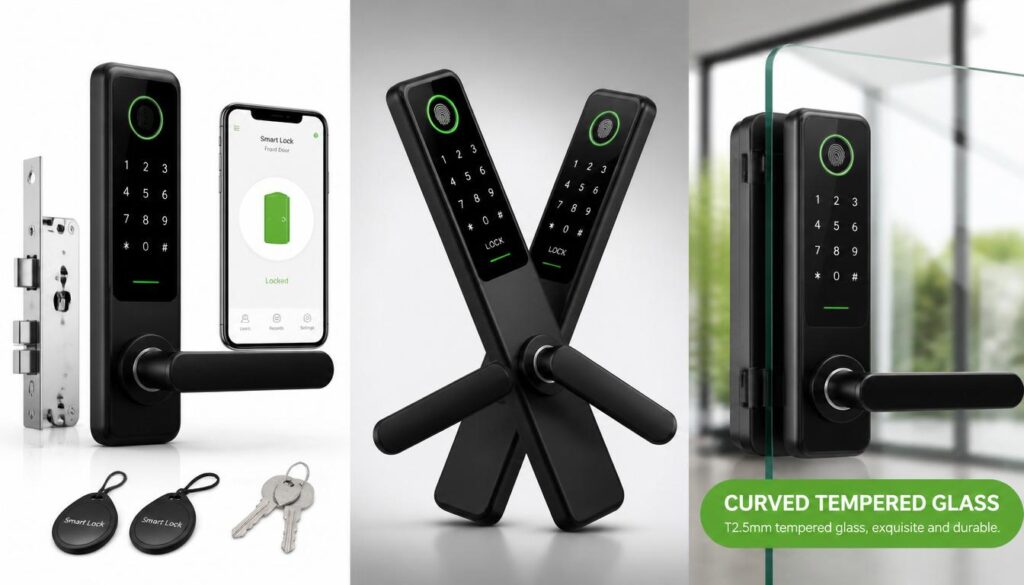
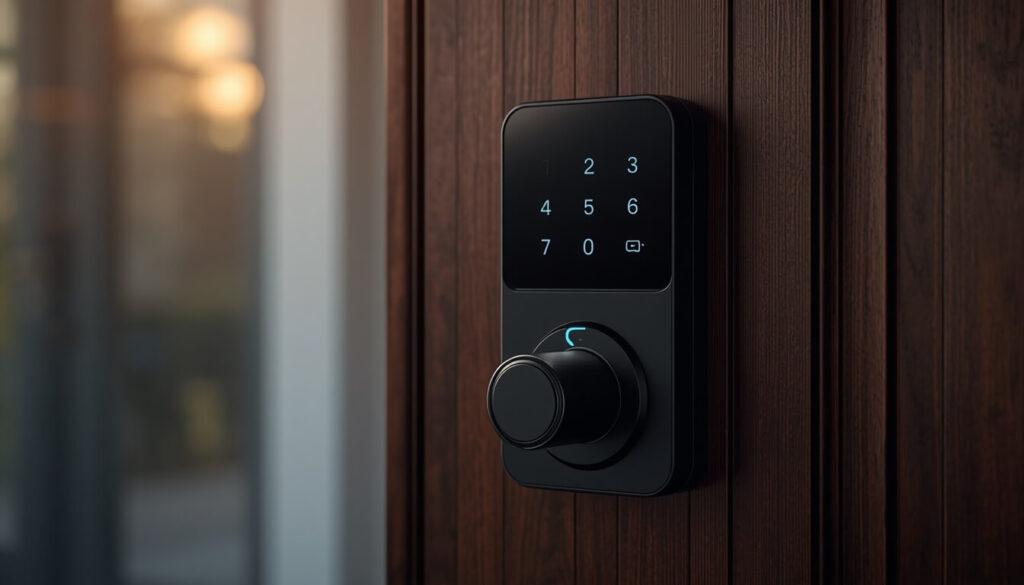
Stepping up to your front door with your hands full of groceries, only to realize your keys are buried at the bottom of a heavy bag, is a universal frustration. It is moments like these when traditional deadbolts feel outdated. Enter smart locks: the tech upgrade promising keyless entry, remote access, and seamless integration with your smart home ecosystem.
Yet, convenience often comes with hesitation. Homeowners frequently ask a fundamental question: Are smart locks worth it, or are they just an expensive gadget waiting to glitch?
Drawing from modern security principles and practical home defense insights, this comprehensive guide breaks down everything you need to know to decide if a smart lock belongs on your front door.
Table of Contents
1. Understanding Smart Locks: How They Work and What Types Exist
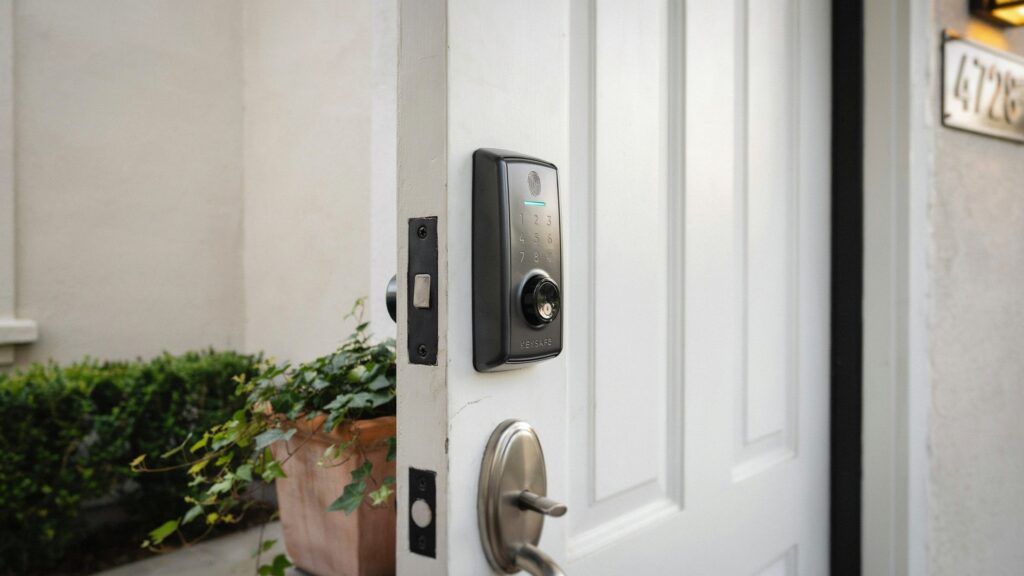
A smart lock is an electromechanical lock designed to lock and unlock a door when it receives instructions from an authorized device using a wireless protocol—such as Wi-Fi, Bluetooth, Z-Wave, or Zigbee.
Unlike traditional locks that rely strictly on physical serrated keys, modern electronic security hardware offers multiple authentication methods:
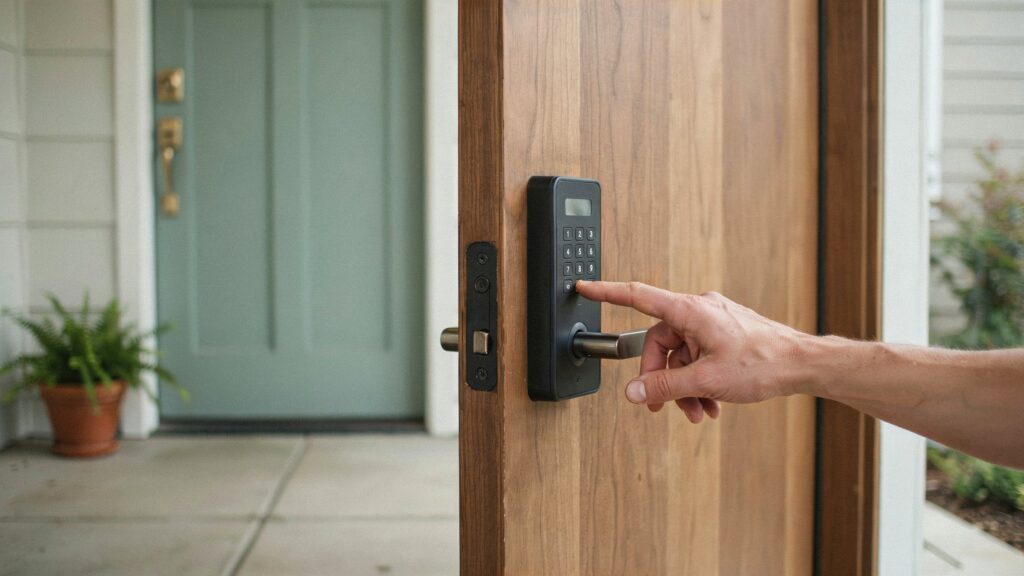
- Keypad Entry: Entering a secure PIN code (if you ever encounter electronic lockout issues, you can refer to this guide on how to open electronic door lock with code no key).
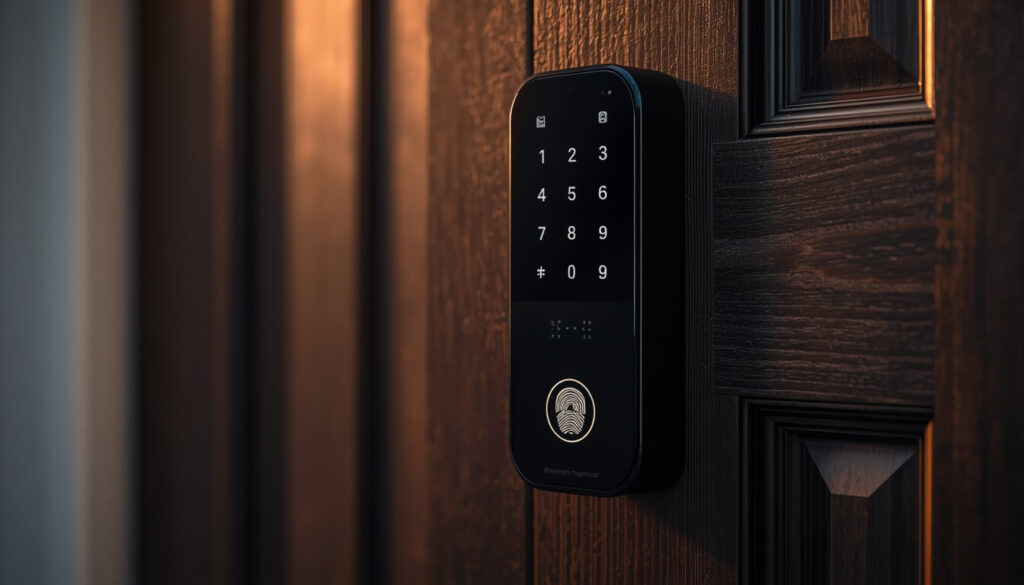
- Biometric Scanning: Utilizing built-in fingerprint sensors for instant recognition (if you choose this variant, you can follow this step-by-step DIY tutorial on how to install fingerprint door lock).
- Smartphone Proximity: Unlocking automatically via Bluetooth when your phone approaches the door.
- Voice Assistants: Integrating with platforms like Amazon Alexa, Google Assistant, or Apple HomeKit.
- Physical Backup: Most reputable models still retain a concealed keyway for mechanical key override in emergencies.
2. The Core Benefits: Why Homeowners Upgrade
Investing in a smart lock offers distinct advantages that go beyond simple convenience, directly impacting daily lifestyle and baseline security management.
Unmatched Daily Convenience
The most immediate benefit is the elimination of physical keys. You no longer need to hide a spare key under the doormat—a notoriously weak security practice known to burglars. Whether you are letting in a dog walker, a house cleaner, or family members, you can issue temporary or scheduled digital access codes from anywhere in the world.
Real-Time Monitoring and Access Logs
Smart locks provide a digital audit trail. Through companion smartphone apps, you can check whether your door is locked while you are miles away at work or halfway across the globe on vacation. You receive instant notifications whenever someone unlocks the door, giving you complete visibility over who enters and leaves your home.
Automated Security Routines
No more second-guessing whether you locked the front door before going to bed. Most smart locks can be programmed to auto-lock after a specific timeframe or integrate with geofencing technology to secure your home the moment your smartphone leaves the premises.
3. The Hidden Drawdowns: Potential Risks and Challenges
While the technology is compelling, a balanced evaluation requires looking closely at the drawbacks.
Battery Dependency and Power Failures
Smart locks run on batteries—typically AA or rechargeable lithium-ion packs. While batteries usually last between six months to a year depending on usage and Wi-Fi connectivity, they will eventually die. Most locks feature low-battery warnings and emergency jump-start terminals (using a 9V battery from the outside), but a dead battery can still cause temporary lockout stress if ignored.
Vulnerability to Digital Exploitation
Because these devices connect to wireless networks, cybersecurity is a valid concern. Poorly encrypted smart home devices can theoretically be targeted by sophisticated hackers. However, reputable brands utilize robust, bank-level encryption protocols (such as AES 128-bit or higher) and two-factor authentication to neutralize these risks.
Mechanical Reliability vs. Electronics
A lock is first and foremost a piece of physical hardware designed to withstand physical force. Some retrofit smart locks (which attach to your existing interior deadbolt) can experience mechanical wear or alignment friction over time, especially during extreme temperature shifts that cause wooden door frames to expand or contract. If physical components ever jam or stick due to alignment issues, you can check these practical fixes on what to do when door latch is stuck closed. Furthermore, if you are mounting digital security hardware on exterior entries exposed to harsh outdoor weather changes, it is wise to review a weatherproof smart lock for outdoor gate buyer guide to prevent long-term mechanical failure.
4. Are Smart Locks More Secure Than Traditional Deadbolts?
From a physical security standpoint, a lock’s resistance to forced entry (such as kicking, drilling, or lock-picking) depends primarily on the quality of its deadbolt cylinder and strike plate, not whether it has a digital keypad.
However, smart locks actually eliminate some of the most common human vulnerabilities that compromise traditional security:
- No Lost Keys: You cannot lose or drop a digital code, meaning unauthorized finders cannot trace it back to your physical address.
- Controlled Access: Traditional keys can be easily copied by unauthorized individuals if left unattended for even a few minutes. Digital keys and PINs prevent this entirely.
- Instant Revocation: If a contractor or guest no longer needs access, their digital permission can be revoked instantly with a single tap on your phone.
5. Cost Analysis: Upfront Investment vs. Long-Term Value
When evaluating whether smart locks are worth the money, you have to look at price points and what you are paying for:
- Entry-Level Models ($100 – $150): Typically feature Bluetooth connectivity and a keypad. Great for basic keyless entry, but often require an additional bridge accessory for remote Wi-Fi access.
- Mid-to-High-End Models ($200 – $350): Feature built-in Wi-Fi, robust fingerprint scanners, sleek design aesthetics, and integration with advanced smart home hubs.
The Verdict on Value: If you frequently manage visitors, have children prone to losing keys, or value remote home monitoring, the time saved and peace of mind easily justify the upfront cost. If you live alone, rarely have guests, and are comfortable managing traditional keys, a smart lock may feel like an unnecessary luxury—though pairing it with alternative physical upgrades like a weatherproof smart lock for outdoor gate or setting up automated entry codes ensures you can always secure property perimeters effectively.
6. How to Choose the Right Smart Lock for Your Home
If you decide that a smart lock is worth the investment, keep these criteria in mind before making a purchase:
- Retrofit vs. Replacement: Decide whether you want to keep your existing exterior keyhole (retrofit models like August or Level bolt) or replace the entire deadbolt assembly (all-in-one smart locks like Schlage Encode or Yale Assure).
- Connectivity Preferences: Bluetooth-only locks conserve battery life better but require you to be near the door to operate them. Wi-Fi-enabled locks drain batteries slightly faster but allow remote operation without extra hubs.
- Weather Resistance & Structural Integrity: If your front door is exposed to direct rain, snow, or intense sunlight, ensure the lock has a high IP (Ingress Protection) rating for outdoor durability. To understand how mechanical hardware tolerances, frame alignments, and hardware grade standards impact long-term entryway safety, you can review this expert guide on residential door security standards and hardware selection.
Conclusion
Are smart locks worth it? For the vast majority of modern homeowners, absolutely. They bridge the gap between physical security and digital convenience, eliminating the anxiety of lost keys while offering total control over home access. By choosing a reliable, well-reviewed brand with strong encryption and solid physical build quality, a smart lock transforms your front door into an intelligent, responsive guardian for your home.
FAQs
1. What are the downsides of smart locks?
The main downsides include battery dependency (requiring periodic replacements or emergency jump-starts), higher upfront costs compared to standard deadbolts, potential mechanical friction from temperature shifts, and cybersecurity vulnerabilities if using unencrypted Wi-Fi protocols.
2. How secure are smart locks really?
Their physical security depends entirely on the deadbolt cylinder and strike plate quality. While they are just as physically sturdy as traditional locks, they actually eliminate common human errors—such as lost keys or easily copied physical duplicates—by using encrypted digital access codes.
3. What happens to smart locks when power goes out?
Most smart locks run on internal batteries (AA or lithium-ion packs), meaning a household power outage will not affect them. If the lock relies on a home Wi-Fi network and your router loses power, local features like Bluetooth unlocking and physical PIN code entry on the keypad will still function normally.
4. What locks do police recommend?
Law enforcement and security experts generally recommend ANSI Grade 1 deadbolts (the highest residential security rating) featuring solid brass or hardened steel bolts with a minimum 1-inch throw, paired with reinforced heavy-duty strike plates and 3-inch anchor screws.
5. Should you leave a key in the door at night?
No, leaving a traditional key inserted in the inner keyhole is generally discouraged. If the lock has a double-cylinder mechanism, it can prevent quick emergency exits during a fire. Furthermore, if you have glass panels near your door, intruders can potentially turn the key from the outside using specialized tools.
6. Which type of lock is most secure?
ANSI Grade 1 deadbolts combined with robust keyless electronic or smart locks offer the highest security balance. For maximum physical defense against forced entry, standalone mechanical deadbolts without exterior wireless transceivers are technically immune to remote digital exploits, though smart locks offer superior access control tracking.
About the Author: M Bilal
M Bilal is a professional criminologist and security technology researcher dedicated to evaluating modern smart home devices through a practical lens of crime prevention and risk mitigation. Combining rigorous field insights with everyday usability standards, his work helps homeowners separate marketing hype from genuine home defense value, ensuring every security recommendation on CrimTechHub prioritizes your family’s safety and peace of mind.