Introduction
A sliding glass door that only locks with a flimsy latch is basically an open invitation, and most homeowners don’t realize it until something feels off at 2 a.m. Standard deadbolts rarely fit these doors properly, which is exactly why smart locks for sliding glass doors have become a practical fix instead of a luxury upgrade. This guide compares five real options — different door types, budgets, and installation needs — so you can pick the one that actually fits your situation.
Table of Contents
| Image | Product | Details | Price |
|---|---|---|---|
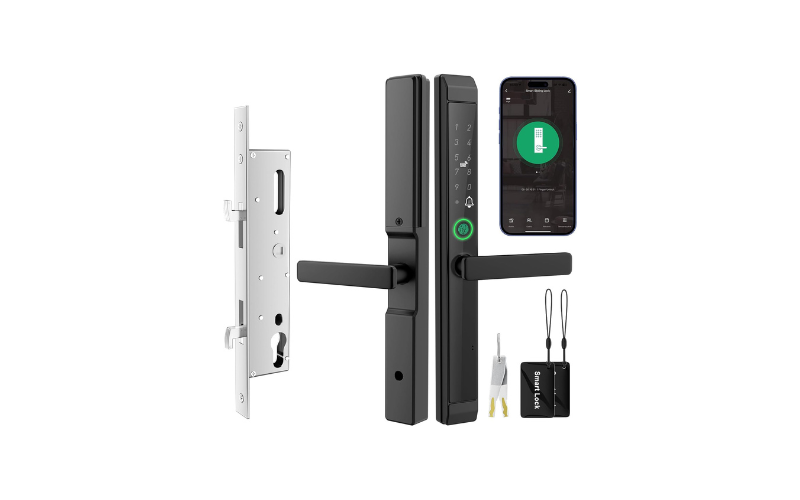 | JNZCH Smart Mortise Lock for Sliding Glass Doors | A fingerprint-enabled lock built specifically for slim aluminum and glass patio doors, solving a fit problem most smart locks aren’t designed to handle. | Check Price |
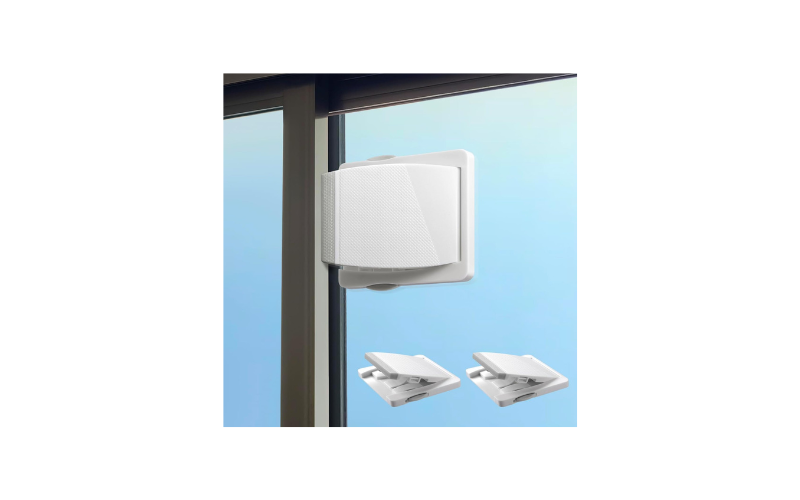 | ZRFCXE Adhesive Sliding Door Lock | A no-drill, adhesive-mounted lock built for renters who need real sliding door security without modifying the frame. | Check Price |
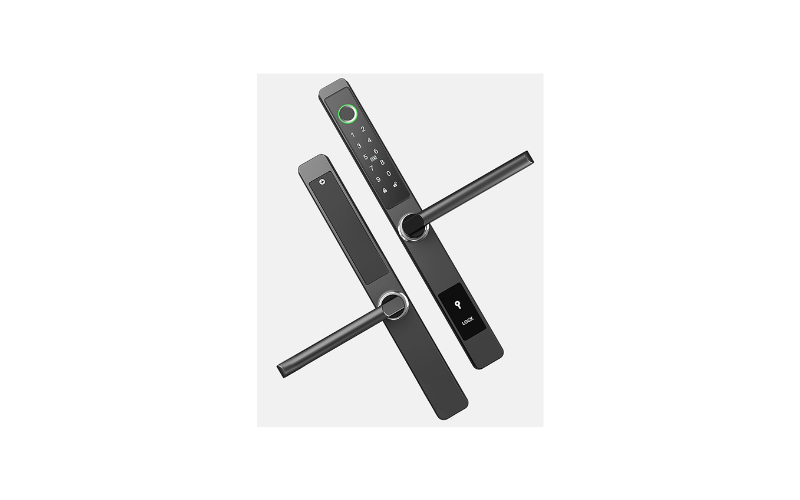 | Hebralytic TTLock Fingerprint Lock for Narrow Metal-Framed Glass Doors | A narrow mortise smart lock with bank-grade encryption, built specifically for metal-framed glass doors that standard locks can’t fit. | Check Price |
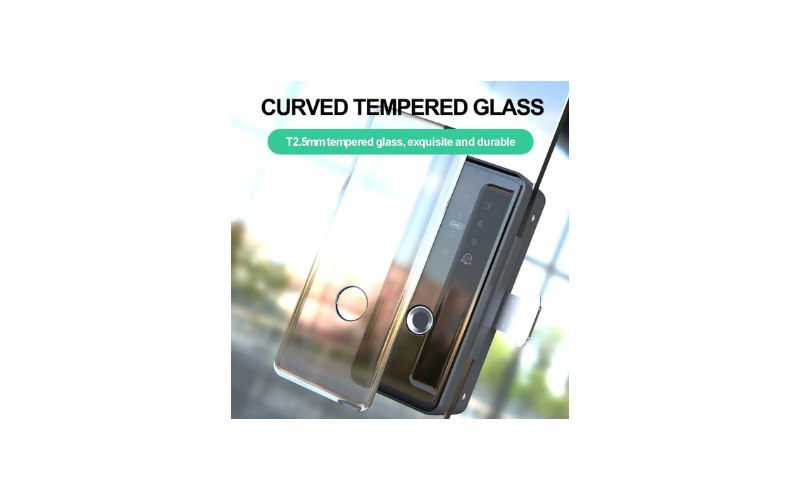 | Sophies Smart Lock for Frameless Glass Sliding Doors | A no-drill smart lock built specifically for frameless glass doors, using a clamp-based latch instead of frame mounting. | Check Price |
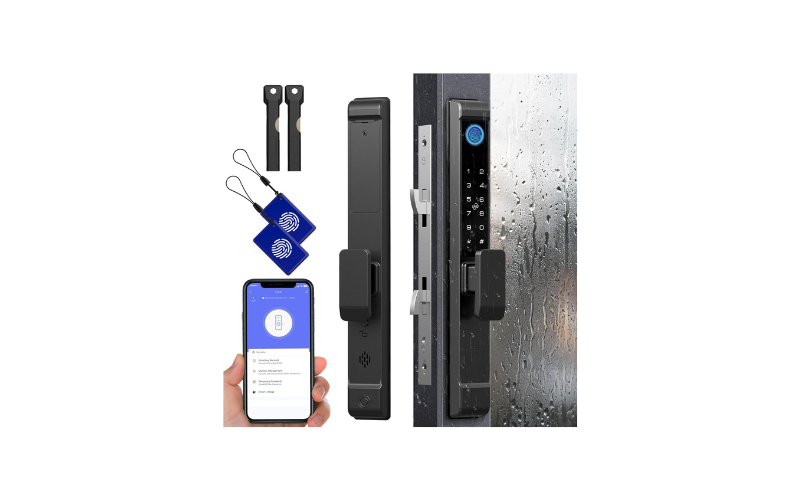 | Eseesmart Sliding Glass Door Lock with Handle | A high-capacity smart lock built for large households, supporting up to 300 users with the widest door-fit range in this roundup. | Check Price |
Quick Verdict Table
| Product | Best For | Standout Feature |
| JNZCH Smart Mortise Lock | Slim/older sliding doors that won’t fit a standard deadbolt | Trimmable spindle fits 1-3/16″ to 2-3/16″ door thickness |
| ZRFCXE Adhesive Sliding Door Lock | Renters needing a no-drill install | 3M adhesive mount, zero tools or drilling required |
| Hebralytic TTLock Fingerprint Lock | Narrow metal-framed glass doors needing office-grade security | Financial-grade encryption chip, rare at consumer level |
| Sophies Smart Lock for Frameless Glass Doors | Frameless glass doors where drilling isn’t possible | No-drill double hook latch clamp system |
| Eseesmart Sliding Glass Door Lock | Large households needing multi-user access | Supports up to 300 users, widest door-fit range (22-120mm) |
1.JNZCH Smart Mortise Lock for Sliding Glass Doors
Patio doors are usually the weakest point in a home’s perimeter, and most owners only notice it after checking whether the door actually locks properly. Anyone dealing with a sliding glass door that’s too slim, too old, or too oddly shaped for a standard deadbolt runs into the same problem — most smart locks simply aren’t built for that door profile. This is where a fingerprint-enabled sliding door lock made specifically for aluminum-frame and glass patio doors earns its place, especially for households trying to close that access gap without replacing the whole door assembly.
Key Features
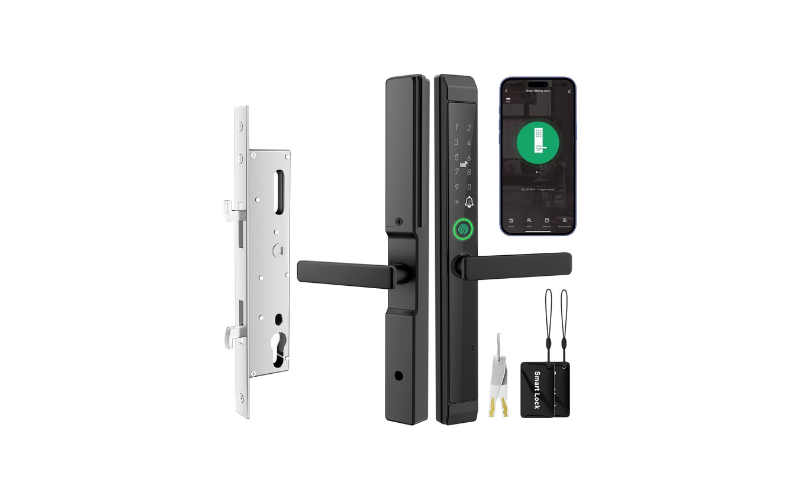
- Built for slim door frames: Fits doors between 1-3/16″ and 2-3/16″ thick, with a trimmable spindle starting at 3-5/32″ — covers most aluminum patio and sliding glass doors that standard deadbolts can’t accommodate.
- Fingerprint access in under two seconds: The scanner glows green on a successful read and red on failure, so there’s no guessing whether the door actually locked.
- Four ways to get in: Fingerprint, IC card, app, or a physical key — useful on days the battery is low or a family member’s fingerprint isn’t registering well.
- Remote control through the TUYA app: Lets you unlock from another room or city, issue a 5-minute one-time code for a delivery, or pull up an entry log to see exactly when the door was opened.
- Peep-proof PIN entry: Random digits can be added before or after the real code, so anyone watching the keypad can’t memorize the actual sequence.
- Runs on 4 AA batteries for roughly 6 months, with about 200 extra uses after the low-battery warning and a USB-C backup port for emergencies.
- IP65-rated housing built to handle outdoor exposure on a patio door, rated for -13°F to 131°F.
Pros
- Fits door thicknesses many other smart locks skip entirely, since it’s designed around sliding/patio frames rather than standard interior doors
- Four unlock methods reduce the odds of getting locked out
- Peep-proof PIN and one-time codes add a layer of privacy most basic locks don’t offer
- Reasonable battery runtime with a clear low-battery warning window
Cons
- Requires a 2.4 GHz Wi-Fi connection for setup — homes running only 5 GHz networks will need to adjust router settings first, which isn’t obvious for non-technical users
- Spindle needs manual trimming to match exact door thickness, so installation takes more care than a plug-and-play lock
- Default PIN (123456) must be changed manually right after setup, or the peep-proof feature does little on its own
Why We Recommend It
For patio and sliding glass doors specifically, most smart lock options are really just repackaged front-door deadbolts that don’t fit the frame. This one is built around that exact limitation — the trimmable spindle and slim thickness range solve a fitting problem rather than just adding smart features to a standard lock body. It’s not the easiest lock to install compared to tap-and-go models, and the Wi-Fi setup step adds friction for less tech-savvy users (if you’re wondering whether a non-Wi-Fi option might suit you better, see our guide on how smart locks work without Wi-Fi), but for anyone whose sliding door genuinely can’t take a normal deadbolt, that trade-off is a fair one.
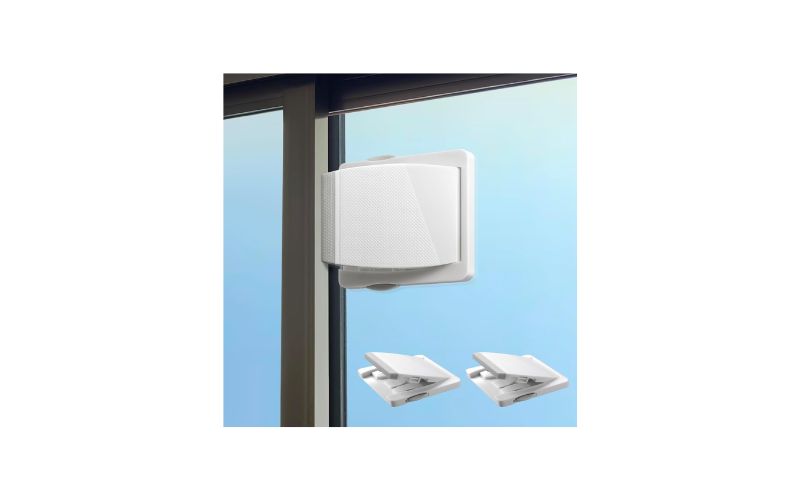
2.ZRFCXE Adhesive Sliding Door Lock (2 Pack)
Renters and apartment dwellers often face the same dilemma — a sliding door or window that needs a real child safety lock, but no permission to drill into the frame. This small adhesive-mounted sliding door lock solves that exact problem, sticking directly onto the track without tools or damage deposits at risk.
Key Features
- No-drill 3M adhesive mount — sticks in place after a 24-hour cure, no tools or drilling needed, ideal for rentals
- Requires a minimum 0.46-inch door clearance to function, so measuring the gap first is essential before buying
- Dual side-button release — both sides must be pressed simultaneously to open, which keeps toddlers and pets from unlocking it by accident
- Works across multiple door types: sliding windows, closets, cabinets, and patio doors, not just glass doors
- Sold in multi-packs (2, 4, or 6), so one order covers several doors or windows in the same home
Pros
- Genuinely tool-free setup, done in minutes, no landlord approval needed
- Affordable enough to lock multiple doors/windows without a big investment
- Dual-button design adds a real barrier against small children
Cons
- Needs a full 24 hours to reach full adhesive strength, so it’s not instantly load-bearing
- Won’t work at all if the door clearance is under 0.46 inches — a real limitation for narrower tracks
- Adhesive-only mounting means it’s less rugged long-term than a screwed-in mechanical lock
Why We Recommend It
For renters specifically, this lock solves a problem that most sliding door locks don’t even address — installation without permanent modification. It won’t match the strength of a mortise or deadbolt system, and the adhesive cure time means it’s not an instant fix, but for anyone needing a fast, damage-free way to secure a sliding door or window, that trade-off makes sense (pairing it with a door/window sensor adds an extra layer of monitoring without any drilling either).
3.Hebralytic TTLock Fingerprint Lock for Narrow Metal-Framed Glass Doors
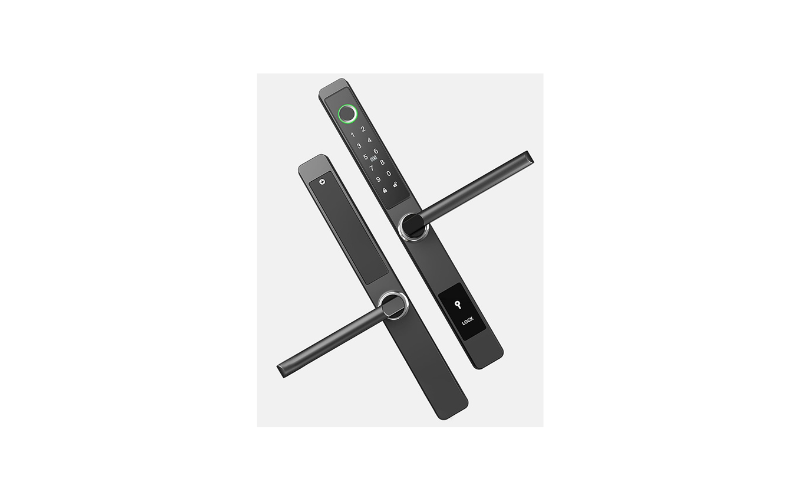
Metal-framed glass doors — common in modern home offices, sunrooms, and commercial-style entries — are notoriously hard to secure with a standard bulky lock. This narrow mortise lock is built specifically for that frame profile, pairing fingerprint access with encryption-grade security more commonly seen in commercial settings than home hardware.
Key Features
- Bio semiconductor fingerprint sensor reads prints in roughly one second and is built to resist fake-fingerprint spoofing attempts, a growing concern as attackers use materials like silicone or gelatin to replicate fingerprints
- Financial-grade encryption chip secures data transmission, a level of protection typically found in banking hardware rather than home locks
- Virtual password entry — extra digits can be added before or after the real code, so someone watching won’t know where the real PIN starts or ends
- Mechanical key or power bank backup for dead-battery situations, so you’re never fully locked out
- One-piece aluminum alloy body built for narrow metal door frames specifically, not adapted from a wider residential design
- Available in long/short and black/silver variants, allowing a closer match to different narrow-frame door dimensions
Pros
- Encryption-grade security chip is a genuine step above typical consumer smart locks
- Fits narrow metal-framed doors that standard mortise locks can’t accommodate
- Multiple backup unlock methods prevent complete lockout scenarios
Cons
- Noticeably higher price point than adhesive or standard residential sliding locks, which won’t suit every budget
- Narrow-frame design means it’s not a fit for wider or non-metal sliding doors
- No star rating or review history listed yet, so real-world long-term durability feedback is limited
Why We Recommend It
For narrow metal-framed glass doors specifically — the kind found in modern sunrooms or office-style entries — most residential locks simply don’t fit the frame width. This one is built around that constraint, and the financial-grade chip adds a security tier that’s genuinely uncommon at the consumer level. The trade-off is cost and a lack of established review history, but for anyone with this specific door type wanting serious access control, it’s a reasonable fit.
4.Sophies Smart Lock for Frameless Glass Sliding Doors
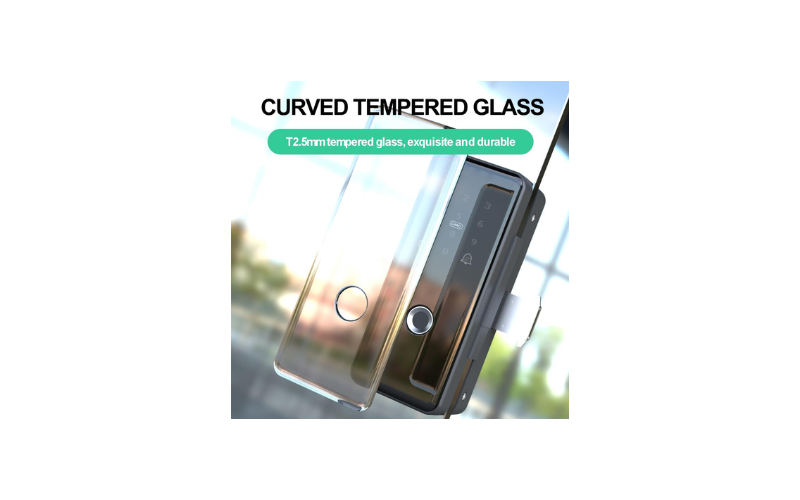
Frameless glass doors look great in modern homes, but they create a real headache when it comes to smart locks for sliding glass doors — most models need a frame to mount into, and drilling into tempered glass simply isn’t an option. This lock solves that exact problem with a clamp-based, no-drill design built for frameless setups specifically.
Key Features
- No-drill installation using a double hook latch clamp, designed for door thickness between 10-12mm (down to 8mm with minor gaps)
- Fingerprint unlock in about 0.3 seconds, with storage for up to 100 fingerprints, useful for larger households or shared spaces
- Auto-lock timer adjustable from 3 to 900 seconds, so the door can be set to lock itself moments after closing
- Built-in Wi-Fi with no extra hub needed, controlled directly through the Tuya smart home platform, a widely used ecosystem for connected home devices, for remote locking and access logs
- Five entry methods: fingerprint, password, card, app, or physical key backup, covering most lockout scenarios
- Supports both left- and right-opening doors, so one lock design fits either swing direction
Pros
- Genuinely drill-free, which matters for tempered glass where drilling risks cracking the door
- Fast fingerprint recognition keeps daily use quick and low-friction
- Direct Wi-Fi connection skips the need for a separate smart home hub
Cons
- Only fits frameless glass doors within a specific 10-12mm thickness range, so measuring beforehand is non-negotiable
- Clamp-based mounting on glass means it’s less rigid overall than a lock anchored into a solid frame
- No customer rating history available yet, so long-term reliability isn’t well documented
Why We Recommend It
For frameless glass doors specifically, drilling usually isn’t safe or even possible, and that’s the exact gap this lock fills. The hook latch clamp system trades some of the rigidity of a frame-mounted lock for the ability to install without damaging the glass at all. That’s a fair trade for anyone with a frameless setup, though the thickness restriction means it won’t work for every door — if you’re unsure whether frameless or framed hardware suits your setup better, our smart locks category guide breaks down the difference in more depth.
5.Eseesmart Sliding Glass Door Lock with Handle
Bigger households come with a bigger access problem — kids, parents, and sometimes roommates all need their own reliable way in, without passing around a single spare key. This sliding glass door lock is built around that exact need, supporting up to 300 individual users while still covering the everyday patio and sliding door security basics.
Key Features
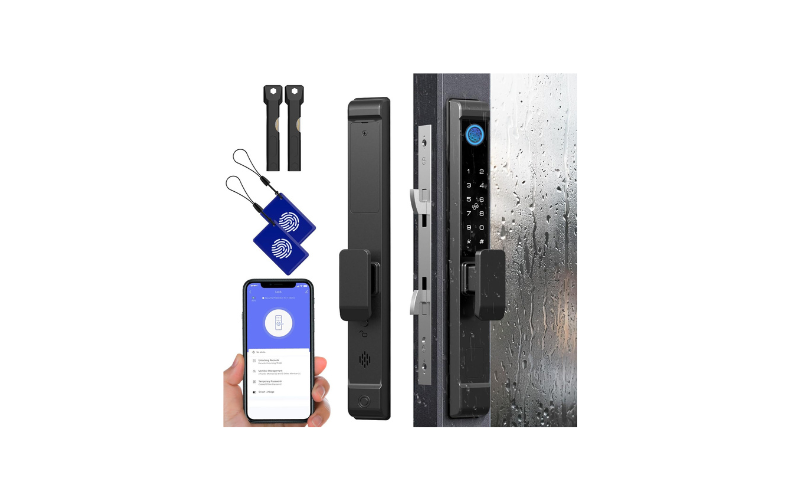
- Supports up to 300 users across fingerprint, passcode, RFID card, or app access, useful for large families or multi-tenant setups
- Fits door thicknesses from 22mm to 120mm (roughly 13/16″ to 4-3/4″), the widest range in this lineup, covering most sliding, patio, and aluminum doors
- Reversible handle design works on both left- and right-opening doors without needing a separate model
- 8-month battery life with low-power warnings and power bank backup support for emergencies
- Rated for 15,000 lock/unlock cycles and tested to withstand 250 lbs of force, built for frequent daily use rather than occasional access
- IP65 waterproof rating, functional from -13°F to 149°F, suited to outdoor patio exposure year-round
Pros
- Highest user capacity in this roundup, genuinely useful for large families or shared households
- Widest door-thickness compatibility, reducing the guesswork of whether it’ll fit
- Backed by a 24-month warranty and 12-month replacement/refund window, longer than typical for this category
Cons
- Comes with only 2 RFID cards and 2 mechanical keys included, so larger households will need to buy extras separately for full multi-user setup
- Bulkier handle-style design compared to slimmer mortise-only locks, which may not suit minimalist door aesthetics
- Rated 4.3 stars from a relatively small review count, so broader long-term feedback is still limited
Why We Recommend It
For households with several people needing independent access — kids, parents, or roommates — the 300-user capacity and wide thickness compatibility solve a real coordination problem that smaller-capacity locks don’t address. It’s bulkier than some alternatives and doesn’t ship with enough cards for a large family out of the box, but for shared households prioritizing durability and multi-user access over a sleek profile, it’s a sound fit (if managing multiple users is the priority, check out our guide on how smart locks work without Wi-Fi for another angle on reliable multi-person access).
How to Choose the Best Smart Locks for Sliding Glass Doors
Picking the right sliding door lock comes down to matching the hardware to your actual door, not just chasing extra features. A few core factors decide whether a lock will work well long-term.
Door Thickness and Frame Type
Sliding glass doors vary a lot in thickness and frame material, from slim aluminum tracks to frameless tempered glass. Measure your door’s exact clearance before buying, since a lock built for one frame type often won’t fit another.
Installation Method
Some locks mount with screws into the frame, while others use adhesive or clamp systems for frameless setups. Renters or anyone avoiding permanent changes should lean toward no-drill options, while homeowners may prefer a more secure, hardware-mounted install.
Unlock Methods and User Capacity
Think about how many people need access and how they’ll prefer to unlock the door. Fingerprint, keypad, app, and card options each suit different households, and higher user limits matter more for larger families or shared spaces.
Weather Resistance
Since sliding doors often lead outside, look for a weatherproof rating and a reasonable operating temperature range, especially in regions with harsh summers or winters.
Power Backup Options
Battery-powered locks should offer a backup method, like a mechanical key or power bank port, so a dead battery never means a locked-out household.
FAQs
Can I put a smart lock on a sliding glass door?
Yes — several smart locks are built specifically for sliding glass doors, using mortise, adhesive, or frameless clamp designs depending on your door’s frame type.
What is the best lock for a sliding glass door?
The best option depends on your door — frameless glass, narrow metal frames, and standard aluminum tracks each need a different lock design to fit properly.
What are the downsides of smart locks?
Smart locks rely on batteries and Wi-Fi setup, so a dead battery or router issue can occasionally disrupt access if there’s no backup unlock method.
Can you put a keyless entry on a sliding glass door?
Yes, keyless entry systems using fingerprint, keypad, or app control are available for sliding doors, though door thickness and frame type affect which model fits.
How to add extra security to a sliding glass door?
Pairing a smart lock with a secondary bar or pin lock adds a physical backup layer, especially useful for ground-floor patio doors.
What are the disadvantages of keyless door locks?
Keyless locks can be harder to install than traditional ones and typically cost more upfront, though battery backups usually prevent full lockouts.
Conclusion
Choosing the right lock really comes down to your door’s specific setup — frame type, thickness, and how many people need access all matter more than brand names or price tags. Once matched correctly, these locks turn a weak point in the home into a genuinely secure entry, without complicating daily use. A sliding door doesn’t have to be the easiest way in for anyone but you.
Affiliate Disclosure
This post contains affiliate links. If you purchase through them, we may earn a small commission at no extra cost to you. We only recommend products we’ve researched and believe add real value for securing sliding glass doors.
This review is built on a systematic evaluation process rather than a single-use impression — cross-referencing verified product specifications, manufacturer documentation, and real buyer feedback patterns across each listing. As a criminology graduate with a research background in physical security and burglar-deterrence principles, [author name] applies that foundation to assess how each lock’s design actually holds up against real-world entry risks, not just its marketed features. Every product here was chosen and compared against that same standard: does it solve a genuine security gap, and does the evidence support the claim.