
Introduction
Home security today is not just a convenience—it’s something every household should seriously consider. With decades of experience in the security field, it’s clear that a well-designed system does more than just protect your home and belongings. It also brings a sense of confidence, can help reduce insurance costs, and supports a safer, more secure way of living.
In today’s world, crime rates, burglary attempts, and accidental hazards like fire or carbon monoxide leaks have become more common. A secure home is one where you can feel safe, confident, and prepared for emergencies. This is why understanding why home security matters is the first step toward safeguarding your loved ones.
A comprehensive home security system demonstrates why home security matters, acting as a deterrent for burglars, reducing property loss, and ensuring prompt emergency responses. Modern systems combine smart technology, alarms, cameras, sensors, and monitoring services to provide multiple layers of protection.
Moreover, home security is not limited to preventing theft. Modern systems protect against fire hazards, gas leaks, and even health emergencies, making them a critical part of a safe living environment. Investing in a reliable system ensures long-term protection, peace of mind, and an enhanced sense of well-being.
From a practical standpoint, studies show that homes with security systems are 60% less likely to be targeted by burglars. Moreover, many insurance companies offer discounts for monitored systems, which adds financial value alongside safety benefits.
In the end, the importance of home security isn’t just about installing devices—it’s about building a space where you and your family feel truly safe. When the right mix of modern technology, reliable monitoring, and thoughtful planning comes together, your home becomes far better protected against unexpected risks.
Table of Contents
Key Features of a Home Security System
A modern home security system is more than just alarms and cameras—it is a comprehensive network of devices and services designed to protect your family, property, and peace of mind. Drawing on decades of experience in residential security, here are the most critical features you should look for in any top-tier system.
1. 24/7 Professional Monitoring
One of the most important aspects of a reliable security system is continuous professional monitoring.
- How it works: Sensors, cameras, and alarms are connected to a monitoring center. If a threat is detected—be it a break-in, fire, or gas leak—the monitoring team is instantly notified.
- Immediate response: The team can contact you, alert local authorities, or dispatch emergency services as needed.
- Benefits: 24/7 monitoring ensures that your home is protected even when you are asleep, at work, or traveling.
Example: A smoke detector triggers in the middle of the night due to a kitchen fire. The monitoring center immediately contacts you and alerts the fire department, showing why home security matters by minimizing damage and keeping your family safe.
Expert Tip: Always choose a system with redundant monitoring, meaning it uses multiple communication channels (cellular + internet) to ensure alerts are never missed.
2. Surveillance Cameras
Cameras are the eyes of your security system, providing both deterrence and documentation.
- Types and features: Modern cameras include HD video, night vision, motion detection, cloud storage, and some even include AI-based object recognition to detect unusual behavior.
- Strategic placement: Cameras should cover all entry points, driveways, garages, backyards, and blind spots. Doorbell cameras can monitor deliveries, while outdoor cameras oversee vehicle movements.
- Benefits: Surveillance footage can be used as evidence in case of burglary, insurance claims, or legal disputes.
Example Scenario: Returning home from vacation, your app alerts you to motion near a side window. Reviewing the camera feed shows it’s just a stray cat—not an intruder—highlighting why home security matters by preventing unnecessary panic and emergency calls.
Expert Tip: Avoid placing cameras in direct sunlight or near reflective surfaces, as it can reduce visibility. Ensure cameras are weatherproof and positioned high enough to prevent tampering.
3. Alarm Systems
Alarms are the first line of defense in deterring intruders.
- Loud sirens: Triggered alarms draw attention, alert neighbors, and often scare off burglars before they can act.
- Sensors: Door and window sensors detect unauthorized entry immediately. Motion detectors track movement inside the home.
- Panic buttons: Family members can manually trigger alarms during emergencies, whether it’s a break-in, medical emergency, or fire.
Example: A motion sensor triggers while an intruder tries to enter the living room. The alarm sounds loudly, and the intruder flees before accessing valuables.
Expert Tip: Test alarms regularly to ensure proper volume, sensitivity, and connectivity with the monitoring center.
4. Smart Home Integration
Modern security systems can be seamlessly integrated with smart home devices, allowing homeowners to manage security remotely.
- Smart locks: Lock or unlock doors from anywhere, and track who enters or exits your home.
- Lighting systems: Program lights to turn on/off automatically, simulating occupancy when you’re away.
- Thermostats and appliances: Integrate for convenience while maintaining security.
Benefit: Smart home integration adds convenience without compromising safety, particularly for frequent travelers or tech-savvy households.
Example: Realizing you left your garage open? This is a perfect example of why home security matters, as you can remotely lock it and keep your home secure even when you are miles away.
5. Fire and Carbon Monoxide Detection
A truly comprehensive system goes beyond burglary protection.
- Hazard sensors: Modern systems include smoke detectors, carbon monoxide sensors, and gas leak detectors.
- Early warning: These sensors can save lives by alerting you and the monitoring center before a small problem becomes a disaster.
Example: A malfunctioning furnace produces carbon monoxide. The system immediately alerts you and the monitoring center, preventing potential poisoning and providing life-saving intervention.
Expert Tip: Place detectors near bedrooms and high-risk areas like the kitchen, garage, or utility rooms for maximum coverage.
6. Mobile Alerts and Apps
Mobile apps and alerts allow real-time monitoring and control of your system.
- Features: Receive notifications for motion, door/window breaches, or environmental hazards. View live camera feeds, arm/disarm systems, and share temporary access with trusted family members.
- Benefits: Real-time information ensures you are always aware of your home’s security status, even while away.
Example Scenario: A window sensor triggers while you’re at work. You check the app, review the live camera feed, and determine it was caused by strong winds. You avoid unnecessary panic and maintain control over your property remotely.
Expert Tip: Ensure the app supports multiple devices and has encrypted communications to protect your data and privacy.
Pro Tip for Maximum Effectiveness
For optimal security, combine all features—professional monitoring, cameras, alarms, smart integrations, environmental sensors, and mobile alerts. Each element complements the others, creating layers of protection that keep your home safe from burglary, hazards, and emergencies.
Staying prepared for unexpected situations is essential, and this guide to the best self-defense weapons for real-life emergencies helps you choose the right tools to stay safe. Before carrying any device, it’s equally important to understand the law, which is why knowing whether tasers are legal in Louisiana can prevent legal trouble. For those looking for effective personal protection, this full guide to stun guns for self-defense explains how these devices work and when they can be used responsibly.
Types of Home Security Systems (Wired, Wireless, Smar)
- Wired Systems:
- Connect directly to power and monitoring services.
- Pros: Highly reliable, stable connections, less prone to interference.
- Cons: Complex installation, less flexible for future upgrades.
- Ideal for large homes or commercial properties where reliability is crucial.
- Connect directly to power and monitoring services.
- Wireless Systems:
- Use Wi-Fi or cellular networks for connectivity.
- Pros: Easy installation, scalable, flexible.
- Cons: Dependent on network strength, battery maintenance needed.
- Ideal for renters or homes where drilling wires is impractical.
- Use Wi-Fi or cellular networks for connectivity.
- Smart Home Security Systems:
- Integrate with IoT devices, voice assistants, and mobile apps.
- Pros: Remote monitoring, automation, notifications, device integration.
- Cons: Higher cost, technology learning curve.
- Ideal for tech-savvy homeowners seeking full control.
- Integrate with IoT devices, voice assistants, and mobile apps.
Comparison Example:
A wired system may be best for a suburban family seeking stable coverage, while a smart system is ideal for someone traveling frequently and wanting to monitor remotely. Wireless systems offer a middle ground of ease and efficiency.
Pros and Cons of Each Type
| System Type | Pros | Cons |
| Wired | Reliable, stable, minimal interference | High installation cost, limited flexibility |
| Wireless | Easy to install, flexible, scalable | Network-dependent, battery maintenance required |
| Smart | Remote access, automation, advanced features | Expensive, requires tech familiarity |
Real-life Example:
A family installed a smart system that alerted them of a carbon monoxide leak while they were on vacation. Immediate action saved their home from potential disaster—showing how advanced systems enhance safety beyond intrusion prevention.
How to Choose the Right Home Security System
Selecting the ideal home security system is a critical decision that impacts your family’s safety, property protection, and peace of mind. With decades of experience in residential security, I can confidently say that making the right choice requires evaluating home size, budget, lifestyle, neighborhood risks, and future scalability.
A system that works for a small apartment may not suffice for a large suburban home. Similarly, a tech-savvy traveler might need features that a basic DIY system does not provide. Here’s a detailed guide to help you choose the right system for your specific needs.
1. Home Size and Layout
The size and layout of your home determine how many devices and sensors you’ll need.
- Larger homes: Require multiple cameras, motion detectors, and door/window sensors to cover all entry points and blind spots.
- Complex layouts: Homes with multiple floors, basements, or detached garages need additional coverage to ensure every area is monitored.
- Example: A two-story house with a backyard and garage may need 8–10 cameras, 15–20 sensors, and motion detectors on all floors.
Expert Tip: Walk through your home at night to identify areas where light is poor or visibility is limited. These are the spots most vulnerable to intruders and should be prioritized for cameras or motion sensors.
2. Budget
Your budget affects the type and quality of system you can afford, but investing upfront in a quality system reduces long-term risks.
- Low-budget options: Basic DIY kits ($150–$500) offer essential protection but may lack professional monitoring or smart integrations.
- Mid-range options: $500–$1,500 for systems with professional installation, cameras, sensors, and limited smart features.
- Premium systems: $1,500+ provide full smart integration, 24/7 monitoring, environmental hazard detection, and advanced analytics.
Example: Spending an extra $300–$500 on a monitored system with smart features may prevent costly burglaries or property damage in the future, effectively paying for itself.
Expert Tip: Don’t compromise on core security features just to save money. Essential protection should always come first.
3. Lifestyle Needs
Your daily habits and lifestyle heavily influence the type of system that suits you.
- Frequent travelers: Remote monitoring via mobile apps is essential. You need real-time alerts, camera feeds, and smart lock control to manage your home from anywhere.
- Families with children or elderly members: Consider systems with panic buttons, environmental hazard sensors, and emergency notifications.
- Tech enthusiasts: Smart integrations with voice assistants, automation, and AI-based alerts enhance convenience and safety.
Example: A family traveling abroad can receive a notification of a triggered motion sensor. Using the app, they view the live feed and verify it’s a false alarm caused by a pet—avoiding unnecessary stress.
4. Neighborhood Risk Assessment
The level of security required also depends on your area’s crime statistics.
- High-crime neighborhoods: Require robust surveillance, professional monitoring, and additional motion detectors and alarms.
- Low-crime neighborhoods: Basic DIY systems may suffice, but a monitored system still provides peace of mind and deterrence.
Expert Tip: Consult local police reports or community apps to assess burglary rates and common threats. Tailor your system based on real data, not assumptions.
5. Scalability
A good home security system should grow with your needs.
- Future-proofing: Choose systems that allow adding cameras, sensors, smart locks, or additional monitoring services.
- Example: A new baby may require motion sensors in the nursery, while a newly built garage may need cameras integrated later.
- Integration flexibility: is key—choosing a system that supports both wired and wireless components shows why home security matters, as it allows seamless upgrades without needing a complete replacement.
Step-by-Step Selection Guide
Step 1: Identify critical entry points and high-risk zones
- Doors, windows, garages, and blind spots should be your priority.
Step 2: Decide between wired, wireless, or smart systems
- Wired: Stable and reliable, ideal for large homes.
- Wireless: Flexible and easy to install, suitable for renters.
- Smart: Remote access and automation for tech-savvy users.
Step 3: Compare professional vs DIY installation options
- DIY: Cost-effective and flexible but may have installation errors.
- Professional: Ensures optimal sensor placement, camera angles, and monitoring setup.
Step 4: Review monitoring services and subscription fees
- Check response time, coverage, and contract terms. Monthly fees vary between $15–$50 depending on features.
Step 5: Read customer reviews and choose reputable brands
- Look for verified reviews, awards, and independent testing results.A trusted brand usually offers better reliability and consistent long-term service.
Pro Tips for Choosing the Right System
- Prioritize coverage over brand or gadget count. A few strategically placed devices are more effective than many poorly positioned ones.
- Ensure integration with existing devices—smart lights, locks, or thermostats—for convenience and automation.
- Consider emergency response scenarios: Will the system alert authorities promptly? Can you monitor remotely during travel or emergencies?
Cost and Budget Considerations
- Basic DIY Systems: $150–$500
- Professional Installation: $500–$2,000
- Monthly Monitoring: $15–$50
- Smart Home Devices: $200–$1,000 depending on number of devices
Insurance Impact:
Many providers offer premium discounts for monitored systems, sometimes up to 20%.
Tips to Save:
- Combine DIY installation with professional monitoring.
- Choose packages that include cameras, sensors, and mobile app integration.
Installation and Maintenance Tips
1. Installation
Installing a home security system is the foundation of its effectiveness. Poor installation can leave gaps that burglars or hazards can exploit.
Key points for effective installation:
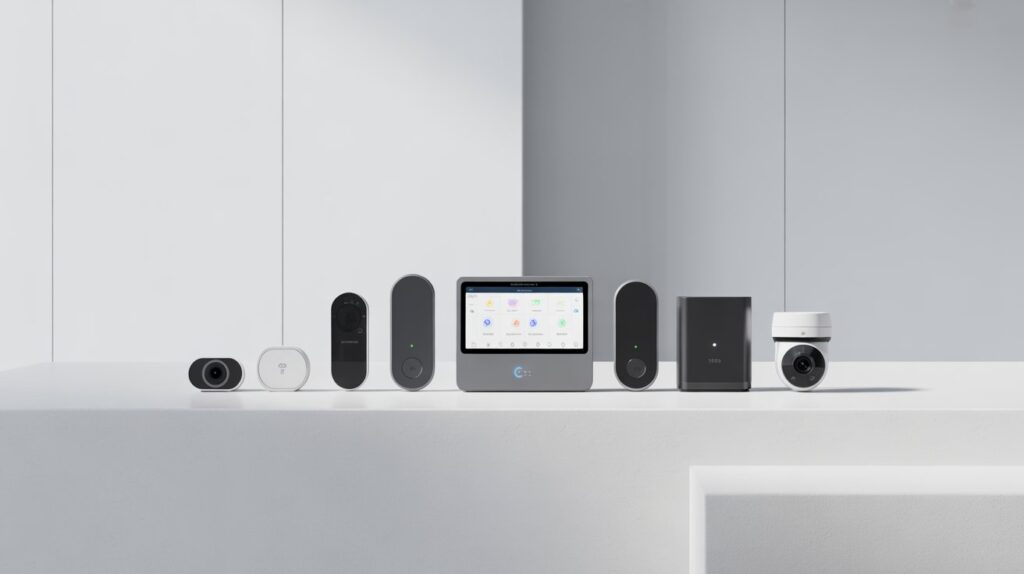
- Cameras at Entry Points:
- Place cameras at main doors, back doors, and garage entrances.
- Intruders most often attempt entry through these areas.
- Tip: Use angled views so cameras cover the door and surrounding areas, not just a straight-on shot.
- Place cameras at main doors, back doors, and garage entrances.
- Blind Spots Coverage:
- Identify areas around your home where activity might go unnoticed—like alleyways, side yards, or corners.
- Mount cameras high enough to avoid tampering but angled to capture motion.
- Identify areas around your home where activity might go unnoticed—like alleyways, side yards, or corners.
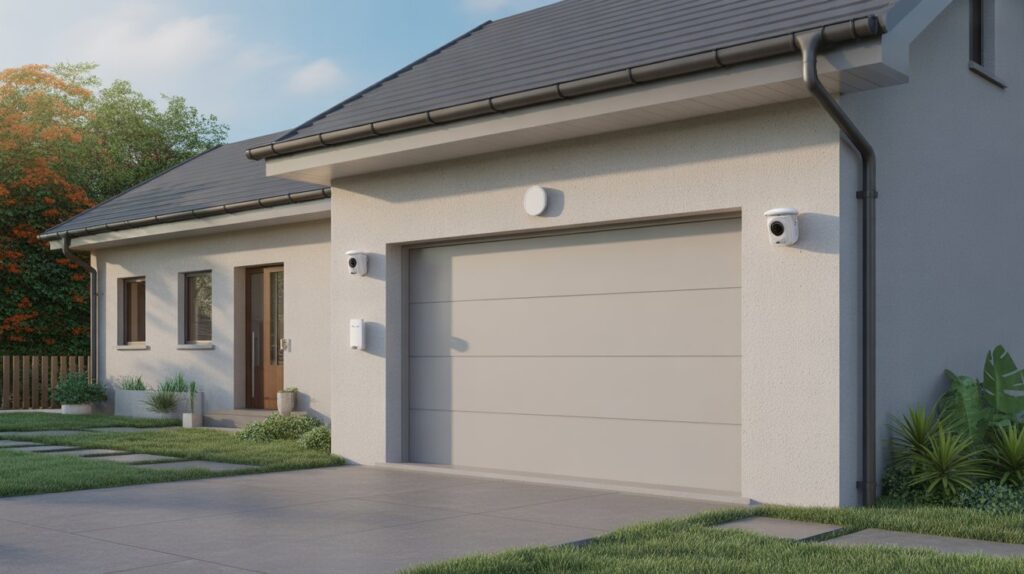
- Driveways and Outdoor Areas:
- Installing cameras in the driveway can capture approaching vehicles or strangers.
- Outdoor cameras should be weatherproof and night-vision capable for all-day monitoring.
- Installing cameras in the driveway can capture approaching vehicles or strangers.
- Sensor Placement:
- Motion sensors should be placed at a height where they detect human movement but avoid pets triggering them unnecessarily.
- Door/window sensors must align properly with the frame for accurate detection.
- Motion sensors should be placed at a height where they detect human movement but avoid pets triggering them unnecessarily.
- Locks and Doors:
- Ensure all entry points are secured before installing sensors. Sensors alone cannot replace strong locks and reinforced doors/windows.
- Ensure all entry points are secured before installing sensors. Sensors alone cannot replace strong locks and reinforced doors/windows.
Expert Tip: Before installation, mark all entry points and potential blind spots to understand why home security matters. A walk-around assessment during both day and night can uncover vulnerabilities that cameras alone might miss, ensuring comprehensive protection.
2. Maintenance
A security system is only as good as its upkeep. Regular maintenance prevents failures, false alarms, and ensures long-term reliability.
Key maintenance practices:
- Battery Checks:
- Battery-operated sensors, cameras, and alarms should be checked monthly.
- Replace batteries as soon as the system notifies low power, not just at intervals, to avoid system downtime.
- Battery-operated sensors, cameras, and alarms should be checked monthly.
- Camera Cleaning:
- Dirt, spider webs, or condensation can obstruct camera lenses, reducing video quality.
- Clean lenses gently with microfiber cloths or lens cleaning solutions.
- Dirt, spider webs, or condensation can obstruct camera lenses, reducing video quality.
- Software and Firmware Updates:
- Security systems often release firmware updates to patch vulnerabilities and improve functionality.
- Keeping your system updated helps protect it from new digital risks and security vulnerabilities.
- Security systems often release firmware updates to patch vulnerabilities and improve functionality.
- Alarm Testing:
- Test alarms at least once a month to ensure sensors trigger alerts and notifications properly.
- Simulate scenarios like opening doors or motion detection to confirm system response.
- Test alarms at least once a month to ensure sensors trigger alerts and notifications properly.
3. Monitoring
Even the best-installed system fails if alerts don’t reach you or the monitoring center.
- Mobile Notifications:
- Test that your phone or tablet receives real-time alerts.
- Enable push notifications and email alerts to cover multiple channels.
- Test that your phone or tablet receives real-time alerts.
- Professional Monitoring Services:
- If your system is professionally monitored, verify that the service receives alerts during tests.
- Ensure contact numbers are up to date in case of emergency.
- If your system is professionally monitored, verify that the service receives alerts during tests.
- Response Planning:
- Have a plan in place for responding to alerts—whether contacting authorities, neighbors, or checking via camera feed.
- Have a plan in place for responding to alerts—whether contacting authorities, neighbors, or checking via camera feed.
4. Upgrades
Technology evolves rapidly, and outdated equipment can compromise security.
- Camera Replacement:
- Upgrade cameras for higher resolution, better night vision, or wider field of view.
- Upgrade cameras for higher resolution, better night vision, or wider field of view.
- Sensor Replacement:
- Modern sensors may have better detection algorithms to reduce false alarms and detect even subtle movements.
- Modern sensors may have better detection algorithms to reduce false alarms and detect even subtle movements.
- Smart Integration:
- Add new devices like smart locks, doorbell cameras, or automated lighting for enhanced protection.
- Add new devices like smart locks, doorbell cameras, or automated lighting for enhanced protection.
Expert Tip: To understand why home security matters, schedule a review of your system every 12–18 months. Check for outdated devices, update software, and consider adding new features to keep your security setup future-proof and fully effective.
Pro Tip (Summary)
Regular maintenance, proper installation, continuous monitoring, and timely upgrades are essential for a long-lasting, reliable home security system. Neglecting any of these steps can reduce your system’s effectiveness, increase false alarms, and leave gaps in protection.
By combining expert installation, diligent maintenance, and proactive upgrades, your home remains safe from intrusions, environmental hazards, and potential technology failures—ensuring that your investment in security truly delivers peace of mind.
Conclusion
Understanding why home security matters goes far beyond simply installing cameras or alarms—it is about protecting your family, safeguarding your property, and achieving peace of mind. Over decades of experience in the security industry, I have seen how a well-thought-out, monitored, and maintained home security system transforms a home from vulnerable to resilient.
1. Protection of Family and Property
The primary purpose of a home security system is to shield your loved ones and valuables from threats. Intruders, environmental hazards, and accidents can occur unexpectedly, and having a multi-layered system in place ensures:
- Immediate alerts for break-ins
- Rapid response to fires, carbon monoxide leaks, or gas hazards
- Documentation of incidents via surveillance footage for legal or insurance purposes
Example: Imagine returning from work to find that a smoke detector triggered due to a kitchen incident. The monitoring center alerted the fire department immediately, preventing potential harm and costly damage—this clearly shows why home security matters and how a reliable system protects both your family and property in real-life situations.
2. Peace of Mind
A home security system provides a mental and emotional sense of safety. Knowing that your home is continuously monitored, even while you are away, reduces anxiety and allows families to focus on daily life without constant worry about security threats.
- Remote monitoring via mobile apps lets you check live feeds anytime, ensuring control and reassurance.
- Smart integrations, like automated locks and lights, allow you to simulate occupancy, deterring potential intruders.
Expert Insight: Peace of mind is one of the most underrated benefits of modern home security. Families who invest in comprehensive systems often report improved mental well-being and reduced stress about potential emergencies.
3. Long-Term Safety and Investment
Investing in a high-quality, monitored, and upgradable system is a long-term strategy. Unlike temporary solutions or inexpensive DIY setups, professional-grade systems:
- Evolve with technological advancements (smart cameras, AI alerts, IoT integration)
- Remain reliable through regular maintenance and updates
- Provide scalability to add additional sensors, cameras, or smart devices as your home or lifestyle changes
Example: When expanding your space with a new nursery, garage, or backyard office, this is exactly why home security matters, as a scalable system lets you add protection easily without replacing your entire setup.
4. Technologically Up-to-Date Home
Modern home security systems are not just protective—they are intelligent, automated, and adaptable. Features such as AI-based motion detection, mobile notifications, and smart home integrations keep your home ahead of potential threats. Staying up-to-date with technology also reduces false alarms, increases system efficiency, and enhances emergency response capabilities.
Pro Tip: Schedule annual reviews of your system. Replace outdated devices, update firmware, and integrate new smart solutions to maintain a future-proof and highly reliable security setup.
5. Final Takeaway
Ultimately, why home security matters is clear: it combines protection, peace of mind, adaptability, and technological advancement. From safeguarding your family and possessions to providing mental comfort and ensuring rapid emergency response, a thoughtfully designed home security system is an indispensable investment.
With proper installation, diligent maintenance, smart integrations, and professional monitoring, your home can truly become a safe haven—a place where you and your loved ones feel secure against burglary, fire, environmental hazards, and unexpected emergencies.
Understanding how stun guns work reveals the truth behind these powerful self-defense tools and helps you use them responsibly. At the same time, legal awareness is just as important, which is why knowing whether pepper spray is legal in Louisiana can keep you protected without legal risk. If you travel or live elsewhere, this guide on pepper spray laws in Oregon ensures you stay informed before carrying it.
FAQs
1. Do I need professional installation?
DIY installation is possible, but professionals ensure correct placement, full coverage, and better system reliability.
2. Can I integrate smart devices with my security system?
Yes, most modern systems work seamlessly with smart locks, lighting, cameras, and mobile apps.
3. How much does a complete home security system cost?
Prices typically range from $150 to $2,500+, depending on features, size, and monitoring services.
4. Will a home security system lower my insurance premium?
Many insurance companies offer discounts for homes with professionally monitored systems.
5. Do wired security systems require maintenance?
Maintenance is minimal, mainly checking physical connections and overall system functionality.
6. Are wireless security systems safe from hacking?
Yes, when strong passwords, encrypted networks, and updated software are used.
7. Can I monitor my home remotely?
Smart security systems allow real-time monitoring, alerts, and camera access through mobile apps.
8. What happens to the system during a power outage?
Most systems include battery backups or cellular connections to stay active during outages.
9. Are security cameras legally allowed at home?
Yes, as long as cameras only monitor your property and respect neighbors’ privacy.
10. Do all security systems detect fire and carbon monoxide?
Only advanced or multi-functional systems include fire and carbon monoxide sensors.
11. Can I expand my security system in the future?
Yes, scalable systems allow you to add cameras, sensors, or smart devices anytime.
12. How often should I test my home security system?
Monthly testing is recommended to ensure all sensors, alarms, and alerts work properly.
13. Why do we need security in our home?
Home security helps protect your family, property, and valuables from crime and emergencies.
14. What are the benefits of a home security system?
It offers peace of mind, emergency alerts, faster response times, and potential insurance savings.
15. What is the main importance of security?
Security prevents unauthorized access and helps protect lives, assets, and personal information.
16. Is home security really necessary?
Yes, it is essential for long-term safety, risk reduction, and everyday peace of mind.
17. What is the future of home security?
The future lies in smart, AI-powered, and fully automated systems with remote access.
18. What are the three main objectives of system security?
Confidentiality, integrity, and availability of systems and data.
19. What are the five security objectives?
Confidentiality, integrity, availability, authenticity, and accountability.
20. What are the 3 C’s of security?
Confidentiality, integrity, and availability.
21. What are the five pillars of security?
Confidentiality, integrity, availability, authentication, and non-repudiation.
22. What are the four goals of security?
Protect data, ensure system access, maintain accuracy, and prevent unauthorized use.
23. What are the seven types of security?
Physical, information, network, personal, operational, environmental, and cybersecurity.
24. What are the four acts of security?
Risk assessment, policy development, implementation, and continuous monitoring.
25. What are the two main types of security?
Physical security and digital/information security.
26. What are the three main areas of security?
People, property, and information systems.
27. What are some basic home security tips?
Lock doors and windows, install cameras, maintain alarms, and keep systems updated.


