Introduction
Have you ever walked alone at night and suddenly felt your heartbeat rise — just hoping you had something, anything, to make you feel safe? You’re not alone. Millions of people carry small safety devices every day, but very few truly understand how does a personal alarm work or why this tiny tool can create such a huge sense of protection.
Imagine a simple device in your hand — no strength needed, no training required — yet powerful enough to stop an attacker, alert everyone around you, and give you the precious few seconds that could change everything. This guide will help you feel prepared, confident, and in control of your safety.
Table of Contents
What Is a Personal Alarm?
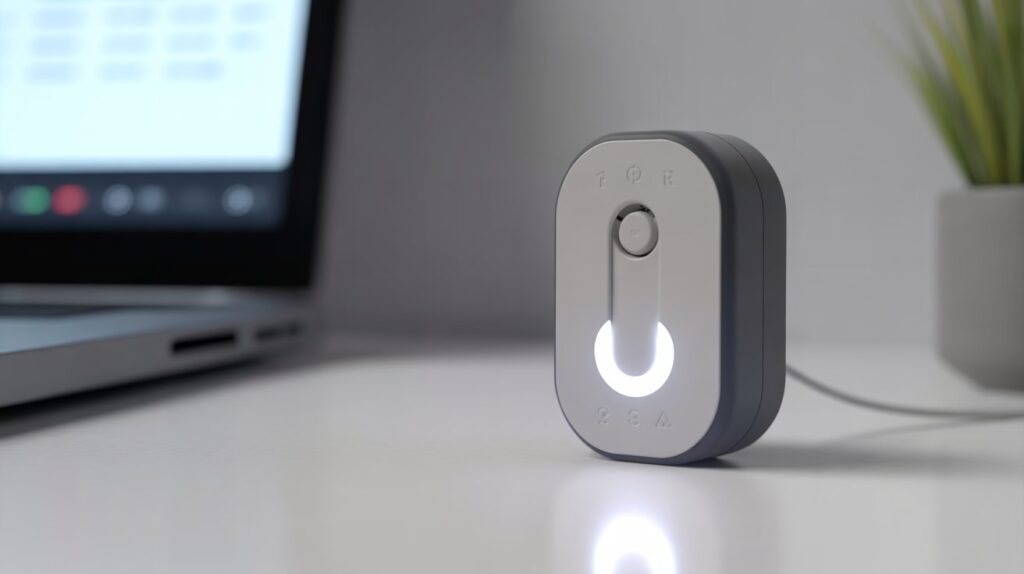
A personal alarm is a small, lightweight safety device built to produce an extremely loud sound — typically between 120 dB and 140 dB — designed to startle an attacker and pull immediate attention toward you.
These devices are simple, legal in most areas, non-lethal, and suitable for people of any age, from teens and college students to travelers and seniors alike.
Common Features
- High-decibel alarm sound: Delivers a piercing siren built to grab attention fast and alert anyone nearby during an emergency.
- Instant activation system (pull-pin or button): Engineered for quick response — triggered within seconds, no complicated steps involved.
- Integrated LED flashlight (on select models): Certain versions add a bright light for visibility in dark areas, layering extra safety on top of the sound alert. Our SABRE personal alarm with LED light guide breaks down exactly how this combination works.
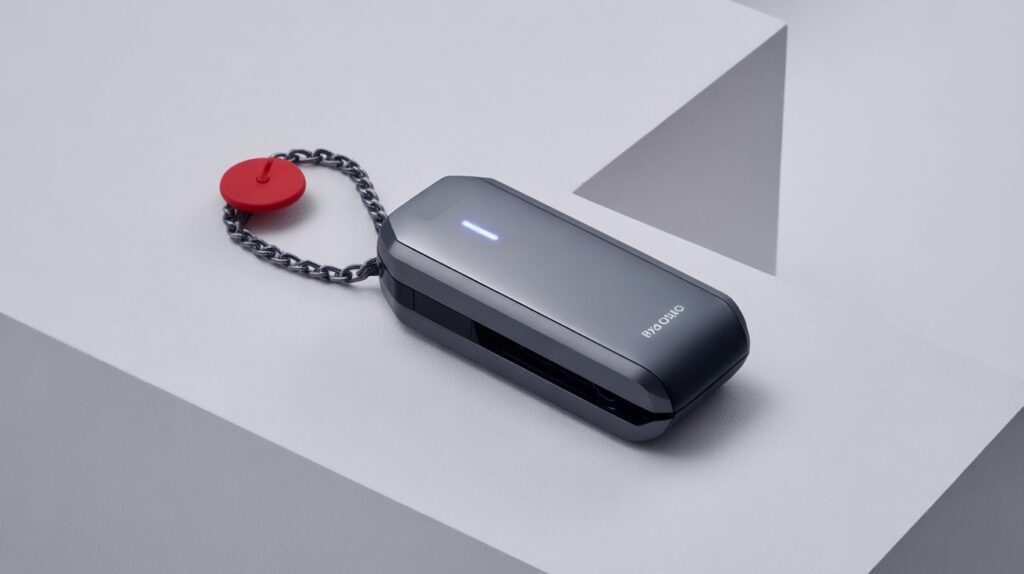
- Easy attachment options (keychain or bag clip): Built for convenience — attach it to keys, a backpack, or a handbag for instant access when needed.
- Compact, lightweight build: Small enough to carry daily without adding bulk or getting in the way.
- Replaceable or rechargeable power source: Runs on batteries that can be swapped or recharged, keeping the device reliable over the long term.
These devices work on a simple principle — deterrence. The shock, noise, and sudden attention are enough to make most attackers step back rather than continue.
How Does a Personal Alarm Work? (Step-by-Step Explanation)
To understand how a personal alarm works, it helps to break the process down into its core mechanism, one step at a time.
1. Activation System
Most alarms trigger through one of two simple methods:
- Pull-pin design: Removing the pin sets off the siren instantly.
- Press-button design: A single button press starts the alarm.
Both methods are built around one goal — a fast, low-effort trigger that works even under stress.
2. Internal Sound Chamber
Once triggered, here’s what happens inside the device:
- The internal sound chamber begins vibrating.
- High-frequency sound waves are generated.
- The unit emits a sharp, continuous siren audible from a significant distance.
That sudden burst of noise is what startles an attacker and pulls attention from anyone nearby.
3. Power Source
Most personal alarms run on small, widely available batteries — commonly button-cell types like LR44 or CR2032, or standard AAA cells. These typically last months, sometimes over a year, in standby mode before needing a replacement.
4. Continuous Sound Until Deactivated
The siren keeps sounding until:
- The pin is reinserted, or
- The button is switched off manually.
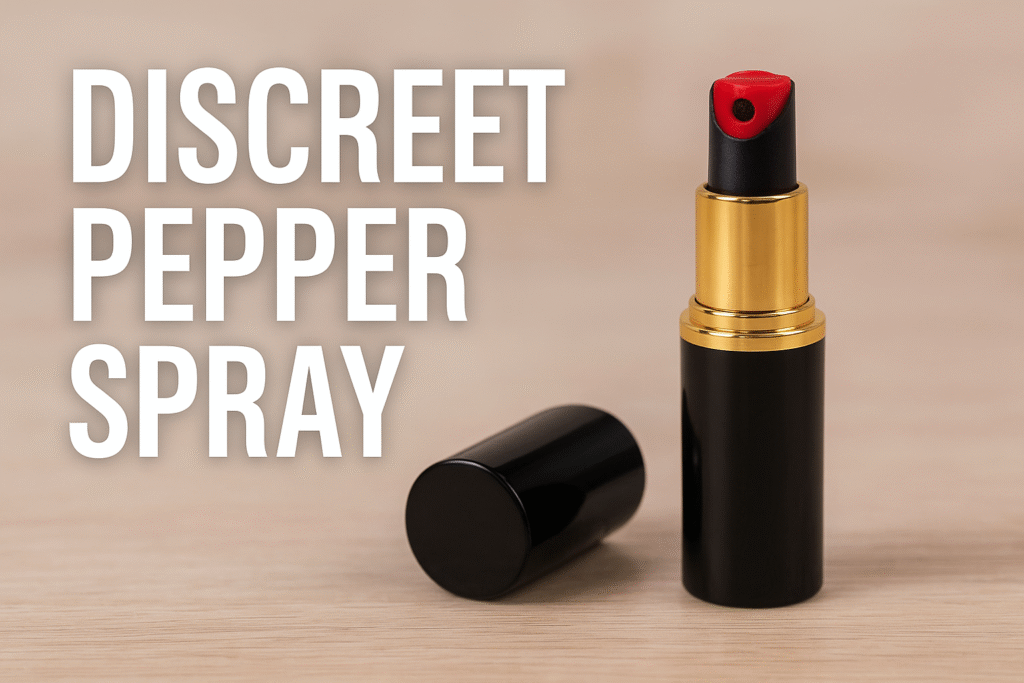
This uninterrupted output is intentional — it means an attacker can’t simply silence the device and continue undisturbed. If you’re weighing this against other options, our pepper spray guide covers a more active self-defense alternative worth comparing.
Why Personal Alarms Are So Effective
Knowing how a personal alarm works is only half the picture — understanding why it works so well is what makes the device genuinely useful in a real emergency.
1. Extremely Loud Sound Causes Panic
A 130 dB siren is as loud as a jet engine — loud enough to:
- Create sudden confusion and disrupt an attacker’s focus, giving you a critical advantage to react quickly in a threatening situation.
- Attract immediate attention from people nearby by making the situation impossible to ignore, which makes it harder for the attacker to continue unnoticed.
- Buy you valuable escape time — a brief window to move away, find safety, or get help before things escalate further.
2. No Skill or Strength Required
Unlike pepper spray, stun guns, or hands-on self-defense training, a personal alarm asks nothing of you technically:
- It works the instant you trigger it.
- No force, aim, or accuracy needed — just a single motion.
This is exactly why it’s often recommended as a first safety device for people who haven’t had any self-defense training yet.
3. Legal Almost Everywhere
Because they’re non-lethal, personal alarms are legal in most places, including:
- Schools (with certain restrictions): Self-defense tools may be allowed in specific cases, but schools generally have strict safety policies, so permissions depend on local rules and district guidelines.
- Workplaces: Most offices allow basic personal safety items, though usage still depends on individual company policy.
- Public places: Self-defense awareness tools are broadly permitted in public spaces, with responsible use expected to avoid misuse.
- Airports (checked baggage only): Restricted items are typically allowed only in checked luggage, with much stricter limits on carry-ons under aviation security rules.
- Most countries: Regulations vary internationally, so always confirm local laws before traveling with any self-defense device.
4. Works for All Age Groups
Its simplicity is what makes it practical across such a wide range of people:
- Children walking to school
- Women commuting alone — our guide on why self-defense matters covers more on building everyday safety habits
- Joggers and evening walkers
- Senior citizens
- Frequent travelers
- Students commuting to campus
Types of Personal Alarms
Not every alarm suits every lifestyle. Knowing what’s out there helps you match the device to how and where you’ll actually use it.
1. Keychain Personal Alarm
The most common and widely carried option. Small enough to hang off your keys without adding bulk, it’s usually the first choice for anyone new to personal safety devices. Our keychain pepper spray guide covers a similar compact format worth comparing if you want an active deterrent alongside the noise.
2. Personal Alarm with LED Light
Built for low-visibility situations — think night walks, dim parking garages, or unlit streets. The added light doesn’t just help you see; it also makes you more visible to anyone nearby who might step in to help. For a closer look at this combination, check out our SABRE personal alarm with LED light breakdown.
3. Wristband Personal Alarm
Designed with movement in mind — joggers, runners, and cyclists benefit from having the alarm strapped to the wrist rather than buried in a pocket or bag, where reaching it under pressure would waste precious seconds.
4. Smart Bluetooth Personal Alarm
The most connected option on this list. Beyond the siren, it pairs with a smartphone app to share your live location with trusted contacts the moment it’s triggered — useful for anyone who wants an added layer of communication, not just noise.
No matter which style you pick, the underlying mechanism stays the same: instant activation paired with a sudden, attention-grabbing sound loud enough to interrupt a threat and draw help your way.
When Should You Use a Personal Alarm?
Knowing exactly when to reach for your alarm matters just as much as owning one. Here are the situations where triggering it makes sense:
- You feel like someone is following you. Trust that instinct — if a person’s presence feels off or persistent, don’t wait for confirmation before acting.
- You notice suspicious behavior nearby. Someone lingering too long, watching too closely, or approaching in a way that feels wrong is reason enough to stay alert and ready.
- You need to draw attention immediately. In any situation where being seen or heard matters more than anything else, the alarm’s job is to make that happen instantly.
- You’re facing harassment or a direct threat. Whether it’s verbal aggression or something more physical, the sudden noise can interrupt the situation and buy you critical seconds.
- You’re lost or need help in an unfamiliar area. Beyond personal threats, a loud alarm can also attract assistance if you’re stranded, injured, or simply need someone’s attention fast.
Pro Tip
Sounding the alarm isn’t the end of the response — it’s the start. The moment it goes off, put distance between yourself and whatever’s causing concern, and head toward people, light, or a safe space while help is on the way.
How to Carry a Personal Alarm for Maximum Safety
Owning a personal alarm doesn’t help much if it’s buried at the bottom of your bag when you actually need it. Where and how you carry it matters just as much as the device itself.
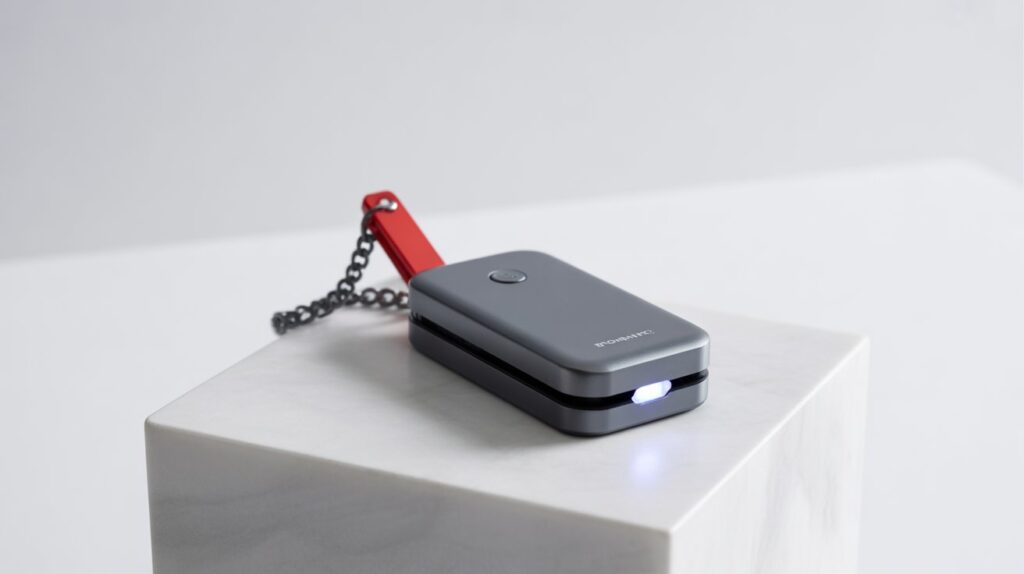
- Attach it to your keychain. This keeps it within arm’s reach at all times, since your keys are something you’re already holding the moment you’re heading somewhere.
- Clip it to the outside of your bag. An external clip means you’re not digging through pockets or compartments under pressure — one motion gets it into your hand.
- Keep it in an easily reachable pocket. A jacket or pants pocket works well for situations where you’d rather not have it visibly clipped on.
- Hold it directly during night walks or when something feels off. If you’re already sensing unease, there’s no reason to wait — having it in hand removes the extra step of reaching for it later.
The goal is simple: accessibility. In a real emergency, you shouldn’t have to think about where it is or dig for it — it should already be within reach. Pairing this habit with a wristband or keychain-style alarm makes quick access even more natural, since the device stays attached to something you’re already carrying.
Common Myths About Personal Alarms
Myth 1: Attackers are not affected by loud sounds
Truth: Sudden loud noise can be a powerful defensive advantage
Many people believe that attackers are not influenced by loud sounds, but in reality, this is not true. Human psychology shows that unexpected and sharp noises can create an immediate startle response. This reaction interrupts focus, breaks concentration, and can temporarily confuse a person, especially in high-stress situations.
In real-world self-defense scenarios, a sudden loud sound can disrupt an attacker’s intention for a few critical seconds. This short moment of distraction can be enough for a person to escape, seek help, or create distance from danger. It is not about causing harm, but about gaining time and control in a threatening situation.
That is why noise-based deterrents, alarms, and alert systems are often used as effective safety tools. They work by triggering instinctive reactions, making the situation less predictable for the attacker and giving the individual a better chance to stay safe.
Myth 2: Personal alarms only work indoors.
Truth: High-decibel alarms work effectively both indoors and outdoors
Many people assume that personal safety alarms are useful only in enclosed spaces, but this is a common misunderstanding. In reality, modern personal alarms are designed to produce extremely loud sirens, typically in the range of 120–140 decibels, which can be heard over a significant distance even in open environments.
These powerful sound levels are capable of attracting attention quickly, whether you are in a parking lot, on a street, or in an isolated outdoor area. The main purpose of such alarms is to create immediate awareness and draw help from people nearby, regardless of location.
Because sound spreads effectively in both indoor and outdoor settings, personal alarms remain a reliable self-defense tool in a wide variety of situations. Their effectiveness does not depend on being inside a building, but rather on their ability to trigger attention and response wherever they are used.
Myth 3: They are complicated to use.
Truth: They are extremely simple and designed for instant use
Many people believe that personal alarms require technical knowledge or practice to use effectively, but this is not true. These devices are specifically designed for simplicity so that anyone can activate them instantly during an emergency.
In most cases, a personal alarm works with just a single action, such as pulling a pin, pressing a button, or tapping a switch. There is no need for training, setup, or complicated steps. The design focuses on speed and ease of use because emergencies do not allow time for confusion.
This simplicity is what makes personal alarms so reliable. Even in stressful situations, users can activate them within seconds, making them an accessible and practical self-defense tool for people of all ages.
Conclusion
A personal alarm may seem small, but its effectiveness is surprisingly strong. With its loud sound, instant activation, and zero training required, it remains one of the most practical personal safety tools available today.
In critical moments, even a second counts — and that sharp siren is often enough to draw attention, interrupt a threat, and help you stay safe.
Pairing personal safety with home safety matters too. Explore our guide to the best Ring Alarm wireless security system to protect your space, or check out our picks for the best outdoor security cameras for rental properties if you’re securing a rental unit.
FAQS
1. How long does a personal alarm battery last?
Most alarms run for 6 months to a year in standby mode before the battery needs replacing, depending on usage.
2. Can a personal alarm get wet or be used in rain?
Many models are water-resistant, but always check the product specifications since not all alarms are fully waterproof.
3. Where’s the best place to carry a personal alarm?
Keep it somewhere you can reach instantly — a keychain, bag strap, or jacket pocket, never buried inside a bag.
4. Can I reset and reuse a personal alarm after triggering it?
Yes, most models simply need the pin reinserted or the button switched off, then they’re ready to use again.
5. Is a personal alarm safe for kids to carry?
Yes, since there’s no chemical or physical harm involved, it’s one of the safest self-defense tools for children and teens.
About the Author
M Bilal holds a Bachelor’s degree in Criminology and writes about personal safety devices, home security, and self-defense tools for CrimTechHub. His criminology background shapes how he evaluates each product category — focusing on how these devices actually perform, what real-world use looks like, and where common assumptions fall apart.
Before publishing, he checks manufacturer specifications, safety regulations, and genuine user feedback rather than relying on marketing language. The aim is simple: give readers information they can trust and actually act on.