Introduction
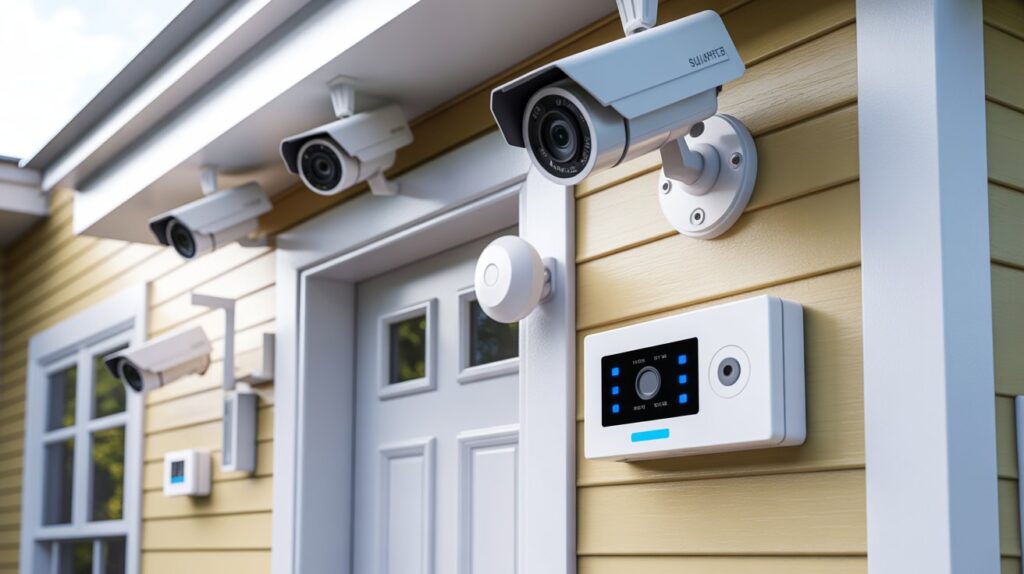
Ever find yourself double-checking the locks before bed, or wondering what’s actually happening at home while you’re at work or away on a trip? That nagging worry is exactly why so many homeowners are investing in home security systems these days. But getting one right isn’t as simple as picking a camera or an alarm off a shelf — it comes down to understanding how these systems actually function and what genuinely fits how you live day to day.
This guide walks through the real benefits, the limitations most sellers won’t mention, and the mistakes people commonly make before buying — so you end up with a home security system that’s practical, dependable, and genuinely worth what you pay for it.
Table of Contents
The Truth About Home Security Systems (What Most People Don’t Realize)
Most people get a home security system for one simple reason — they want to feel safe in their own space. The assumption is usually that installing an alarm is enough on its own to keep intruders out. In practice, that’s not quite how it works. Real protection comes from understanding how your system actually operates and using it the way it’s designed to be used, not just having the hardware sitting there.
Here’s what most people miss: a home security system is a support tool, not a complete solution by itself. A camera or alarm only earns its keep when it’s installed correctly and paired with basic habits — locking doors with a reliable smart lock, checking notifications instead of swiping them away, glancing at the app when something looks off. The technology’s job is to catch the alert. Your job is still to respond to it. That combination — not the hardware alone — is what actually keeps a home protected.
Why Home Security Systems Matter More Than Ever
Life doesn’t look the way it did a decade ago. Homes sit empty for long stretches during the day, packages pile up on porches, and neighborhoods shift faster than most people notice. These everyday realities are exactly why home security systems have become so essential — it’s no longer just about stopping a break-in after it starts. It’s about staying informed and in control of what’s happening around your property, even when you’re nowhere near it.
For most families, this comes down to something deeply personal. A reliable home security system protects more than just walls and belongings — it changes how a household actually feels day to day. Parents want reassurance once their kids head home from school alone. Homeowners want to sleep without wondering what’s happening downstairs. That quiet reassurance — knowing your home is being watched over — is often the real reason people invest in one in the first place.
This isn’t just a sales pitch — criminology research backs it up. A widely cited University of North Carolina at Charlotte study interviewed hundreds of convicted burglars and found that most actively scan for signs of a security system before picking a target, and a large share abandon the attempt entirely the moment they spot one. That’s the real value of a visible camera or motion-activated light — it doesn’t just record a break-in after it happens, it frequently stops one before it starts. Used consistently, a home security system tilts the odds in your favor long before an intruder ever reaches the door.
From a criminology standpoint, this tracks with how most burglaries actually happen — as crimes of opportunity rather than planned operations. Remove that opportunity, even with something as simple as a visible camera or a motion-triggered light, and you’ve usually redirected a would-be intruder somewhere else.
Why they matter today:
- Increased break-ins and property crimes in many areas
- Longer time spent away from home due to work and travel
- Rising demand for reliable family safety and everyday reassurance
- Technology that allows real-time monitoring and alerts
Chosen thoughtfully and used properly, this kind of home protection stops being an extra expense and becomes a genuine everyday safeguard — less a luxury, more a modern necessity.
How Home Security Systems Actually Work (No Tech Jargon)
At their core, these setups are designed to notice unusual activity and alert you quickly. There’s no complicated science behind it. When a door opens unexpectedly, motion is detected, or glass breaks, the system responds by sending an alert, sounding an alarm, or notifying a monitoring service. The goal is simple: catch a problem early and give you enough time to react.
What makes a modern security setup effective isn’t any single device — it’s how smoothly everything works together. Instead of relying on one sensor or camera, the system connects multiple entry points across your property. This layered detection approach cuts down blind spots and gives you a clearer picture of what’s actually happening, whether you’re home, at work, or away for the night.
Sensors, Alarms, Monitoring, and Smart Features
Security sensors are usually installed near doors, windows, hallways, or other important entry points to monitor unusual activity. If movement or unauthorized access is detected, the system can instantly activate an alarm and send notifications directly to your smartphone or security service. This quick response helps homeowners react faster and feel more secure.
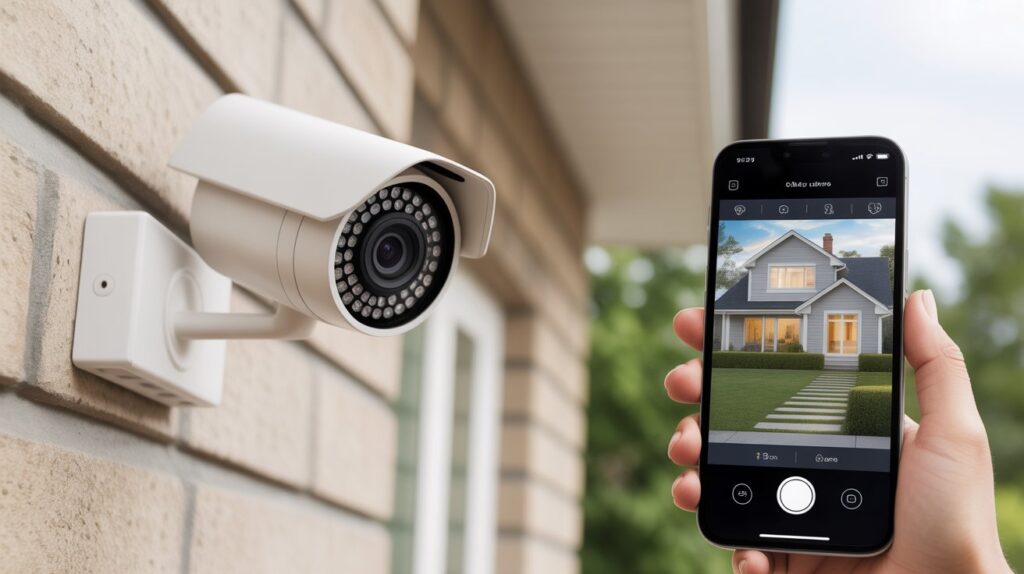
Many modern home security systems also include smart cameras, mobile app controls, and remote monitoring features. These tools are designed to make home protection more convenient, giving you the ability to check your property, receive live alerts, and stay connected no matter where you are. Instead of adding difficulty, these features help create a safer and more controlled living environment.
Used correctly, this kind of setup earns your trust simply by being reliable. You don’t need to understand the tech behind it to feel protected — you just need a system that works quietly in the background, ready to respond the moment it actually matters.
Top Home Security Brands Compared
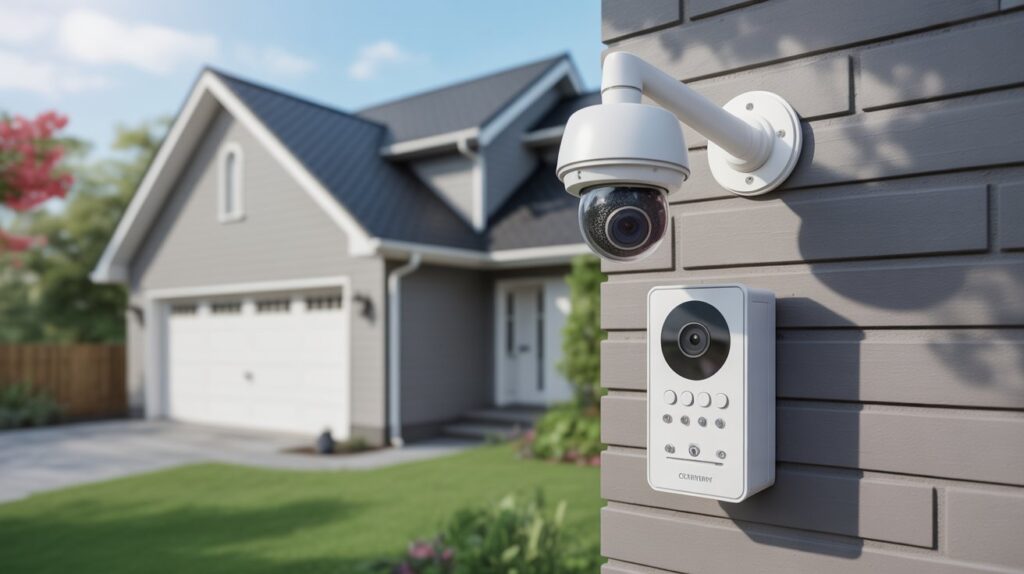
Not every home security brand solves the same problem. ADT has the longest track record with professional monitoring centers and a nationwide network of emergency responders, which is why it still comes up first for homeowners who want a hands-off, fully monitored setup. SimpliSafe takes the opposite approach — a self-install system that most people finish in a single afternoon, no technician required, which makes it a common pick for renters and first-time buyers.
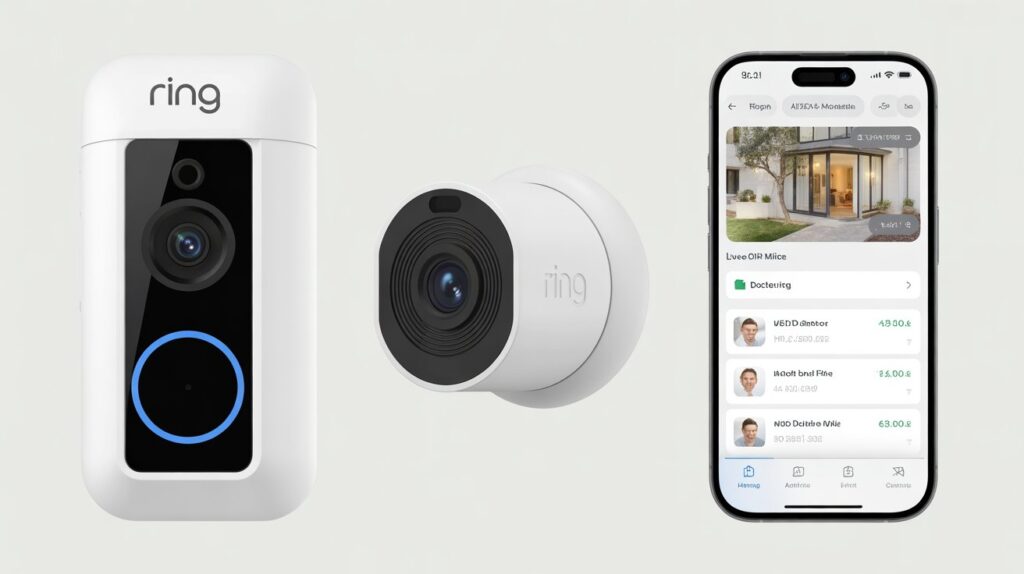
Vivint leans into home automation. Instead of treating the alarm as a standalone box, it ties locks, lights, and cameras into one control point, so the system doubles as a smart home hub. Ring works well for anyone who wants a low-commitment entry into security — a doorbell camera plus a few sensors, without signing up for a full package. Cove is built around flexible, no-contract plans, while Brinks and Frontpoint are usually shortlisted by buyers who specifically want cellular backup as standard, not an add-on.
The real difference between these brands isn’t the hardware — most sensors and cameras work similarly across the board. What actually separates them is how fast an alert reaches a real person, how well the app filters out false alarms — a bigger industry problem than most buyers realize, with the vast majority of alarm calls historically turning out to be false — and how easily the system grows as your needs change. A renter in an apartment and a family in a large house are solving different problems, so the “best” brand depends on which one matches your situation, not which one has the most features on paper.
How Much a Home Security System Actually Costs
Home security spending breaks down into three separate pieces: the equipment itself, installation, and ongoing monitoring. A DIY setup keeps costs lower because there’s no technician labor involved — you’re paying for the hardware and, if you want it, a monthly monitoring plan. A professionally installed system usually costs more upfront, but that extra cost covers expert sensor placement and a technician verifying every device works before they leave.
Monitoring fees follow a similar pattern. Self-monitored or DIY-focused plans tend to be cheaper per month, while professionally monitored plans cost more because they include 24/7 live agents and faster emergency dispatch. Contract length matters just as much as the monthly number — some providers run month-to-month with no lock-in, which suits anyone who might move or switch systems, while others offer discounted equipment in exchange for a multi-year commitment.
If budget is the main concern, a few paths can lower the entry cost significantly. Some providers offer free or heavily discounted equipment when you sign up for monitoring, effectively shifting the cost from upfront to monthly. Basic DIY kits with a handful of door and window sensors also cover the highest-risk entry points without needing a full whole-home package. The right move is comparing total cost over a year or two — equipment plus monitoring plus contract terms — rather than judging a system by its sticker price alone, since a cheap starting price can sometimes mean a longer, less flexible commitment later.
The Biggest Myths About Home Security Systems
Plenty of homeowners avoid or misunderstand this kind of protection because of myths that have stuck around for years. Most of these ideas come from outdated assumptions or marketing exaggeration — not actual experience. Clearing them up helps you make a smarter, more confident decision based on facts instead of fear.
Here are the most common ones, explained honestly:
- “These systems are only for expensive homes.” Not anymore. Modern setups are built for every kind of household, from small apartments to large houses — including renter-friendly options that need zero permanent installation. Affordable, flexible packages have made basic protection accessible to nearly everyone.
- “An alarm alone stops every break-in.” Alarms help, but they’re one piece of a bigger picture. Real protection comes from combining sensors, visible deterrents, and timely alerts — backed by simple habits like actually checking notifications when they come in.
- “They’re too complicated to set up and use.” Today’s systems are built for regular people, not tech specialists. Most run through a simple panel or a mobile app, which keeps daily use straightforward instead of stressful.
- “My neighborhood is safe, so I don’t need one.” No area is completely risk-free. A large share of incidents happen in neighborhoods people assumed were safe, which is exactly why preventive protection still matters there too.
The real takeaway: this kind of protection works best when your expectations stay realistic. It’s not a guarantee against every possible scenario — what it actually delivers is awareness, deterrence, and a genuine sense of control over your own space. That distinction is what separates a smart buying decision from one based on marketing promises alone.
The Real Benefits Most Homeowners Overlook
Reassurance That Goes Beyond the Alarm
- Home security systems do more than react to break-ins — they keep you informed day to day, which cuts down on that background worry most homeowners don’t even realize they’re carrying. Knowing your home is being watched, even while you’re asleep or out of town, gives you a real sense of control that’s easy to underestimate until you actually have it.
- Early warnings that prevent bigger problems
Alerts for movement, door openings, or unusual activity allow faster response. This early awareness often stops small issues from turning into serious losses. - Stronger protection through visibility
Visible cameras, sensors, and alarms act as a deterrent. Many intruders avoid homes with security systems because the risk feels higher, making prevention just as important as response. - Remote monitoring for real-life flexibility
Modern home security systems let homeowners check their property from anywhere. Whether at work or traveling, real-time updates add convenience and confidence. - Added safety for family and daily routines
Parents can monitor when children arrive home, and homeowners can feel safer at night. This emotional reassurance is a practical benefit that technology quietly supports. - Long-term value, not just short-term protection
Beyond safety, reliable home security systems can support insurance benefits and increase a home’s overall sense of value and preparedness.
These often-overlooked advantages make one thing clear: this kind of protection isn’t just about reacting after something goes wrong — paired with the right monitoring setup, it’s about building a genuinely safer, more confident way of living every single day.
Potential Drawbacks You Should Know Before Installing One
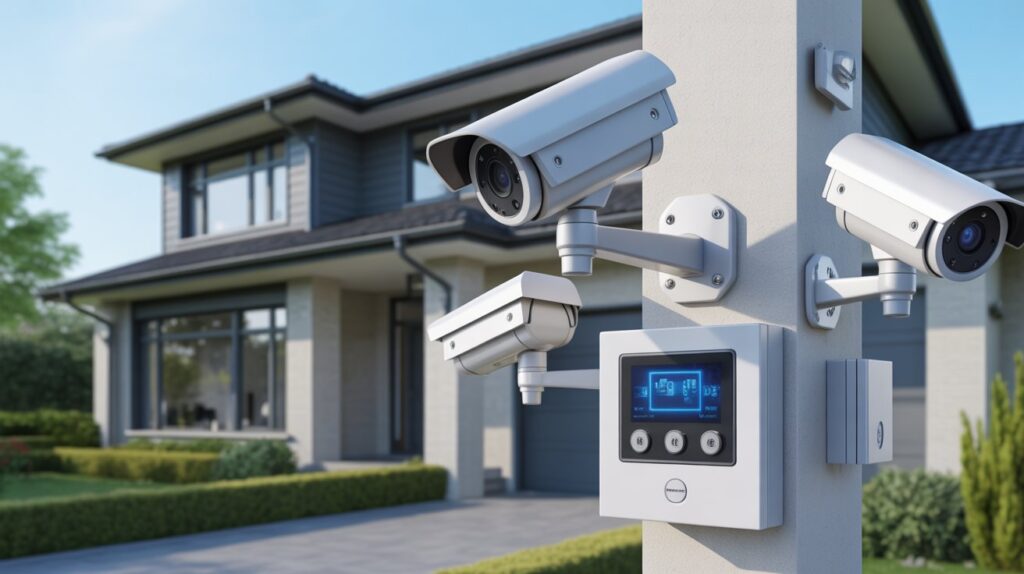
While home security systems offer significant protection, it’s important to understand their limitations. Being aware of potential drawbacks helps homeowners make informed decisions and sets realistic expectations — building trust and credibility without fear-mongering.
- Upfront and Ongoing Costs: Installation fees, equipment, and monthly monitoring charges can add up. Choosing a system that fits your budget ensures long-term sustainability.
- False Alarms: Sensors or user errors can trigger false alerts, which may be inconvenient or lead to unnecessary emergency responses. Proper setup and regular maintenance minimize these issues.
- Maintenance Requirements: Batteries, software updates, and occasional troubleshooting are needed to keep systems fully functional. Ignoring maintenance can reduce effectiveness.
- Limited Coverage Without Smart Planning: Poor placement of cameras or sensors can leave blind spots. A carefully planned setup is essential for maximum protection.
- Dependence on Technology: Systems rely on internet or cellular connectivity. Outages or technical malfunctions can temporarily reduce effectiveness, highlighting the need for complementary safety habits.
Understanding these realities helps homeowners see this kind of protection as a practical tool rather than a guaranteed fix — and that shift alone leads to smarter buying decisions and a genuinely steadier day-to-day life.
How to Choose the Right Home Security System for Your Needs
Picking the right home security system does not have to feel overwhelming. What truly matters is choosing a setup that fits naturally into your everyday life and gives you reliable protection when you need it most. A good security system is not simply about advanced technology or expensive features — it’s about feeling safe, staying aware, and being able to monitor your home with confidence.
Before buying, think about your home layout, daily routine, and the areas you want to protect most. Some families need simple indoor monitoring, while others may prefer full outdoor coverage with smart alerts and night vision. Focusing on real-life needs instead of unnecessary extras helps you build a security system that is practical, easy to manage, and dependable for long-term home safety.
What to Look for in a Reliable Security System
- Full Entry-Point Coverage: Every door, window, and high-traffic area should be monitored — cameras placed to eliminate blind spots, not just cover the front door.
- Genuine Ease of Use: The setup should make sense to everyone in the household, not just the person who installed it. A cluttered app or confusing panel defeats the purpose.
- 24/7 Monitoring Options: Professional monitoring means a real response when an alarm triggers, not just a notification you might miss.
- Smart Features Worth Having: Remote alerts, mobile access, and integration with other devices add real control — without turning the system into something you have to manage constantly.
- A Provider You Can Trust: Check licensing, contract terms, and how the company handles cancellations before signing anything. The FTC’s consumer guide on avoiding home security scams breaks down exactly what to ask before you commit to a contract.
Focusing on these factors — rather than the flashiest feature list — helps you land on a setup that actually fits your home instead of one that just looks impressive in a sales pitch.
Conclusion
Understanding what actually makes a home protection setup effective goes beyond just alarms and cameras — it comes down to making informed choices that protect what matters most: your family, your home, and your day-to-day sense of control. Modern systems offer convenience and real-time visibility, but their true value comes from using them wisely, not just owning them.
Take a moment to think about it — how prepared is your home for today’s risks? A bit of research now, paired with the right combination of sensors and cameras, can turn a vague worry into real confidence and uncertainty into a plan you can actually rely on.
FAQs
1. Is it worth getting a home security system?
Yes, it provides peace of mind, deters burglars, and helps protect your family and property.
2. What are the disadvantages of a home security system?
Costs, false alarms, maintenance, and occasional tech issues are the main drawbacks.
4. What are the disadvantages of in-house security?
Limited coverage, reliance on technology, and maintenance needs can reduce effectiveness if not managed properly.
5. What is the best security for a house?
A system that fits your home, offers 24/7 monitoring, covers all entry points, and is easy to use is the most effective.
Which home security brand is right for a renter vs a homeowner?
Renters usually do better with a self-install, no-contract option like SimpliSafe or Ring. Homeowners planning to stay put often get more value from ADT or Vivint, where deeper monitoring and automation are worth the extra commitment.
About the Author
M Bilal is the founder of CrimTechHub and holds a Bachelor’s degree in Criminology, which shapes how he approaches home security topics — looking at what actually deters break-ins and reduces risk, rather than just listing features. He researches each guide by reviewing manufacturer specifications, industry data, and verified consumer resources like the FTC’s home security guidance, so readers get practical, grounded information instead of marketing claims dressed up as advice.