Introduction
Worrying about home security while you’re away is common, and a wireless CCTV camera with SD card recorder offers a simple, cost-effective solution. It stores footage locally on an SD card, so you don’t need monthly subscriptions and still keep full control over your recordings.
Easy to install and use, these cameras work without complex wiring and can be placed anywhere in your home. With privacy-focused storage and reliable monitoring, they provide a practical way to protect your home and peace of mind.
Table of Contents
Why Homeowners Are Ditching Monthly Fees
Across the USA, homeowners are shifting toward security setups that don’t tie them to a monthly bill. A wireless CCTV camera with SD card recorder fits that shift well, since it saves footage locally instead of routing everything through paid cloud servers.
This local-storage approach keeps the camera recording even when the internet drops, which matters most during storms or provider outages when cloud-only systems go blind. Because footage sits on the SD card itself, homeowners decide who sees it and when, without a third-party server holding that data. If you’re deciding what card to pair with your camera, our guide on choosing the right SD card size for a security camera breaks down capacity versus recording length.
Straightforward and self-contained, this setup has become a go-to for households that want dependable coverage without adding another recurring expense.
What Is a Wireless CCTV Camera With SD Card Recorder?
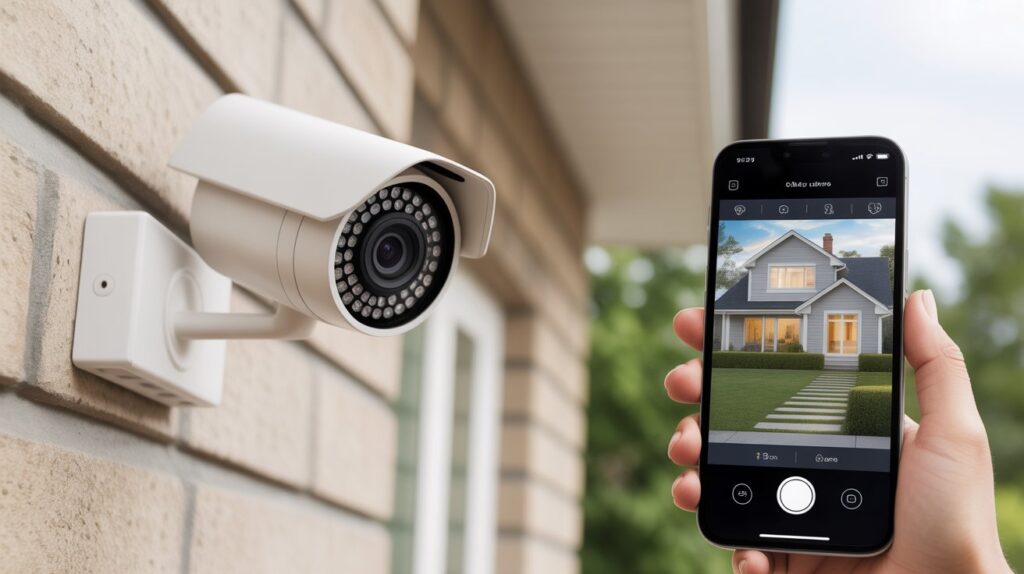
A wireless CCTV camera with SD card recorder connects to your home Wi-Fi instead of running through physical data cables, and it writes video straight to an internal SD card rather than a cloud account. The camera streams live video to your phone app over Wi-Fi, while every recording stays stored inside the unit itself.
That distinction matters for USA homeowners who want a system that doesn’t depend on a subscription to function. Once it’s mounted — covering a porch, driveway, or backyard — the camera records motion events or continuous footage directly onto the card, so nothing is waiting on a remote server to process it.
How these cameras work in everyday use:
- Connects to your Wi-Fi network for live viewing and mobile alerts
- Built-in SD card records and stores footage automatically
- Loop recording overwrites older clips once the card fills up
- Recorded video is viewed or downloaded through a companion mobile app
In practice, that means the camera keeps recording through short internet drops instead of losing coverage — a real difference for anyone who’s dealt with a cloud camera going offline at the wrong moment. It’s a self-contained setup built for people who’d rather manage their own footage than rely on someone else’s server.
How SD Card Recording Works in Wireless CCTV Cameras
- A wireless CCTV camera with SD card recorder captures video through its built-in lens whenever motion is detected or during continuous recording
- The camera saves footage directly to an internal or inserted SD card, keeping recordings stored locally inside the device
- Video files are organized by date and time, making it easy for homeowners to find specific moments later
- When the SD card reaches full capacity, loop recording automatically deletes the oldest clips to make room for new footage
- Most cameras allow users to access recorded video through a mobile app or desktop interface using a secure Wi-Fi connection
- Footage can be played back, downloaded, or backed up manually, giving full control over important recordings
- Even if the internet goes down, the camera continues recording to the SD card, which is a major advantage for reliable home security
- This local recording process offers peace of mind by keeping personal video data private and easily accessible at all times.
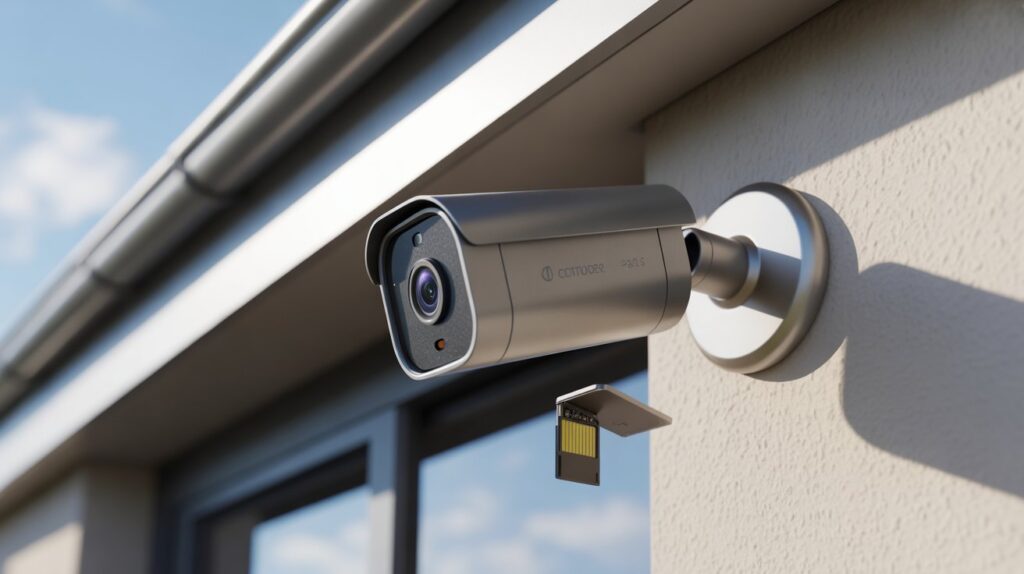
Key Benefits of Using a Wireless CCTV Camera With SD Card Recorder
A wireless CCTV camera with SD card recorder brings practical advantages that match what real homeowners in the USA are looking for today. These benefits go beyond saving money — they’re about control, reliability, and everyday convenience.
No Monthly Subscription Fees
Local storage is the main reason homeowners skip cloud plans altogether. With SD card recording, there’s no recurring bill just to view your own footage. You buy the camera once, insert a card, and it keeps recording without adding another line to your monthly budget.
Full Control Over Recorded Footage
When footage stays on the SD card, it stays with you. You decide when to view, save, or delete clips instead of leaving that control to a cloud provider. That’s a meaningful difference for families who want direct access to their own recordings rather than routing them through someone else’s server.
Works Even During Internet Outages
Storms and service interruptions knock out Wi-Fi more often than most homeowners expect. Unlike cloud-only cameras, SD card–based systems keep recording locally even when the connection drops, so coverage doesn’t pause the moment the internet does.
Simple Setup for Homes and Apartments
These cameras are built for everyday users, not installers. Most wireless CCTV cameras with SD card recorders go up in minutes through a mobile app, which makes them a natural fit for houses, apartments, and rental units where drilling into walls isn’t an option — similar to the setups covered in our DIY apartment security systems guide.
Wireless vs Wired CCTV Cameras: What’s the Real Difference?
Choosing between wireless and wired security cameras often depends on lifestyle, home layout, and how much control you want over installation and storage. For many homeowners in the USA, the decision becomes clearer once they understand how each system works in real life.
Key differences that matter most:
- Installation: Wireless cameras are quick to set up and don’t require drilling or running long cables, while wired systems usually need professional installation
- Flexibility: A wireless CCTV camera with SD card recorder can be moved easily if your needs change, unlike wired cameras that are fixed in one place
- Storage: Wireless SD card cameras store footage locally, while many wired systems rely on DVRs or paid cloud storage
- Cost: Wired systems often have higher upfront and installation costs, whereas wireless cameras are more budget-friendly over time
In practical terms, wireless SD card cameras make more sense for apartments, rental homes, and everyday households that want simple, reliable security. A wireless CCTV camera with SD card recorder offers freedom from complex wiring and ongoing fees, making it an appealing option for people who value convenience, privacy, and modern home protection without unnecessary complications.
Who Should Use a Wireless CCTV Camera With SD Card Recorder?
A wireless CCTV camera with SD card recorder suits homes, rentals, and small businesses across the USA that want local, subscription-free recording. It gives users full control over their footage while cutting out ongoing cloud fees.
Its wireless design makes setup quick and damage-free — a real advantage for renters and apartment dwellers — while homeowners can cover entry points, driveways, and outdoor areas without running cables. Small businesses get the same benefit: dependable day-and-night monitoring without a recurring subscription. Flexible and low-maintenance, it adapts to nearly any space while keeping protection consistent.
Important Features to Look For in SD Card CCTV Cameras
Picking the right wireless CCTV camera with SD card recorder comes down to a few features that directly affect video quality and reliability. Here’s what homeowners and small business owners in the USA should check before buying:
- Video Resolution and Night Vision
- High-definition video makes it possible to identify faces, license plates, and other fine details
- Night vision keeps footage clear in low light or complete darkness
- Motion Detection and Alerts
- Motion-triggered recording saves SD card space by skipping empty footage
- Instant phone alerts let you react quickly to activity near your property
- SD Card Capacity and Speed Class
- Higher-capacity cards hold more footage before needing a backup or swap
- Loop recording overwrites the oldest clips automatically, so recording never stops. The SD Association’s speed class guide explains how card speed ratings affect reliable video recording
- Weather Resistance (for Outdoor Use)
- Outdoor units should be waterproof and rated for temperature extremes
- Solid housing keeps performance steady through rain, snow, or heat
Getting these features right is what makes a wireless CCTV camera with SD card recorder dependable long-term — clear footage, uninterrupted recording, and coverage that holds up across homes, apartments, garages, and small businesses.
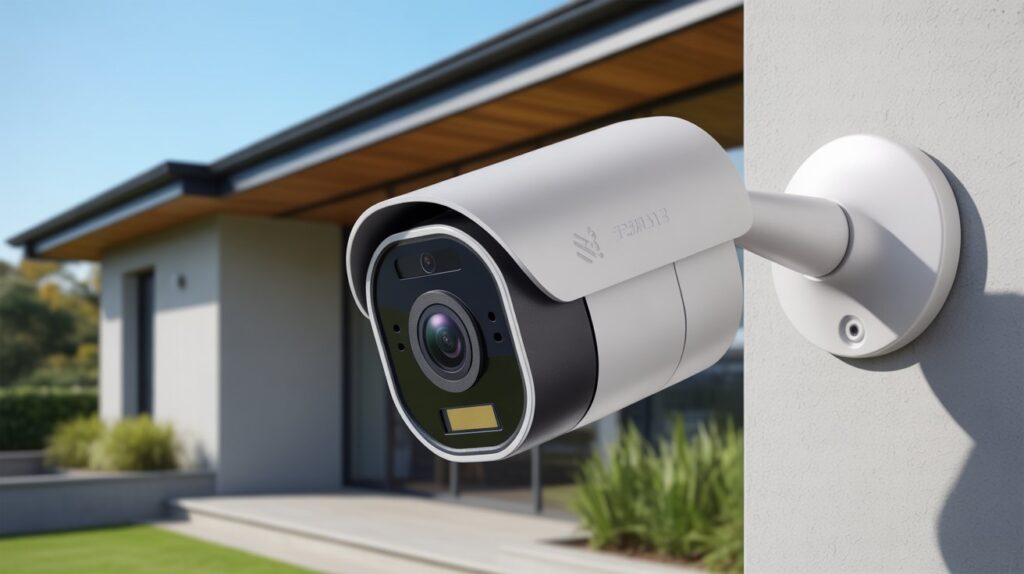
Are Wireless CCTV Cameras With SD Cards Secure and Reliable?
A wireless CCTV camera with SD card recorder can be both secure and dependable when set up correctly. Privacy and data protection are common concerns for USA homeowners, and local storage helps here — since footage never streams continuously to a cloud server, there’s far less exposure to hacking or unauthorized access.
Key points on security and reliability:
- Data Privacy: Footage stays on the SD card itself, so you control exactly who can access it
- Encryption: Many cameras encrypt stored video, making tampering or unauthorized viewing harder
- Physical Access: SD cards can be removed and stored separately, keeping sensitive footage out of reach
- Reliability: These cameras keep recording through internet outages or brief power fluctuations
- Durability: Well-built units hold up to daily use, weather exposure, and long-term operation
For homeowners, renters, and small businesses, this combination of local storage and built-in security features means fewer trade-offs between convenience and protection. With the SD card mounted securely and handled carefully, a wireless CCTV camera with SD card recorder delivers monitoring you can rely on without handing your footage to a third party.
Common Limitations You Should Know Before Buying
While a wireless CCTV camera with SD card recorder offers many advantages, it’s important for homeowners in the USA to understand its limitations to avoid surprises. Knowing these ahead of time helps you choose the right camera and maintain it properly.
Key limitations and tips:
- Storage Limits: SD cards have finite capacity; high-resolution video fills them faster. Consider using a larger capacity card or checking footage regularly.
- Maintenance Required: Periodically cleaning the camera lens and checking SD card health ensures consistent performance.
- Recording Duration: Continuous recording may overwrite older clips quickly. Use loop recording wisely to avoid losing important footage.
- Limited Remote Access Without Internet: While live viewing works over Wi-Fi, accessing footage remotely during extended internet outages may be limited.
- Physical Vulnerability: Cameras and SD cards can be tampered with if not installed securely. Mount them out of easy reach.
Being aware of these factors helps you get the most from a wireless CCTV camera with SD card recorder. By planning storage, performing simple maintenance, and choosing secure placement, homeowners can enjoy reliable, private, and cost-effective security.
Common Limitations You Should Know Before Buying
A wireless CCTV camera with SD card recorder offers real convenience, but it’s worth knowing its limits before you buy. Understanding these upfront helps homeowners in the USA avoid surprises and get consistent performance from their setup.
- Storage Limits: SD cards have a fixed capacity, and high-definition footage fills them faster than you’d expect. A larger card, or a habit of backing up footage regularly, prevents important clips from getting overwritten too soon.
- Maintenance Needs: Dust, dirt, and weather exposure gradually affect lens clarity and card health. A quick lens wipe and occasional SD card check keep recordings sharp and reliable.
- Loop Recording Overwrites: Once the card fills up, the oldest footage gets replaced automatically — so anything you need to keep should be reviewed and saved before it cycles out.
- Remote Access Restrictions: Live viewing depends on Wi-Fi, so a long internet outage can limit remote access to footage even though local recording continues.
- Physical Vulnerability: A camera or SD card mounted somewhere easy to reach is easier to tamper with — secure, out-of-reach placement matters as much as the camera’s specs.
Knowing these trade-offs upfront means fewer surprises later. With the right card size, routine maintenance, and secure mounting, a wireless CCTV camera with SD card recorder holds up as a dependable, private option for long-term home security.
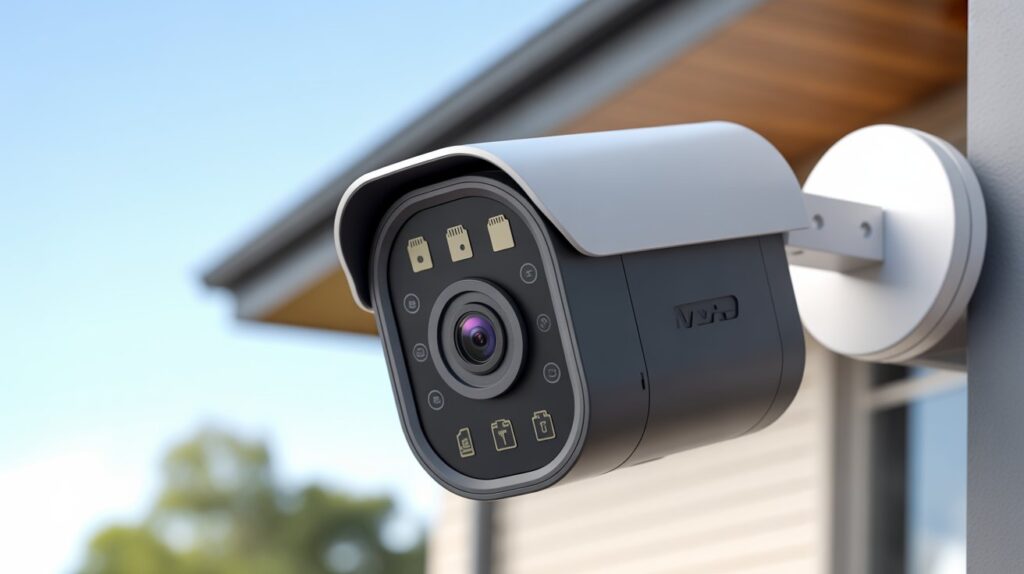
Legal and Privacy Considerations in the USA
Installing a wireless CCTV camera with SD card recorder comes with a few legal responsibilities alongside the convenience. Knowing the basics keeps your setup both effective and lawful.
- Private Property Rules: Keep cameras pointed at your own property. Recording areas where people expect privacy — a neighbor’s yard, a shared bathroom — crosses into illegal surveillance, regardless of intent.
- Audio Recording Laws: Many states require consent before recording audio, and the rules vary by state. If your camera picks up sound, it’s worth checking local law so you’re not violating wiretapping statutes. Renters in particular should also review apartment security camera laws by state, since rules differ for shared or leased properties.
- Signage and Transparency: Posting a visible surveillance notice heads off misunderstandings with visitors or neighbors and signals ethical use — especially useful for small businesses.
- Data Protection: Store SD cards securely and limit who can access them. Footage shouldn’t be shared publicly without the consent of anyone identifiable in it.
- Ethical Usage: These cameras are for protecting your property, not monitoring people without cause. Respecting that boundary keeps you on the right side of both the law and your community’s trust.
Following these basics lets homeowners and renters use a wireless CCTV camera with SD card recorder confidently — protecting their property while staying within the legal and ethical lines that matter most.
Conclusion
A wireless CCTV camera with SD card recorder does more than basic surveillance — it puts control of your footage, your privacy, and your home’s security back in your hands, without a subscription or a complicated setup. With simple installation and local storage, it’s a dependable way for homeowners, renters, and small businesses across the USA to stay protected day to day.
No monthly fees, no dependence on the internet staying up, and no cloud provider holding your recordings — just consistent, local coverage you control. If you’re weighing this against other setups, our comparison of wired vs wireless security systems can help you decide what fits your home best.
FAQs
Can wireless CCTV record without internet?
Yes, wireless CCTV cameras with SD card storage can record locally even without internet.
How long will a 256GB SD card record on CCTV?
A 256GB SD card can typically store 7–14 days of high-definition footage, depending on resolution and recording settings.
How many days recording in 128GB card in CCTV camera?
A 128GB SD card usually holds 3–7 days of HD video before overwriting old footage.
How to record a CCTV camera in a SD card?
Insert a compatible SD card into the camera, enable local recording in the app or settings, and it starts storing footage automatically.
How many hours of video can you record on a 1TB SD card?
A 1TB SD card can record roughly 100–200 hours of HD video, depending on resolution and frame rate.
Which is better, V10 or V30 SD card?
V30 cards are faster and better for continuous high-definition video recording than V10 cards.
What’s the lifespan of an SD card?
An SD card typically lasts 5–10 years with normal usage, depending on write cycles and environmental conditions.
About the Author
M. Bilal holds a BS in Criminology and founded CrimTechHub to help USA homeowners make informed decisions about home security equipment. Drawing on his criminology background, he focuses on how surveillance and access-control technology actually holds up in everyday use — not just spec sheets — covering wireless cameras, alarm systems, and smart locks for homes, rentals, and small businesses.