Introduction
Your gate won’t close. Your kids are waiting in the driveway, and the remote isn’t doing anything. Sound familiar?
Most of the time, the problem isn’t the motor or the remote — it’s a photo eye sensor for gate that’s misaligned, dirty, or simply worn out. This tiny device decides whether your gate moves safely or stops at the worst possible moment.
In this guide, we’ll break down exactly why it fails, how to fix it, and how to keep it working for good.
Table of Contents
What Is a Photo Eye Sensor for Gate?
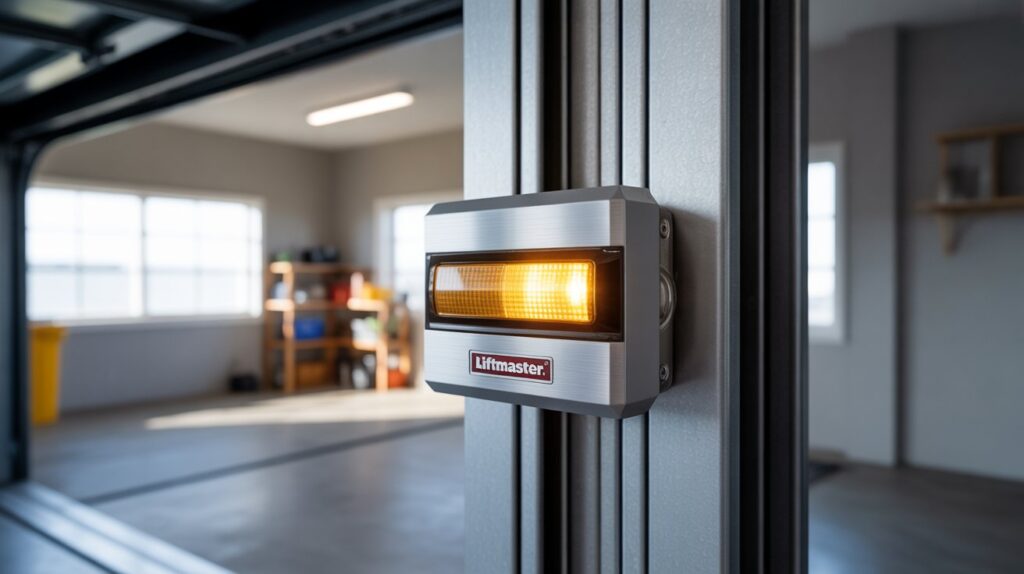
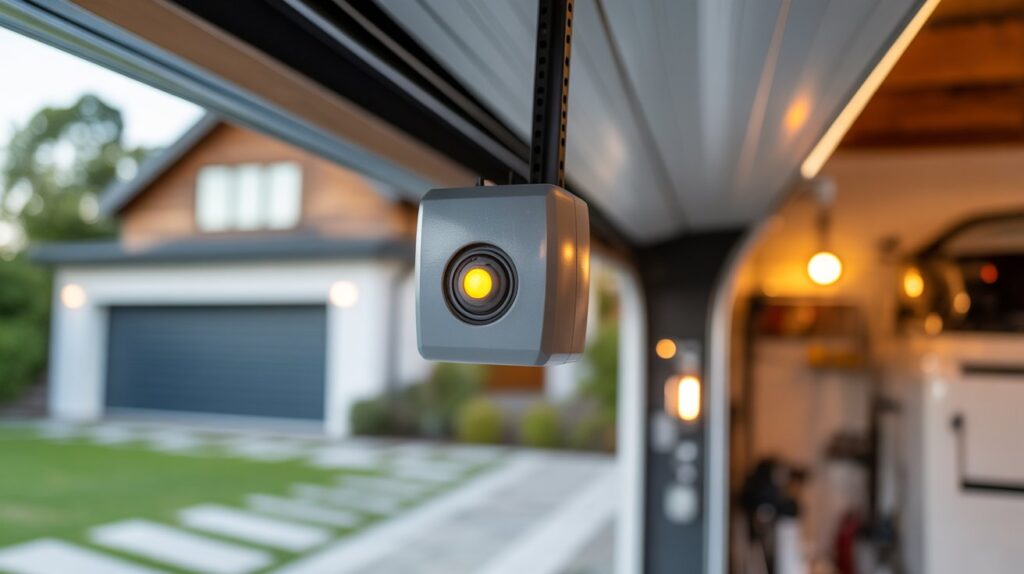
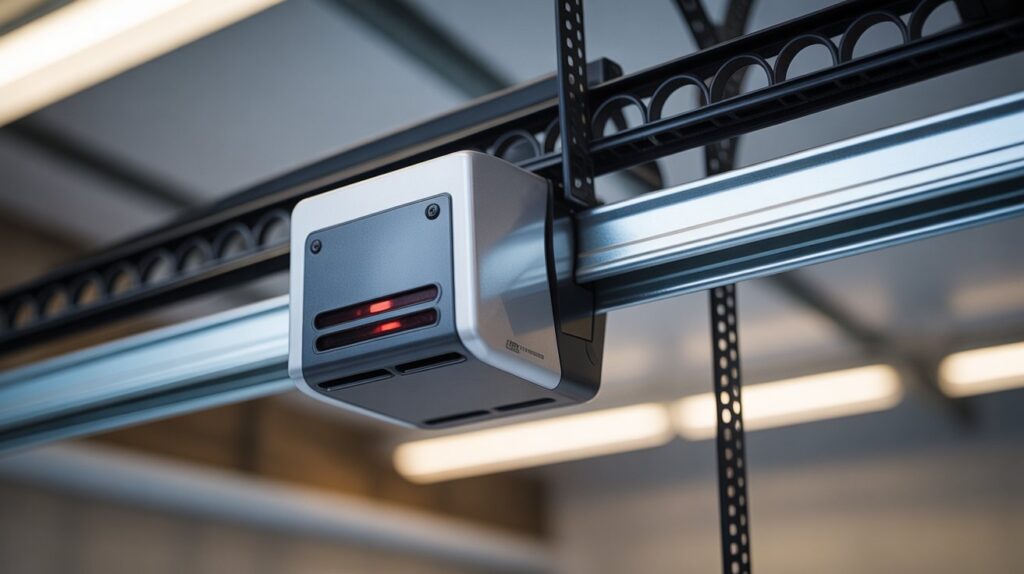
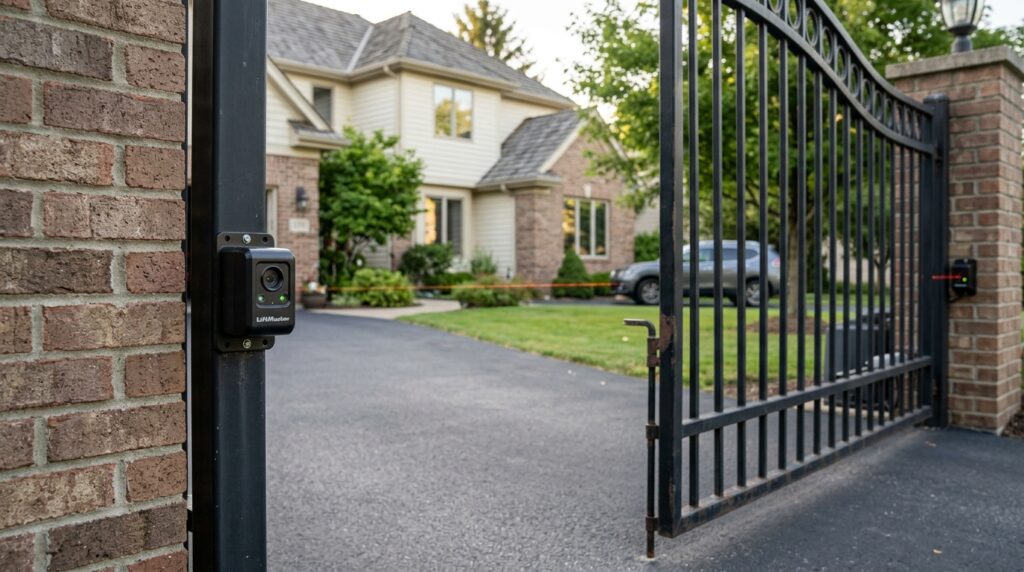
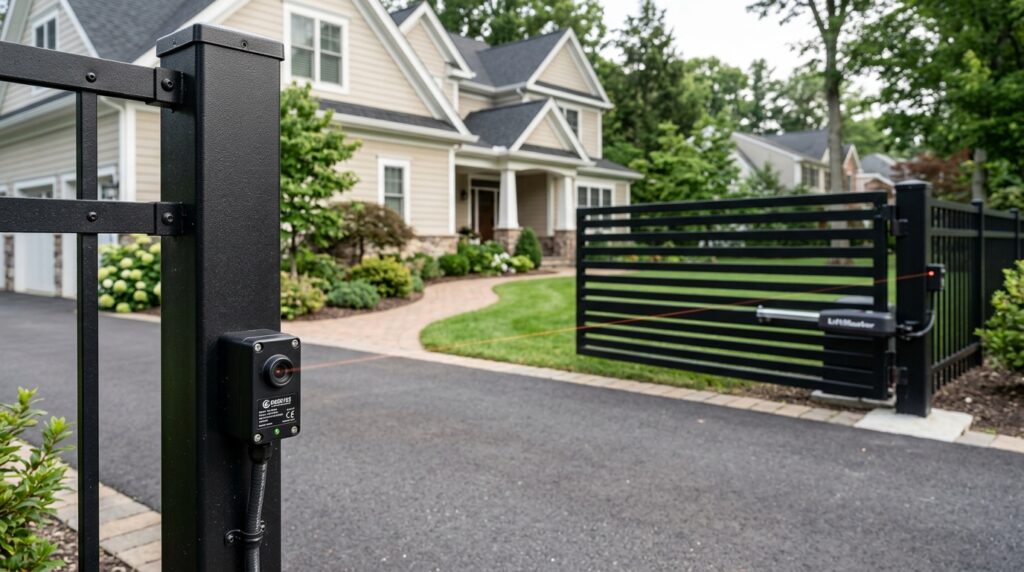
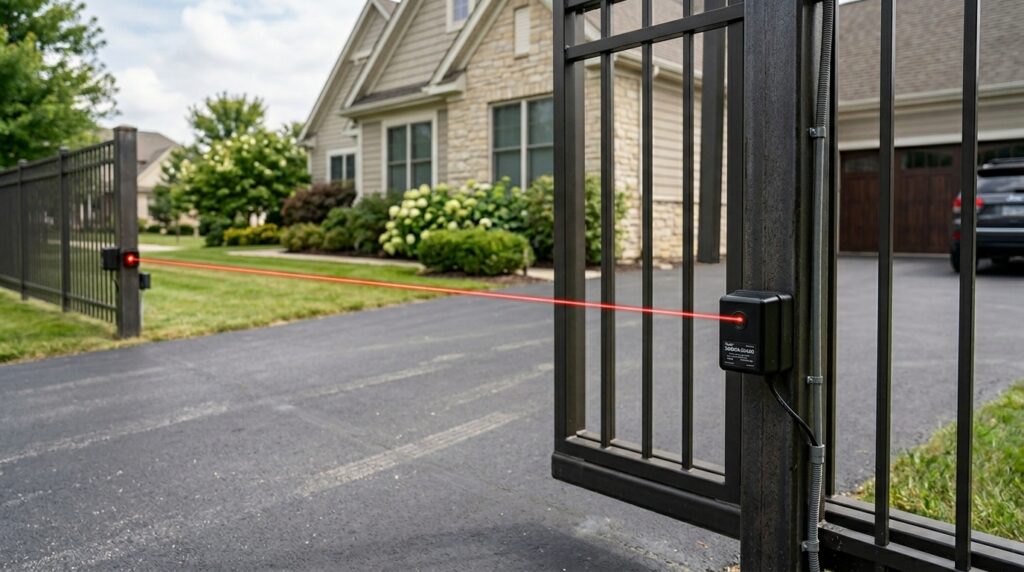
A photo eye sensor for gate is a small safety device that uses an invisible infrared beam to detect anything in the gate’s path. It works in pairs — one unit sends the beam, the other receives it. As long as the beam stays unbroken, the gate moves normally.
The moment something blocks that beam — a car, a pet, even a stray branch — the receiver loses signal and tells the gate to stop or reverse instantly. No contact needed, no delay.
This isn’t just a convenience feature. Automatic gates are required by U.S. safety standards to include this kind of obstruction detection, simply because a moving gate without one is a real hazard. A photo eye sensor gives that split-second protection most homeowners never think about — until the day it saves a child from a closing gate or a car from getting scratched.
Why Your Gate Needs One (Safety + Legal Angle)
In the U.S., automatic gates must follow the UL 325 safety standard, and a photo eye sensor for gate is one of its core requirements. This isn’t a suggestion — it’s the law for any motorized gate installation.
Without one, you’re not just skipping a feature. You’re opening the door to real liability. If a gate closes on a car, a pet, or worse, a child, the homeowner or property manager can face serious legal and financial consequences.
Think about it this way: kids dart across driveways, pets dash through gates, cars pull in faster than expected. A photo eye sensor catches what a person can’t always react to in time. It’s not optional protection — it’s the difference between a safe gate and a lawsuit waiting to happen.
Common Signs Your Photo Eye Sensor Isn’t Working
A faulty photo eye sensor for gate usually shows clear warning signs before it fails completely. Catching them early saves you from bigger headaches later.
- Gate won’t close — the most common red flag, often mistaken for a remote or motor issue.
- Blinking or flickering lights on the sensor unit, signaling a misalignment or power problem.
- Gate reverses unexpectedly even when nothing is blocking its path.
- No response at all from the sensor, leaving the gate stuck open or unresponsive.
If your gate is acting unpredictable, the sensor is usually the first place to check — not the motor.
Common Causes of Photo Eye Sensor Problems
Most photo eye sensor for gate issues come down to a handful of simple culprits, not a broken system.
Sensor Misalignment
Even a slight bump from a car, lawnmower, or wind can knock the transmitter and receiver out of sync, breaking the beam connection.
Dirt and Debris Buildup
Dust, spider webs, or grime on the lens block the beam just enough to cause false readings and random gate behavior.
Sunlight and Glare Interference
Direct sunlight hitting the receiver can overpower the infrared signal during certain hours, especially at sunrise or sunset.
Wiring and Connection Issues
Wear, rodents, or loose wiring disrupt the signal path between the sensor and the gate opener, causing intermittent failures.
Power Supply Problems
A failing transformer or weak power source can cut the sensor off completely, leaving the gate unresponsive.
Most of these causes are fixable in minutes, not hours — once you know where to look.
How to Fix or Realign a Photo Eye Sensor (Step-by-Step)
Fixing a photo eye sensor for gate is easier than most homeowners expect. Try these simple steps yourself before reaching out for professional help
Clean the Lens
Wipe both sensor lenses with a soft, dry cloth to remove dust, cobwebs, or grime that could be blocking the beam.
Check the Alignment
Position both sensors so they point directly at each other across the gate opening. Just a slight bump or vibration is enough to throw off the alignment.
Tighten the Mounting Brackets
Brackets that aren’t fully secured can let the sensors shift bit by bit with everyday vibration. Make sure each bracket is tightened properly so the alignment stays consistent over the long run.
Inspect the Wiring
Look for frayed, chewed, or loose wires between the sensor and the gate opener, and reconnect or replace as needed.
Test the LED Indicators
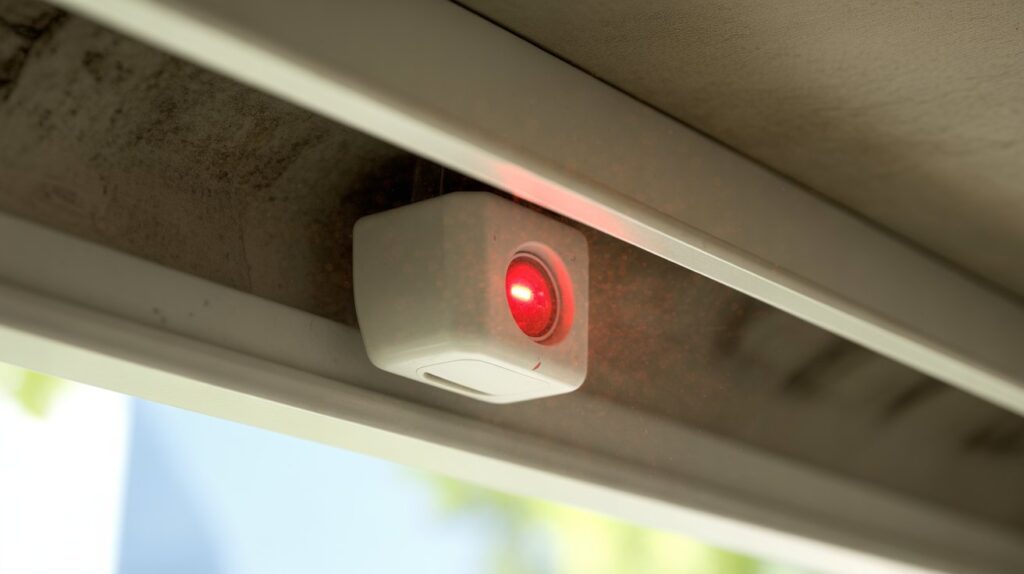
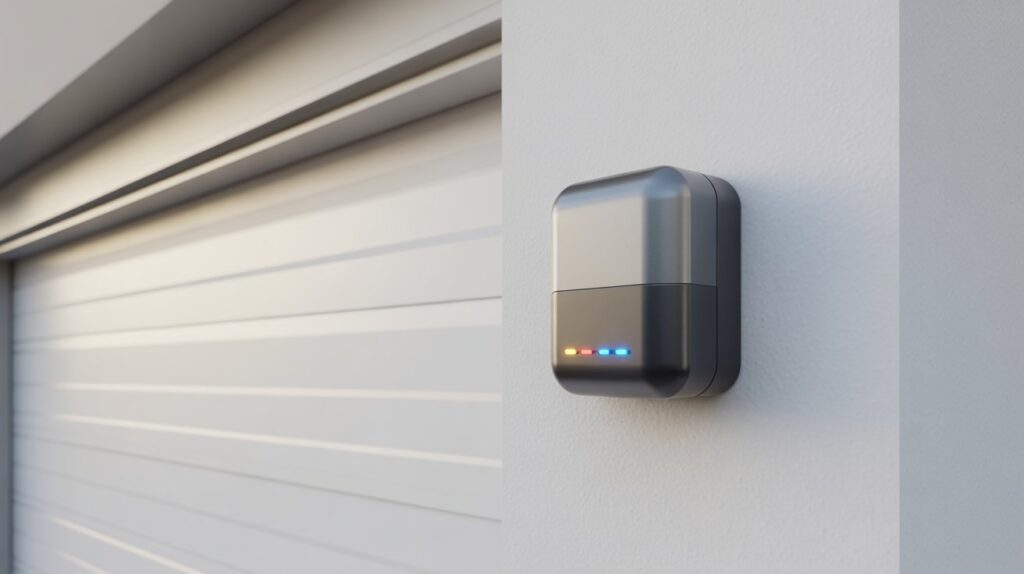
Most sensors show a solid light when aligned correctly and a blinking or off light when there’s a problem — use this as your quick diagnostic check.
Power Cycle the System
Turn off power to the gate opener for a minute, then turn it back on to reset the sensor connection.
A few minutes of hands-on checking usually solves the problem without needing a replacement.
Tips to Keep Your Gate Sensor Working Long-Term
A little routine care keeps your photo eye sensor for gate running smoothly for years, instead of failing when you least expect it.
- Clean the lenses monthly to prevent dust, pollen, or spider webs from blocking the beam.
- Trim nearby plants or bushes that could grow into the sensor’s path over time.
- Weatherproof the sensor housing to protect it from rain, snow, and extreme heat.
- Check alignment after storms since strong wind or heavy rain can shift the brackets.
- Inspect wiring every few months to catch wear, rodent damage, or loose connections early.
- Test the system seasonally by walking through the beam to confirm it still triggers properly.
These small habits take minutes but save you from sudden gate failures and costly repairs down the road.
Conclusion
A photo eye sensor for gate isn’t just a small part bolted onto your driveway — it’s the quiet guardian standing between your family and a costly accident. Most people never think about it until the day it matters most.
Take a moment to think about your own gate. Is it truly protecting the people who pass through it every day?
A working sensor means peace of mind you don’t have to question.
Looking for outdoor coverage too? Check out the Best Wireless Security Cameras Outdoor with Wi-Fi for solid options worth considering.
FAQs
How does a photo eye sensor work?
It sends an infrared beam between two units, and if the beam breaks, the gate stops or reverses instantly.
What is the sensor for gate opening?
It’s a photo eye sensor for gate that detects obstructions and prevents the gate from closing on people, pets, or vehicles.
How to test gate photocell?
Walk through the beam path while the gate is closing — it should stop or reverse immediately if working correctly.
What are the four types of photoelectric sensors?
Through-beam, retro-reflective, diffuse, and distance-settable sensors are the four main types used in gate and industrial systems.
How do you choose a photoelectric sensor?
Match it to your gate’s width, sensing range, and environment, focusing on reliable beam detection over long-term use.
What is the maximum distance of a photoelectric sensor?
Most residential gate sensors cover 30 to 50 feet, though industrial-grade models can reach much farther.