Introduction
Have you ever walked into a dark garage with your arms full, fumbling for a switch you can barely see? That small, frustrating moment is exactly why so many homeowners across the U.S. are switching to an LED shop light with motion sensor. Instead of searching for a switch in the dark, the light simply turns on the moment you step inside, no wasted effort, no wasted electricity.
It sounds like a small change, but anyone who has spent real hours in a garage, shed, or workshop knows how much daily friction a simple upgrade like this can remove. This guide walks through exactly how these fixtures work, what makes them different from regular shop lights, and everything worth knowing before you buy one.
Table of Contents
What Is an LED Shop Light with Motion Sensor?
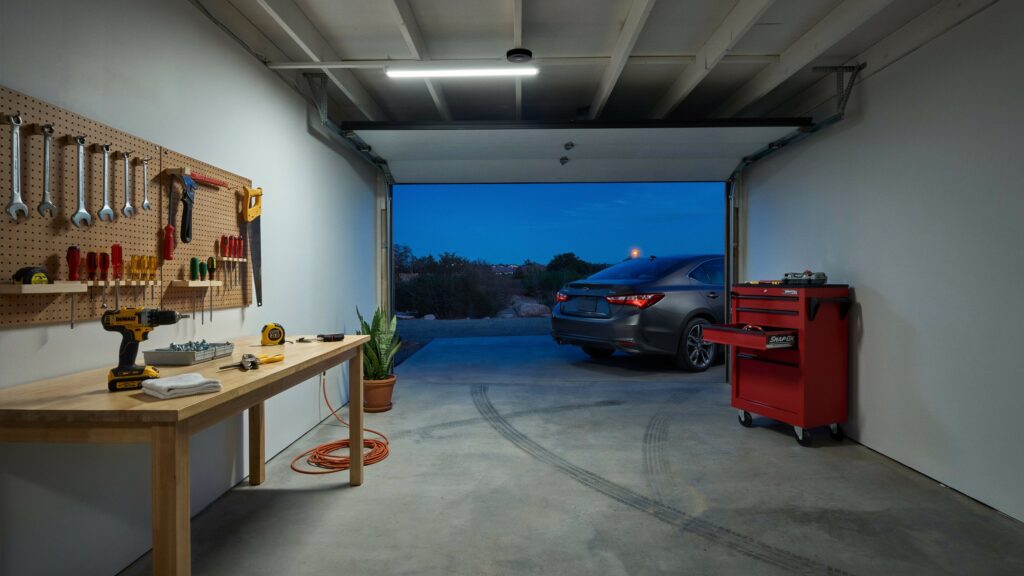
Picture this: you walk into your garage with both hands full, maybe carrying a toolbox or a stack of lumber, and the light just turns on. No fumbling for a switch, no elbowing a panel in the dark. That is the entire point of an LED shop light with motion sensor, and once you experience it, going back to a regular switch feels like a step backward.
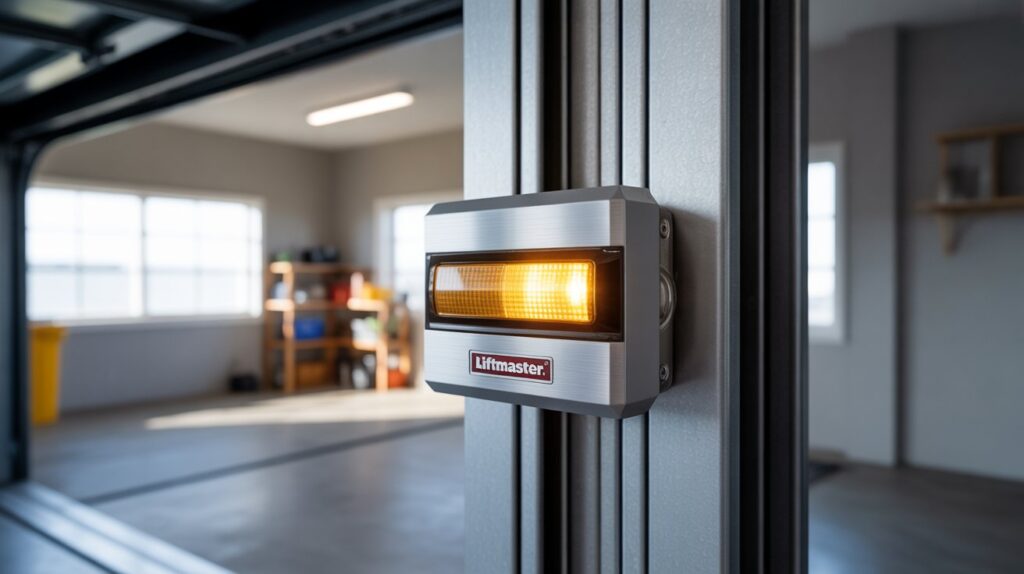
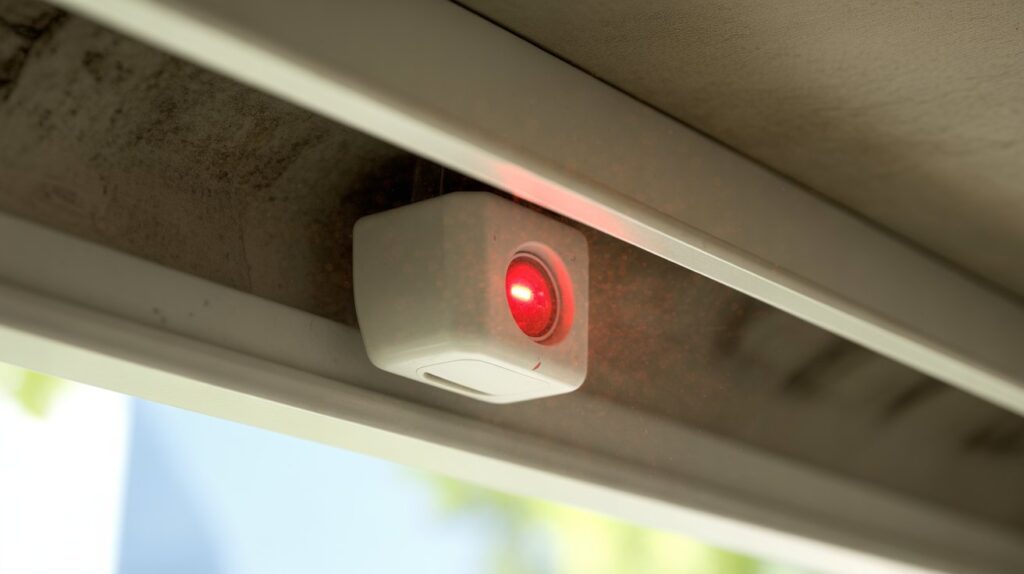
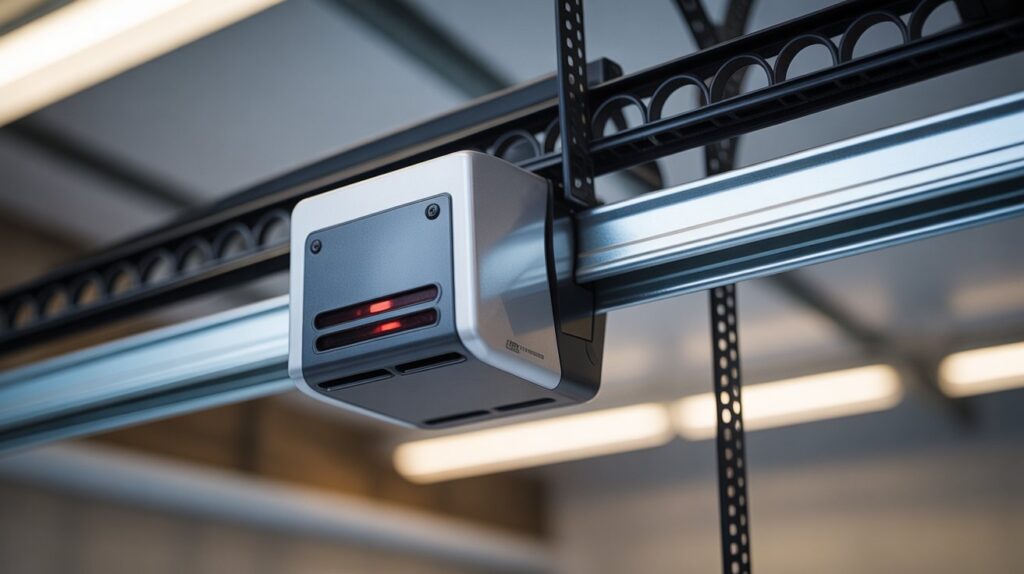
At its core, this fixture is a linear LED shop light, the same style you already know from hardware stores, paired with a built-in PIR (passive infrared) sensor. The sensor detects body heat and movement within its range, then signals the light to turn on automatically. Once you leave the area and no motion is detected for a set period, the light shuts off on its own.
Here is what actually sets it apart from a traditional shop light:
- Turns on by itself the moment you walk in, even with your hands full
- Shuts off automatically after a few minutes of no movement, so it never runs all day by mistake
- Reacts to your presence, not your memory, which is where most regular shop lights fail
It also works differently than a typical ceiling motion sensor bulb. A motion sensor bulb screws into a standard socket and lights up a small, rounded area, which works fine for a hallway or porch. A shop light, on the other hand, is built for wide, even coverage across a workbench, garage floor, or storage area.
The real difference comes down to shape and purpose:
- Motion sensor bulbs light up a single point, ideal for entryways or small nooks
- Shop lights spread brightness in a straight line, covering an entire bench or work area
- Coverage need decides which one makes sense: a corner needs a bulb, a workspace needs a shop light
For anyone who spends real time in a garage, workshop, or shed, this difference is not just a technical detail. It changes how the space actually functions day to day, and that is exactly why this fixture has become such a practical upgrade for American homeowners.
How Motion Sensor Technology Works in Shop Lights
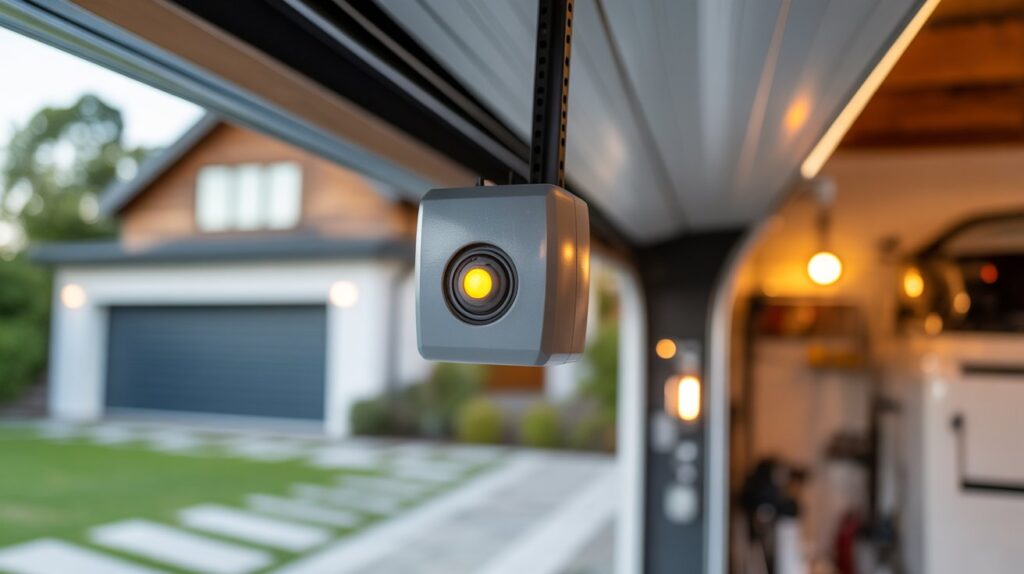
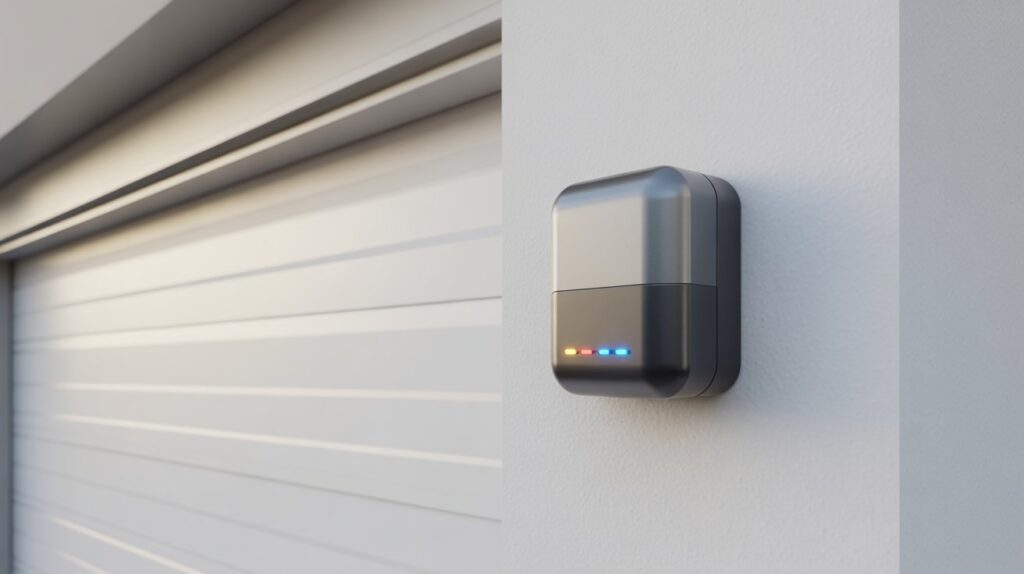
Most people never think about what actually happens inside a light fixture, until it starts turning on and off by itself and suddenly feels like magic. There is no magic here, just smart engineering. Every LED shop light with motion sensor relies on PIR technology, which stands for passive infrared. The sensor watches for infrared heat, the kind your body naturally gives off, and the moment it detects a change in that heat signature within its zone, it tells the light to switch on.
Detection range and angle matter more than most buyers realize when they are shopping:
- Typical range: 15 to 30 feet, enough to cover most two-car garages
- Entry points: a well-angled sensor still catches you walking in from a side door, not just the main entrance
- Poor placement: a narrow or badly angled sensor can leave you standing in the dark, waving your arms like you are flagging down a plane
Range and angle are not just specs on a box; they decide whether the light actually works for your space.
Auto-off timers are the other half of the equation, and this is where a shop light with motion sensor starts paying for itself. Instead of a light burning for hours after you have finished a project and walked away, the timer counts down once no movement is detected:
- Short timers (30 seconds to a few minutes) suit quick, in-and-out spaces
- Longer timers (up to 15 minutes) work better for extended garage or workshop sessions
- No manual shutoff needed, so you are never walking back at midnight just to turn off a light you forgot three hours earlier
Some fixtures go a step further with dusk-to-dawn or ambient light sensing, which adds a photocell that reads how much natural light is already in the room. This stops the light from triggering during the day, when a bright garage already has plenty of sunlight coming through the windows, and keeps it fully active once it actually gets dark. For anyone who wants a shop light with motion sensor that behaves intelligently instead of constantly, that ambient light feature is often the difference between a fixture you love and one you eventually disconnect out of frustration.
Key Benefits for Garages, Workshops, and Sheds
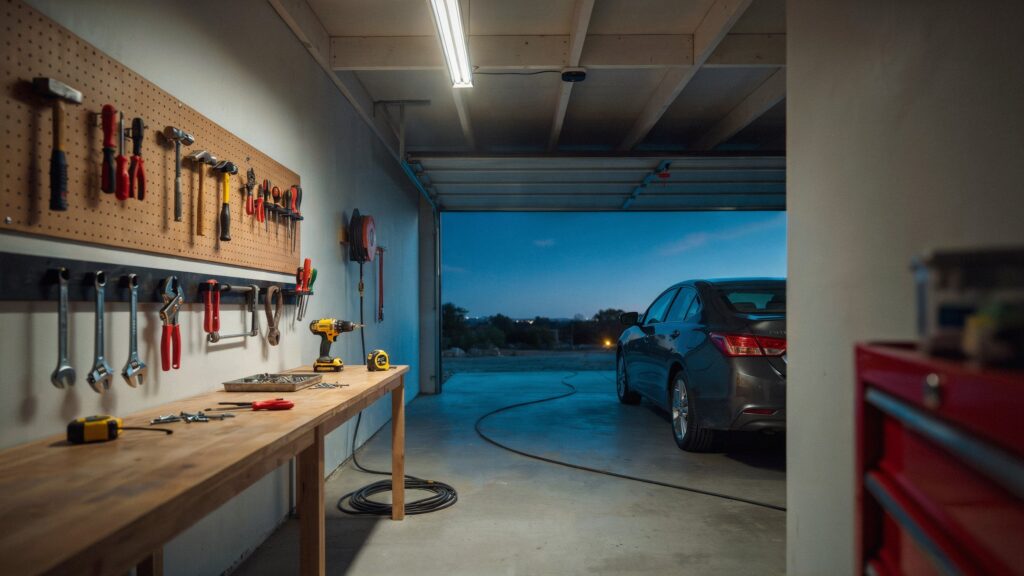
An LED shop light with motion sensor does more than light up a room. It changes how safely and efficiently that space actually functions, whether it is a busy weekend workshop or a garage you barely think about until something breaks.
- Hands-free convenience: no more setting down a toolbox or a paint can just to reach a switch, since the light responds the second you walk in
- Real energy savings: the light only runs while someone is actually in the space, cutting down on the wasted hours a manual switch light often burns through
- Added safety around tools and equipment: instant lighting means fewer fumbling moments near saw blades, ladders, or cluttered floors, which matters most in the exact spaces where accidents tend to happen
- Extended bulb lifespan: less total runtime means the LED itself lasts significantly longer, so replacements become a rare task instead of a yearly chore
- Peace of mind for busy households: parents, DIYers, and anyone juggling a dozen tasks at once no longer have to remember to turn a light off, since the fixture handles that on its own
For anyone who spends real hours in a garage, shed, or workshop, these benefits add up fast. It is not just about convenience on paper, it is about walking into a space that feels safer, runs more efficiently, and simply works the way it should every single time.
What to Look for Before Buying One
Not every LED shop light with motion sensor is built the same way, and picking the wrong one usually means realizing it too late, once it is already mounted and underperforming. A little attention before buying saves a lot of frustration later.
Brightness (Lumens)
The right brightness level decides whether a workspace feels comfortable or exhausting. Too little light leaves you straining over small details, while an overly harsh fixture can tire the eyes just as quickly.
- 4,000 to 5,000 lumens works well for a single-car garage or small workshop
- 6,000 lumens or higher suits larger two-car garages or spaces with darker walls that absorb light
- Color temperature around 5000K gives a crisp, daylight-like white that makes it easier to spot details on tools or materials
Detection Range
The sensor is only useful if it actually reaches where you need it to.
- Wider angles cover more of a garage floor without needing a second fixture
- Adjustable sensitivity helps avoid missed triggers in larger spaces
- Placement near the entry point ensures the light activates the moment you step in, not several seconds later
Mounting Style
How the fixture attaches to the ceiling affects both installation and long-term flexibility.
- Surface-mount sits flush against the ceiling, ideal for lower garage heights
- Hanging mount works well in taller spaces where extra clearance is available
- Linkable design allows multiple fixtures to connect in a row, useful for covering a long workbench or an oversized garage
Power Source
This decision often comes down to how the space is already wired.
- Hardwired options connect directly into existing electrical, offering a permanent and clean setup
- Plug-in models are easier to install without an electrician, ideal for renters or quick upgrades
IP Rating for Damp Garages
Garages are rarely climate-controlled, and moisture, dust, or humidity can shorten a fixture’s lifespan fast.
- IP44 or higher handles occasional dust and light moisture
- IP65 suits garages exposed to more humidity, like those near a laundry area or an exterior door
- Checking this rating upfront avoids a frustrating replacement just months after installation
Getting these five details right before buying means the LED shop light with motion sensor actually matches the space it is going into, instead of becoming another fixture that underdelivers once it is already on the ceiling.
Installation Tips and Common Mistakes
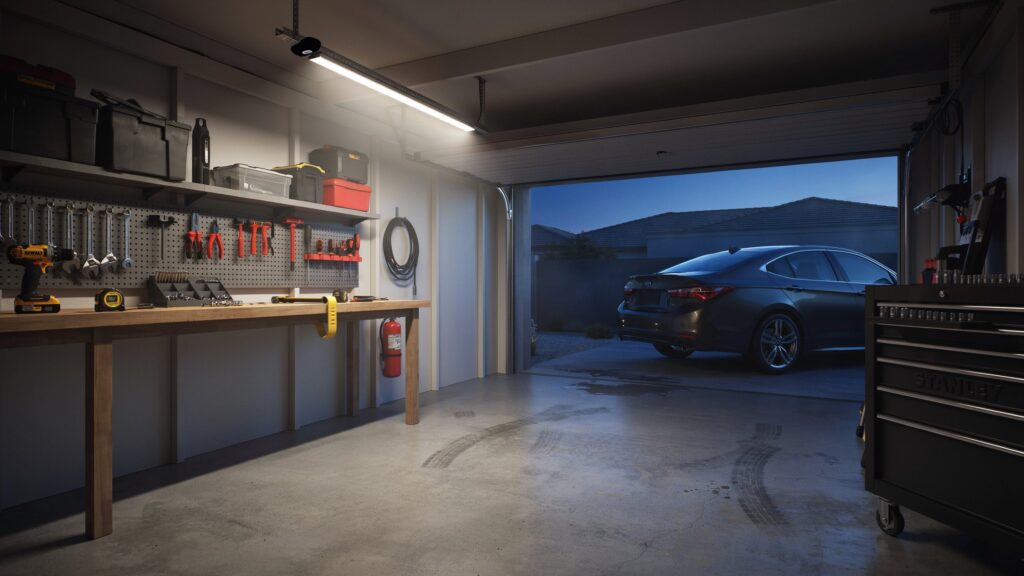
Even the best LED shop light with motion sensor can disappoint if it is installed the wrong way. Most complaints about these fixtures have nothing to do with the product itself and everything to do with a placement or wiring mistake that could have been avoided with a little planning.
Sensor Placement
Where the sensor faces determines whether it catches you the moment you walk in or leaves you standing in the dark for a few extra seconds.
- Aim toward the main entry point, whether that is a side door or the garage door area, so the light triggers immediately
- Avoid mounting directly above tall shelving or stacked boxes, since these can block the sensor’s field of view
- Center placement in the room usually gives the widest, most reliable coverage
Avoiding False Triggers
A shop light that turns on for no reason gets annoying fast, and most false triggers trace back to a few predictable causes.
- Windows facing direct sunlight can confuse a sensor into reading temperature changes as movement
- HVAC vents blowing warm or cold air across the sensor’s path often cause random activations
- Reflective surfaces near the sensor, like metal shelving, can occasionally bounce infrared signals in unexpected ways
Wiring Basics
Wiring mistakes are the most common reason a fixture fails shortly after installation.
- Always shut off power at the breaker, not just the wall switch, before touching any wiring
- Match wire colors carefully, since reversing hot and neutral connections can cause flickering or premature failure
- Use a voltage tester to confirm the circuit is fully off before making any connections
Spacing for Linkable Fixtures
Linkable shop lights make it easy to cover a large garage, but spacing them incorrectly can leave dark gaps or wasted overlap.
- Space fixtures 12 to 18 inches apart for even, gap-free coverage across a workbench or garage floor
- Avoid daisy-chaining too many units on one circuit, since this can overload the connection
- Plan the layout before mounting, since adjusting spacing after installation means extra holes and wasted time
Getting these details right the first time means the LED shop light with motion sensor works exactly as expected from day one, instead of becoming a fixture you are troubleshooting a week after installing it.
Final Thoughts
A garage is more than storage space. It is where projects happen, tools live, and safety matters every single day. An LED shop light with motion sensor removes one small hassle, fumbling for a switch, and replaces it with light that simply responds when you need it.
That is the real upgrade: less to think about, more to trust.
So take a moment to think — how many times has a dark garage or workshop slowed you down? Sometimes the smallest changes make the biggest difference.
FAQs
Do LED lights work with motion sensors?
Yes, LED lights pair perfectly with motion sensors since they turn on instantly without any warm-up delay.
Who makes the best LED shop lights?
Brands like Hyperikon, Lepower, and Linkable Shop Light manufacturers are known for reliable, well-rated motion sensor fixtures.
Is 10,000 lumens too bright for a garage?
Not usually, since larger two-car garages often need that much brightness to stay evenly lit corner to corner.
What are the disadvantages of motion sensor lights?
False triggers from pets, drafts, or sunlight can occasionally cause the light to switch on unexpectedly.
When should you not use LED lights?
Avoid them in fixtures rated only for incandescent bulbs unless the LED is specifically labeled compatible.
Do motion lights raise the electric bill?
No, they typically lower it since the light only runs while motion is actually detected.
Is it cheaper to leave LED lights on or turn them off?
Turning them off is almost always cheaper, since LEDs use very little extra energy to restart.
How long do motion sensors last?
Most quality sensors last 5 to 10 years with normal household use.