Introduction
Have you ever rushed home after a long day, only to find your garage door refusing to close? For many homeowners in the U.S., that frustrating moment is all too familiar. Often, the culprit is both garage door sensors not lighting up, leaving the door unresponsive and raising safety concerns.
Garage door sensors do more than just open and close a door—they protect your family, pets, and belongings from accidents. Understanding why these sensors fail and how to fix them isn’t just a technical task; it’s about peace of mind in your own home. By the end of this guide, you’ll know exactly how to troubleshoot, maintain, and restore your garage door sensors so your garage remains a safe and reliable space.
Table of Contents
When Your Garage Door Suddenly Stops Working
It usually happens at the worst possible moment. You press the remote, the garage door starts moving… and then suddenly stops. Maybe it refuses to close, or it goes right back up. For many homeowners across the United States, this is the moment they realize something isn’t right with their garage door system.
In many cases, the problem comes down to the safety sensors. These small devices sit near the bottom of the garage door track and protect people, pets, and vehicles from accidents. When they’re working correctly, they create an invisible beam across the doorway. If anything blocks that beam, the garage door automatically stops. That’s why they’re such an important safety feature in modern American homes.
But things get confusing when both garage door sensors not lighting up at the same time. Normally, at least one sensor should show a steady light. When both lights are off, it often points to a deeper issue like power problems, wiring faults, or a connection issue with the garage door opener.
For homeowners, this can feel frustrating at first. The door won’t close properly, and the system seems completely unresponsive. The good news is that this issue is actually more common than people think, and in many situations, it can be diagnosed quickly once you understand how these sensors work.
How Garage Door Safety Sensors Actually Work
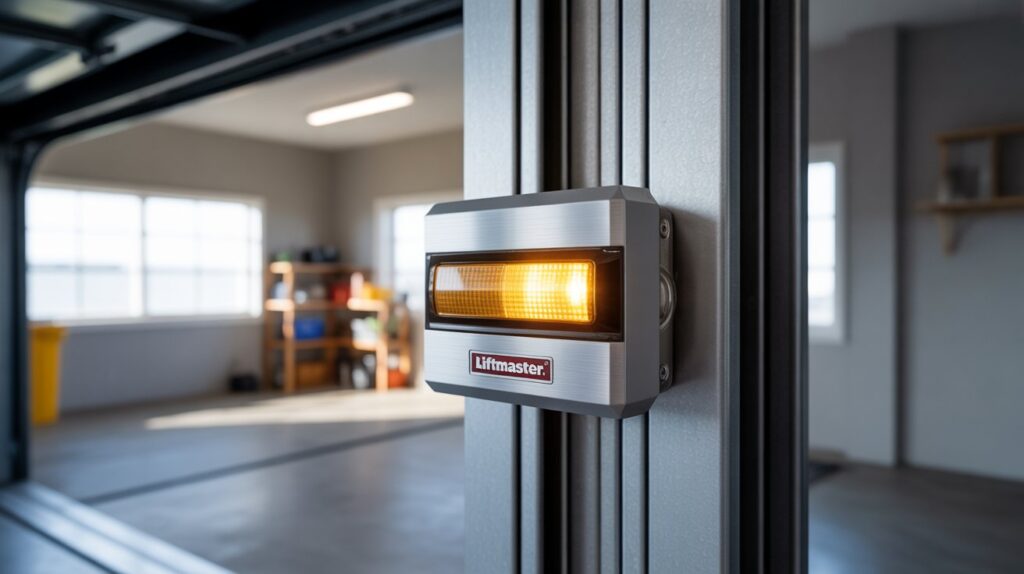
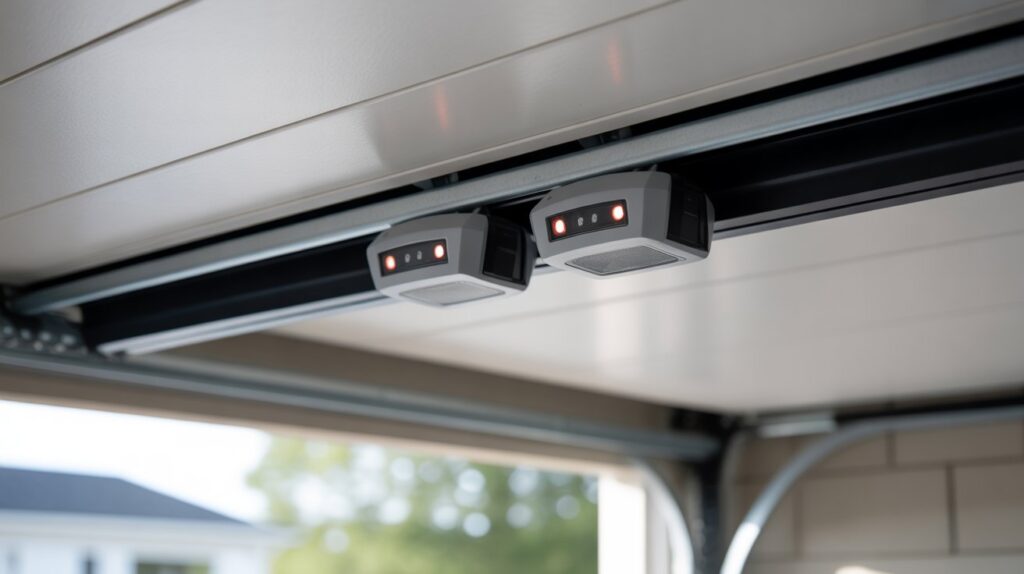
Though tiny in size, garage door safety sensors are essential for the smooth and safe operation of your garage door.These sensors are usually installed a few inches above the floor on each side of the garage door track. Their job is simple: make sure nothing is in the door’s path before it closes.
Infrared Beam Connection Between Sensors
The system works through an invisible infrared beam sent from one sensor to the other. When the beam connects properly, the garage door opener knows the path is clear and allows the door to close normally. If that connection breaks, the door immediately stops or reverses to prevent accidents.
Why Indicator Lights Matter
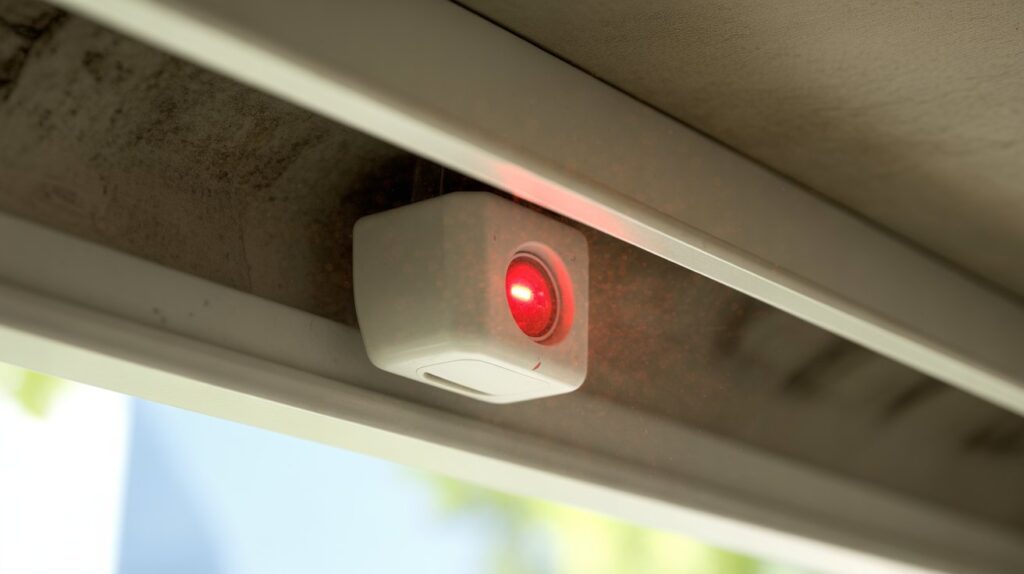
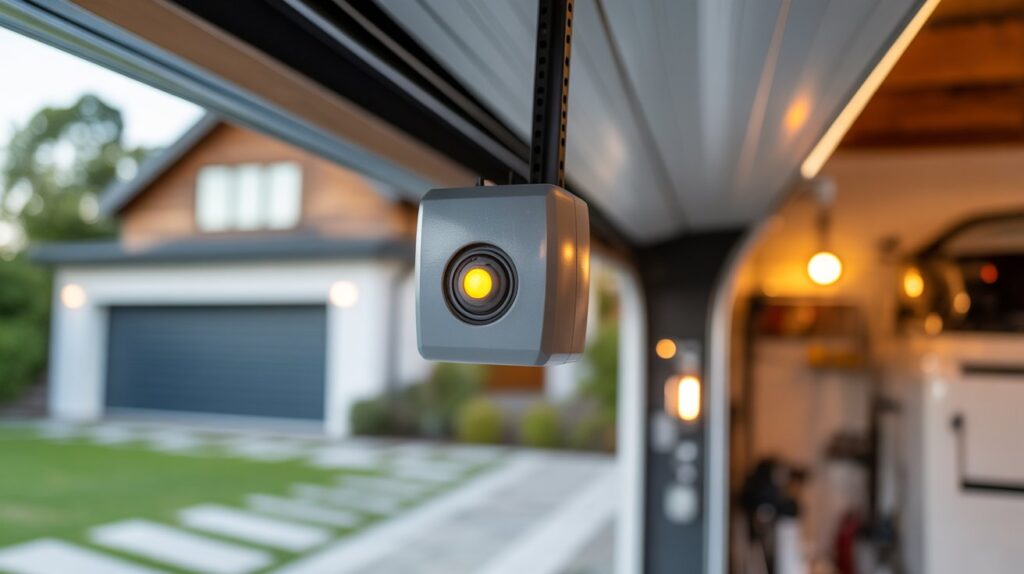
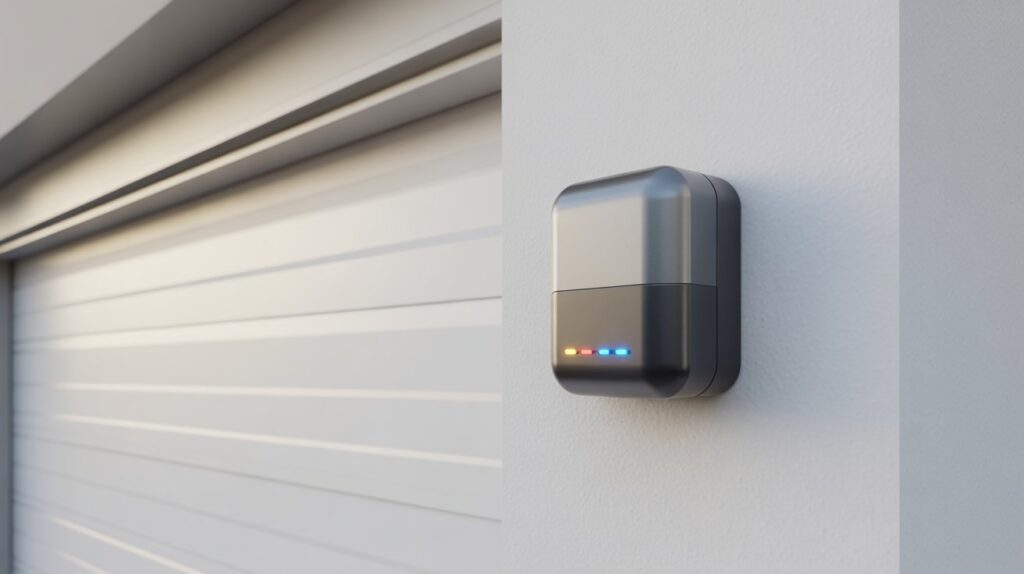
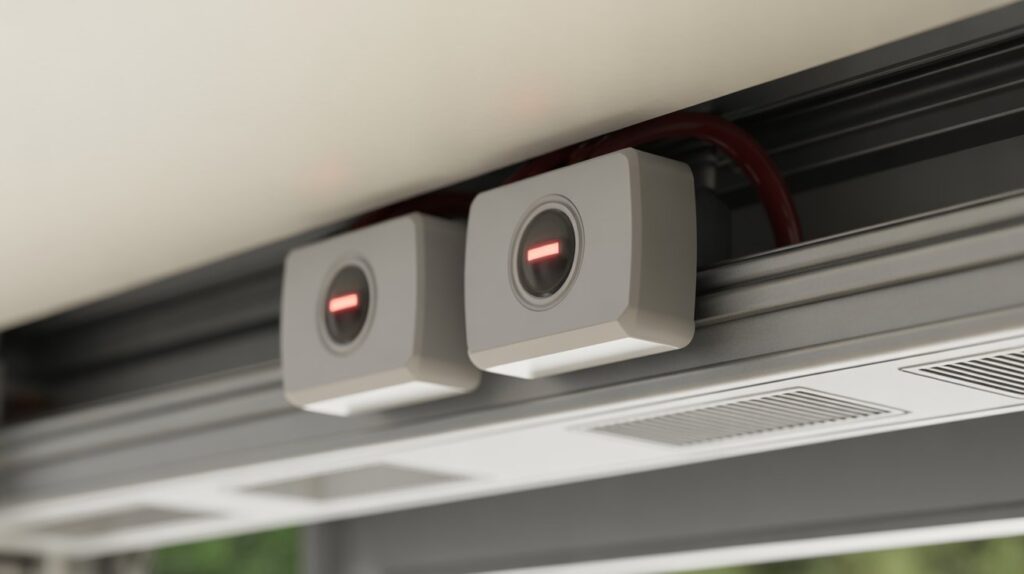
Each sensor has a small LED indicator light. These lights help homeowners quickly understand if the system is working. Normally:
- One sensor shows a steady light (sending unit)
- The other shows a solid or slightly dim light (receiving unit)
If both garage door sensors not lighting up, it usually means the sensors are not receiving power, the wiring is damaged, or the opener connection has failed.
What Happens When the Beam Is Interrupted
When something blocks the beam—like a trash can, a bike tire, or even dust buildup—the system reacts instantly. The garage door will stop closing and often reverse back up. This safety feature prevents injuries and protects vehicles, pets, and children.
Why Modern U.S. Garage Systems Depend on Them
In the United States, garage door safety sensors are not just helpful—they are a required safety standard in modern automatic garage door systems. Federal safety regulations pushed manufacturers to include them so garage doors don’t close on people or objects. That’s why when homeowners notice both garage door sensors not lighting up, it’s important to check the system quickly. Without working sensors, the door may refuse to close at all.
The Most Common Reasons Both Garage Door Sensors Are Not Lighting Up
When both garage door sensors not lighting up, it usually means something is interrupting power, connection, or communication within the system. Many homeowners in the U.S. assume the sensors are broken, but in reality the cause is often something simple.
Here are the most common reasons this happens.
- Power supply problems
If the garage door opener loses power, the sensors will stop working as well. This can happen after a tripped breaker, unplugged opener, or outlet failure. When there’s no power running through the system, both sensor lights stay off. - Loose or damaged wiring
Over time, garage door sensor wires can loosen, fray, or get damaged. Small staples, temperature changes, or pests sometimes affect the wiring along the wall. If the connection breaks, the sensors won’t receive electricity, which leads to both lights turning off. - Misaligned sensor brackets
Sensors must face each other perfectly to work. If the brackets get bumped by a trash bin, car tire, or storage box, the alignment can shift. When the connection fails long enough, some systems stop showing indicator lights altogether. - Sunlight interference
In many American garages, direct sunlight can hit the receiving sensor in the late afternoon. Strong light can confuse the infrared signal and temporarily disrupt the system. - Faulty sensor units
Like any electronic device, sensors can wear out over time. Moisture, dust, or age can cause internal failure. When this happens, both garage door sensors not lighting up may be a sign the units need replacement. - Garage door opener logic board issues
Sometimes the problem isn’t the sensors at all. The opener’s internal logic board supplies power and communication to the sensors. If it starts failing, the sensors may stop lighting up completely.
Understanding these common causes makes troubleshooting much easier. In many cases, the solution is simpler than homeowners expect.
Step-by-Step Troubleshooting You Can Try at Home
If you notice both garage door sensors not lighting up, don’t panic. In many U.S. homes, this problem turns out to be something small that can be fixed in a few minutes. Before calling a technician, it’s worth checking a few things yourself.
Check the Power Source
Start with the basics. Your garage door opener must have power for the sensors to work.
- Make sure the opener is plugged in properly
- Check the wall outlet
- Inspect the circuit breaker in your electrical panel
Sometimes a breaker trips during a storm or power surge, and homeowners don’t realize it. When power returns, the sensor lights often come back immediately.
Inspect the Wiring
Next, take a quick look at the sensor wires running along the wall and track.
- Look for loose connections near the opener
- Check for cuts, pinched wires, or corrosion
- Make sure the small wires are still attached to the sensor terminals
Even a slightly loose wire can cause both garage door sensors not lighting up because the system loses its power connection.
Clean and Realign the Sensors
Garages collect dust, dirt, and spider webs more than most parts of the house. That buildup can block the sensor signal.
- Gently wipe the sensor lenses with a soft cloth
- Remove dirt, cobwebs, or debris
- Adjust the sensors so they face each other directly
When the alignment is correct, the indicator lights usually turn back on right away.
Reset the Garage Door System
Sometimes the system simply needs a reset.
- Unplug the garage door opener
- Wait about 30–60 seconds
- Plug it back in and test the door
This quick reset often restores communication between the opener and the sensors. Many homeowners overlook this step, but it can solve the issue surprisingly often.
When the Problem Is More Serious
Sometimes the issue goes beyond simple alignment or cleaning. If you’ve already checked the basics and both garage door sensors not lighting up, it may point to a deeper mechanical or electrical problem. Recognizing the warning signs early can save homeowners time, money, and frustration.
Sensors Completely Dead
If there are no lights at all on either sensor, even after checking power and wiring, the units themselves may have failed. Sensors can wear out over time due to age, temperature changes, or moisture inside the garage. In many American homes, older garage systems eventually reach this point.
Burn Marks or Damaged Wires
Take a closer look at the wiring near the opener and along the track. If you notice burn marks, cracked insulation, or severely frayed wires, the electrical connection may be compromised. This can stop power from reaching the sensors, which results in both indicator lights staying off.
Garage Door Opener Logic Board Failure
The garage door opener has a control board that manages the entire system, including the safety sensors. If this board starts failing, the sensors may suddenly lose power or stop responding. Homeowners sometimes replace sensors first, only to realize the opener itself is the real issue.
When Replacing the Sensors Is the Smarter Option
If the sensors are old, damaged, or repeatedly causing problems, replacement can be the simplest solution. Modern garage door safety sensors are more reliable and easier to install than older models. For many homeowners dealing with both garage door sensors not lighting up, upgrading the sensors restores normal operation and improves overall garage safety.
Conclusion
Dealing with both garage door sensors not lighting up can feel stressful, especially when your garage door won’t respond and safety feels compromised. But understanding how sensors work, the common causes behind their failure, and simple troubleshooting steps empowers you as a homeowner.
Taking the time to inspect, clean, realign, or even replace faulty sensors isn’t just about convenience—it’s about keeping your family, pets, and property safe. Small actions today prevent accidents tomorrow.
Now take a moment to think — how safe is your garage system, and what steps can you take to ensure it protects your home every single day?
A fully functional garage door isn’t just a convenience; it’s peace of mind you can rely on.
FAQs
Q1: Why are both my garage door sensors not lighting up?
A: This usually happens due to power loss, damaged wiring, misalignment, or a faulty opener board.
Q2: How do you reset your garage door sensors?
A: Unplug the garage opener for 30–60 seconds, then plug it back in to reset the sensors.
Q3: Is there a fuse for garage door sensors?
A: Most sensors rely on the opener’s internal circuitry instead of a separate fuse.
Q4: Why is my sensor light not coming on?
A: Sensor lights fail when there’s no power, loose wiring, or the units are damaged.
Q5: How to reset sensor lights?
A: Realign the sensors, clean the lenses, and perform a quick opener reset.
Q6: How to fix sensor lights?
A: Check power, inspect wiring, clean lenses, realign sensors, or replace faulty units.
Q7: How to check if a light sensor is working?
A: Block the sensor beam briefly—if the door reverses or stops, the sensor works.
Q8: What is the most common problem with PIR sensors?
A: Misalignment, dirt on the lens, or electrical issues are the top causes of PIR sensor failure.
Q9: What to do when the sensor is not working?
A: Inspect power, wiring, and alignment; clean the sensors, reset the opener, or replace faulty parts.