Introduction
A garage door that stops halfway or reverses for no clear reason usually isn’t an opener problem — it’s the safety sensors doing exactly what they’re built to do. Learning how to reset them turns a stressful moment into a quick fix, since even minor dirt or misalignment is enough to trigger it.
This guide walks through what causes it and the exact steps to get your garage door working normally again.
Table of Contents
When Your Garage Door Suddenly Stops Working
It usually happens when you’re in a hurry — you press the button, the door starts moving, then suddenly stops or reverses, with the sensor light blinking. For most homeowners, that first reaction is confusion about what just went wrong.
In most cases, it’s not as serious as it looks. Modern openers rely on small safety sensors near the bottom of the tracks that stop the door if something’s in the way, and when that system gets interrupted, the door simply won’t close until it’s resolved.
A quick reset usually brings the system back to normal within minutes — before assuming the opener itself is broken, it helps to remember these sensors are built to be sensitive, and that sensitivity is often all it takes to trigger a false stop.
Understanding How Garage Door Sensors Work
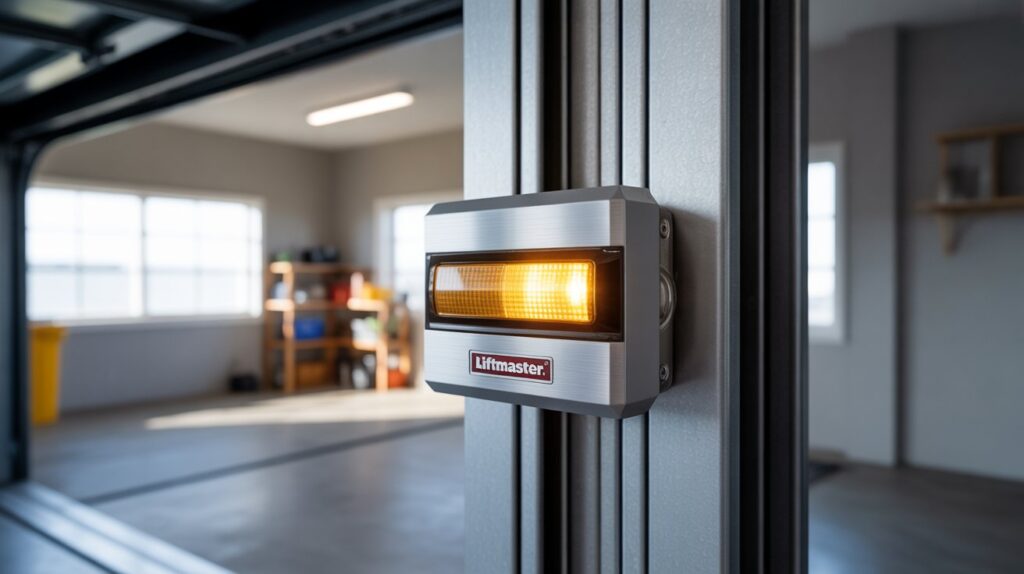
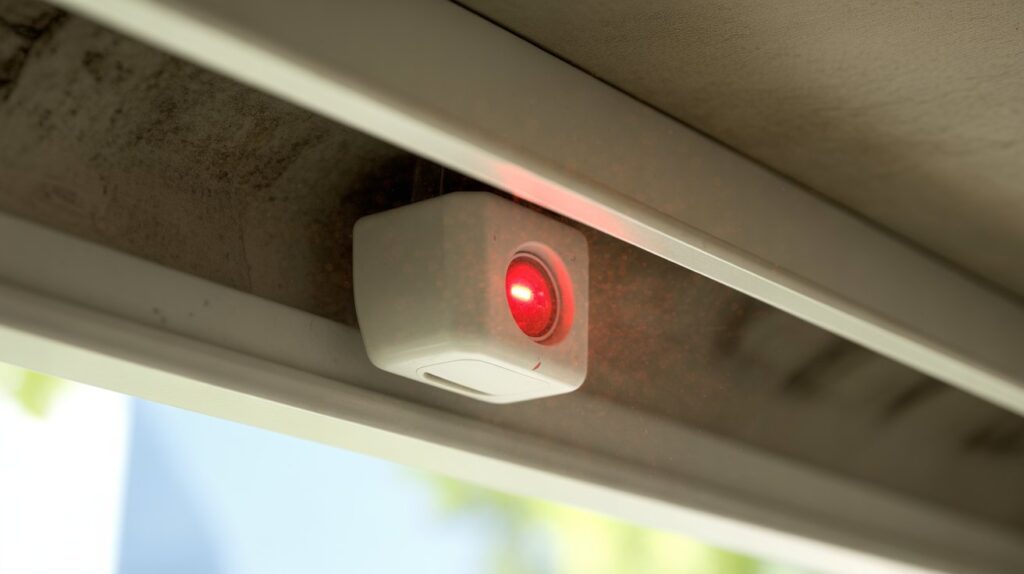
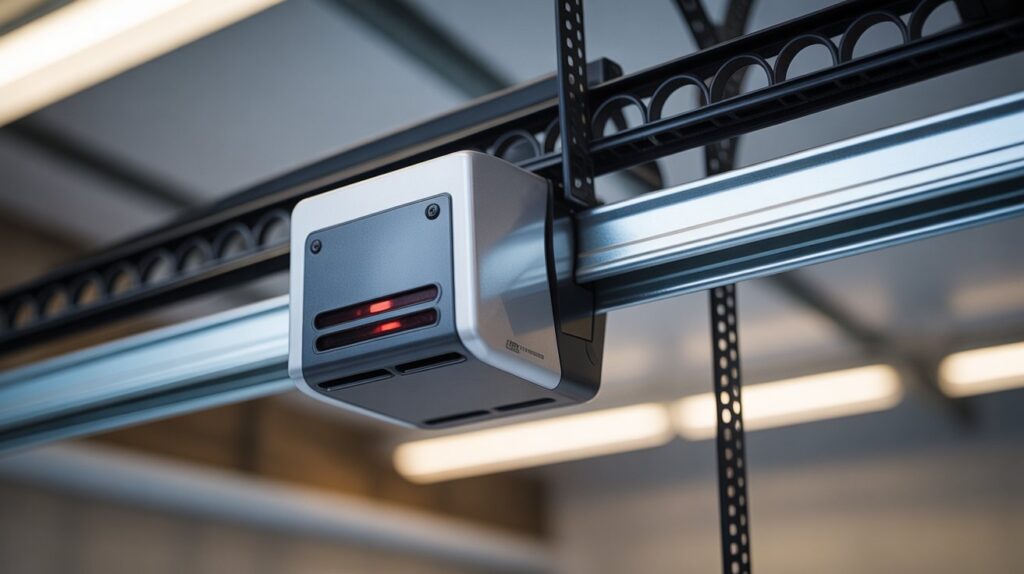
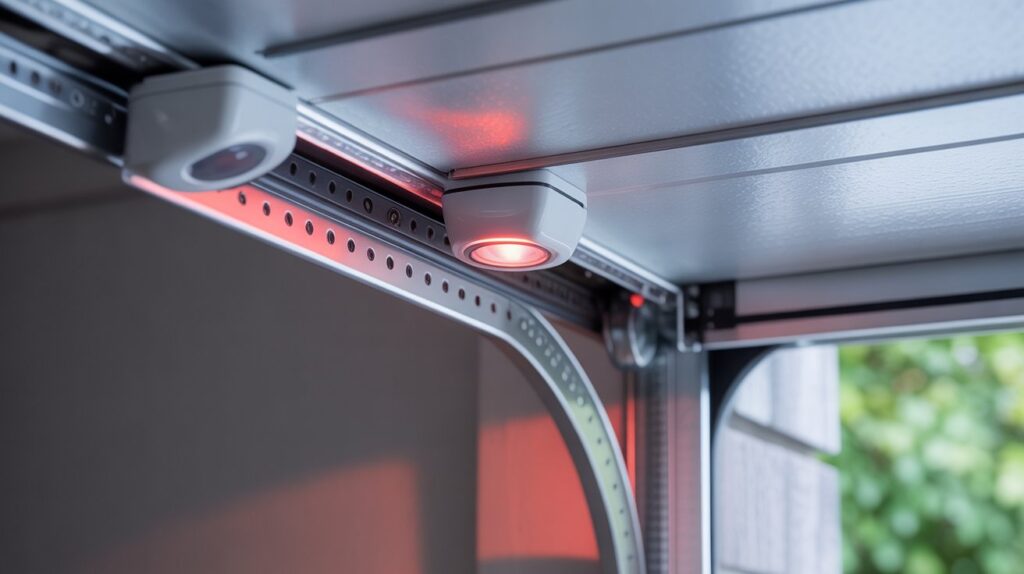
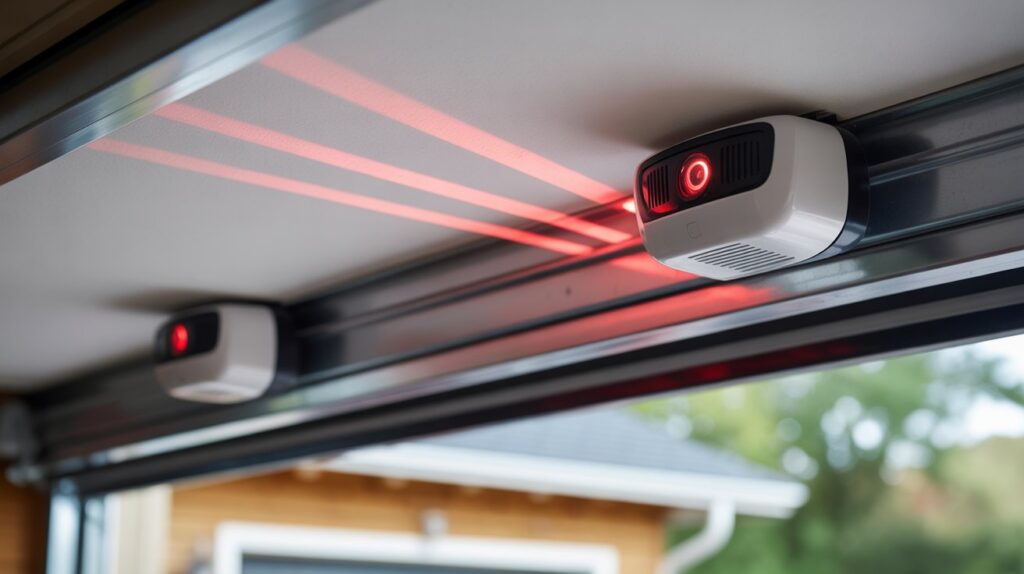
These sensors are part of a built-in safety system designed to prevent accidents — one sensor sends an invisible infrared beam, the other receives it, and if that beam is blocked, the door stops immediately. A few things worth knowing:
- An infrared beam runs between the sensors on each side of the door
- Breaking the beam makes the door automatically stop or reverse
- The system protects people, pets, vehicles, and belongings
- Safety sensors are required in modern U.S. garage door openers — the Consumer Product Safety Commission has documented why this became a federal requirement
Because the system is built to be this sensitive, even a minor issue is enough to stop the door from closing.
Common Reasons Sensors Stop Working
When the sensors stop communicating properly, the opener assumes something’s wrong and refuses to close the door. The most common causes:
- Misalignment — the sensors aren’t facing each other correctly
- Power interruption — a brief outage or unplugged opener resets the system
- Dirt or blockage — dust, spider webs, or objects blocking the lens
- Loose wiring — small connections coming loose over time
Understanding these causes makes troubleshooting faster and less stressful.
Signs Your Garage Door Sensors Need a Reset
When a garage door suddenly refuses to close, the sensors are often the first place to check. Many homeowners across the United States assume the opener is broken, but in reality the system may just need a quick adjustment or reset. Recognizing the warning signs early can save time, stress, and sometimes even the cost of a service call. In many cases, learning how to reset garage door sensors is enough to solve the issue.
Common Signs Something Isn’t Right
Your garage door system usually gives a few clear signals when the sensors are not working properly. Paying attention to these small clues can help you confirm the problem before starting any fixes.
- Garage door won’t close completely – the door starts moving but stops halfway or returns back up
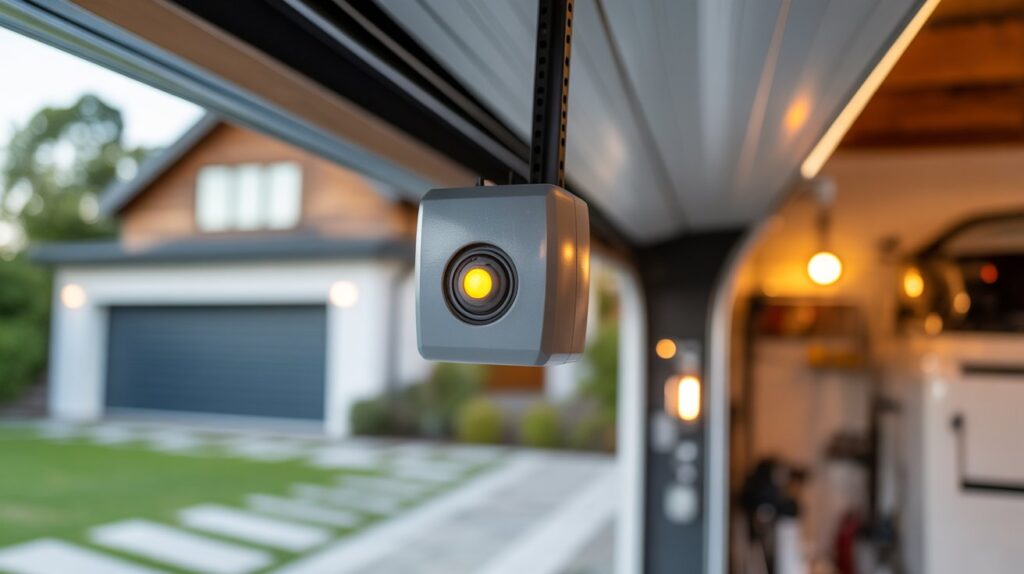
- Blinking or no sensor lights – indicator lights on the sensors may flash or turn off
- Door reverses immediately – the door touches the ground and then opens again
- Wall button works but remote does not – the system behaves differently depending on how you operate it
These signs usually mean the safety beam between the sensors isn’t connecting correctly, and the opener blocks the door from closing to prevent accidents. Most of these issues are minor and get fixed in a few minutes with a simple reset or realignment.
Step-by-Step Guide: How to Reset Garage Door Sensors
If your door suddenly refuses to close, it’s usually a small sensor issue rather than a major mechanical failure — this whole process typically takes just a few minutes. Follow these steps in order.
Step 1: Turn Off the Power
Disconnect power to the opener before touching the sensors or wiring — unplug it from the ceiling outlet, or switch off the garage circuit breaker. This prevents the door from moving accidentally while you inspect it.
Step 2: Check Sensor Alignment
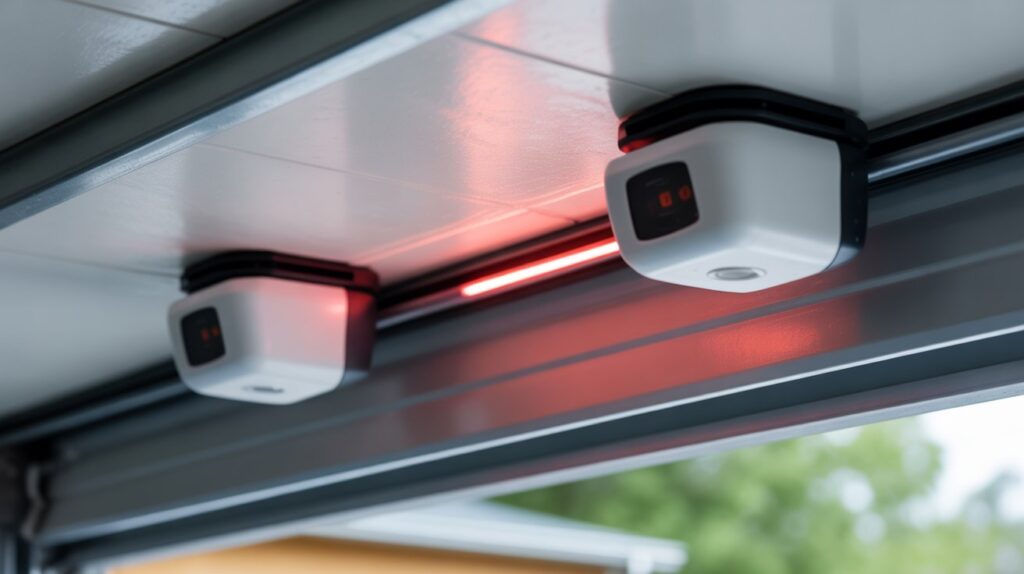
Look at the sensors mounted near the bottom of each track. They must face each other directly to form the safety beam:
- Both sensors at the same height
- Pointing straight at each other
- Nothing blocking the space between them
Even a slight bump from a trash can or bike can knock them out of alignment.
Step 3: Clean the Sensor Lenses
Garages collect dust fast. Gently wipe the lenses and surrounding area with a soft cloth or tissue to clear any dirt, webs, or buildup — this alone fixes the issue more often than homeowners expect.
Step 4: Restore Power and Reset
Plug the opener back in or flip the breaker on, then test it with the remote or wall button. If the sensors are aligned and clean, the door should close normally.
Step 5: Test the Safety Feature
Place a small object like a box under the door and try closing it — a working system should stop or reverse immediately. This confirms the sensors are actually protecting your home the way they’re meant to. For sensors that keep failing this test, it may be worth reviewing our garage door sensor bracket guide to check if the mounting hardware itself needs replacing.
Troubleshooting If the Reset Doesn’t Work
Sometimes a quick reset solves the issue immediately. But if your garage door still refuses to close, there may be another small problem behind the scenes. Many homeowners begin searching again for how to reset garage door sensors, thinking they missed a step. In reality, the issue may simply need a bit more inspection.
Before calling a technician, it’s worth checking a few common trouble spots that often cause sensor failures.
Here are a few things to look at:
- Inspect wiring connections
Over time, small wires connected to the sensors can loosen or shift. Look for disconnected, damaged, or worn wires near the bottom of the garage door tracks and around the opener unit. - Tighten mounting brackets
Garage doors vibrate every time they open or close. This movement can slowly loosen the brackets holding the sensors. If a sensor tilts even slightly, the safety beam may break. - Replace damaged sensors
If a sensor lens is cracked or the light never turns on, the unit may be faulty. Replacing the sensor pair is often a simple and affordable fix. - Check the garage door opener manual
Different opener brands have slightly different reset procedures. Reviewing the manufacturer’s instructions can help confirm you’re following the correct steps.
Most of the time, the solution is still simple. Understanding how to reset garage door sensors and checking these small details can restore your garage door system without a costly repair visit.
Final Thoughts
Most of the time, a garage door that refuses to close comes down to a small sensor issue rather than a major failure — resetting, cleaning, and realigning the sensors resolves it in a few minutes for most homeowners.
Keeping these sensors clean and properly aligned is what keeps the rest of the system running safely. If the same problem keeps coming back after a reset, that’s usually a sign the sensors themselves, the wiring, or the opener board need a closer look rather than another reset.
FAQs
How long does it take to reset garage door sensors?
Usually under 5 minutes, since it’s just a power cycle plus a quick check of alignment and cleanliness.
Do garage door sensors reset automatically after a power outage?
Yes, most reconnect on their own once power is restored, though a manual check confirms the beam is aligned correctly.
Can I reset garage door sensors without unplugging the opener?
It’s safer to cut power first, since it prevents the door from moving unexpectedly while you’re near the sensors.
Why does my garage door close but not reopen after hitting an object?
That usually points to a faulty auto-reverse function rather than the sensors, and it should be checked by a technician.
Do different garage door brands reset sensors the same way?
The basic steps are similar, but checking your opener’s manual confirms brand-specific details like button sequences.
About the Author
M Bilal holds a BS in Criminology and writes about home security, safety devices, and crime-prevention technology at CrimTechHub. His criminology background shapes how he covers safety-system topics like this one — focusing on how these systems are designed to work, why manufacturers require them, and practical troubleshooting steps that don’t compromise the safety mechanism.