Introduction
Leaving your apartment for the day, do you ever wonder if your door — or your belongings — are really secure? In New York’s dense apartment buildings, that concern is real, and security cameras are one of the most common answers. But installing one without knowing the rules can create privacy and legal risks fast.
This guide breaks down apartment security camera laws in New York State — what areas can legally be monitored, what landlords must disclose, and how tenants can protect their privacy. By the end, you’ll know exactly where the legal lines are, for your own home or your building.
Table of Contents
Apartment Security Camera Laws in New York State – What Every Tenant and Landlord Must Know
More New York apartment buildings are installing security cameras, and it’s easy to see why. They help prevent theft in shared lobbies, keep an eye on deliveries, and give both tenants and landlords a clearer picture of what’s happening around the property. But this rise in surveillance also raises real questions about privacy and where the legal limits sit.
For tenants, being monitored can feel intrusive. For landlords, the challenge is balancing safety with residents’ privacy — without clear guidance, misunderstandings can turn into disputes, fines, or lawsuits. That’s exactly why understanding these laws matters for both sides.
This guide covers everything you need: the legal framework, tenant rights, landlord responsibilities, and practical steps to stay compliant — so you can use security cameras effectively while keeping everyone’s rights protected.
Why Apartment Security Cameras Are Popular in New York
In New York’s dense urban buildings, safety is a growing priority for both tenants and landlords. High-density living brings its own risks — theft, vandalism, package theft — and cameras have become a practical way to address them.
Their popularity comes down to a few clear benefits:
- Crime prevention — Visible cameras deter theft, break-ins, and vandalism.
- Evidence collection — Recorded footage supports police reports and insurance claims when something does happen.
- Reassurance for tenants — Monitored entrances and common areas help residents feel safer at home.
- Landlord protection — Footage reduces liability and helps resolve disputes with clear evidence.
These benefits are exactly why understanding the legal side matters. Cameras strengthen home security, but they only work in your favor when used within the law — otherwise, the same system meant to protect can create legal exposure instead.
Understanding the Legal Framework for Security Cameras in NY
Installing security cameras in New York apartments comes with real legal responsibilities. The state has clear privacy laws designed to protect tenants while still letting landlords maintain safety.
New York law draws a firm line between spaces where people have a reasonable expectation of privacy and areas considered public or semi-public. Tenants have strong privacy rights inside their own units — surveillance in bedrooms, bathrooms, or similar private areas is strictly off-limits. Landlords can monitor common areas, entrances, and building exteriors, but even there, certain rules apply to respect tenant privacy.
New York’s Penal Law treats unlawful surveillance in spaces with a reasonable expectation of privacy — such as bedrooms or bathrooms — as a serious criminal offense, with felony-level penalties depending on the circumstances, as outlined in the New York State Assembly’s legislative record on the state’s unlawful surveillance statute.
Public vs Private Areas – Where Cameras Are Allowed
- Private areas — Bedrooms, bathrooms, and any space where a tenant expects complete privacy are off-limits for surveillance.
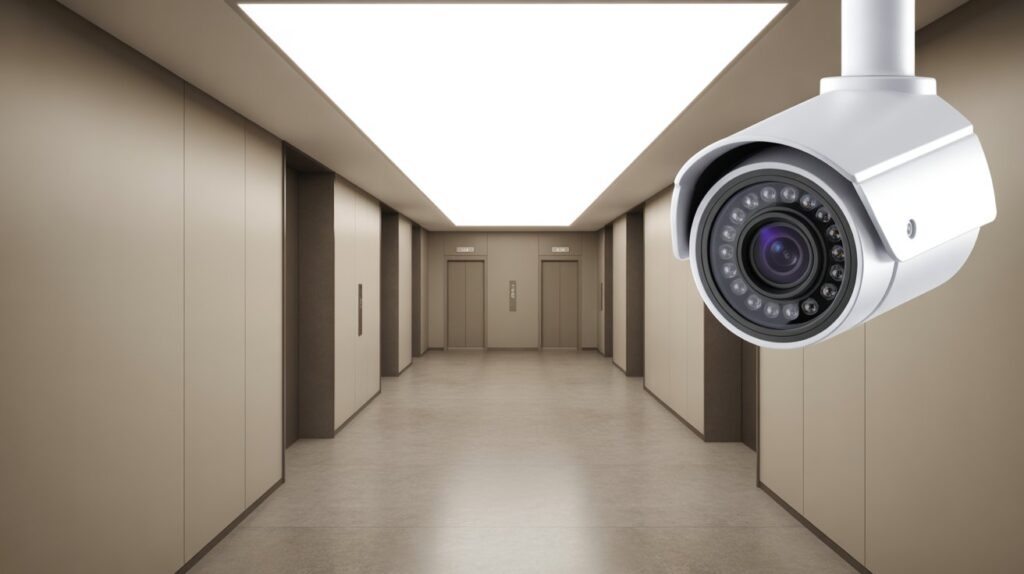
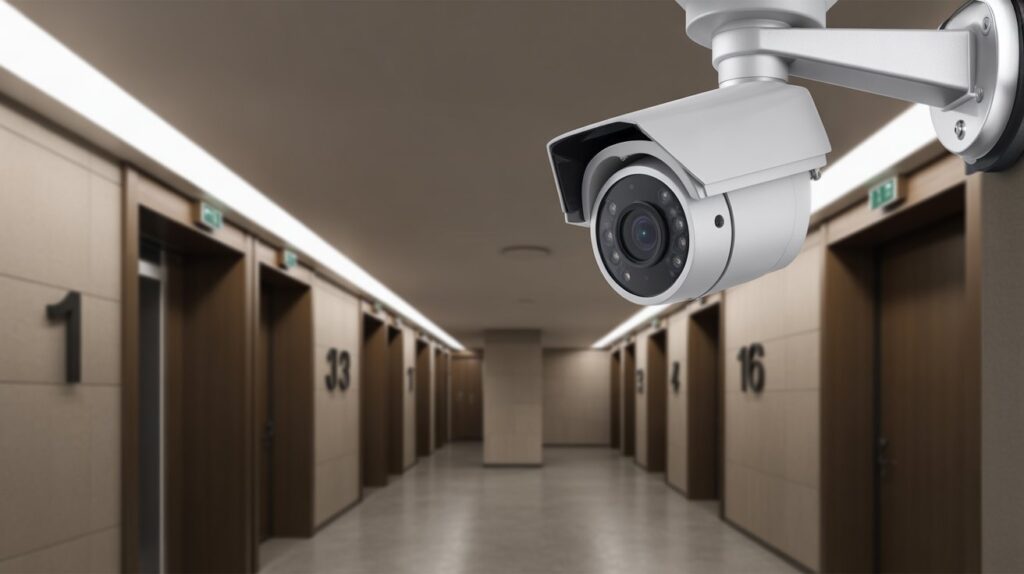
- Public or common areas — Lobbies, hallways, laundry rooms, entrances, and shared outdoor spaces are generally acceptable, provided tenants are notified.
- Notification — Landlords should inform residents when cameras go up in common areas, ideally with clear signage.
- Best practice — Position cameras to monitor safety without capturing private moments — balancing home security with tenant privacy.
Understanding this distinction is what lets property managers install surveillance that protects the building without crossing legal lines.
Tenant Rights and Privacy Concerns
Tenants in New York have a fundamental right to privacy in their rental units. Landlords can prioritize building safety, but they can’t infringe on areas where residents expect personal privacy. Understanding these rights helps both sides avoid legal conflicts and maintain trust.
Key Tenant Privacy Points
- Private areas are off-limits — Landlords cannot install cameras in bedrooms, bathrooms, or other spaces where tenants have a reasonable expectation of privacy. Doing so is illegal and can lead to fines or lawsuits.
- Common area surveillance — Cameras are generally permitted in lobbies, hallways, entrances, and other shared spaces, provided tenants are informed. Clear signage and written notice are best practice.
- Consent matters — Tenants should be notified in advance of any surveillance. Skipping notification can amount to a violation of tenant rights, even in semi-public spaces.
- Legal vs. illegal, at a glance:
- Legal: A camera in the building lobby or front entrance monitoring safety.
- Illegal: A hidden camera in a private bathroom or inside a tenant’s apartment without consent.
By staying within these boundaries, landlords protect their property without violating tenant rights — and properly implemented surveillance ends up building trust rather than eroding it.
Landlord Responsibilities and Legal Obligations
Landlords in New York have a duty to balance safety with tenant privacy. Installing security cameras without proper notification, consent, or adherence to data rules can lead to serious legal consequences. Understanding these responsibilities ensures that surveillance is both effective and compliant with apartment security camera laws in New York State.
Before installing cameras, landlords must clearly inform tenants about the presence of surveillance. Transparency is key: tenants should know where cameras are placed, what they record, and how footage will be used. Obtaining consent, even for common areas, helps prevent misunderstandings and fosters trust between landlords and residents.
Proper handling of recorded footage is another critical responsibility. Landlords must follow data protection and retention laws to ensure footage is stored securely and deleted according to legal timelines. Mismanagement of video recordings can compromise tenant privacy and violate state regulations.
Best Practices for Landlords
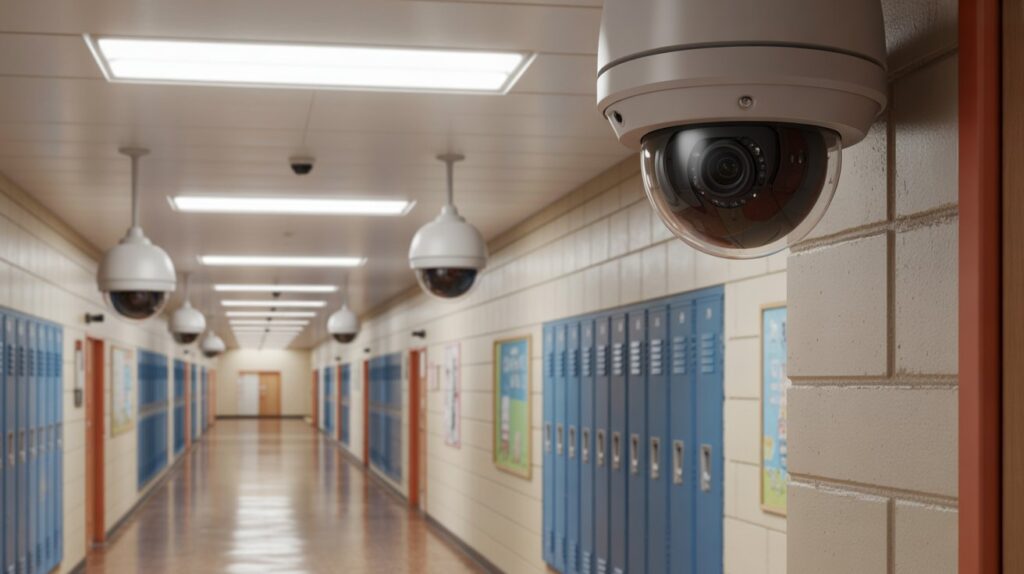
- Install Cameras in Common Areas Only: Avoid placing cameras in bedrooms, bathrooms, or other private spaces. Focus on lobbies, hallways, entrances, and shared outdoor spaces.
- Display Visible Notices for Recording: Clear signage alerts tenants and visitors that surveillance is in operation, promoting transparency and compliance.
- Follow Data Protection and Retention Laws: Securely store footage and retain it only as long as legally permitted to prevent misuse or privacy violations.
By staying within these guidelines, landlords don’t just comply with New York’s apartment surveillance laws — they build a safer, more transparent living environment. Properly implemented cameras protect both property and tenant rights, while cutting down on legal risk for everyone involved.
Common Mistakes to Avoid
Even with the best intentions, landlords and tenants often slip up in ways that lead to privacy violations or legal trouble. Knowing the common pitfalls is key to staying compliant and keeping the living environment safe and respectful.
Top Camera Mistakes and How to Avoid Them
- Installing cameras in restricted areas — Placing cameras in bedrooms, bathrooms, or private tenant spaces is strictly illegal. Keep surveillance limited to public or shared areas like lobbies, hallways, and entrances.
- Ignoring tenant consent — Failing to inform tenants about cameras, even in semi-public spaces, can lead to disputes. Consent and transparency build trust and help avoid lawsuits.
- Mismanaging recorded footage — Improper storage, excessive retention, or sharing footage without authorization violates privacy and data protection rules. Store footage securely and retain it only as long as legally required.
Tips to Prevent Legal Disputes
- Clearly communicate camera locations, purpose, and recording policies to tenants.
- Display visible signage indicating surveillance in common areas.
- Keep footage secure and limit access to authorized personnel only.
- Review local and state laws periodically to stay compliant.
Avoiding these mistakes protects both landlords and tenants from legal risk, while making the most of what modern surveillance offers. A little planning goes a long way toward a safer, legally sound living environment built on trust.
How to Stay Legally Compliant With Security Cameras
Keeping apartments safe while respecting tenant privacy takes careful planning. Both landlords and tenants benefit from knowing the best practices — surveillance should protect property without infringing on personal rights.
One effective step is consulting professional security companies. Experts can design camera systems focused on public areas, following legal requirements while providing secure footage storage — reducing the risk of costly mistakes.
Balancing safety with privacy comes down to communication. Landlords should be upfront about camera locations and purpose, while tenants should feel free to ask how footage is managed. When both sides understand their rights and responsibilities, apartment security systems work the way they’re meant to — effective, legal, and respectful.
Technology Tips for Legal and Effective Surveillance
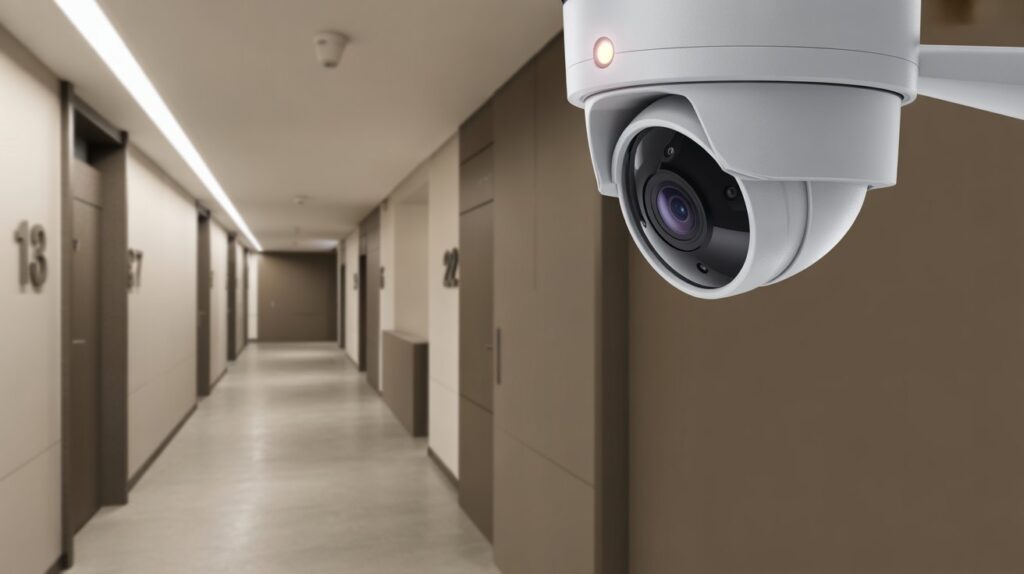
- Focus on common areas — Use cameras in lobbies, hallways, entrances, and shared outdoor spaces; avoid private spaces entirely.
- Secure cloud storage — Store footage with encrypted cloud solutions to protect data and meet retention rules.
- Motion detection and alerts — Modern cameras flag unusual activity without constantly recording private moments.
- Regular system reviews — Periodically check camera placement, retention policies, and consent procedures.
Following these steps helps landlords and tenants hit both goals at once: legal compliance and genuine privacy protection. A bit of planning and clear communication makes surveillance work for everyone.
Conclusion
Security cameras are powerful tools for keeping apartments safe, but the benefits come with real responsibilities. Understanding New York’s apartment camera laws lets tenants and landlords strike the right balance between protection and privacy.
How does this apply to your building? Are your safety measures protecting you without stepping on anyone’s privacy? Small, informed choices now can prevent legal headaches later — and give every resident real peace of mind.
A safe home isn’t just about cameras — it’s about respect, awareness, and staying within the law. Make safety smart, legal, and personal.
FAQs
Q1: Can I put a camera in my apartment hallway in NYC?
A: Yes, if it’s your private hallway inside your apartment, but in shared building hallways you may need landlord permission.
Q2: Can a neighbor have a camera pointed at my house in New York?
A: No, neighbors cannot record areas where you have a reasonable expectation of privacy, like windows or balconies.
Q3: Can I put a camera on my apartment balcony?
A: Yes, as long as it doesn’t record private spaces of neighbors or violate their privacy.
Q4: What is the unlawful surveillance law in NY?
A: NY law prohibits recording private conversations or activities without consent, especially in areas with a reasonable expectation of privacy.
Q5: Can someone video record you without your permission in NY?
A: Only in public spaces where there’s no reasonable expectation of privacy; recording private areas without consent is illegal.
Author Box
M Bilal
Founder, CrimTechHub
M Bilal holds a degree in Criminology and covers home and apartment security topics at CrimTechHub, including tenant privacy laws and surveillance compliance. He researches state regulations and security technology to help renters and landlords make informed, legally sound decisions. Follow his work on Facebook.