1. Introduction
Personal safety comes down to two things: awareness and the right tool for the moment. A stun gun fits that second part — a compact device that uses electric current to interrupt an attacker’s muscle control long enough for you to get away. It won’t replace good judgment or situational awareness, but it gives you a practical option when distance and de-escalation aren’t possible.
This guide covers exactly how a stun gun works on the body, what happens step by step during use, and the safety features every owner should understand before carrying one. We’ll also clear up the myths that trip up first-time buyers — starting with the voltage-versus-amperage confusion that leads most people to pick the wrong device.
Table of Contents
2. What Is a Stun Gun
A stun gun is a small, handheld device that delivers an electric shock to temporarily disable an attacker. Unlike weapons designed to cause lasting harm, a stun gun’s entire purpose is to create a window of time for you to escape — nothing more.
People often mix up stun guns with Tasers, but the two work differently. A Taser fires projectiles connected by wires, so it can affect someone from a short distance. A stun gun, on the other hand, only works through direct contact with the attacker’s body. That’s what makes it more compact, more discreet, and easier to carry day to day than a projectile-based device.
If you’re still deciding which self-defense tool fits your lifestyle, our pepper spray guide for self-defense breaks down how a chemical deterrent compares to an electric one.
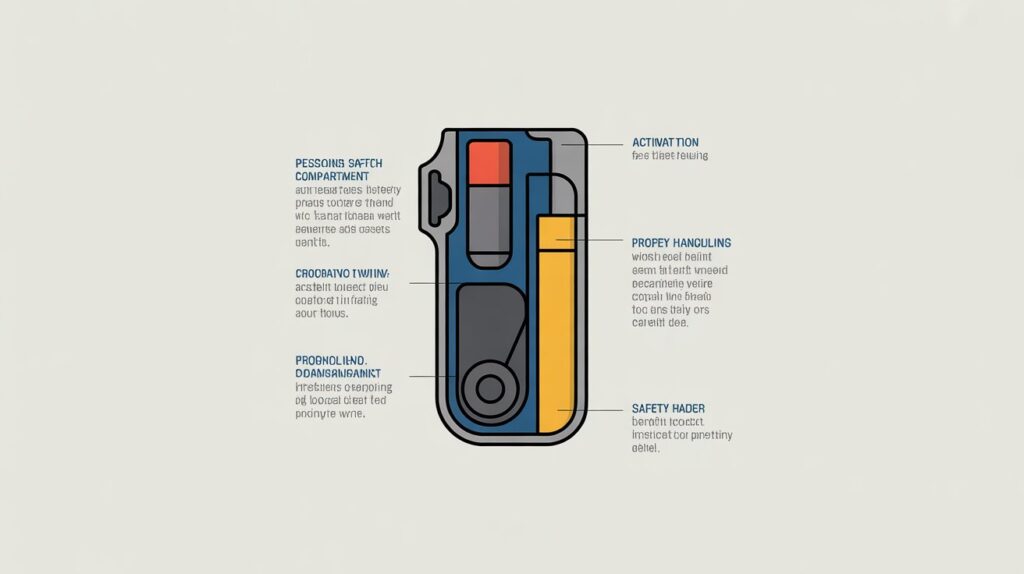
A typical stun gun is built from four core parts:
- Electrodes — the metal contact points that deliver the charge
- Trigger — the switch you press to activate the device
- Safety switch — blocks accidental discharge when the device isn’t in use
- Battery — usually rechargeable, and the single most important part to maintain
Knowing what each part does isn’t just trivia — it’s what lets you operate the device confidently instead of fumbling with it in a moment that matters.
3. The Science Behind Stun Guns
A stun gun works by sending an electric current into the attacker’s body, which disrupts the neuromuscular system — the network of nerves that tells muscles how to move. That disruption temporarily freezes muscle function, buying you a few seconds to get away. It doesn’t cause lasting damage; it just interrupts the signal.
The biggest myth here is about voltage. A high voltage number looks impressive on packaging, but voltage alone doesn’t disable anyone — amperage (the actual current flowing through the body) is what does the work. Reputable stun guns are engineered to use just enough amperage to disrupt muscle control without pushing into dangerous territory, which is why voltage specs shouldn’t be the only thing you compare when choosing a device.
Contact matters just as much as current. The electrodes need direct contact with the attacker’s body, and holding that contact for a couple of seconds is what triggers the immobilizing effect — a quick tap usually isn’t enough, but holding on longer than needed doesn’t add any extra benefit either.
Once you understand this, a stun gun stops looking like a “shock gadget” and starts looking like what it actually is: an engineered safety tool built around a specific, controlled electrical response.
4. Step-by-Step: What Happens When You Use a Stun Gun
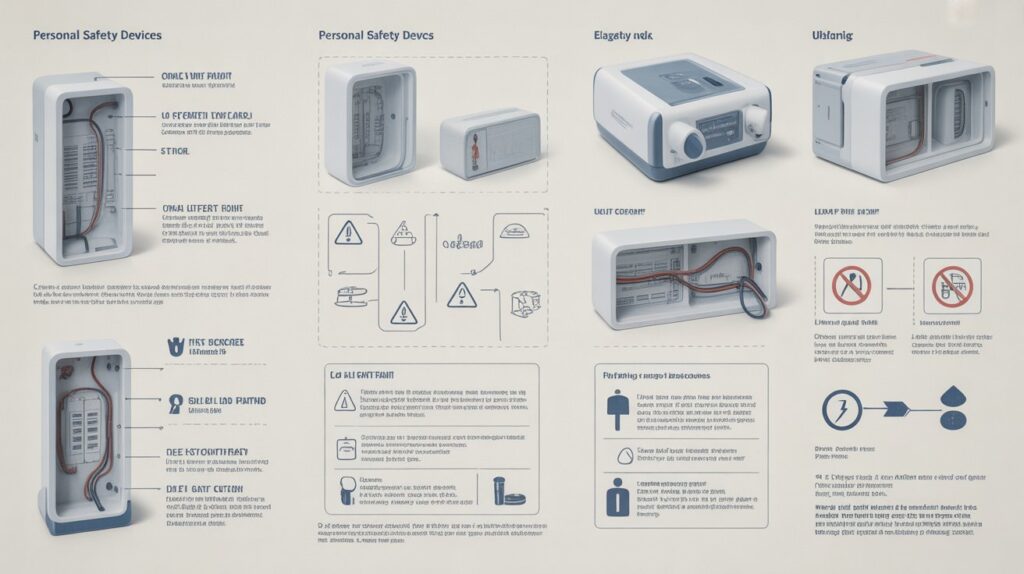
1. Position Yourself and Aim Carefully
Grip the device securely before you activate it — a firm hold prevents slipping and keeps you in control if the situation gets chaotic. Stay at a safe distance until you’re ready to act, and stay aware of what’s around you.
When contact is unavoidable, larger muscle groups — thighs, shoulders, torso — conduct the charge more effectively than smaller areas. Remember: a stun gun only works on direct contact, so pointing it from a distance does nothing.
2. Make Contact and Activate
Press the trigger while bringing the electrodes firmly against the target — through light clothing or bare skin both work, as long as contact is solid. You’ll hear a crackling sound and see a spark between the electrodes when the circuit completes; that sound alone is often enough to startle an attacker into backing off.
Hold the contact steady rather than pulling away immediately — a controlled, deliberate touch is what makes the device effective.
3. What Happens in the Body
The current disrupts communication between the brain and muscles for a few seconds, causing stiffness, loss of coordination, and disorientation. This is a temporary effect — not a way to guarantee someone stays down, but enough of a window to disengage and get away.
4. Contact Duration
- 2–5 seconds is typically enough to create the effect
- A split-second touch usually isn’t enough contact to work
- Holding longer than that adds risk without adding benefit — a short, controlled touch is the goal
5. Disengage Immediately
The moment the effect takes hold, create distance. Don’t linger to assess the situation up close — move to safety and call for help.
6. Afterward
Most people regain full movement and awareness within a minute or two. Keep your distance, watch for serious warning signs (loss of consciousness, breathing trouble), and call emergency services if anything looks abnormal. Your own safety stays the priority — this isn’t the moment to manage someone else’s condition.
7. What to Avoid
Never use out of anger or panic — this is a defensive tool, not a way to settle a conflict
Never target the head, eyes, or neck — these carry real injury risk and are only justifiable in extreme, life-threatening situations
Never use on someone already restrained or subdued — see our legal considerations section below for why this can create liability
Don’t hold contact longer than needed — it doesn’t improve the outcome and raises risk
5. Safety Mechanisms and Responsible Use
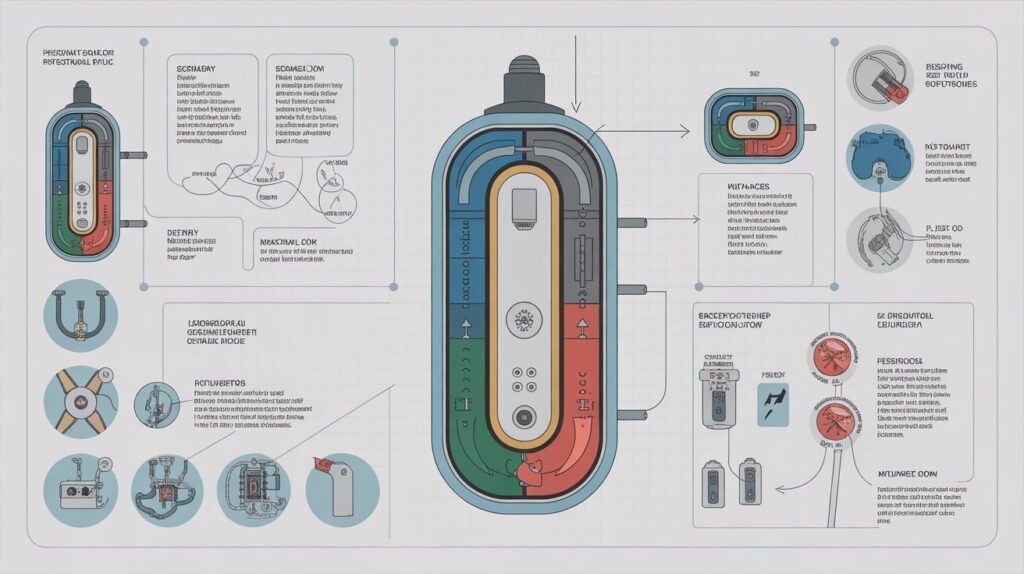
Built‑in safety switches
Most stun guns have a safety switch. This prevents accidental discharge in your bag or pocket. Flip the switch off only when you are ready to use it. Treat the safety switch like the most important step before handling — mistakes here cause panic.
Wrist straps and holsters
Wrist straps stop the device from being taken away in a struggle. Holsters keep the stun gun secure and quick to reach. Use a quality holster that covers the electrodes and protects children from finding it.
Trigger locks and activation modes
Some models include trigger locks or multi‑stage activation (press then hold). These features reduce false activations. Practice with the device powered off to learn how the activation feels.
Battery care and maintenance
A dead battery is useless in an emergency. Charge rechargeable stun guns regularly and test them monthly. Replace disposable batteries according to the manufacturer’s schedule. Keep contacts clean and dry.
Safe handling and storage
Store your stun gun where children and unauthorized people cannot reach it. Use the safety switch and keep it in a locked drawer or locked box if possible. Never leave it loose in a purse where a child can grab it.
Training and practice
Knowing how stun guns work is one thing — practicing safe handling is another. Attend a short training or practice draw motions (without activating). Familiarity reduces fear and improves reaction under stress.
When to use — and when not to
Only use a stun gun to escape immediate danger. It is not for punishment or for use in arguments. If you can safely retreat, do so. Your goal is to create distance and seek help.
After an incident — legal and ethical steps
If you use a stun gun, contact authorities as soon as you are safe. Report the incident and provide facts calmly. Save evidence (photos of injuries, witness contacts). Know that responsible use and clear reporting help protect you legally.
6. Legal Considerations You Should Know
Carrying a stun gun isn’t just about personal protection — it comes with real legal responsibility. In the United States, stun gun laws differ significantly from state to state, and sometimes from city to city within the same state. Some jurisdictions allow adult ownership with almost no restrictions, while others set age minimums, require permits, or limit where the device can be carried.
Laws Vary by Location
There’s no single nationwide rule that covers every state. Local laws typically address:
- Who can legally purchase or carry a stun gun
- Restricted locations, such as schools, airports, or government buildings
- The circumstances under which use is legally justified
- Additional permit or compliance requirements in certain states
Because these rules shift over time — and a law that was accurate last year may already be outdated — checking your current local regulations before buying or carrying a device isn’t optional, it’s the responsible first step. If you’re weighing multiple self-defense options, our guide to pepper spray legality by state shows just how much this kind of regulation can vary even between similar non-lethal tools.
Use Only for Legitimate Self-Defense
A stun gun should be treated strictly as a defensive tool, not a way to settle an argument or intimidate someone. Using it carelessly, during a dispute, as a threat, or in a situation with no genuine safety risk can lead to criminal charges or civil penalties. Responsible ownership means understanding exactly when defensive force is — and isn’t — legally justified where you live.
Why Research Matters
Before carrying any self-defense device, review your state or city’s official resources for accurate, current guidance rather than relying on general assumptions. A few minutes of research upfront can save you from fines, confiscation, or a legal complication you didn’t see coming.
Responsible Ownership Builds Confidence
Knowing both the law and the proper operation of your device does more than keep you compliant — it makes you calmer and more decisive if you ever need to act. When you understand your rights, your limitations, and your responsibilities under local law, you’re in a far stronger position to make a smart decision under pressure.
7. Common Myths About Stun Guns
Higher voltage means more stopping power.
Myth: Higher voltage means more stopping power.
Fact: Voltage looks impressive on packaging, but amperage — the actual current — along with pulse design is what determines real-world effect. A device with high voltage and very low current is mostly noise and flash, not function. When you understand how a stun gun actually works, you stop shopping by voltage number and start looking at the specs that matter.
Stun guns can kill someone easily.
Myth: Stun guns can kill someone easily.
Fact: Stun guns are designed to briefly disrupt muscle and nerve function, not to cause lasting harm. According to research from the National Institute of Justice, serious injury from these devices is uncommon when they’re used as intended — though risk increases with prolonged or repeated exposure, or in people with underlying heart conditions or certain medications.
A stun gun works at a distance.
Myth: A stun gun works at a distance.
Fact: Most stun guns require direct contact with the attacker’s body to work. If you’re looking for a device that reaches farther, that’s a Taser-style device — a related but different tool that fires probes instead of requiring contact.
You don’t need training to use one.
Myth: You don’t need training to use one.
Fact: Basic training matters more than people expect. Practicing safe handling, draw motions, and target areas ahead of time reduces hesitation and panic-driven mistakes if you ever need to use the device for real.
Once stunned, the attacker is out for long.
Myth: Once stunned, the attacker is out for long.
Fact: The effects typically last anywhere from a few seconds to a couple of minutes. That window is enough to create an opportunity to escape — but it isn’t permanent incapacitation, and you shouldn’t plan around it lasting longer than it does.
Stun guns are illegal everywhere.
Myth: Stun guns are illegal everywhere.
Fact: Legality varies by city, state, and country. Many places allow civilian ownership with few restrictions; a handful of jurisdictions impose bans or tighter rules. Always confirm your local regulations before carrying one — see the Legal Considerations section above for what to check.
All stun guns are the same quality.
Myth: All stun guns are the same quality.
Fact: Build quality, safety features, battery type, and brand reputation all affect reliability. A poorly made device can fail exactly when you need it, or lack basic safety protections altogether. If you’re considering carrying one, prioritizing a reliable, well-reviewed device matters more than price.
8. Conclusion
Understanding how a stun gun works is about more than the spark or the sound — it’s about turning uncertainty into a real plan. When you know how the device functions, how to handle it responsibly, and what the law says in your area, you replace guesswork with confidence.
A stun gun can be genuinely useful for self-defense, but the device itself isn’t what keeps you safe — your awareness of how and when to use it is. Real preparedness comes from practice and sound judgment, not fear.
If you want to build on that, our guide on why self-defense skills matter covers the mindset that makes any self-defense tool actually work when it counts.
FAQs
1. Does a stun gun work through clothing?
Yes, in most cases — but effectiveness drops as clothing gets thicker. Light layers like a t-shirt or thin jacket usually don’t block the charge, while heavy coats, leather, or multiple layers can significantly reduce contact and reduce the device’s effect.
2. Can a stun gun set off a metal detector?
Yes. Because stun guns contain metal components and a battery, they will typically trigger a standard metal detector, which is why they’re barred from airports, courthouses, and most government buildings regardless of local carry laws.
3. What’s the difference between a stun gun and a Taser in terms of legality?
Many state laws treat them differently because a Taser fires projectiles at a distance while a stun gun requires direct contact. Some states regulate one but not the other, so it’s worth checking your local statute for each device by name rather than assuming the rules are identical.
4. Will a stun gun work on someone who is intoxicated or on drugs?
It can still work, but effects may be less predictable. Alcohol, stimulants, or certain medications can alter a person’s pain response and muscle reaction, so the same contact duration that stops most people may take longer to have a visible effect.
5. Can I bring a stun gun on a domestic flight in checked luggage?
Rules vary by airline and destination, since some states and cities restrict stun gun possession entirely. Even where it’s allowed, the TSA generally requires it to travel in checked baggage, never in a carry-on — always confirm both airline policy and your destination’s local law before flying with one.
About the Author
M Bilal holds a degree in Criminology and runs CrimTechHub, where he covers home security and personal self-defense tools for a U.S. audience. His background in criminology shapes how he approaches topics like this one — looking at how these devices actually function, where the legal gray areas sit, and what responsible ownership looks like in practice, rather than just listing specs.