Introduction
You lock the front door, turn off the lights, and still catch yourself wondering what’s happening in your driveway at 2 AM. For most U.S. homeowners, that’s not paranoia — it’s just how nighttime security has always felt uncertain, until now.
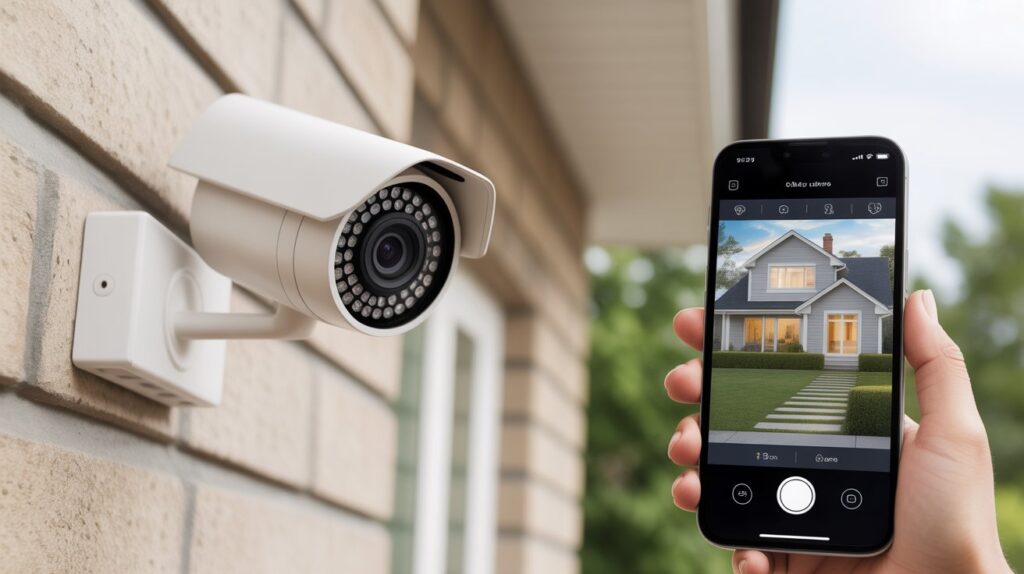
Night vision wireless outdoor security cameras with Wi-Fi close that gap. They let you see clearly in total darkness, get notified the moment something moves, and check on your property from your phone no matter where you are — whether that’s the next room or a different time zone.
This guide walks through how these cameras actually work, which features are worth paying attention to, and how to set yours up for the strongest possible coverage after dark.
Table of Contents
Why Night Vision Outdoor Cameras Matter More Than Ever
Break-ins and package theft mostly happen after dark, which is exactly when most homeowners have the least visibility into what’s going on outside. That gap is why night vision wireless outdoor security cameras with Wi-Fi have become a core part of any modern home security system — not just an add-on.
These cameras go beyond basic recording. Live mobile access, motion alerts, and reliable night vision let you check your driveway, porch, or backyard from anywhere, cutting down on the stress of missed deliveries or unexplained activity.
A well-placed camera also works as a visible deterrent on its own. For most families, that combination — round-the-clock visibility plus a strong deterrent — makes it one of the smarter, more practical upgrades for home protection.
What Are Night Vision Wireless Outdoor Security Cameras with Wi-Fi?
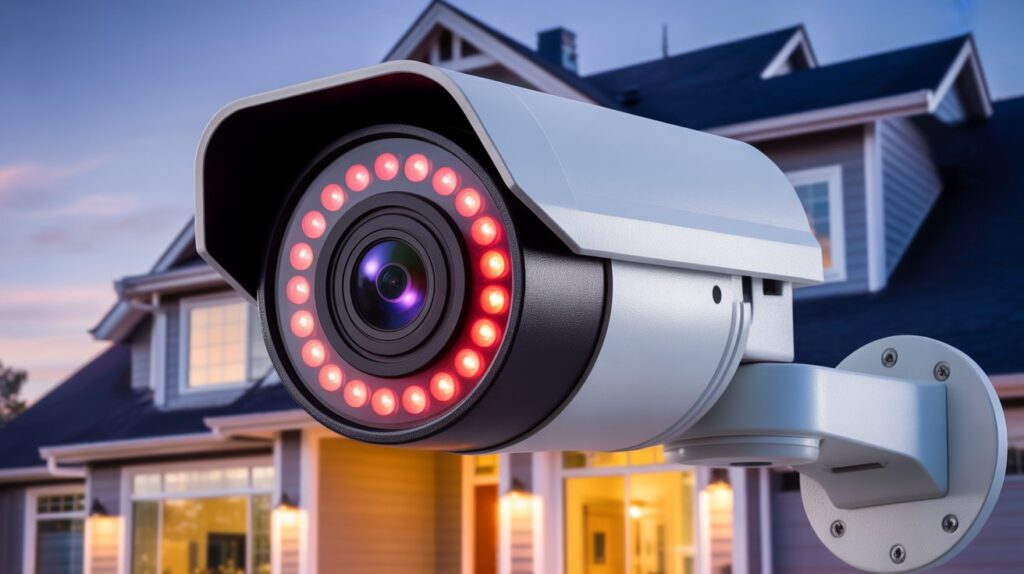
These are outdoor smart cameras that record clear daylight video and automatically switch to night vision once light drops — so you get continuous coverage without doing anything yourself.
Because they’re wireless, installation is simple: no running cables to awkward corners of the house. The Wi-Fi connection is what lets you pull up live footage on your phone or tablet from anywhere.
Key Features
- Clear night vision for low-light monitoring
- Wireless setup, flexible placement
- Wi-Fi for live remote viewing
- Instant motion alerts to your phone
- Weather-resistant build for year-round outdoor use
Common Placement Spots
- Front doors and porches — also useful for catching package deliveries before they go missing
- Driveways and garages
- Backyards and side entrances
For most U.S. homeowners, this combination — automatic night vision plus easy wireless setup — is what makes these cameras such a practical upgrade for round-the-clock coverage.
How Night Vision Technology Works
Night vision is what keeps outdoor cameras useful after the sun goes down. In night vision wireless outdoor security cameras with Wi-Fi, it switches on automatically — no setup needed from you. Here’s what’s actually happening behind that footage.
Infrared (IR) Night Vision
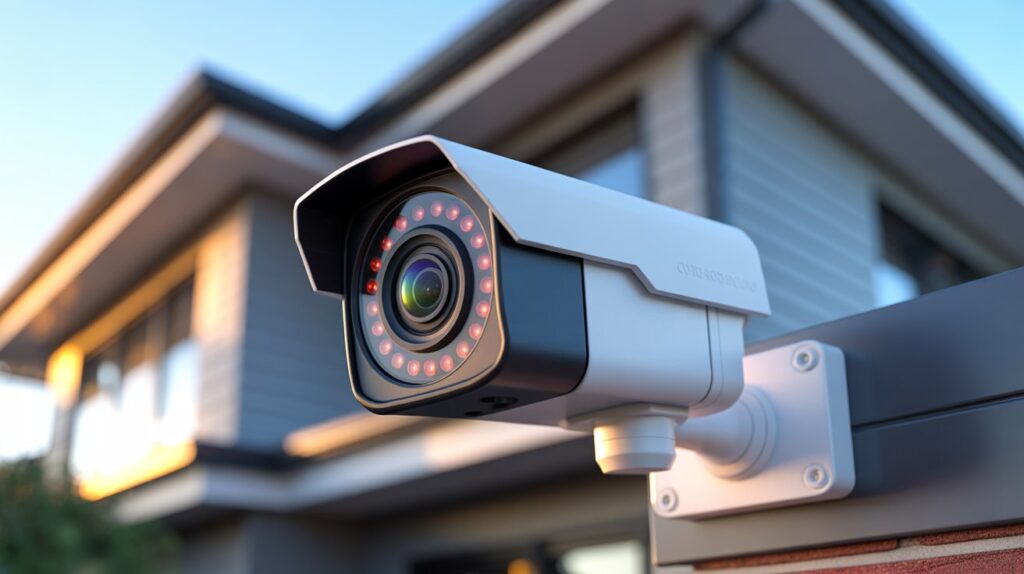
The most common type. Small IR LEDs emit light invisible to the human eye but visible to the camera’s sensor — similar to the principle explained by HowStuffWorks’ breakdown of night vision devices. That invisible light bounces off people and objects, producing a clear black-and-white image even in total darkness. It’s the most reliable option for driveways, backyards, and entry points.
Color Night Vision
This goes a step further, producing full-color footage at night using stronger sensors and often a built-in spotlight. The payoff: you can actually make out clothing color or a vehicle’s paint — useful detail for front doors and high-traffic spots where identification matters.
Low-Light Sensors
Rather than switching fully to infrared, these sensors squeeze more out of whatever ambient light is already there — a streetlamp, a porch light. The result is smoother, more natural-looking footage with fewer jarring transitions between day and night modes.
Why Wi-Fi Matters in Wireless Outdoor Security Cameras
- Remote access from anywhere: Check live video from your phone whether you’re at work, traveling, or just in another room — you stay connected to your property without being physically there.
- Instant motion alerts: The moment something moves, you get notified — no waiting to find out later. That gives you time to react calmly instead of being caught off guard.
- Live viewing cuts out guesswork: Seeing what’s actually happening lets you tell a real threat apart from a passing cat in seconds, instead of sitting with unnecessary worry.
- Cloud storage keeps footage safe: Most Wi-Fi cameras back up video to the cloud, so recordings stay accessible even if the camera itself is damaged or stolen.
- Local storage as backup: Some models pair Wi-Fi with local storage too, giving you more control if you’d rather not rely on the cloud — our guide on cameras that work without Wi-Fi or internet covers that option in depth.
- A smarter, more active system: Combined with night vision, Wi-Fi turns your camera from a passive recorder into round-the-clock protection you can actually check in on.
Key Features to Look for in Night Vision Wireless Outdoor Security Cameras
When choosing night vision wireless outdoor security cameras with Wi-Fi, understanding the key features helps you make a smarter, more confident decision. These features directly affect how clearly you see, how well your camera performs at night, and how reliable it is in real-world outdoor conditions across the USA.
Video Resolution
The clarity and detail of your footage depend directly on the camera’s video resolution. Higher resolution makes it easier to recognize faces, read license plates, and identify important details, especially at night. For outdoor security, sharp video quality adds real value and ensures your recordings are actually useful if you ever need to review them.
Night Vision Range
Night vision range tells you how far the camera can see in the dark. A longer range means better coverage for large yards, driveways, or parking areas. In practical terms, this feature ensures that motion is captured clearly, not just close to the camera but across the entire monitored space.
Motion Detection
Accurate motion detection is what turns a camera into an active security tool. Advanced motion sensors reduce false alerts caused by pets, shadows, or passing cars, while still notifying you when real activity happens. This keeps night vision wireless outdoor security cameras with Wi-Fi helpful rather than distracting.
Weather Resistance
Outdoor cameras must handle rain, heat, cold, and dust without failing. Strong weather resistance ensures reliable performance year-round, whether it’s a hot summer afternoon or a cold winter night. This durability is essential for long-term outdoor security.
Two-Way Audio
Two-way audio allows you to hear and speak through the camera using your phone. It’s useful for communicating with delivery drivers, warning off trespassers, or checking in on family members outside. This feature adds a human touch to home security and makes wireless outdoor cameras even more practical and responsive.
Choosing the Right Night Vision Type for Your Home
Once you understand how night vision works, the real question is which type fits your specific setup. Here’s how the three main options compare for outdoor use.
Infrared is the safest default — reliable, energy-efficient, and built for covering large areas like backyards and driveways where you just need to know something’s there.
Full-color trades some efficiency for detail. If you need to actually identify a face, clothing, or a vehicle — say, at your front door — this is the one worth paying more for.
Spotlight-assisted does double duty: it lights up on motion for full-color footage and doubles as a visible deterrent at the same time. Best fit for higher-risk spots like a side entrance or a detached garage — our wireless outdoor camera comparison breaks down specific models with this feature.
How Far Can Night Vision Outdoor Security Cameras See at Night?
- Typical night vision range: Most night vision wireless outdoor security cameras with Wi-Fi can see clearly between 20 to 100 feet, depending on the model and technology.
- Infrared (IR) limitations: IR night vision works well in total darkness but may show objects in black and white, making details harder to identify at longer distances.
- Color night vision range: Full-color night vision typically performs best in areas with some ambient light, such as porch lights or street lamps, and may cover slightly shorter distances than IR at night.
- Spotlight-assisted cameras: Cameras with built-in spotlights extend visibility up to 100 feet or more while producing full-color footage, making them ideal for front yards and driveways.
- Real-world factors affecting range: Weather conditions like fog, rain, or snow can reduce night vision effectiveness. Placement, camera angle, and nearby light sources also influence how far you can see.
- Practical expectation: For most U.S. homeowners, a camera with 30–50 feet reliable night vision is sufficient to monitor entry points, while larger properties may require longer-range models or multiple cameras.
Common Problems with Night Vision Outdoor Cameras (And How to Fix Them)
Even a solid camera runs into occasional hiccups. Here’s what usually goes wrong — and the quick fix for each.
Night glare: Headlights, reflective surfaces, or bright fixtures wash out the footage.
Fix: Reposition away from direct light sources, or use a camera with wide dynamic range (WDR) or spotlight-assisted night vision to handle it better.
Weak Wi-Fi signal: Shows up as laggy video or alerts that arrive late (or not at all).
Fix: Move the camera closer to your router, add a Wi-Fi extender, or switch to a mesh network for stronger outdoor coverage.
False motion alerts: Pets, shadows, or passing cars keep triggering notifications you don’t need.
Fix: Lower the motion sensitivity, set activity zones in the app, and turn on smart detection so it filters out non-human movement.

Privacy, Security, and Legal Considerations in the USA
Good camera placement isn’t just a technical decision — it’s a legal one too. If your camera captures a neighbor’s yard, window, or shared walkway, you could be looking at a privacy dispute or worse. Angle cameras toward your own property and check your local surveillance laws before mounting anything near a shared boundary.
Data security matters just as much. Since footage travels over Wi-Fi, protect it with a strong password, two-factor authentication, and encrypted cloud storage. Keep the firmware updated too — outdated software is one of the easiest ways for someone to access your camera remotely.
Get both right — respectful placement and locked-down data — and your camera does its job without creating new problems.
Conclusion
A night vision wireless outdoor security camera with Wi-Fi does more than record — it closes the gap between “I hope everything’s fine” and actually knowing. Clear night footage, instant alerts, and smart placement turn nighttime uncertainty into something you can check in seconds.
If you’re ready to pick one out, our guide to wireless battery-operated outdoor cameras is a good next stop for comparing options.
Get the placement and features right, and security stops being a worry in the back of your mind — it becomes something you can actually see and trust.
FAQs
1. How far can night vision outdoor cameras see in the dark?
Most cover 20–100 feet depending on the model, with spotlight-assisted cameras reaching the higher end.
2. What’s the difference between infrared and color night vision?
Infrared gives reliable black-and-white footage in total darkness; color night vision needs some ambient light but shows more identifying detail.
3. Do night vision Wi-Fi cameras work if the internet goes down?
They’ll usually still record locally to an SD card or hub, but live viewing and remote alerts need an active connection.
4. Is it legal to point a security camera at my neighbor’s yard?
Generally no — most states require cameras to stay focused on your own property to avoid privacy violations.
5. How can I stop false motion alerts from pets or passing cars?
Lower the motion sensitivity and set custom activity zones in the camera’s app to filter out non-threat movement.