Introduction to Self-Defense
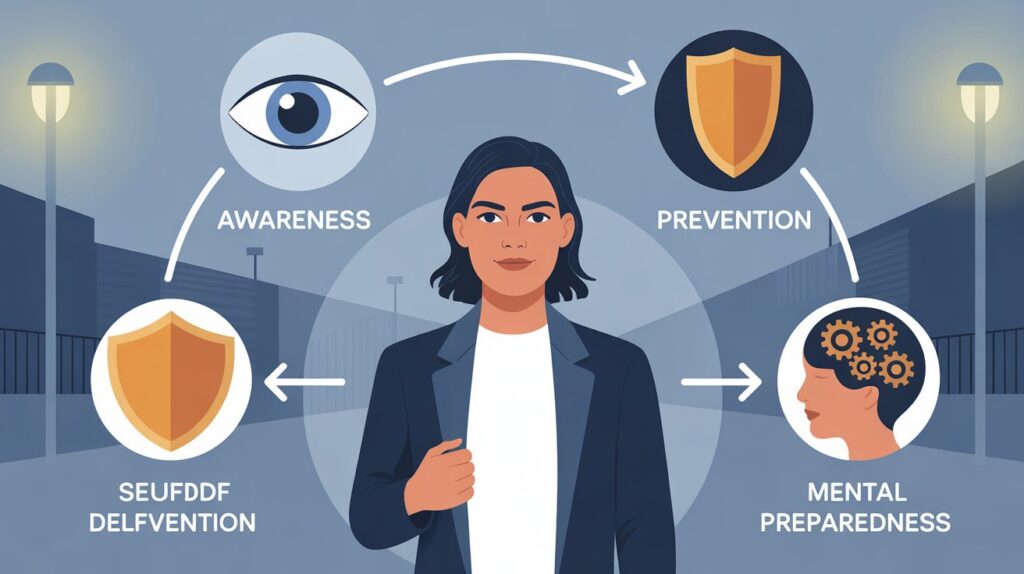
Self-defense is not just about fighting back—it’s about staying aware, making smart decisions, and protecting yourself before danger escalates. In everyday life, being mentally prepared can improve both your confidence and personal safety.
Real self-defense starts with awareness. Paying attention to your surroundings, recognizing warning signs early, and staying calm in stressful moments can help you avoid risky situations before they become serious.
More importantly, self-defense teaches control instead of panic. It helps you think clearly, react wisely, and stay one step ahead when facing unexpected situations. In many cases, prevention and quick thinking are the strongest forms of protection.
Table of Contents
Why Self-Defence is Essential in Modern Life
Crime rates, social conflicts, and unpredictable encounters have made self-defence a necessity, not a luxury. It’s not just about fighting—it’s about protecting your personal space, avoiding danger, and creating a safe environment for yourself and your loved ones.
Some key reasons include:
- Street harassment and assaults are on the rise.
- Increased need for personal confidence.
- Empowerment and independence.
- Safety while travelling.
1. Building Situational Awareness
Understanding Your Surroundings
Most threats can be avoided by simply being aware. Walk confidently, avoid distractions like loud music in both ears, and scan your environment regularly.
Recognising Suspicious Behaviour
Trust your instincts. If a person’s behaviour seems unusual or makes you uncomfortable, trust your instincts. Notice body language, unusual movement patterns, or someone following you.
2. Basic Self-Defense Techniques Everyone Should Know
Learning a few simple self-defense techniques can help you stay calmer and react faster during unexpected situations. You do not need advanced training to understand the basics—small defensive actions can sometimes create the opportunity to escape safely.
Defensive Stance
Your stance is the first step in protecting yourself. Keep your feet shoulder-width apart, slightly bend your knees, and raise your hands near your upper body for protection. A balanced stance helps you stay stable and ready to react quickly.
Palm Strike & Elbow Strike
These are common close-range self-defense moves that are easy to learn and practical in emergencies.
- Palm Strike: Use the bottom of your palm to strike areas like the nose or chin.
- Elbow Strike: Strong and effective at short distance when someone is too close.
Escaping a Wrist Grab
If someone grabs your wrist, avoid pulling straight back. Instead, turn your wrist toward the attacker’s thumb area—the weakest part of the grip—and pull away quickly to break free.The goal of these techniques is not to fight longer, but to create enough space to escape and reach safety.
3. Psychological Aspects of Self-Defense
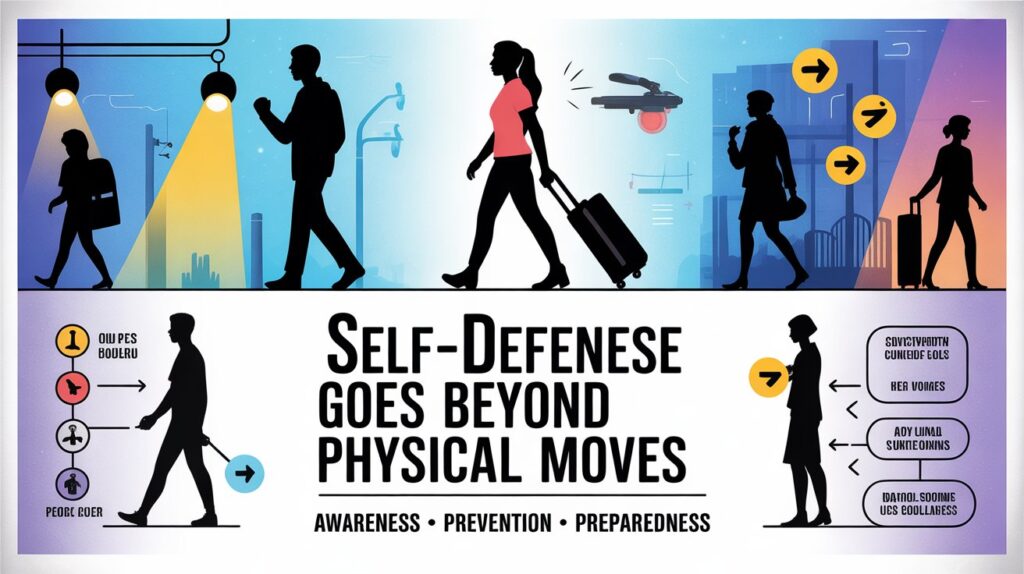
Self-defense is not only about physical techniques—your mindset can be just as important in a dangerous situation. Staying mentally prepared helps you react more clearly, make better decisions, and remain in control when facing pressure or fear.
Staying Calm During Stressful Situations
Fear and panic can affect judgment very quickly. When people panic, they often freeze or react without thinking. Learning to stay calm gives you a better chance of responding safely and effectively.
Simple habits can help improve mental control:
- Take slow, controlled breaths during stress
- Focus on escaping instead of panicking
- Stay aware of exits and surroundings
- Train your mind to think clearly under pressure
Practicing calm reactions regularly can make a real difference in emergencies.
Why Confidence Matters
Confidence is more than just feeling strong—it changes how others see you. People who appear alert, aware, and confident are often less likely to be seen as easy targets.
Simple body language can project confidence naturally:
- Stand upright with balanced posture
- Walk with purpose and awareness
- Maintain calm eye contact when appropriate
- Speak clearly and confidently
These small actions can improve both personal safety and mental readiness.
Mindset Is a Powerful Part of Self-Defense
Physical skills are valuable, but mindset often decides how well you handle real situations. A calm and confident approach helps you stay focused, protect yourself more effectively, and make smarter choices under pressure.
In many cases, awareness, confidence, and quick thinking are the first and strongest layers of self-defense.
4. Everyday Objects as Weapons
Everyday objects are often overlooked, but in a self-defense situation, they can become useful tools. Items like keys, pens, and even your bag can help you create space and protect yourself if you ever find yourself in danger.
A keychain, for example, is always within reach and can be used to deliver quick, targeted strikes to distract an attacker long enough for you to escape. Similarly, a sturdy pen can act as an improvised defensive tool for short-range situations where immediate reaction is needed. Even a handbag or backpack can be used defensively—when swung with purpose, it can help create distance, disrupt an attacker’s focus, and give you a moment to move away safely.
The key idea is awareness and quick thinking. These items are not designed for self-defense, but in unexpected situations, knowing how to use what you already carry can make a critical difference in your ability to stay safe and escape.
Improvised Defence with Clothing
A scarf, belt, or jacket can be used to block strikes, entangle arms, or create distance.
5. Martial Arts for Self-Defence
Karate and Taekwondo
Karate and Taekwondo focus on controlled strikes, kicks, and disciplined movement. They help improve speed, coordination, and reaction time while building confidence in stand-up defense situations.
Brazilian Jiu-Jitsu (BJJ)
Brazilian Jiu-Jitsu is centered on grappling, leverage, and ground control. It teaches how to stay safe if taken down, escape holds, and use technique instead of strength in close-contact situations.
Krav Maga
Krav Maga is a practical self-defence system built for real-life threats. It emphasizes quick reactions, awareness, and simple but effective techniques designed for survival rather than sport or style.
Each martial art develops different strengths—striking, control, or real-world response—allowing you to choose what best fits your personal safety needs.
If you want to understand tenant rights and privacy rules before installing surveillance, check our guide on What California Law Says About Security Cameras in Apartments for clear and updated legal insights.
6. The Role of Fitness in Self-Defence
Physical fitness plays a key role in how effectively you can protect yourself. Strength, stamina, and agility all help you react faster and stay in control during stressful situations.
Basic activities like jogging, push-ups, squats, and core workouts can significantly improve your endurance and body control. Even simple daily fitness habits can make a noticeable difference in real-world self-defence situations.
7. Self-Defence for Women
Women often face unique threats such as harassment or assault. Programmes designed specifically for women empower them with practical techniques like:
- Targeting vulnerable areas.
- Learning escape strategies.
- Using voice commands to deter attackers.
8. Self-Defence for Children
Teaching children self-defence boosts confidence and reduces bullying. Key lessons include:
- Saying “No” firmly.
- Running to safety.
- Informing trusted adults.
9. Legal Considerations of Self-Defence
Self-defence laws vary from country to country, and they define what is considered “reasonable force” in a dangerous situation. Understanding these rules is important before relying on any physical response for protection.
In most cases, the law allows you to protect yourself only when there is a genuine and immediate threat. However, using more force than necessary can lead to legal trouble or serious consequences.
That’s why it’s important to know your rights and limitations in advance. Trusted legal resources like FindLaw can help you understand self-defence laws in your region and stay informed.
10. Avoiding Dangerous Situations Before They Escalate
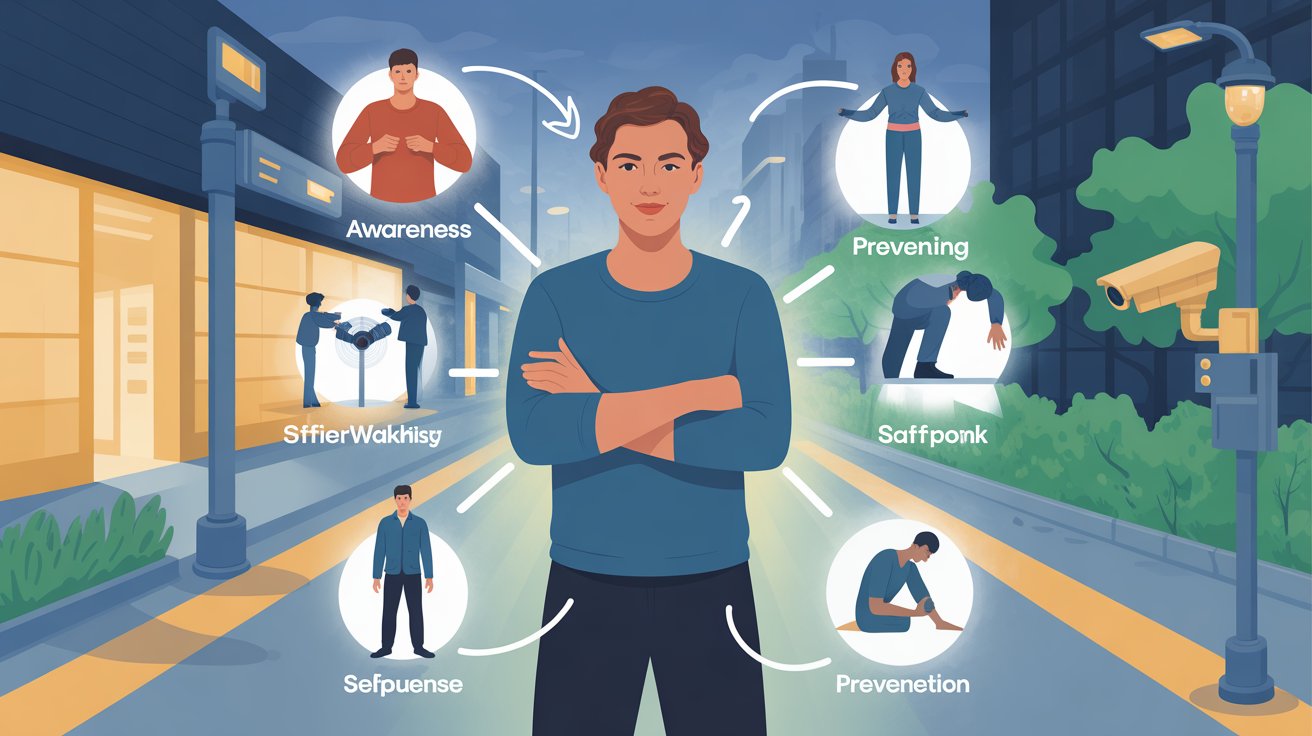
The most effective form of self-defense is prevention, not confrontation. In many cases, avoiding dangerous situations altogether is far safer than reacting to them later. Your instincts play a very important role—if something feels unsafe or uncomfortable, it is usually wise to trust that feeling and remove yourself from the situation early.
Simple habits can significantly reduce risk. Choosing well-lit and populated routes, avoiding isolated or dark areas, and staying aware of your surroundings can greatly improve personal safety. Moving in groups whenever possible also adds an extra layer of security, as there is safety in numbers.
It is also important to avoid unnecessary arguments or confrontations, especially with strangers. Many risky situations escalate from small conflicts that could have been ignored. Practicing calm behavior, staying alert, and prioritizing prevention over reaction are key parts of real self-defense. In the end, the smartest protection is often the decision not to put yourself in danger in the first place.
11. Using Technology for Personal Safety
- Safety apps with GPS tracking.
- Emergency alert buttons.
- Portable alarms or smartwatches with SOS features.
12. Self-Defence in Public Transport
Remain attentive when you are at bus stops, train stations, or using ride-sharing services. Always keep your valuables out of sight, choose seats close to exits when possible, and avoid staying in isolated or poorly populated areas. These simple habits can greatly improve your personal safety and reduce potential risks while traveling.
13. Home Defence Strategies
- Secure locks and alarm systems.
- Motion-sensor lighting.
- Safe rooms and escape plans.
14. Travel Safety and Self-Defence Abroad
Being aware of your surroundings and planning ahead is a key part of personal safety. One of the most effective steps is to research local safety conditions before visiting or staying in any area. Understanding which neighborhoods are considered high-risk and which are safer can help you make better decisions about where to go and what to avoid.
It is also important to stay alert and minimize unnecessary exposure to unsafe environments. Choosing safer routes, avoiding poorly lit or isolated areas, and being mindful of local conditions can significantly reduce potential risks. Preparedness is not just about reacting to danger, but about preventing it through smart choices.
In addition, always keep emergency contact numbers easily accessible in your phone or wallet so you can respond quickly if needed. Carrying copies of important documents such as identification, travel papers, or permits is also a smart precaution, especially when traveling. These simple steps can make a big difference in staying safe, organized, and ready for unexpected situations.
15. Continuous Learning and Training
Self-defense is not a one-time skill you learn and then forget—it requires ongoing learning and regular practice to stay effective. Enrolling in proper training classes helps you understand techniques in a structured way, while consistent practice ensures your reactions become faster and more natural over time.
It is also important to refresh your knowledge periodically, because skills can fade if they are not used. By revisiting what you have learned and staying updated with new safety techniques, you build stronger confidence and better preparedness for real-life situations. Continuous learning turns self-defense from a basic idea into a reliable life skill.
FAQs
1. What’s the easiest self-defence move for beginners?
The palm strike—easy to learn, effective, and powerful.
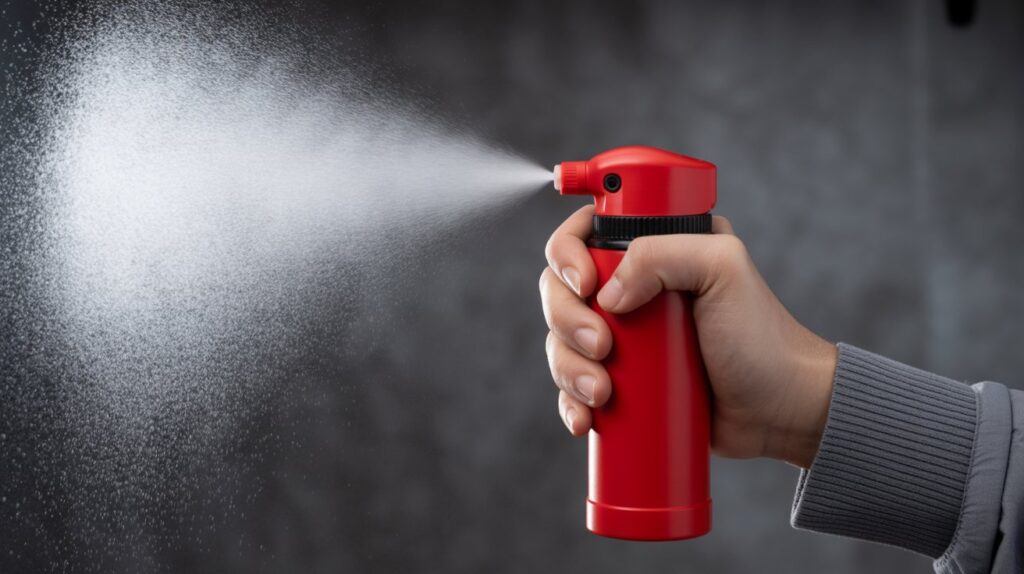
2. Can I use pepper spray legally?
It depends on your country’s laws. Always check local regulations.
3. Do I need martial arts training to defend myself?
No, but training improves skills and confidence significantly.
4. How can kids learn self-defence safely?
Through fun-based classes that focus on awareness, discipline, and safe escapes.
5. Is running away a good self-defence strategy?
Yes, escaping danger is often the best option.
6. How often should I practise self-defence?
At least once a month to keep reflexes sharp.
Conclusion
Self-defense is an essential life skill that every individual should take the time to build and understand. It goes beyond physical techniques and includes awareness, mindset, and knowledge of basic legal responsibilities. When combined, these elements help you stay alert, make better decisions, and navigate daily life with greater confidence and security.
The true purpose of self-defense is not to engage in conflict, but to avoid it whenever possible and safely remove yourself from dangerous situations. By focusing on prevention, awareness, and calm decision-making, you greatly increase your ability to protect yourself effectively.
In the end, staying informed, practicing regularly, and maintaining the right mindset can empower you to live with confidence, independence, and a stronger sense of personal safety.
Learn how Where Should You Put Smoke Alarms in Your House? A Room-by-Room Safety Guide can help you place alarms correctly and improve overall home fire safety. Discover how a Wireless Security Camera That Connects to Phone Without WiFi: What Actually Works in Real Life provides practical monitoring solutions for areas where internet access is limited or unavailable.