Introduction
Have you ever pressed your garage door remote, only to watch the door start closing and then suddenly reverse for no reason? For many U.S. homeowners, this frustrating problem is more common than you might think. Often, the culprit isn’t a broken sensor or a faulty garage door opener—it’s sunlight interfering with your garage door sensors.
Bright sunlight can confuse the infrared beam that keeps your garage door safe, causing it to stop or reverse unexpectedly. That’s where a garage door sensor sun shield Home Depot solution comes in. By blocking direct sunlight, these shields restore reliable sensor operation, giving you peace of mind every time you open or close your garage door.
In this guide, we’ll walk you through why sunlight affects your sensors, the types of shields available, and step-by-step ways to fix the problem—so your garage door works smoothly, safely, and without stress.
Table of Contents
Why Sunlight Can Disrupt Your Garage Door Sensors
Many U.S. homeowners experience a frustrating moment: you press the garage door remote, the door starts to close, and suddenly it stops or reverses for no clear reason. At first, it feels like a mechanical problem. But in many cases, the real cause is something much simpler—direct sunlight hitting the safety sensors. This is exactly why many people begin searching for a garage door sensor sun shield Home Depot solution to stop the problem quickly and safely.
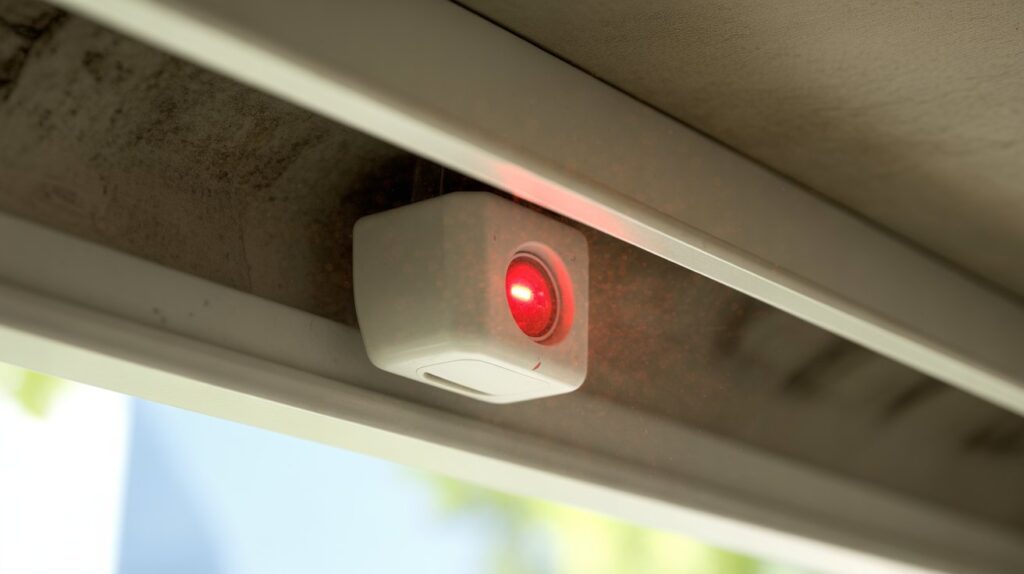
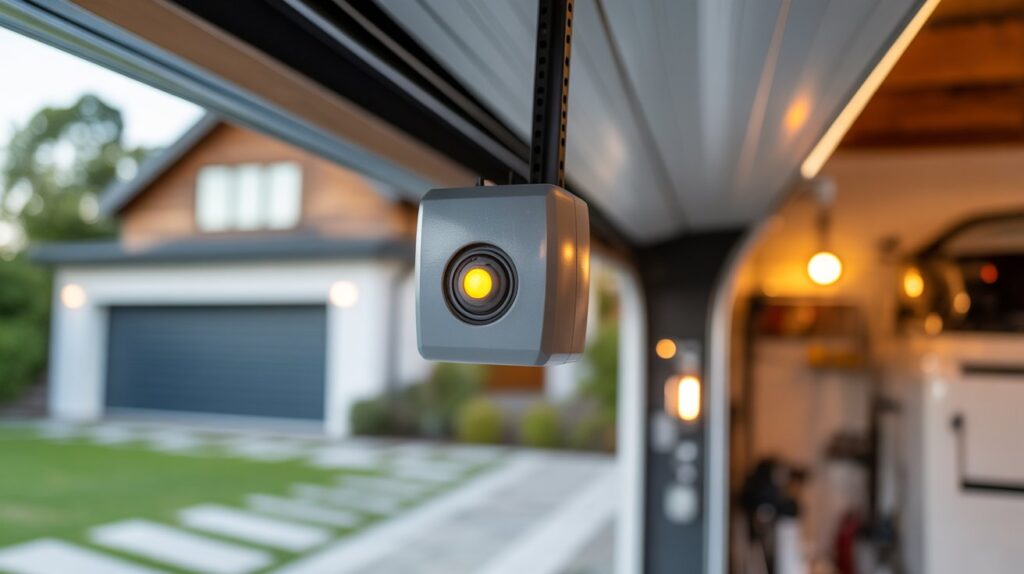
Modern garage doors use photo-eye safety sensors placed near the bottom of each side of the door track. These small devices send an invisible infrared beam across the doorway. If anything blocks that beam—like a car, a pet, or a child—the system immediately stops the door from closing. This safety feature has been required in the United States for decades because it helps prevent serious accidents.
However, strong sunlight can sometimes confuse these sensors. During certain times of the day, direct sunlight can shine straight into the receiving sensor and overpower the infrared beam. When that happens, the system may think something is blocking the path even when nothing is there. As a result, the garage door opener reacts the same way it would during an actual obstruction.
Homeowners usually notice a few common signs when sunlight is the issue:
- The garage door starts closing and suddenly reverses
- Sensor lights begin blinking or flickering
- The door only closes fully when using the wall button instead of the remote
- The problem happens mostly during bright afternoon sunlight
When these symptoms appear regularly, installing a garage door sensor sun shield Home Depot style cover can often solve the problem. By blocking direct sunlight from hitting the sensor lens, the shield helps the infrared beam stay clear and reliable, allowing the garage door to operate smoothly again.
What a Garage Door Sensor Sun Shield Actually Does
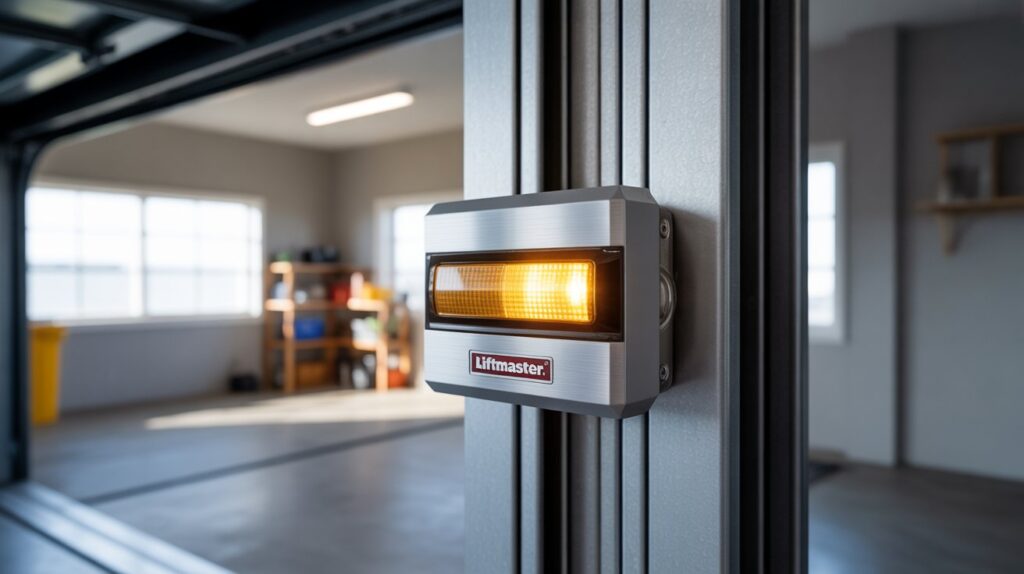
A garage door sensor sun shield is a small cover designed to block direct sunlight from hitting the garage door safety sensor. These shields usually attach right above or around the sensor and act like a tiny shade. Their main job is simple: protect the sensor lens from bright light so the infrared beam between the sensors stays clear and stable.
When sunlight shines directly into the receiving sensor, it can overwhelm the signal being sent from the other sensor. The system may think something is blocking the doorway, even when it’s completely clear. A garage door sensor sun shield Home Depot style cover helps solve this by reducing glare and preventing sunlight from interfering with the sensor’s line of sight. With that protection in place, the sensors can communicate properly, even during bright daylight hours.
Even a minor adjustment can significantly improve your everyday garage door experience. Homeowners often notice that their garage door suddenly works more consistently once the sensor is shaded. The door closes smoothly, the warning lights stop blinking, and the system responds normally to the remote or wall button.
Many people begin searching for a garage door sensor sun shield Home Depot solution because it’s a quick and affordable fix. Home Depot is a trusted store for home improvement products in the United States, so homeowners naturally check there first when dealing with garage door problems. Whether someone chooses a ready-made sensor shield or a compatible cover, the goal is the same—restore reliable sensor performance.
A sun shield becomes especially useful in certain real-life situations, such as:
- Garages that face west or south, where sunlight hits the sensors in the afternoon
- Homes in bright, sunny states like Arizona, Texas, or California
- Garages where the sensor lights flicker or blink during specific times of the day
- Doors that close normally at night but reverse during sunny hours
In these cases, installing a garage door sensor sun shield Home Depot solution can be one of the easiest ways to stop sunlight interference and keep your garage door operating safely and smoothly.
Types of Garage Door Sensor Sun Shields Available at Home Depot
When sunlight starts interfering with garage door safety sensors, many homeowners begin searching for a garage door sensor sun shield Home Depot solution. Fortunately, there are several practical options available. Some are ready-made covers designed for quick installation, while others are simple DIY fixes homeowners create themselves.
Below are the most common types people use to block direct sunlight and restore reliable sensor performance.
Clip-On Sensor Sun Shields
Clip-on shields are one of the easiest solutions homeowners choose. These small covers attach directly to the garage door sensor and create a protective shade that blocks strong sunlight from hitting the lens.
Many U.S. homeowners prefer this option because it requires almost no tools and only takes a few minutes to install.
Key benefits include:
- Quick and simple installation without drilling or complicated setup
- Designed to block direct sunlight while allowing the infrared beam to work normally
- Compact design that fits neatly around most safety sensors
- An affordable fix often found when searching for a garage door sensor sun shield Home Depot
For many homes where sunlight hits the sensor at certain times of the day, this simple shield can immediately stop false sensor triggers.
Universal Garage Sensor Covers
Universal sensor covers are another common option available in many home improvement stores. These covers are designed to work with different garage door opener brands, making them a flexible solution for homeowners who are unsure about compatibility.
Instead of attaching directly to the sensor, some of these covers mount slightly above or around it to create a wider shade.
Common features include:
- Compatible with multiple garage door opener brands such as LiftMaster, Chamberlain, or Genie
- Durable plastic or weather-resistant materials built for long-term use
- Wider shading area to protect the sensor from strong afternoon sunlight
- A reliable choice often searched under garage door sensor sun shield Home Depot
These covers are especially helpful for garages that receive intense sunlight during certain seasons.
DIY Shade Solutions
Some homeowners choose a simple DIY approach instead of buying a pre-made shield. In many cases, a small hood or shade placed above the sensor can reduce sunlight interference.
People often create these quick fixes using basic household materials or small plastic covers.
DIY solutions may include:
- Small plastic hoods placed above the sensor
- Short pieces of PVC or plastic covers used as a shade
- Custom covers made to match the angle of sunlight entering the garage
DIY solutions can work well when sunlight only hits the sensor briefly each day. However, if the issue happens frequently, many homeowners still prefer installing a proper garage door sensor sun shield Home Depot product for a cleaner and more reliable fix.
How to Install a Garage Door Sensor Sun Shield (Step-by-Step)
Installing a garage door sensor sun shield Home Depot solution is usually quick and straightforward. Most homeowners can complete the process in just a few minutes without special tools. The goal is simple: block direct sunlight from reaching the sensor lens while keeping the safety system fully functional.
Follow these simple steps to install the shield correctly and restore reliable garage door operation.
1. Turn Off the Garage Door Opener for Safety
Before touching the sensors, always disconnect power to the garage door opener. This step prevents the door from moving unexpectedly while you work near the sensors.
You can either unplug the opener or switch off the garage circuit breaker. Taking this small precaution helps ensure a safe and stress-free installation.
2. Identify the Sensor Facing Direct Sunlight
Next, locate the two garage door safety sensors positioned near the bottom of the door tracks. One sensor sends an infrared beam, while the other receives it.
In most cases, only one side is affected by sunlight. Look for the sensor that faces the direction where sunlight enters the garage, especially during the afternoon. That is the sensor that usually needs the garage door sensor sun shield Home Depot cover.
3. Attach or Position the Sun Shield Correctly
Once you identify the affected sensor, place the sun shield so it creates a small shade over the sensor lens. The shield should block direct sunlight but still allow the infrared beam to travel clearly between both sensors.
Most sun shields are designed for easy installation. Depending on the model, you may need to:
- Clip the shield directly onto the sensor
- Slide the cover around the sensor housing
- Mount a small shade just above the sensor
Make sure the shield is secure and not blocking the sensor’s line of sight across the garage opening.
4. Test the Door Operation After Installation
After installing the shield, reconnect the power to the garage door opener and test the system. Press the remote or wall button and watch how the door responds.
A properly installed garage door sensor sun shield Home Depot solution should help the sensors work normally again. The door should close smoothly without reversing or flashing warning lights.
5. Tips to Ensure the Sensors Stay Aligned
Even with a sun shield installed, the sensors must remain properly aligned for the system to work correctly. Small bumps, vibrations, or loose brackets can cause alignment issues over time.
Keep these quick tips in mind:
- Ensure the two sensors are perfectly aligned and pointing toward each other.
- Check that the indicator lights stay solid, not blinking
- Tighten any loose brackets near the sensor mount
- Clean the sensor lenses occasionally to remove dust or debris
When the sensors are aligned and protected from sunlight, your garage door safety system can operate the way it was designed—reliably and safely every day.
Other Ways to Fix Sunlight Problems with Garage Door Sensors
While installing a garage door sensor sun shield Home Depot solution is often the easiest fix, it’s not the only option. Sometimes the issue can be solved with a small adjustment or simple maintenance. Understanding these alternatives helps homeowners troubleshoot the problem more confidently and avoid unnecessary repairs.
Below are a few practical solutions that often restore proper sensor performance.
Slightly Adjust the Sensor Angle
In many garages, sunlight hits the sensor at a specific angle during certain hours of the day. A small adjustment can sometimes prevent direct sunlight from entering the sensor lens.
Gently tilt the affected sensor just enough to reduce glare while still keeping it aligned with the opposite sensor. Even a slight repositioning can help the infrared beam stay clear and stable. If the issue continues after adjustment, a garage door sensor sun shield Home Depot cover may still be the better long-term fix.
Clean the Sensor Lenses
Dust, spider webs, or small debris can build up on the sensor lenses over time. When combined with strong sunlight, this buildup can make the sensors even more sensitive and unreliable.
Use a soft, dry cloth to gently clean both lenses. Avoid harsh cleaners or rough materials that could scratch the sensor surface. Clean sensors allow the infrared beam to travel more accurately across the garage opening.
Check Wiring Connections
Loose or damaged wires can sometimes mimic the same symptoms as sunlight interference. If the sensor lights blink or behave inconsistently, it’s worth checking the wiring connections near the sensors and the garage door opener.
Make sure the wires are securely connected and not pinched or worn. Stable wiring helps the safety sensors communicate correctly and prevents unnecessary system errors.
Install a Small Shade Near the Garage Opening
In garages that receive intense afternoon sunlight, adding a small shade near the entrance can help reduce glare reaching the sensors. This could be a simple overhang, trim piece, or small cover positioned above the sensor area.
While this approach may not fully replace a garage door sensor sun shield Home Depot product, it can still reduce direct sunlight and improve sensor performance.
By trying these simple fixes, homeowners can often solve sensor problems quickly. Offering multiple solutions like these also reflects a practical, experience-based approach, helping readers make informed decisions about the best way to restore safe and reliable garage door operation.
Final Thoughts
A garage door that refuses to close properly can feel frustrating, especially when the cause isn’t obvious. But as many homeowners discover, something as simple as sunlight can confuse the safety sensors and interrupt normal operation. The good news is that a small solution—like a garage door sensor sun shield Home Depot cover or a simple adjustment—can often restore smooth and reliable performance.
Your garage door sensors are designed to protect your home, your car, and most importantly, the people around you. Taking a few minutes to fix sunlight interference helps ensure that this safety system continues working exactly the way it should.
Sometimes, the smartest home improvements are the smallest ones. A simple shield, a quick adjustment, or a bit of maintenance can make daily life easier and safer.Now take a moment to think — could a small fix like a garage door sensor sun shield make your garage door work the way it should again?
FAQs
Q: How do you shield garage door sensors from the sun?
A: Install a small sun shield or cover above the sensor to block direct sunlight while keeping the beam clear.
Q: How much does a garage door sensor cost?
A: Basic sensors range from $20–$50, while universal or advanced models can cost $60–$100.
Q: What is a garage door shield?
A: It’s a protective cover that prevents sunlight or debris from interfering with garage door sensors.
Q: Can garage door sensors be affected by sunlight?
A: Yes, strong sunlight can confuse the infrared beam and cause the door to stop or reverse unexpectedly.
Q: How do I protect my garage door from the sun?
A: Use sensor shields, add small shades, or install an overhead awning to reduce direct sunlight exposure.
Q: Where do garages lose the most heat?
A: Heat is mostly lost through the garage door, windows, and uninsulated walls or ceilings.
Q: What is the cheapest way to cool a garage?
A: Use fans, reflective window coverings, or a small portable air conditioner for cost-effective cooling.
Q: What is the 30-minute heating rule?
A: It suggests running heating for short, consistent intervals to maintain comfort while saving energy.
Q: What is the biggest heat loss in a house?
A: The majority escapes through windows, doors, and poorly insulated walls or attic spaces.