Introduction
Have you ever walked into your garage, pressed the opener, and noticed the sensor light flashing green instead of staying solid? That sudden blinking can make any homeowner pause and wonder if something’s wrong — and for most people in the U.S., it’s an unexpected moment that sparks worry, even though the cause is usually simple.
Garage door safety sensors are small but powerful devices built to protect your family, pets, and belongings. When the light starts flashing, it isn’t a failure — it’s the system flagging that something needs a quick check. In this guide, we’ll break down exactly why your garage door sensor is flashing green, what it’s telling you, and how to fix it safely in just a few minutes.
Table of Contents
Why Is Your Garage Door Sensor Flashing Green? (Start With the Real Problem)
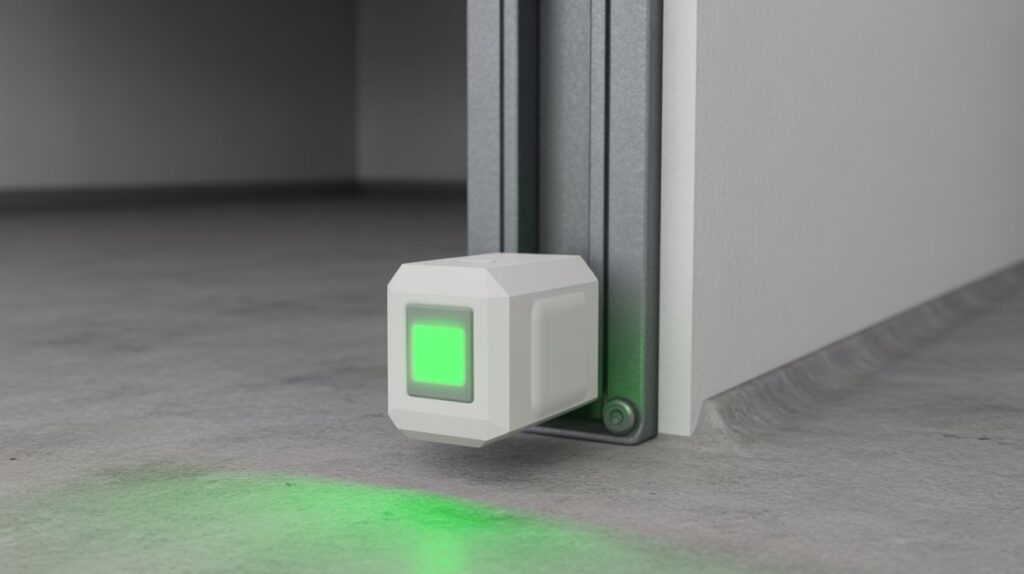
It’s a small detail, but it grabs your attention instantly. You walk into the garage, press the opener, and notice the green light blinking near the bottom of the door track instead of staying steady. For many homeowners in the U.S., this can feel confusing or even a little alarming — the same question comes to mind every time: Is something wrong with my garage door system?
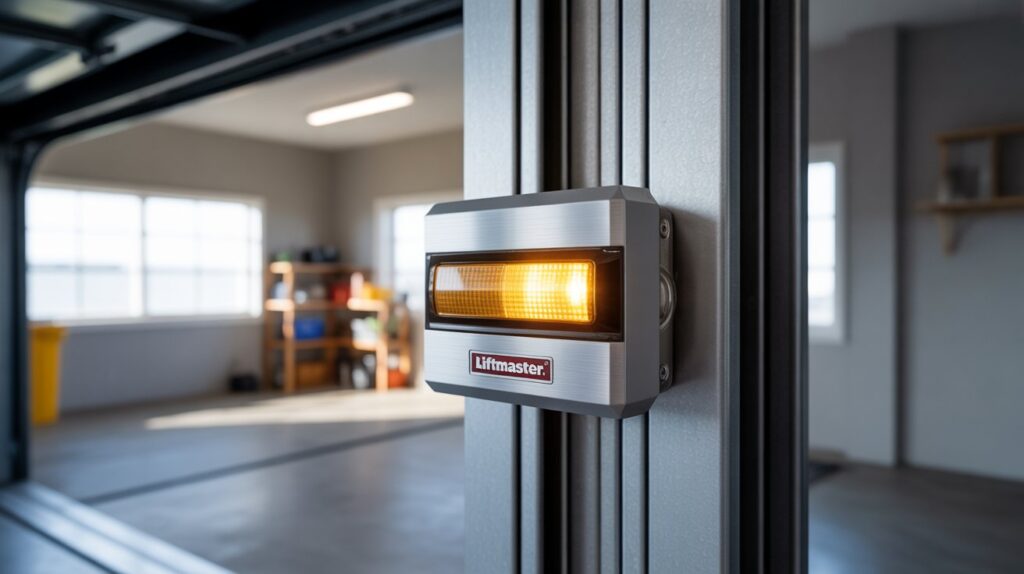
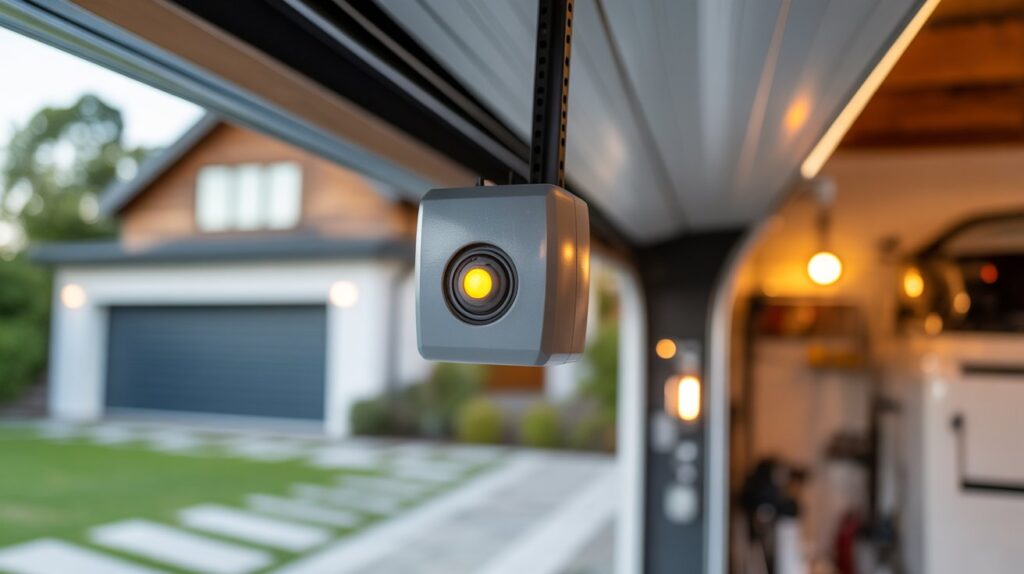
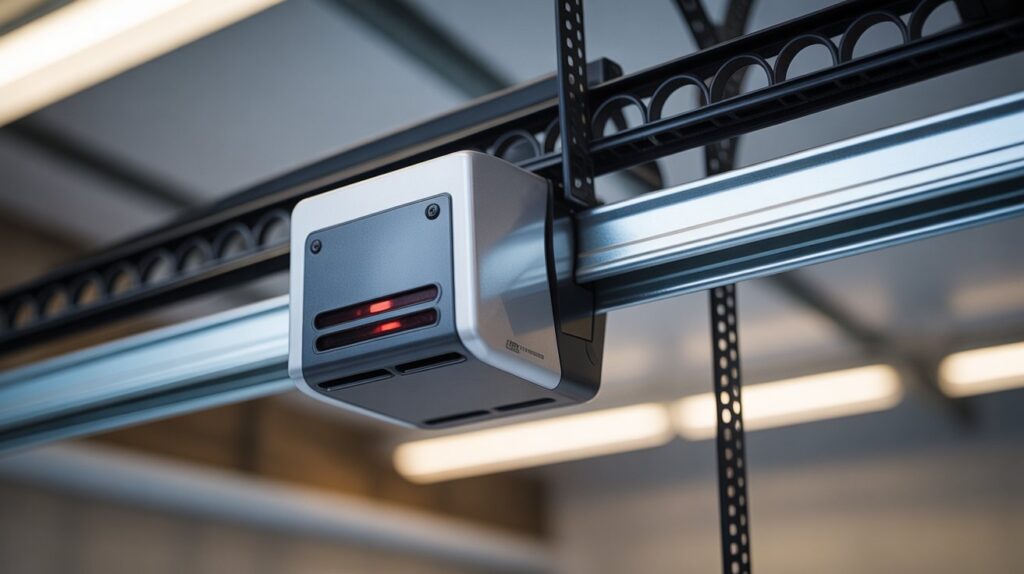
To understand the issue, it helps to know what that light is supposed to do. Modern garage doors use safety sensors mounted on both sides of the door near the floor, each sending an invisible infrared beam across the opening. When everything works normally, the light stays solid, showing the system has power and the beam is properly connected — a safety feature that stops the door from closing if a child, pet, or object is in the way.
When that light blinks instead, it usually means the sensors aren’t communicating the way they should. In most cases, the cause is simple: slight misalignment, dust on the lens, or a minor wiring issue. Even small disturbances — a bumped trash can, or items shifted near the door track — can throw off the beam and trigger the blinking light. If the sensors keep drifting out of position often, a secure mounting bracket can help keep them aligned for good.
The good news is that this rarely signals a serious mechanical failure. Most homeowners solve it in just a few minutes with basic troubleshooting — and once you understand why the light appears, fixing it becomes far less stressful.
How Garage Door Safety Sensors Work
Before fixing the problem, it helps to understand how garage door safety sensors actually work. These small devices are a critical part of modern garage door systems across the United States. They were designed to prevent accidents and protect people, pets, and property from a closing garage door.
Most automatic garage doors use a pair of photo-eye safety sensors installed near the bottom of the door tracks. Together, they create an invisible safety barrier across the garage opening. When this system works properly, the door can close smoothly and safely. But if something interrupts that connection, the system immediately stops the door from moving.
Understanding this simple mechanism makes it easier to figure out why you might see a garage door sensor flashing green and what it’s trying to tell you.
How the Sending and Receiving Sensors Work Together
Garage door safety sensors always work in pairs. Each one has a specific role in keeping the system safe and responsive.
- One sensor sends an invisible infrared beam across the garage door opening.
- The second sensor receives that signal on the opposite side.
- If the beam is blocked or interrupted, the garage door opener stops the door from closing.
This safety design is extremely important. For example, if a bike, storage box, or even a child’s toy sits in the path of the beam, the sensors detect it instantly. The system then prevents the door from closing, which helps avoid damage or injury.
Because of this sensitive setup, even small issues—like slightly bumped sensors or dust on the lenses—can disrupt the signal. When that happens, homeowners may notice warning signs such as a garage door sensor flashing green or the door refusing to close properly.
What the Green Light Normally Indicates
The indicator lights on garage door sensors are there to help homeowners quickly understand the system’s status. In most setups, the green light shows that the receiving sensor is powered and functioning.
When the light stays solid green, it usually means the sensor is getting power and the connection between the two sensors is stable. In other words, the safety system is working the way it should.
However, if you notice the garage door sensor flashing green, it often means something is interfering with that connection. Common causes include:
- Slight sensor misalignment
- Loose wiring or a weak connection
- Dirt or dust covering the sensor lens
These issues are usually minor, but the flashing light is the system’s way of telling you that the safety beam isn’t perfectly aligned. Once the sensors are cleaned, adjusted, or reconnected, the green light typically returns to normal and the garage door operates smoothly again.
Common Reasons Your Garage Door Sensor Is Flashing Green
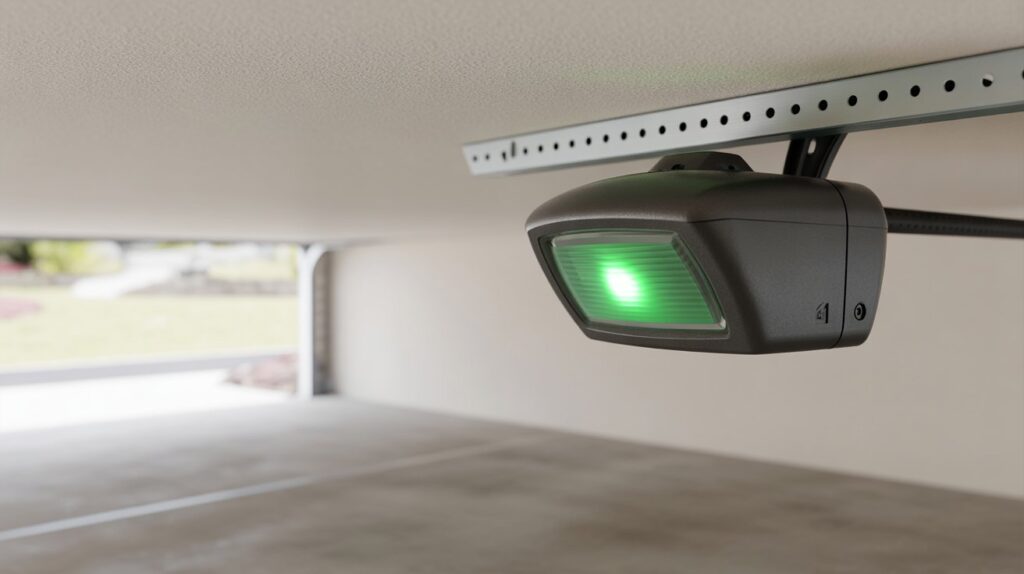
When homeowners notice this warning light, it usually means something is interrupting the normal connection between the two safety sensors. The good news is that most of these problems are small and easy to identify — in many U.S. homes, the cause comes down to simple everyday factors around the garage.
Below are the most common reasons this happens.
- Sensor Misalignment (Most Common Issue) — The two sensors must face each other directly to maintain the invisible safety beam. If one gets slightly bumped — by a trash can, a bike, or normal garage activity — the beam may no longer connect properly. Even a small shift can trigger the blinking light. Federal guidelines recommend mounting these sensors 4 to 6 inches above the floor, and a shift away from that height alone can be enough to throw off the beam. CPSC
- Dirt or Debris on the Sensor Lens — Garage environments often collect dust, spider webs, and dirt near the floor. When the lens gets dirty, it can weaken or block the infrared beam — even though the sensors themselves are still working fine.
- Loose or Damaged Wiring — Over time, wires connected to the sensors can loosen, wear down, or slightly disconnect. This disrupts the signal between the sensors and the opener, which can lead to a flashing indicator.
- Sunlight Interference — In garages facing strong afternoon sun, bright light can interfere with the receiving sensor. Direct sunlight may temporarily weaken the infrared signal, sometimes triggering the same warning.
- Sensor Obstruction Near the Floor — Because sensors sit only a few inches above the ground, it’s easy for boxes, tools, toys, or leaves to block the beam. When the path is blocked, the system responds by stopping the door and activating the flashing light.
In most cases, identifying and fixing one of these simple issues quickly restores normal garage door operation.
Step-by-Step Fixes to Stop the Flashing Green Light
If you notice this warning light, the good news is that most problems can be fixed with a few simple checks. In many U.S. homes, the cause is something small from normal garage use — a bumped sensor or dust on the lens. Going through the steps below usually restores the connection and gets the door working normally again.
1. Clean the Sensor Lenses
Sensors sit close to the floor, making them easy targets for dust, spider webs, and dirt — buildup that weakens the infrared beam over time. Gently wipe both lenses with a soft, dry cloth, then check the indicator lights again. A sensor guard can also help keep dust and grime from building up in the first place. In many cases, cleaning alone stops the flashing.
2. Check Sensor Alignment
The two sensors must face each other directly to keep the beam connected. If one is slightly tilted or bumped out of position, look at both and make sure they’re pointing straight at each other. If one appears crooked, gently adjust the mounting bracket until they’re aligned — even a small correction can restore the connection.
3. Inspect Wiring Connections
Loose or worn wires can interrupt communication between the sensors and the opener. Check the wires running to each unit, make sure connections are tight, and reconnect anything that looks loose.
4. Remove Objects Blocking the Beam
Since sensors sit near the floor, boxes, tools, toys, or small debris can block the beam without you noticing. Clear anything sitting across the bottom of the doorway, and the light should return to normal once the path is clear.
5. Restart or Reset the Opener
Sometimes the system just needs a refresh. Power fluctuations or temporary glitches can affect sensor communication — unplugging the opener for about 30 seconds, then plugging it back in, often clears the warning if everything else is properly aligned.
Following these steps, most homeowners can resolve the issue themselves and restore smooth, reliable garage door operation.
When the Flashing Green Light Means a Bigger Problem
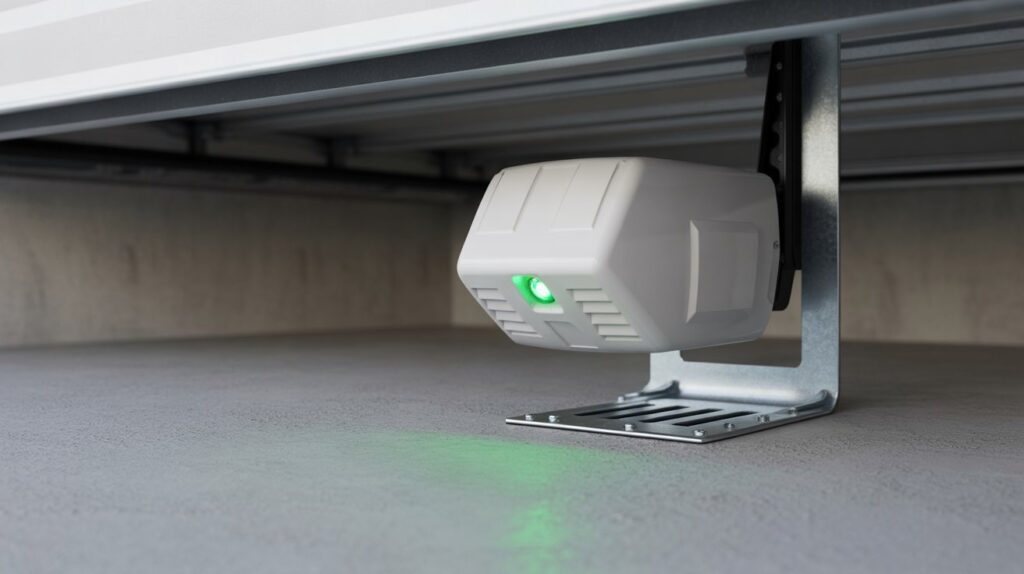
In many cases, this warning is caused by simple issues like dust, misalignment, or objects blocking the beam — problems most homeowners fix in just a few minutes. But sometimes the blinking light points to a deeper issue within the system.
If you’ve already cleaned the lenses, checked alignment, and cleared the sensor path but the light keeps flashing, the problem may need closer inspection. Here’s where a basic DIY fix may not be enough:
- Faulty Sensor Unit — Over time, sensors can wear out or fail internally. If the unit itself is damaged, it may keep blinking even when everything else checks out — replacing it is usually the most reliable fix.
- Damaged Wiring Inside the Opener — Sometimes the problem isn’t the sensors near the floor at all, but the wiring connected to the opener itself. Internal damage or loose connections there can interrupt communication just as easily.
- Sensor Replacement Needed — If your sensors are old or have been exposed to moisture, impact, or years of wear, they may no longer function reliably. Installing a new pair of compatible safety sensors can restore the system and eliminate the blinking for good.
- Professional Garage Door Technician Required — If troubleshooting doesn’t resolve it, calling a trained technician is the safest option. They can test the system, spot hidden electrical issues, and confirm the sensors meet current U.S. safety standards.
Knowing when this points to a larger issue helps homeowners avoid frustration and keep their garage door system running safely.
Conclusion
A flashing green sensor light might seem like a small issue, but it’s your garage door’s way of asking for attention. Most of the time, the cause is simple — misalignment, dust, or a blocked beam — and it’s fixed in just a few minutes.
These safety sensors are designed to protect your home and the people around it, so when the light starts blinking, it’s a helpful warning, not a failure.
Take a moment to check yours today — a small habit that keeps everything running safely.
FAQs
Q1. Is a flashing green light the same as a blinking red light on garage sensors?
No — different brands use different colors, but flashing (any color) generally signals the same thing: a broken or unstable beam connection.
Q2. Can a power surge cause the garage door sensor to flash green?
Yes, sudden power fluctuations can temporarily disrupt sensor communication, causing the light to flash until the system resets.
Q3. Do both garage door sensors flash green at the same time?
Not usually — typically only the receiving sensor shows green, so it’s the one most likely to flash when there’s an issue.
Q4. How long does it take to fix a flashing green sensor light?
Most cases are resolved in under 10 minutes with basic cleaning or realignment.
Q5. Is it safe to use the garage door while the sensor light is flashing?
No — a flashing light means the safety system isn’t fully functional, so it’s best to fix the issue before regular use.
About the Author
M Bilal is the founder of CrimTechHub, where he covers garage door safety systems, home alarms, and access control for U.S. homeowners. His background is in Criminology (BS) — a foundation that pushes him to look past the obvious fix and ask where a home’s actual weak points are, whether that’s a misaligned sensor or a wiring shortcut that only shows up months later.
He built CrimTechHub around one idea: most homeowners don’t need a technician’s manual, they need someone to tell them straight what’s normal, what’s a warning sign, and what’s worth a professional call. That’s the standard he holds every garage door and security guide on this site to.