Introduction
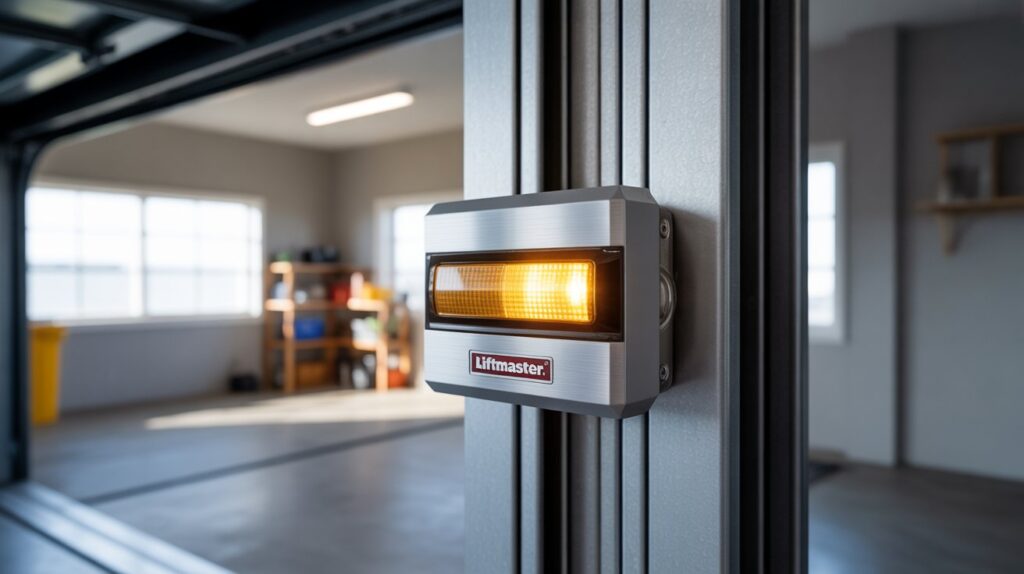
Do LED lights work with motion sensors? Yes — modern LED lighting and motion sensor technology are built to work together in most homes, and this combination is one of the easiest ways to improve security while cutting wasted electricity. Instead of leaving lights on all night, you get illumination exactly when and where it’s needed, whether that’s a driveway, entryway, or an indoor space like a hallway or closet.
This guide covers how LED lights and motion sensors interact, the real benefits of pairing them, and a few compatibility tips worth knowing before installation. If you’re specifically looking at wall-switch setups, our guide to the best motion sensor detector light switch is a useful next read.
Table of Contents
Why More Homeowners Are Pairing LED Lights With Motion Sensors
Homeowners across the United States are looking for smarter ways to improve safety while cutting energy costs — one reason LED lighting and motion sensors have become such a popular combination. LED bulbs already use less electricity than traditional bulbs, and pairing them with a motion sensor means they only turn on when actually needed.
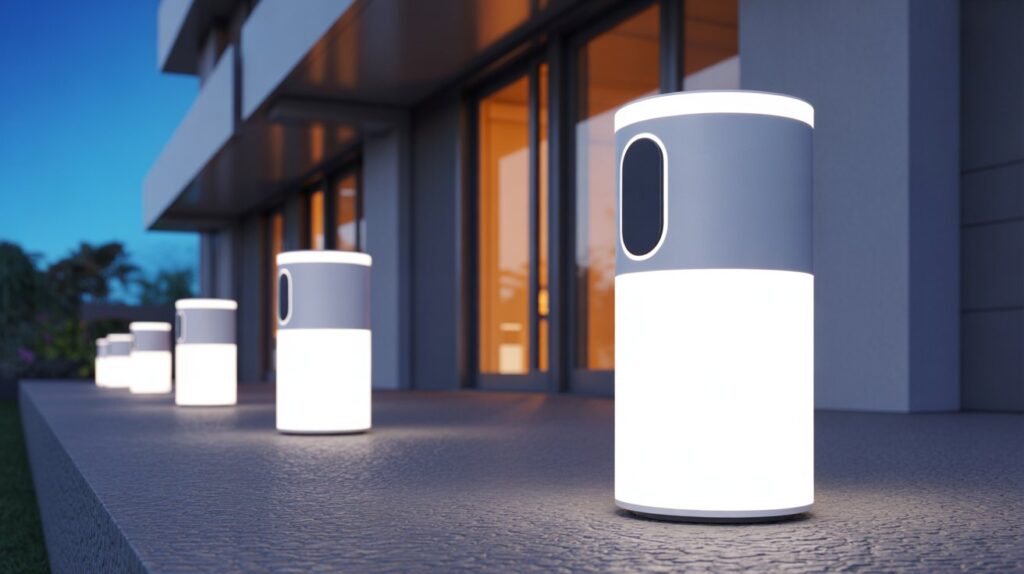
Motion-activated lighting works best in spaces that don’t need constant illumination — garages, driveways, front porches, backyards, hallways, and staircases. Instead of fumbling for a switch in the dark, the light turns on the moment movement is detected, which adds real convenience for family members and visitors moving around at night.
Put together, modern LED lights and motion sensors create an energy-efficient lighting setup that improves visibility, strengthens home security, and takes one less thing off your mind.
Do LED Lights Work With Motion Sensors? The Simple Answer
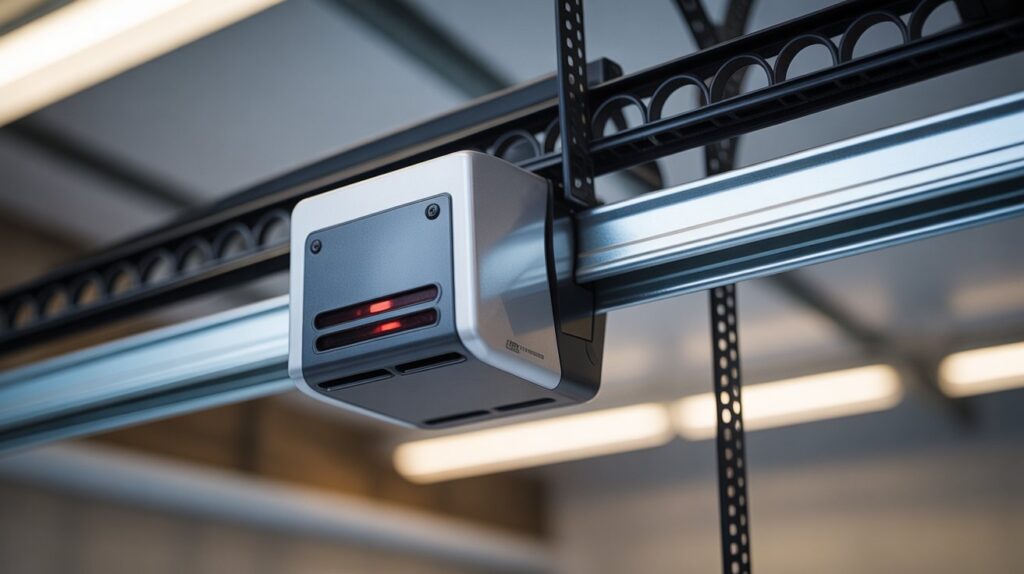
Yes — LED lights and motion sensors work extremely well together in most modern homes. The motion sensor detects movement in its coverage area and sends a signal that turns the LED light on; once no movement is detected for a set period, the light switches off automatically. It’s a smart, low-effort lighting system that runs itself.
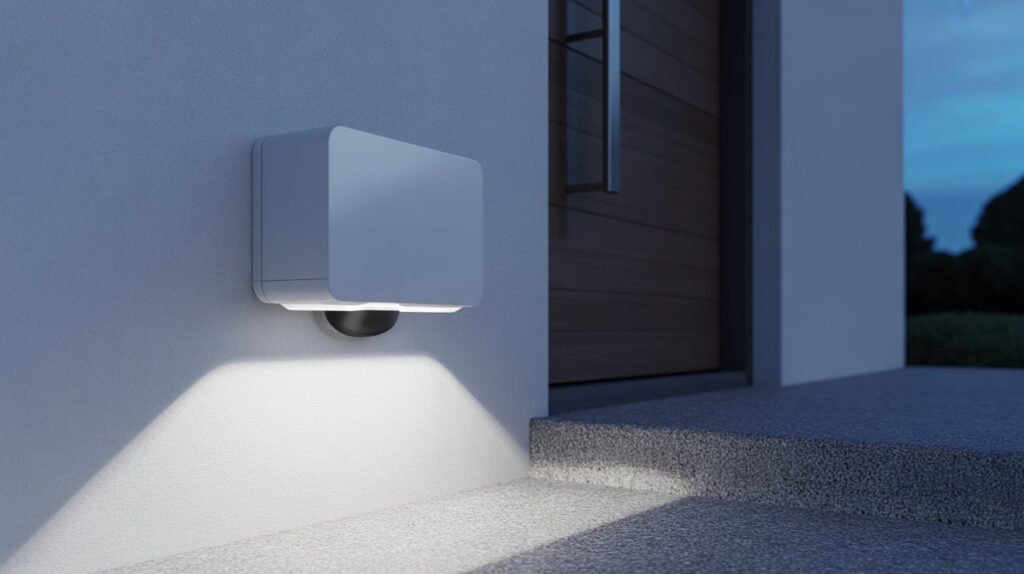
Most modern LED bulbs are built to be compatible with motion detection systems. Unlike older lighting technologies, LEDs turn on instantly and draw very little power, which makes them a natural fit for sensor-controlled setups. That’s why so many homeowners choose LED security lights for driveways, entryways, garages, and other outdoor spaces — if you’re specifically covering entry points, our guide to the best outdoor motion sensor lights is worth checking too.
When motion is detected, the process happens within seconds:
- The motion sensor detects movement in its coverage area.
- A signal is sent to activate the connected LED light.
- The LED light turns on immediately, providing clear visibility.
- After a period of no activity, the light automatically switches off.
Whether someone arrives home late at night or a visitor approaches the front door, motion-activated LED lights provide light exactly when it’s needed while cutting unnecessary energy use.
How Motion Sensors Control LED Lights
Understanding how motion sensors work helps homeowners get the most from their lighting setup. The sensor acts as the control system, while the LED light provides instant illumination the moment movement is detected — together they form a lighting setup that’s safer, more convenient, and genuinely energy-efficient. For a closer look at wiring these two together, our guide on how to connect a motion sensor to a light walks through the setup step by step.
Types of Motion Sensors Used With LED Lighting
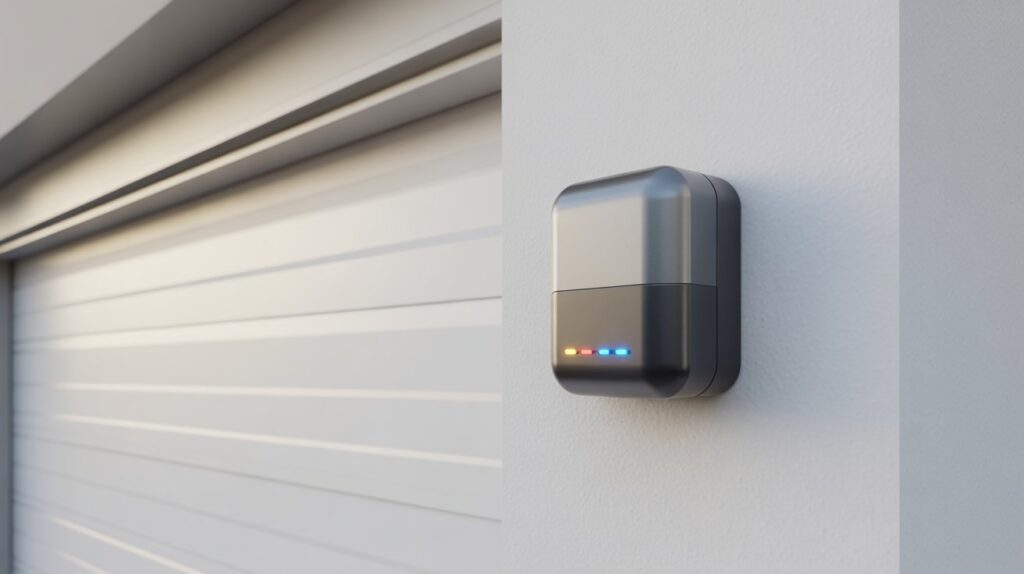
Several types of motion sensors are commonly used with LED lights:
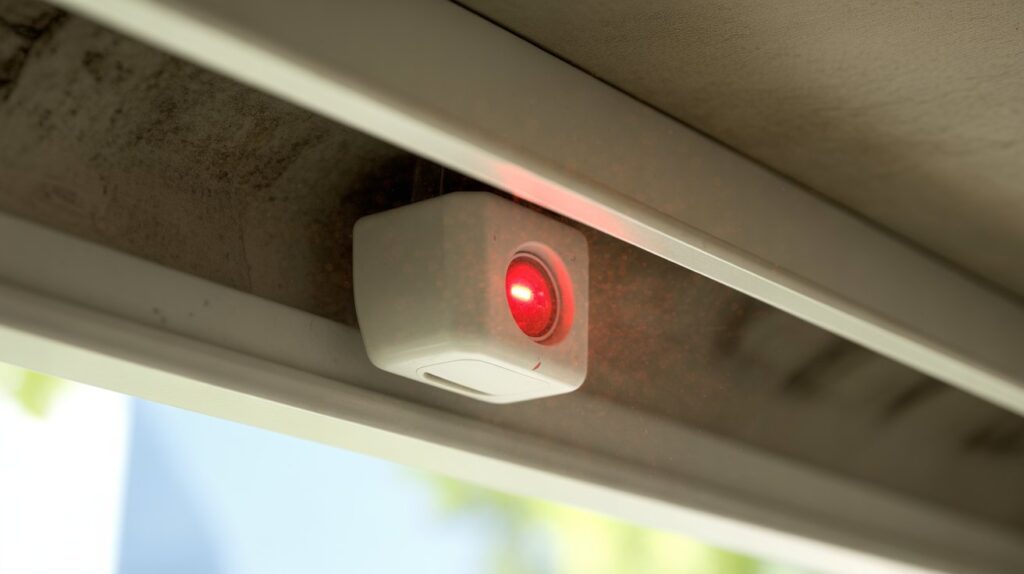
- Passive Infrared (PIR) Sensors: Detect heat emitted by people, pets, or vehicles. These are the most common sensors used in residential lighting.
- Microwave Sensors: Send out microwave signals and detect changes when an object moves within the coverage area. They often provide a wider detection range.
- Dual-Technology Sensors: Combine PIR and microwave technology to improve accuracy and reduce false activations.
Each sensor type has its own strengths, and the best choice depends on where the light is installed and how the space gets used.
What Happens When Motion Is Detected?
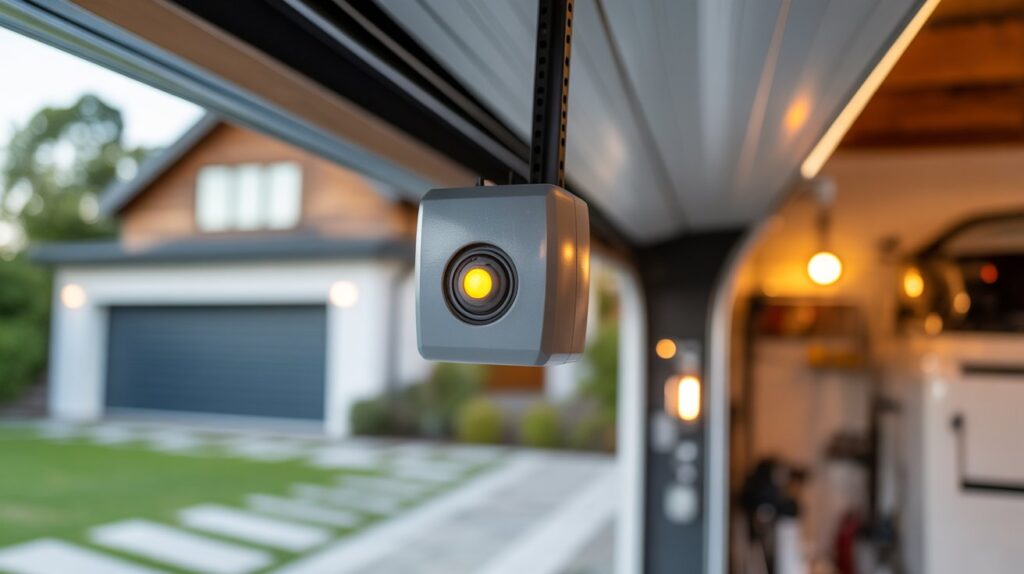
The process happens almost instantly. When someone walks up a driveway, enters a garage, or approaches a front door, the motion sensor recognizes the movement and triggers the connected LED light.
The sequence usually works like this:
- The sensor recognizes movement occurring within its detection range.
- The control system sends a signal to the LED fixture.
- The LED light turns on immediately and brightens the area.
- After a preset period of no movement, the light automatically turns off.
This quick response helps homeowners save energy while keeping important areas well-lit exactly when needed — one of the main reasons motion-activated LED lighting has become a go-to choice for indoor and outdoor security setups alike.
Benefits of Using LED Lights With Motion Sensors
Pairing LEDs with motion sensors brings real, practical advantages for modern homes:
- Lower Energy Consumption: Lights only turn on when motion is detected, cutting unnecessary power usage.
- Longer Bulb Lifespan: Since the lights aren’t running continuously, LED bulbs see less wear and typically last longer.
- Improved Home Security: A well-lit driveway, entryway, or backyard makes unexpected movement easier to notice at night.
- Better Convenience: Lights activate automatically when you arrive home, carry groceries inside, or walk down a hallway — no switch required.
- Reduced Electricity Costs: Lower year-round energy use can meaningfully cut utility bills, especially in homes with several indoor and outdoor fixtures.
If you’re looking to extend this setup beyond bulbs, our guide to LED strip lighting with motion sensors covers a flexible option for closets, stairs, and accent lighting. Combined, LED efficiency and motion detection strike a solid balance between safety, convenience, and long-term savings.
Potential Compatibility Issues to Know Before Installation
Although LED lights and motion sensors are usually compatible, it’s worth understanding a few setup challenges before installing the system. Most modern systems work smoothly, but older motion sensors were often designed for traditional incandescent bulbs and may not always perform well with low-wattage LED lighting.
One common issue is flickering, flashing, or lights that don’t fully turn off. This happens because many sensors rely on detecting a minimum electrical load to function properly, and LEDs draw far less current than incandescent bulbs — ENERGY STAR’s guidance on LED compatibility confirms this mismatch is one of the most common causes of flicker and inconsistent switching with older controls. Homeowners may also notice a slight delay in activation or inconsistent performance with outdated fixtures.
To avoid these problems, choose LED bulbs and motion sensors specifically designed to work together. Many manufacturers clearly label products as LED-compatible, which makes the selection process much easier.
A few simple tips can help prevent setup issues:
- Check that the motion sensor supports LED bulbs.
- Use quality LED bulbs from reputable brands.
- Follow the manufacturer’s installation guidelines.
- Replace outdated sensors if compatibility problems occur.
- Test the system after installation to ensure proper operation.
A little planning before installation can save time and frustration later. Choosing compatible components from the start helps ensure reliable motion detection, smooth performance, and the energy-saving benefits that make LED motion sensor lighting so popular.
Conclusion
So, do LED lights work with motion sensors? In most cases, yes — exceptionally well. This combination delivers energy-efficient lighting, added convenience, improved home security, and lower electricity costs, making it a smart choice for modern homeowners.
Whether you’re lighting a driveway, front porch, garage, or hallway, motion-activated LED lights provide illumination exactly when it’s needed while cutting unnecessary energy use. If you’re setting this up indoors, our guide to the best motion sensor light bulbs is a useful next step for finding LEDs built specifically for sensor compatibility. With the right setup, you can enjoy a safer, more efficient, and more comfortable home every day.
FAQs
Why is my LED bulb not working with a motion sensor?
This usually happens when the bulb and sensor aren’t compatible. Older motion sensors are often built for incandescent loads and may not properly detect or control low-wattage LED bulbs.
Can you add a motion sensor to existing LED lights?
Yes, many LED lights can be connected to a separate motion sensor switch or add-on sensor, letting them turn on automatically when movement is detected.
Do motion sensor LED lights use a lot of electricity?
No — since the lights only run when motion is detected, they typically use far less electricity than lights left on continuously or controlled by a standard switch.
Can LED motion sensor lights be used outdoors?
Yes, as long as the specific LED bulb and sensor are rated for outdoor or weather-resistant use. Not all indoor-rated LED motion lights hold up well outside.
Why do LED lights flicker with some motion sensors?
Flickering usually happens when the sensor can’t detect the low electrical load LEDs draw, which is common with older sensors built for incandescent bulbs. Switching to an LED-compatible sensor usually resolves it.
About the Author
This guide was written by M Bilal, who holds a BS in Criminology and applies that background to researching practical home safety and lighting solutions. He runs CrimTechHub to help homeowners understand how simple upgrades — from motion sensors to security lighting — can make everyday living safer and more convenient. Recommendations on this page are based on manufacturer specifications, real compatibility issues homeowners commonly report, and hands-on research into how LED and motion sensor systems work together.