
Introduction
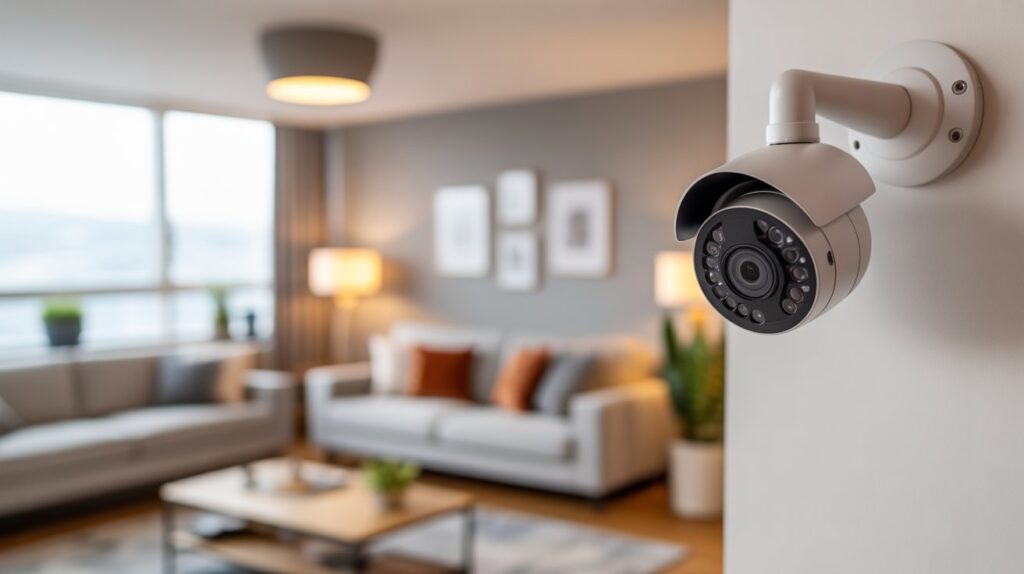
Have you ever felt uneasy leaving your apartment, wondering if your home and belongings are truly safe? For many tenants, the question of security goes beyond locks and alarms—it’s about peace of mind. Understanding apartment security camera laws for tenants is crucial before installing any camera. Knowing your rights, following legal guidelines, and respecting privacy not only protects your property but also ensures you avoid potential conflicts with landlords or neighbors.
In this guide, we’ll walk you through everything you need to confidently secure your home while staying fully compliant with the law.
Table of Contents
Apartment Security Camera Laws for Tenants – What You Need to Know
Feeling safe in your own apartment is a basic need, yet installing a security camera isn’t as simple as just buying one and mounting it on the wall. Tenants often face a tricky balance between protecting their home and respecting privacy laws. Understanding apartment security camera laws for tenants is essential to avoid legal issues while keeping your home secure.
Every year, more renters consider cameras to monitor entrances, hallways, or their personal space. While it offers peace of mind—like knowing your packages are safe or spotting a suspicious visitor—improper use can lead to conflicts with landlords or even legal trouble. Imagine recording a shared hallway without permission; what seems like protection could actually violate privacy rules.
Legally, tenants have the right to secure their living space, but there are limits. Laws vary by state, and federal regulations also play a role in what you can record, especially regarding neighbors and common areas. This is why tenant rights for security cameras and understanding landlord camera rules are critical before installation.
By learning the rules and acting responsibly, you can confidently install a camera that protects your home, deters theft, and provides peace of mind—all while respecting the privacy of others. The key is to stay informed, follow legal guidelines, and choose placement carefully. After all, true security comes from both safety and respect for the law.
Why Tenants Are Considering Security Cameras
Safety is a growing concern for tenants living in apartment complexes. With shared entrances, hallways, and public parking areas, many renters feel vulnerable to theft, vandalism, or unwanted intrusions. Installing security cameras offers a practical solution, giving tenants a sense of control over their environment. Understanding apartment security camera laws for tenants ensures you can protect your space without breaking any rules.
Here are the main reasons tenants are turning to security cameras:
- Rising safety concerns in apartment complexes:
Many renters experience package theft, unauthorized visitors, or suspicious activity around their building. Cameras act as both a deterrent and a record of events, making tenants feel safer. - Protecting personal property and loved ones:
Security cameras help monitor valuable items inside apartments and in common areas like parking lots. Parents or pet owners can also check in remotely, ensuring the safety of their family members or pets. - Balancing peace of mind with privacy rights:
While cameras provide reassurance, tenants must respect neighbors’ privacy. Proper placement and understanding local laws prevent conflicts and maintain a respectful community. Knowing landlord camera rules and your tenant rights for security cameras helps achieve this balance.
By combining security measures with awareness of the legal framework, tenants can enjoy peace of mind without compromising privacy. Smart, legal camera use creates a safer home environment for everyone involved.
Understanding Tenant Rights and Privacy Laws
Navigating the legal landscape of security cameras as a tenant can feel overwhelming. Knowing your rights and the limits of surveillance is crucial for staying compliant while keeping your apartment safe. Understanding apartment security camera laws for tenants helps protect you from potential disputes with landlords or neighbors.
Federal vs. State Regulations
- Federal laws set general privacy protections, but most rules about recording and surveillance are determined at the state level.
- States differ in how they handle audio recording, camera placement, and tenant consent.
- Tenants should always check their specific state’s laws before installing cameras to avoid fines or legal issues.
What Tenants Can Legally Record Inside and Outside Their Apartment
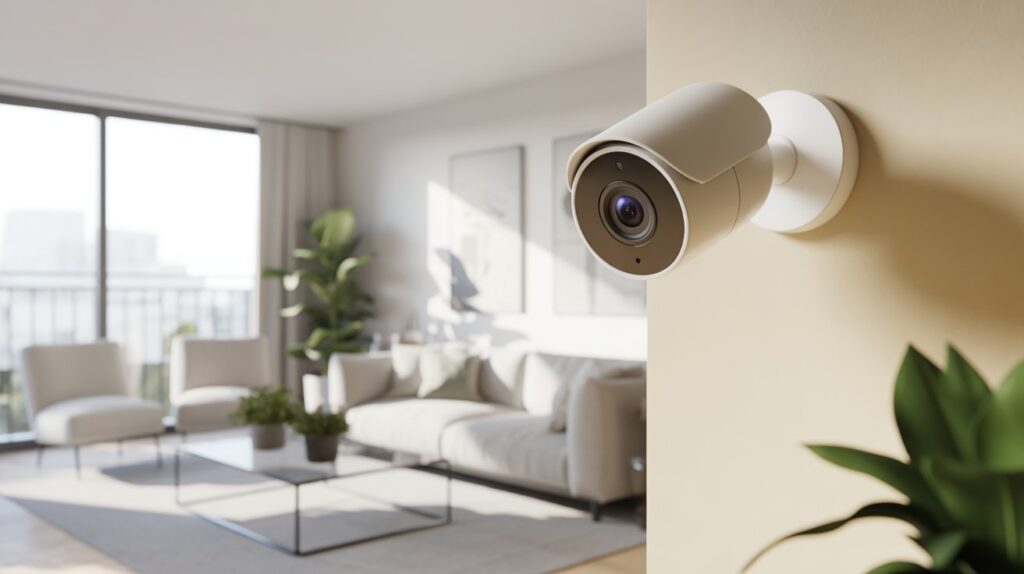
- Inside your unit: You generally have full rights to record inside your apartment, as it is your private space.
- Outside your unit: Recording common areas or shared spaces may require landlord permission to comply with privacy rules.
- Audio vs. video: Audio recording often has stricter laws; many states require consent from all parties before recording sound.
Limits on Recording Common Areas
- Tenants cannot record neighbors in hallways, lobbies, or shared amenities without explicit consent.
- Security cameras should focus on entrances to your apartment or areas directly affecting your safety.
- Clear signage or notifications may be required in some states to inform others about recording in shared spaces.
By understanding these rules, tenants can secure their homes legally and responsibly. Staying informed ensures safety without compromising the privacy of others, creating a respectful living environment while following tenant rights for security cameras.
Landlord Restrictions and Permissions
Even if tenants understand their rights, landlords often set specific rules regarding security cameras. Lease agreements may include clauses about installations, and ignoring these can create conflicts or even legal trouble. Understanding these apartment security camera laws for tenants ensures that you can protect your home while respecting the rules set by your landlord.
- Lease agreements and clauses about cameras:
Many rental agreements include clauses that restrict modifications to the property, including mounting devices or installing cameras. Before setting up a security system, carefully review your lease to identify any limitations. Some landlords may allow cameras indoors but prohibit outdoor installation or recording common areas. Understanding these clauses upfront prevents disputes and ensures that your surveillance is fully compliant with landlord camera rules. - When landlords can say no:
Landlords have the right to deny camera installations that affect shared spaces or other tenants’ privacy. For example, recording hallways, lobbies, or parking areas without permission can violate privacy laws and the lease agreement. Landlords may also reject cameras that require structural modifications or permanent changes. Respecting these boundaries is crucial to avoid fines, eviction notices, or legal consequences. - Seeking written permission for installation:
If you want to install a camera outside your unit or in any area that could impact others, always request written permission. Written approval provides a clear record that your security measures are authorized, protecting both you and your landlord. Include details like camera location, recording scope, and duration to avoid misunderstandings. This practice not only complies with apartment security camera laws for tenants but also strengthens trust between you and the property management.
By respecting landlord restrictions and securing proper permissions, tenants can install security cameras confidently while avoiding legal complications. Clear communication and documentation make security both effective and lawful.
Legal Guidelines for Installing Security Cameras
Installing security cameras as a tenant comes with legal responsibilities. Knowing where and how to place your cameras ensures safety while respecting the law. Following apartment security camera laws for tenants helps you avoid conflicts with landlords, neighbors, or authorities.
Placement Rules (Indoor vs. Outdoor)
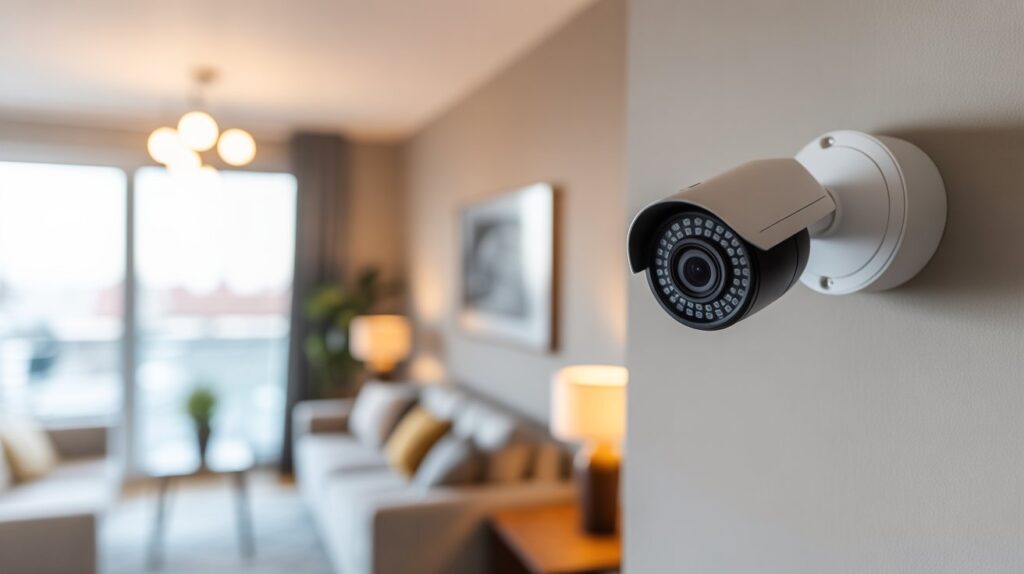
- Indoor cameras: Tenants can freely install cameras inside their apartments to monitor entrances, valuables, or family members. Ensure cameras do not inadvertently record shared walls or neighboring units.
- Outdoor cameras: Outdoor installation is more sensitive. Only place cameras where they monitor your own property, such as your doorway or balcony, without capturing areas beyond your lease. Improper placement may violate privacy laws or lease agreements.
- Height and angle: Mount cameras at a level that captures your unit’s entry points without intruding on others’ private spaces.
Avoiding Recording Neighbors or Private Areas
- Never record neighbors through windows, walls, or shared spaces. Even accidental recording can lead to legal disputes.
- Avoid capturing private areas such as bathrooms, bedrooms, or private balconies of other tenants.
- Focus cameras only on your property or public areas where monitoring is legally allowed.
Audio Recording Laws and Consent
- Audio recording is often more strictly regulated than video. Many states require all-party consent for recording sound.
- Before using microphones or audio-enabled cameras, check local and state laws to avoid fines or lawsuits.
- If audio recording is essential, obtain written consent from all individuals who may be recorded in your apartment or common areas.
By following these legal guidelines, tenants can enjoy the benefits of security cameras while staying fully compliant with laws. Proper placement, respecting privacy, and understanding audio restrictions ensure both safety and legality.
Best Practices for Tenants to Stay Compliant
Installing a security camera as a tenant comes with both rights and responsibilities. Following best practices ensures your home is secure while staying fully compliant with apartment security camera laws for tenants. These steps help prevent conflicts with landlords or neighbors and maintain peace of mind.
- Informing the landlord:
Always communicate with your landlord before installing any cameras, especially in areas that could affect shared spaces. Even if your lease doesn’t explicitly require it, giving notice demonstrates respect for rules and helps avoid disputes. A quick email or written request can provide documentation of your compliance. - Choosing privacy-friendly camera systems:
Opt for cameras that allow selective recording and motion detection. Modern systems often include features to avoid capturing neighbors or public areas, which reduces privacy concerns. Privacy-focused cameras also help you comply with tenant rights for security cameras while protecting your property. - Signage and notifications (if needed):
In some states, posting signs or notifications about active recording is legally required in shared areas. Even when not mandatory, clear signage signals transparency and respect for others’ privacy, fostering trust within your apartment community.
By following these best practices, tenants can enjoy the benefits of security cameras safely and legally. Clear communication, smart camera choices, and attention to privacy create a balanced approach to home security.
Consequences of Violating Apartment Security Laws
Installing a security camera without understanding the rules can lead to serious consequences. Tenants must follow apartment security camera laws for tenants to avoid legal issues and maintain a safe, respectful living environment. Breaking these laws can have financial, legal, and personal repercussions.
- Potential fines and legal actions:
Recording private areas, shared hallways, or neighbors without consent can result in state fines, civil lawsuits, or other legal penalties. Even accidental violations may be taken seriously, making compliance essential to avoid costly disputes. - Lease termination risks:
Ignoring lease clauses about camera installation can lead to warnings, lease violations, or even eviction. Landlords have the right to enforce rules strictly, so tenants must ensure all camera setups are fully aligned with their rental agreement. - Protecting yourself from disputes:
Clear communication, written permissions, and proper camera placement protect tenants from misunderstandings. Keeping a record of approvals and compliance steps strengthens your position if any conflicts arise. This approach not only preserves your tenancy but also maintains good relations with neighbors and landlords.
Understanding these consequences highlights why following tenant rights for security cameras and landlord rules is crucial. Proper precautions allow you to benefit from security cameras without risking legal trouble or personal stress.
Tips to Maximize Security Without Breaking the Law
Tenants can protect their apartments effectively while staying within legal limits. Using smart cameras responsibly ensures that you monitor your property without invading others’ privacy.
- Cloud storage and data protection: Modern cameras often include cloud storage, keeping recordings secure and easily accessible. Protecting this data ensures your personal information stays safe and prevents misuse by unauthorized parties.
- Combining security with community awareness: Building relationships with neighbors and participating in community watch programs enhances safety beyond cameras. Shared vigilance complements your surveillance efforts while fostering a respectful and cooperative living environment.
By combining technology, proper data practices, and community awareness, tenants can enjoy strong security while fully complying with apartment security camera laws for tenants. This approach provides peace of mind without legal risks.
Conclusion
Protecting your apartment is not just about cameras—it’s about creating a safe, secure, and respectful environment for yourself and those around you. By understanding apartment security camera laws for tenants, knowing your rights, and following legal guidelines, you can confidently safeguard your home without compromising privacy or trust.
Now take a moment to think — how can you apply these rules to make your living space safer while respecting others? Remember, true security comes from knowledge, responsibility, and smart choices. Protect your home wisely, and let safety and respect guide every step.
“Before choosing your self-defense tools, check if Tasers are legal in Louisiana and explore our full guide on stun guns for personal safety to make informed and safe decisions.”
FAQs
- Can I put a camera in my apartment living room?
Yes, you can record inside your own apartment, as it’s your private space. - Do you have to tell people you have a security camera?
Generally, yes if you record shared areas; for private spaces, it’s not required. - Can I put a camera on my apartment balcony?
Only if it captures your property and doesn’t record neighbors’ spaces. - Is it illegal to set up cameras without permission?
It can be illegal if you record common areas or others without consent.
5. Can a cell phone detect a hidden camera?
Sometimes; apps or infrared detection can spot certain hidden cameras.


