Introduction
You press the button. The garage door starts closing, then stops halfway. You try again — nothing happens. You walk over, crouch down, and spot it: one sensor light is green, the other one isn’t.
That mismatched light is trying to tell you something.
Should both sensors on a garage door be green? Yes — under normal conditions, both photo-eye sensors need solid green lights facing each other for the door to close. If one light is off, blinking, or a different color, the safety sensors aren’t aligned, and the opener will refuse to shut the door. It’s a built-in safeguard, not a glitch.
This guide covers what each sensor light means, when the setup is working correctly, when it isn’t, and the exact steps to fix it.
Table of Contents
What Garage Door Sensors Actually Do
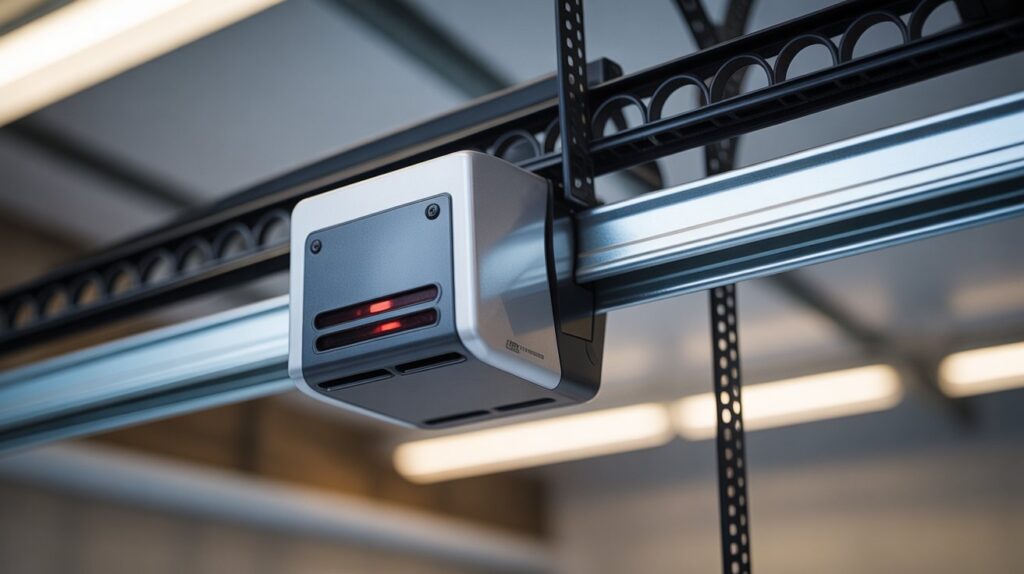
Most homeowners rarely think about their garage door sensors until the garage door suddenly stops working. These small safety devices are installed near the bottom of the garage door tracks, with one sensor positioned on each side and facing the other. Together, they create an invisible infrared safety beam across the garage door opening.
When something interrupts this beam—such as a child, pet, bicycle, or vehicle—the garage door opener is designed to stop the closing process and reverse the door. This safety feature helps reduce the risk of accidents and property damage. Since 1993, residential garage door openers in the United States have been required to include reversing mechanisms, with photoelectric sensors commonly used as part of that safety system.
The basic system is simple: one garage door sensor sends an infrared beam, while the other receives it. When the sensors are powered, properly aligned, and communicating correctly, the beam remains connected while the door operates. If the beam is blocked, interrupted, or misaligned, the opener detects a potential obstruction and prevents the door from closing normally.
This is why the garage door sensor indicator lights are so important. They provide a quick visual indication of the sensors’ power and alignment status. If one light is off, blinking, or behaving differently from normal, it can point to a problem such as misalignment, wiring issues, dirt, or a faulty sensor.
If your sensors are not facing each other correctly, even a small adjustment can affect the infrared beam and prevent the garage door from closing. For a step-by-step guide, see our detailed guide on how to line up garage door sensors correctly.
Understanding how garage door sensors work makes it much easier to recognize warning signs, troubleshoot common problems, and keep your garage door safety system operating properly.
Should Both Sensors on a Garage Door Be Green?
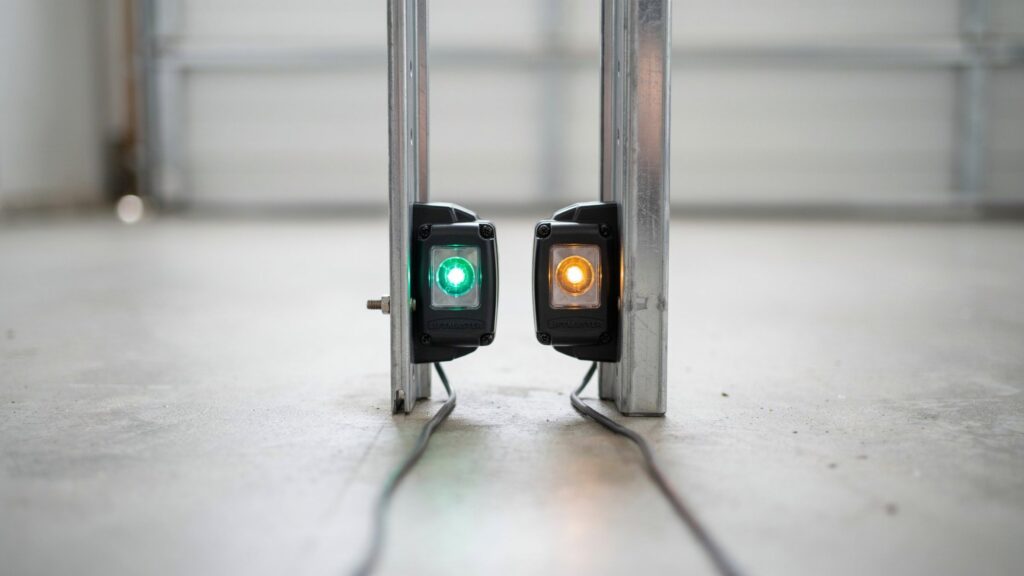
Yes — both sensors on your garage door should be green. That’s the simplest, most direct answer. When both lights are solid green, your sensors are aligned, communicating properly, and your door is safe to operate.
Here’s how it breaks down. Most garage door systems use a two-light setup:
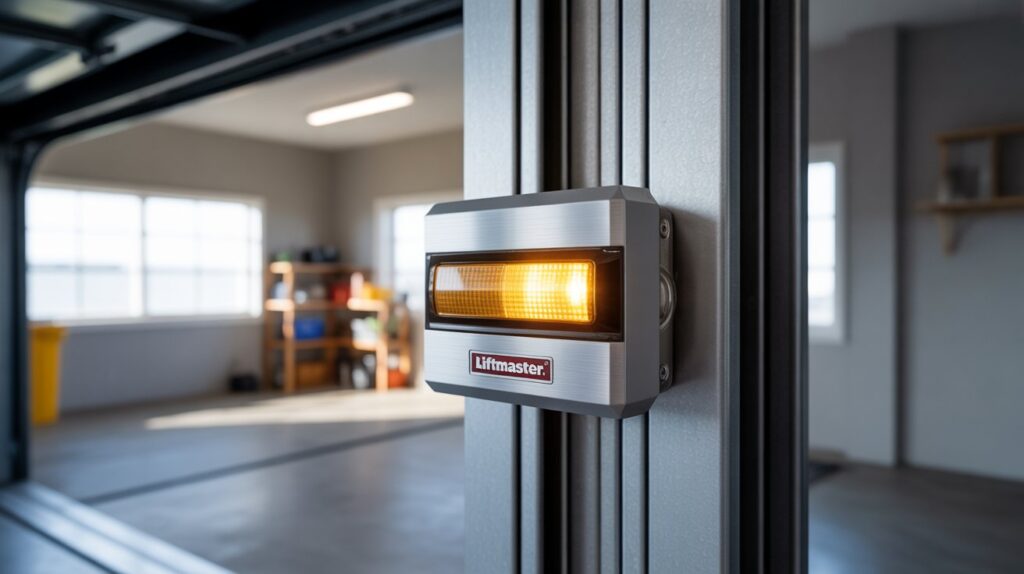
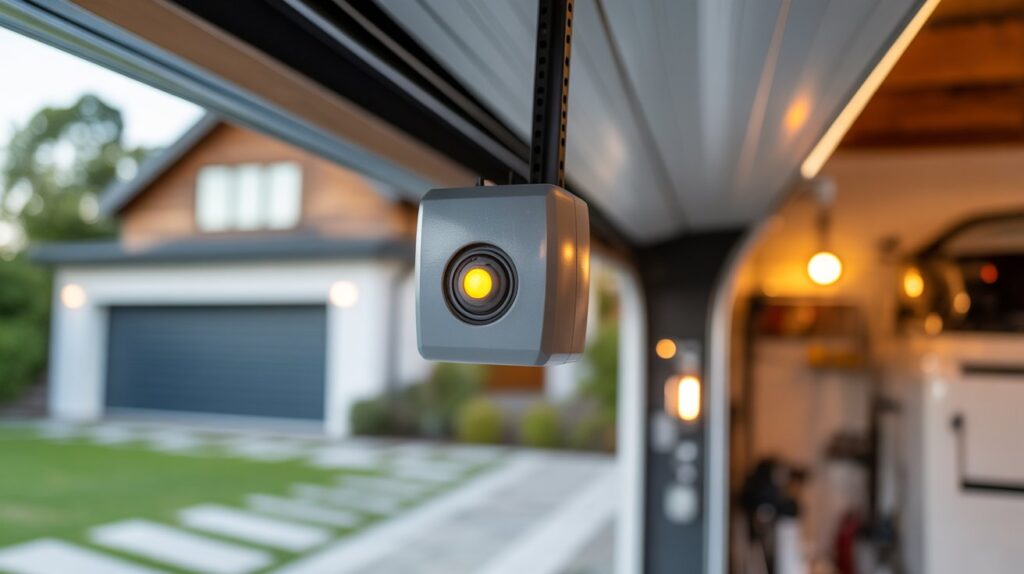
- Sending sensor — usually shows a steady yellow or amber light regardless of alignment
- Receiving sensor — this is the one that matters most. It should show a solid green light when the beam is properly received
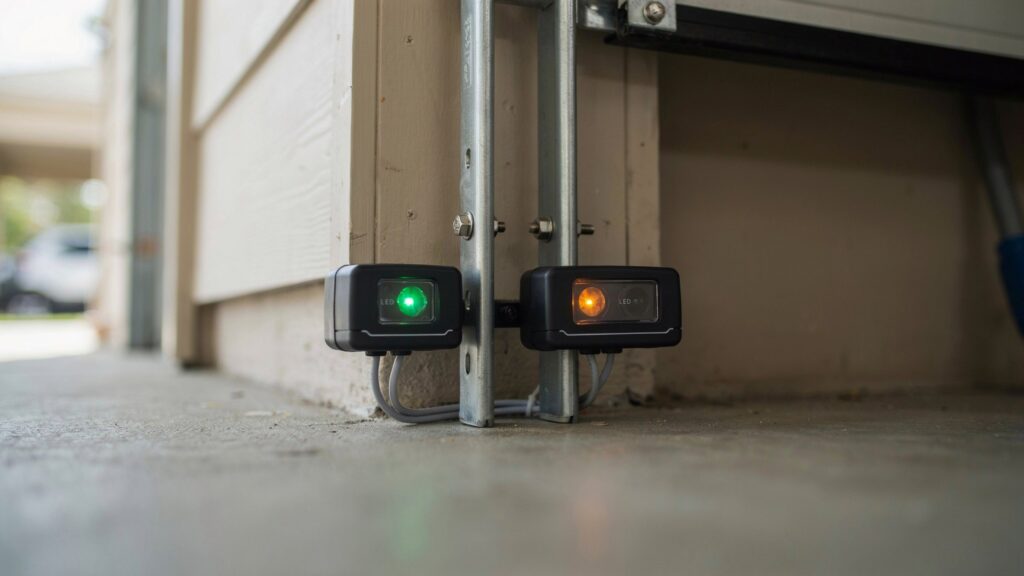
So when someone asks “should both sensors on garage door be green,” the honest answer is — it depends on the brand. Some systems show green on both. Others show yellow on the sender and green on the receiver. Either way, the receiving sensor must be green for the system to function correctly.
If that green light is blinking, dim, or completely off, your door won’t close — and it shouldn’t. That’s the system doing exactly what it was designed to do.
A solid green light means everything is right. It means the invisible safety beam between those two sensors is clean, unbroken, and fully active. That’s what you want every single time.
What If One Garage Door Sensor Is Green and the Other Is Not?
If one garage door sensor is green and the other is not, it usually means the two safety sensors are not communicating correctly. The exact meaning of each indicator light can vary by garage door opener brand and model, but the lights generally help you identify whether the sensors have power, are aligned, and can detect the infrared safety beam.
Before replacing a sensor, check the indicator lights and perform a quick visual inspection. A simple alignment problem, dirty lens, wiring issue, or strong sunlight can sometimes cause the garage door sensor lights to behave differently.
Yellow or Amber Garage Door Sensor Light — What Does It Mean?
A steady yellow or amber light on one garage door sensor is normal on many garage door opener systems. In these systems, the sending sensor uses the yellow or amber indicator to show that it has power and is transmitting the infrared beam.
If the yellow or amber light remains steady, there may be nothing wrong with the sensor. However, if the light starts blinking, the system may be detecting a wiring problem, poor connection, or sensor fault.
Because indicator-light patterns vary between manufacturers, always check your garage door opener’s manual before assuming that a blinking light means the sensor itself has failed.
Red Light or No Light on a Garage Door Sensor — What Does It Mean?
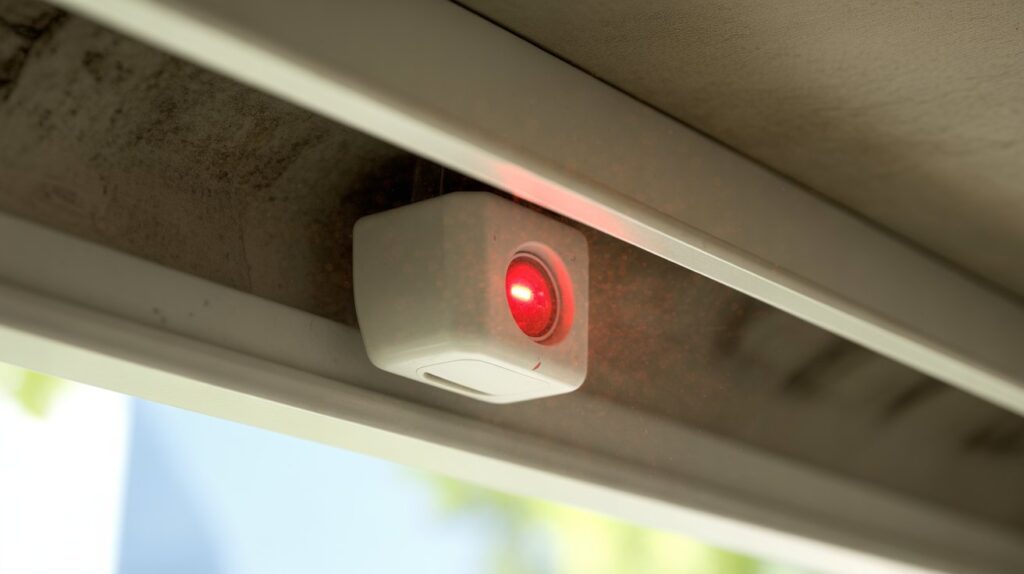
A red light, missing light, or unusual indicator light on the receiving garage door sensor can indicate that the safety beam is not being detected correctly. When the sensors cannot establish the proper beam connection, the garage door opener may prevent the door from closing as a safety precaution.
Common causes include:
- Misaligned garage door sensors that are not facing each other correctly
- Dust, dirt, or debris covering the sensor lenses
- Direct sunlight interfering with the infrared beam
- Loose, damaged, or disconnected wiring
- A faulty garage door sensor or damaged sensor connection
The best place to start is with a visual inspection. Make sure both sensors are firmly mounted, directly facing each other, and positioned at the same height. Clean the sensor lenses gently and check for loose or damaged wires.
If the lights still show an abnormal pattern after these basic checks, consult the opener manufacturer’s troubleshooting instructions before replacing any parts. This can help you determine whether the issue is sensor alignment, wiring, power, or an actual sensor failure.
How to Fix Garage Door Sensors That Won’t Turn Green
If your garage door sensor won’t turn green, don’t assume that the sensor needs to be replaced immediately. In many garage door opener systems, the green indicator is associated with the receiving sensor and shows that the infrared safety beam is being detected correctly. However, light colors and indicator patterns can vary by manufacturer and model.
Most garage door sensor problems can be traced to misalignment, dirt, sunlight interference, wiring problems, or a temporary system error. Try the following troubleshooting steps before replacing any components.
1. Realign the Garage Door Sensors
Misaligned garage door sensors are one of the most common reasons the receiving sensor does not show a steady green light. Check both sensors and make sure their lenses are facing each other directly.
If your sensors use adjustable brackets or wing nuts, carefully loosen the mounting hardware, reposition the sensors until they are properly aligned, and then tighten them securely. On compatible LiftMaster systems, both sensor LEDs should glow steadily when the sensors are correctly aligned and wired.
2. Clean the Sensor Lenses
Dust, dirt, spider webs, and other debris can interfere with the infrared safety beam. Carefully inspect both sensor lenses and clean them with a soft, dry or slightly damp cloth.
Even a small obstruction can prevent the receiving sensor from detecting the beam properly. After cleaning, check the indicator lights again to see whether the normal light pattern has returned.
3. Check for Sunlight Interference
Strong direct sunlight can interfere with garage door safety sensors, especially when sunlight hits the receiving sensor at certain times of the day. This can cause the green indicator light to flicker or prevent the sensor from detecting the infrared beam correctly.
If your garage door sensor won’t turn green only during certain hours, sunlight may be contributing to the problem. Try repositioning the sensors so the receiving sensor is protected from direct sunlight while still maintaining a clear line of sight between both sensors.
For more information, see The Genie Company’s guide to garage door sensor sunlight interference, which explains why sunlight can affect the infrared beam and provides troubleshooting guidance.
4. Inspect the Garage Door Sensor Wiring
If alignment and cleaning do not solve the problem, inspect the garage door sensor wires. Look for loose connections, damaged insulation, pinched sections, or wires that have become disconnected from the opener.
A damaged or disconnected sensor wire can prevent the receiving sensor from powering correctly or communicating with the garage door opener. Manufacturer troubleshooting guidance also identifies broken, shorted, or disconnected sensor wiring as a possible cause of sensor problems.
5. Reset the Garage Door Opener
If the sensors appear aligned, clean, and properly connected, a basic power reset may help clear a temporary opener error.
Disconnect power to the garage door opener according to the instructions for your specific model, wait briefly, and reconnect it. Then allow the system to restart and check the sensor indicator lights again.
If the garage door sensor still won’t turn green after these troubleshooting steps, avoid bypassing or disabling the safety sensors. Check your garage door opener’s model-specific manual for the correct diagnostic procedure. If the problem continues or the wiring appears damaged, professional inspection may be appropriate.
Important: Never operate a garage door opener with its safety sensors bypassed or intentionally disabled. The sensors are part of the opener’s safety system.
When to Call a Professional
DIY fixes work most of the time. But there are moments when pushing further on your own can actually make things worse — or create a safety risk you don’t want to deal with.
Call a garage door technician if:
- Both sensors are aligned and clean but the green light still won’t stay solid
- The wiring looks frayed, burned, or heavily damaged along the track
- The sensor bracket is broken or the mounting point on the track is bent
- Your garage door is randomly reversing or refusing to close even after a full reset
- The opener itself shows an error code that won’t clear
These are signs the problem has moved past the sensors and into the opener’s logic board, internal wiring, or mechanical components. That’s not a DIY territory for most homeowners.
A certified garage door technician can diagnose the exact fault in minutes using proper tools. The cost of a service call is small compared to the risk of a malfunctioning door — especially when children or pets use that garage daily.
Garage door sensors exist for one reason: to keep people safe. When they stop working correctly and basic fixes don’t help, treating it as a priority repair is always the right call.
Conclusion
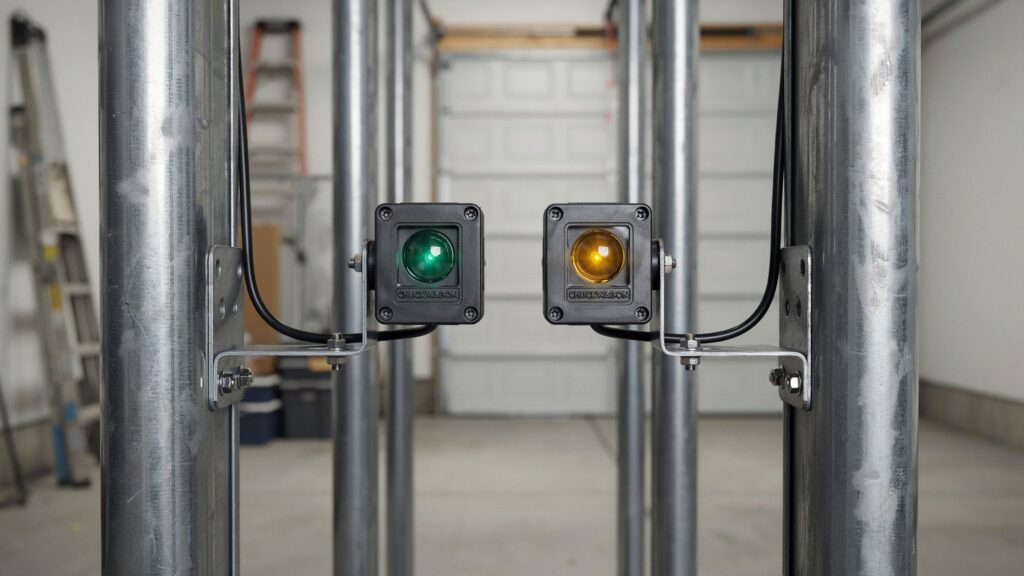
Garage door sensors are small, but what they protect is anything but. A solid green light means your system is working exactly as it should — and that’s something worth paying attention to.If both sensors on your garage door are green, you’re in good shape. If they’re not, now you know exactly what each light means, how to fix it yourself, and when to call someone who can.
Most homeowners walk past those little sensors every single day without giving them a second thought. But the moment something goes wrong, they become the most important thing in the garage.
Take a moment to check yours today. Because a door that works safely isn’t a convenience — it’s protection for everyone you care about.
FAQs
What if both garage door sensors are green?
Both green means your sensors are perfectly aligned and the safety beam is active. Your garage door should open and close without any issues.
Are both sensors supposed to be green?
Not always. The receiving sensor should show solid green. The sending sensor typically stays yellow or amber — that’s completely normal.
Are both lights on a garage door supposed to be green?
It depends on the brand. Some systems show green on both, others show yellow on one and green on the other. What matters most is that the receiving sensor shows a solid, steady green.
Should both sides of garage door sensors be green?
The receiving side must be green. The sending side is usually amber or yellow. If either light is blinking or off, something needs attention.
What color should the lights be on garage door sensors?
Typically yellow or amber on the sender, solid green on the receiver. Any blinking, red, or no light at all signals a problem.
Should both sensor lights be the same color?
No. Different colors on each sensor is normal and expected on most garage door systems.
Do both garage door sensors have a light?
Yes. Both sensors have indicator lights. Each light gives you a real-time status of that sensor’s condition.
Will unplugging a garage door opener reset it?
Yes. Unplugging it for 30 seconds and plugging it back in performs a soft reset and can clear minor sensor errors.
About the Author
Muhammad Bilal Shahid is a Criminologist and Security Technology Writer with a background in criminology and a focus on practical security solutions. He writes about home security, security cameras, garage door sensors, crime prevention, and personal safety, combining criminology knowledge with modern security technology.
Through CrimTechHub, he aims to provide clear, practical, and research-based information that helps homeowners better understand security products, safety systems, and everyday crime-prevention measures.