Introduction
You installed a security camera to feel safer. But what if that same camera is quietly putting you on the wrong side of the law?
Most California homeowners never think about this — until a neighbor complains, a tenant files a complaint, or they record something they legally shouldn’t have. Understanding home security camera laws in California isn’t just for lawyers or landlords. It’s for anyone who owns a camera and wants to use it without regret.This guide breaks it all down in plain English — no legal jargon, no confusion. Just what you can do, what you can’t, and exactly where the line is drawn.
Table of Contents
You Have Every Right to Protect Your Home — But There Are Rules
Installing a security camera at your front door or driveway feels like the smartest thing you can do for your family’s safety. And in California, you absolutely have that right. But here’s what most homeowners don’t realize — where you point that camera matters just as much as having one.
When it comes to privacy, California doesn’t mess around — the state holds one of the toughest legal standards in the nation. A camera aimed at your own porch? Completely fine. A camera accidentally capturing your neighbor’s backyard or recording conversations without consent? That’s where things get legally complicated — fast.
This isn’t about scaring you away from protecting your home. It’s about making sure your security setup doesn’t turn into a lawsuit or a neighbor dispute you never saw coming. Understanding California’s home security camera laws takes about five minutes — and it could save you from a serious legal headache down the road.
Where Can You Legally Place Security Cameras in California?
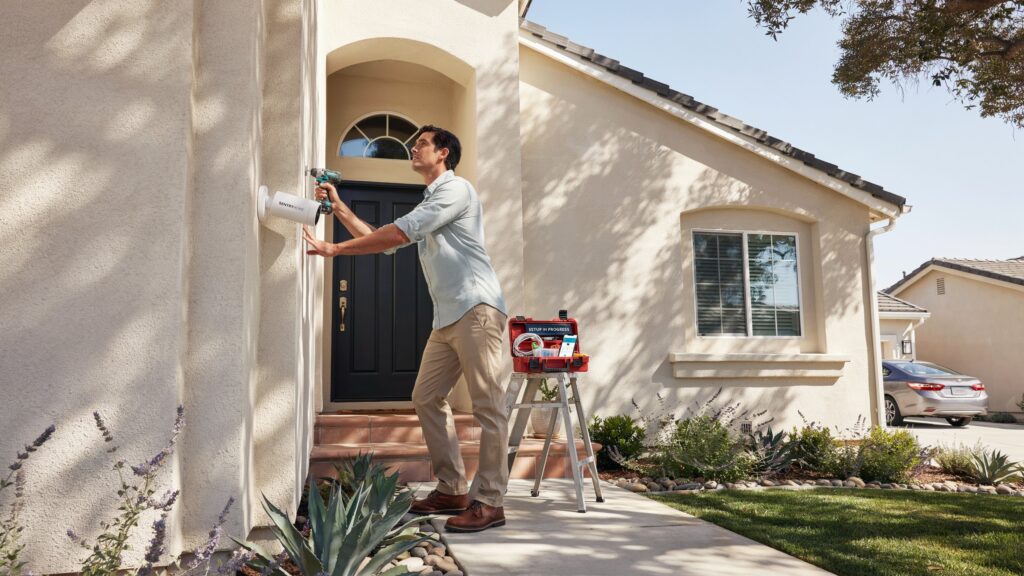
The general rule is straightforward — you can record any area where people don’t have a reasonable expectation of privacy. That means your front door, driveway, garage, and the street-facing side of your property are all fair game under California surveillance camera laws.
Where it gets tricky is when your camera’s angle drifts into spaces people consider private. Bathrooms, bedrooms, and changing areas are completely off-limits — recording those spaces is illegal regardless of whose property you’re on. The same logic applies to your neighbor’s backyard, their windows, or any area where a person would reasonably expect not to be watched.
A quick breakdown makes it easy to understand:
- Legal: Front door, driveway, porch, garage, front yard, public sidewalk view
- Illegal: Bathrooms, bedrooms, neighbor’s private yard, any area with a clear privacy expectation
If a person in that spot would naturally expect not to be watched — California law stands firmly in their corner.Your camera placement needs to respect that line, even on your own property.
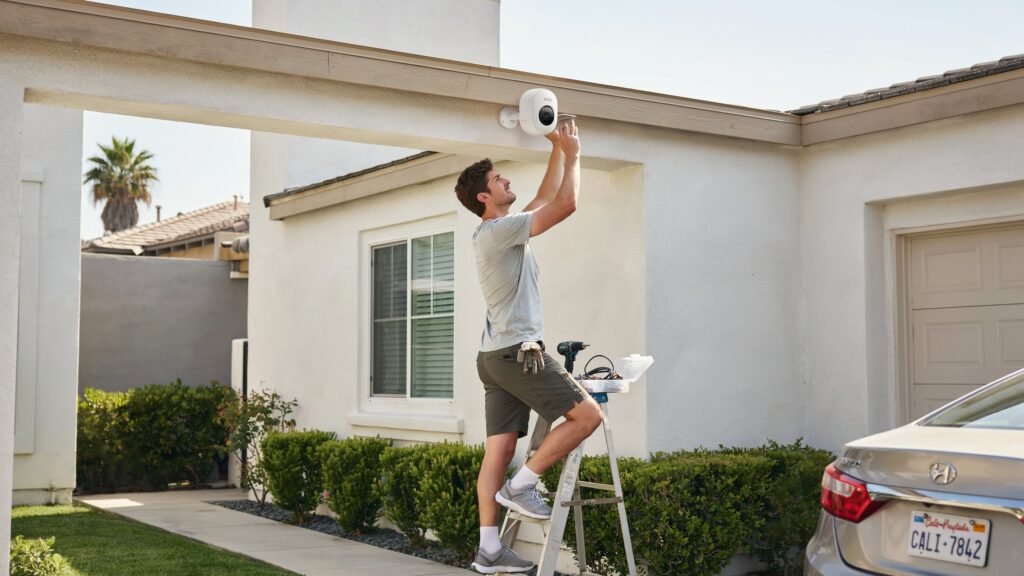
A small adjustment in camera angle when installing can keep you fully compliant with California home security camera laws — and keep your neighbor relationships intact.
Can Your Neighbor’s Camera Point at Your Property?
You walk out to grab the mail and notice it — your neighbor’s security camera, pointed straight at your front door. That uneasy feeling in your stomach? It’s valid. But before you knock on their door or call a lawyer, here’s what California law actually says.
Neighbors are allowed to have security cameras.If their camera is focused on their own property and your driveway happens to appear at the edge of the frame — that typically falls within legal boundaries. California courts look at intent and angle — not just whose property appears in the frame.
But there’s a hard limit. If that camera is deliberately aimed at your backyard, your windows, or any space where you reasonably expect privacy — that’s no longer a gray area. That’s illegal surveillance. And if the goal is clearly to monitor or intimidate you, it can also qualify as harassment under California law.
Here’s what to do if you’re in this situation:
- Start with a calm conversation — most neighbors don’t realize their angle is an issue
- Take photos of the camera’s direction — document everything before it escalates
- Contact local authorities if it feels targeted or threatening
- Talk to a lawyer if it continues — California privacy laws have real teeth
Your home is supposed to feel safe. If a camera is taking that away, you have options — and the law is on your side.
Audio Recording Laws — The Part Most Homeowners Get Wrong
Most California homeowners set up their security camera, enable the built-in microphone, and never think twice about it. That’s exactly where the legal trouble starts.
California is a two-party consent state. Under Penal Code 632, you cannot record a private conversation without the knowledge and consent of everyone being recorded. This isn’t a technicality — it’s one of the strictest audio recording laws in the entire country. Violating it can mean fines, civil lawsuits, or even criminal charges.
Here’s what that means for your security camera:
- Video-only recording on your property? Completely legal in most cases
- Audio recording inside your home where all parties know? Legal
- Recording a private conversation between two people without their consent? Illegal — full stop
- Capturing audio from a neighbor’s yard or a guest’s private conversation without consent? That’s a Penal Code 632 violation
The fix is simple. If your camera records audio outdoors, post a clearly visible notice near your entrance. Most people do this without realizing it actually serves a legal purpose — it counts as implied consent for anyone who enters. For indoor cameras, just make sure anyone in the home is aware audio is being recorded.
Video protects your property. But audio without consent can cost you far more than any break-in ever would.
HOA Rules, Renters, and Landlord Camera Laws in California
Owning a home doesn’t always mean you have full control over what goes on the outside of it. And renting one doesn’t mean you’re left completely unprotected either. California has clear rules for both situations — and ignoring them is where people run into real problems.
HOA Communities and Camera Restrictions
Check your CC&Rs before mounting anything. Many HOAs in California restrict camera placement, require approval for visible equipment, or limit where cables can run. Installing a camera without HOA sign-off can result in fines or a forced removal — even if the camera itself is perfectly legal under state law. When in doubt, submit a request first. It takes a week. A violation can take months to resolve.
Renter Rights and Indoor Camera Laws
Your landlord cannot legally place cameras inside your unit — not in bedrooms, bathrooms, or anywhere inside your private living space. That’s a direct violation of California tenant privacy rights and can carry serious legal consequences for the landlord. If you discover a hidden camera in your rental, document it immediately and contact local authorities.
What Landlords Can and Cannot Do
If you’re managing a rental property, here’s where the line sits:
- Legal: Cameras in shared hallways, building entrances, parking lots, and common areas
- Illegal: Any camera inside a tenant’s private unit — with or without their knowledge
- Gray area: Cameras pointed at a tenant’s private patio or yard — get written consent first
A quick review of your rental agreement or a short conversation with a local attorney keeps everyone protected — and out of court.
Conclusion
California’s home security camera laws exist for one reason — to protect everyone’s right to feel safe, including your neighbors and your tenants.You don’t need a law degree to stay compliant. You just need to know the rules before you install, not after something goes wrong.Protect your home. Respect the line. Because real security means never having to worry about which side of the law you’re on.
FAQs
Can a neighbor have a camera pointed at my house in California?
Yes, but only if it captures areas visible from public view. Deliberately aiming at your private backyard or windows is illegal.
Can I point my security camera at my neighbors?
Not intentionally. You can record your own property, but pointing a camera directly at a neighbor’s private space violates California privacy laws.
What is considered illegal surveillance in California?
Recording someone in a space where they expect privacy — like a bathroom, bedroom, or fenced backyard — without their consent is illegal surveillance.
Do you have to tell someone if you have a camera in your house?
Not always, but for audio recording, California’s two-party consent law requires everyone in the conversation to know they’re being recorded.
Why is everyone getting rid of Ring cameras?
Many people have privacy concerns over data sharing and hacking risks. Others removed them after realizing their camera angle or audio settings weren’t legally compliant.
Can I sue my husband for secretly recording me?
Yes. Secret recording without consent violates California Penal Code 632. You can pursue both criminal charges and a civil lawsuit.
What is considered invasion of privacy in a marriage?
Secretly recording conversations, installing hidden cameras, or accessing private accounts without consent — all qualify as invasion of privacy under California law, even between spouses.