Introduction
Have you ever locked your door and still wondered, “Is my home really safe when I’m not there?” That small thought crosses many homeowners’ minds in the U.S., especially with rising break-ins and package theft becoming more common. The truth about home security systems is that they are no longer just an extra option—they are becoming a daily need for modern living.
For many families, safety is not just about preventing crime, but about feeling at ease when leaving home, sleeping at night, or traveling. In this article, we will break down what home security systems really offer, what most people misunderstand, and whether they are truly worth it for your home and lifestyle.
Table of Contents
Why So Many Americans Are Rethinking Home Security
Across the United States, more homeowners are taking a second look at how they protect their homes. Rising concerns about break-ins, porch piracy, and unexpected safety risks have made home security a bigger priority than it was a few years ago. Many families once believed a locked door was enough, but today, that often feels outdated. The truth about home security systems is that they are no longer seen as luxury items—they are becoming practical tools for everyday protection.
Package theft is one of the biggest reasons people are changing their mindset. In many neighborhoods, online shopping has increased, which means boxes are often left outside for hours. For busy families, losing a delivery can feel frustrating and invasive. This has pushed many Americans to explore smart cameras, video doorbells, and motion alerts that help them keep an eye on their front door even when they are away.
Peace of mind also matters more than ever. People want to know their children got home safely, an elderly parent is secure, or no one entered the house while they were at work. A modern home security system can offer that comfort through mobile alerts, indoor sensors, and remote monitoring. Sometimes the greatest value is not stopping crime—it is reducing daily stress.
The truth about home security systems in modern homes is simple: they do more than sound an alarm. Today’s systems help homeowners stay aware, respond faster, and feel more in control. For many Americans, that sense of control is exactly why home security now feels essential instead of optional.
What Home Security Systems Really Do (And What They Don’t)
Many homeowners think a security system is just a loud alarm waiting for trouble. The reality is much smarter. Modern systems are designed to detect problems early, alert you quickly, and help you act fast. That is the truth about home security systems today—they are built for awareness, not just noise.
A strong system works like a team, where each device has a role:
- Door and window sensors detect unexpected entry
- Motion detectors notice movement inside key areas
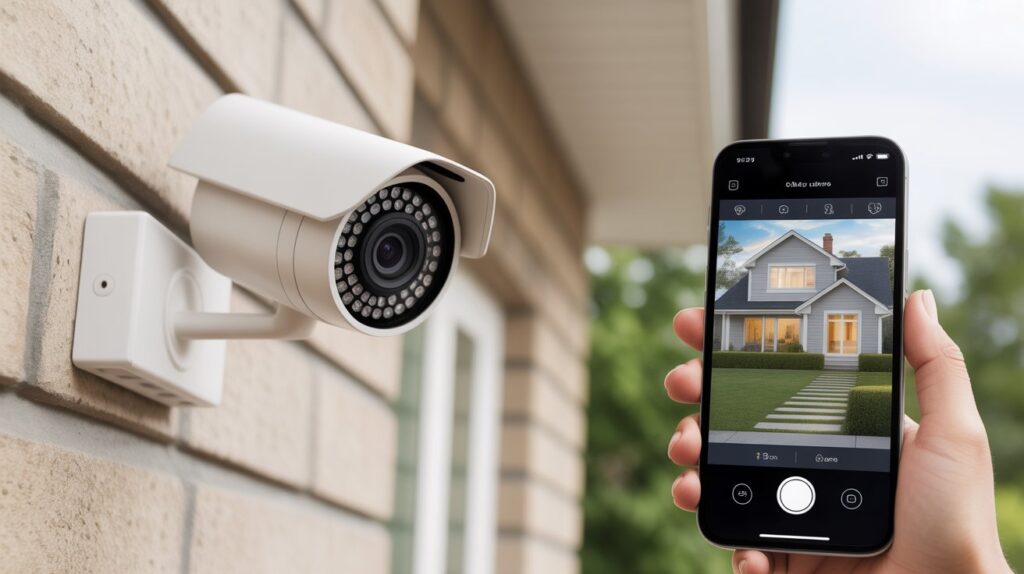
- Security cameras record activity and provide live views
- Video doorbells monitor packages and front-door traffic
- Smart alerts send instant notifications to your phone
When these tools work together, your home becomes harder to target and easier to monitor.
Picture a normal workday. A package arrives, and your doorbell camera notifies you. Later, someone walks near the side gate, and an outdoor camera catches movement. If a door opens unexpectedly, sensors can trigger an alert right away. These small moments show why home security matters—it gives you time to respond before problems grow.
Many myths still mislead homeowners:
- Cameras alone stop every crime
- Alarms always scare intruders away
- Only large homes need protection
- Expensive systems are always better
The truth is, apartments, condos, rentals, and family homes can all benefit from smart protection.
It is also important to know what security systems do not do. No setup is perfect if it is poorly maintained. Problems often happen when:
- Camera angles miss key entry points
- Batteries are not replaced
- Wi-Fi signals are weak
- Alerts are ignored
- Equipment is installed carelessly
The truth about home security systems is simple: they are powerful tools, but they need smart setup and regular attention. When used the right way, they can add safety, confidence, and real peace of mind.
Hidden Costs, Contracts, and Mistakes to Watch For
Buying a home security system can feel smart and simple—until the extra costs start showing up. Many homeowners focus on the equipment price but forget to ask about monthly fees, service terms, and setup details. The truth about home security systems is that the real cost is not always on the first bill.
One of the biggest decisions is professional monitoring vs self-monitoring. Both can work, but they offer different value.
- Professional monitoring usually includes 24/7 response support and emergency dispatch if alarms trigger
- Self-monitoring sends alerts directly to your phone, giving you control with lower monthly costs
- Hybrid plans offer optional monitoring when you want extra coverage
For some families, paying monthly fees is worth the convenience. Others prefer no-contract systems that keep long-term costs lower.
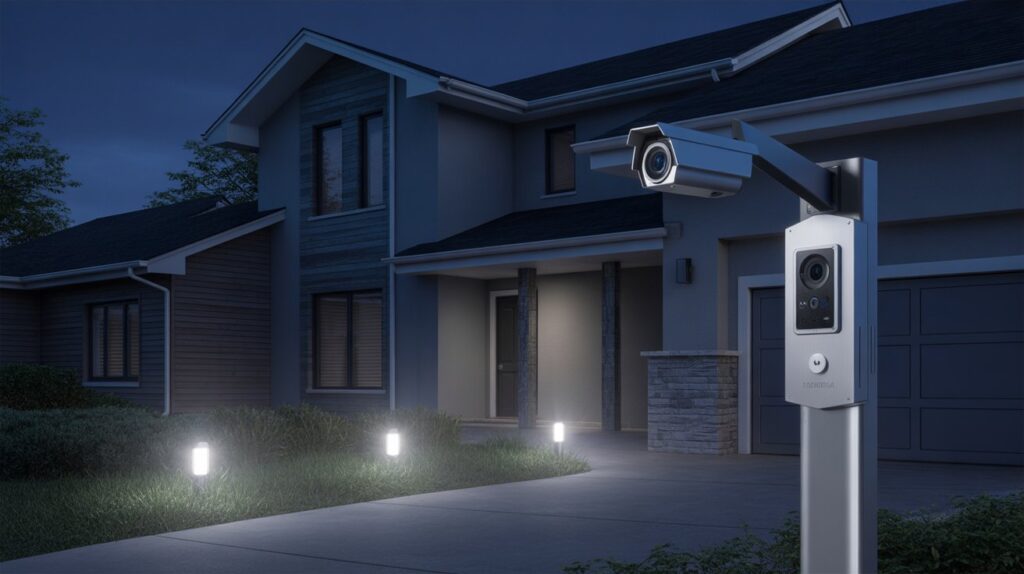
How to Pick the Best Home Security System for Your Home
Choosing the right setup is where most homeowners feel confused. The truth about home security systems is that there is no single “best” option—it depends on your home type, lifestyle, and how much control you want. A system that works perfectly for an apartment may not be enough for a large house, and vice versa.
Apartment vs House Security Needs
Apartments usually need simpler setups because entry points are limited, while houses often need wider coverage.
- Apartments: Focus on door sensors, indoor cameras, and video doorbells
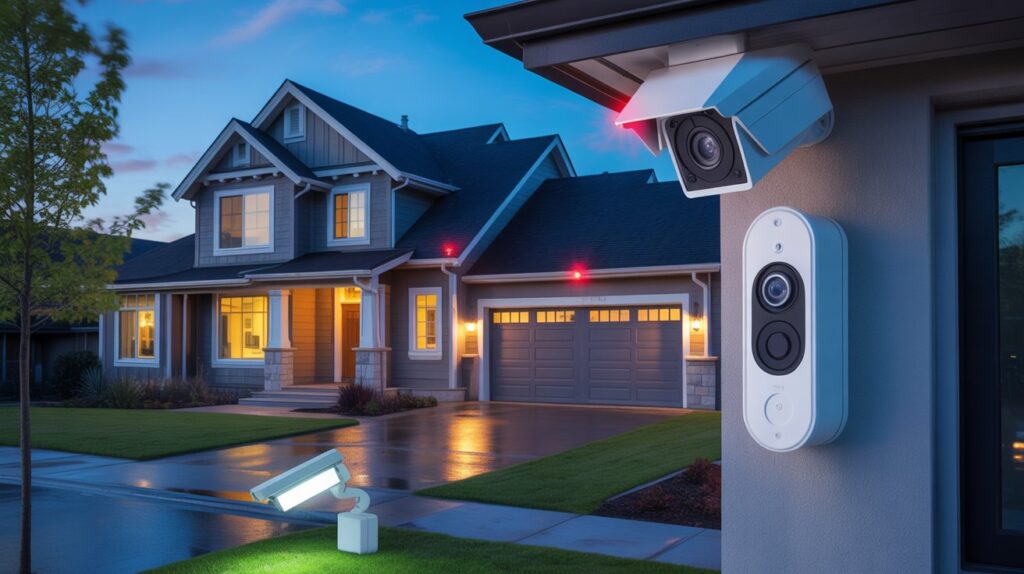
- Houses: Need outdoor cameras, motion lights, and multiple entry point coverage
- Renters: Prefer wireless, easy-to-move systems without drilling
The key is matching protection to your actual living space, not overbuying features you won’t use.Another issue many buyers regret is getting locked into long contracts. Some companies advertise low upfront prices but require multi-year agreements. If service disappoints or your needs change, canceling can become expensive.
Before signing, always check:
- Contract length
- Cancellation fees
- Equipment ownership terms
- Price increases after promotions end
- Moving or transfer policies
Installation mistakes can also reduce protection, even with great equipment. A camera that misses the driveway or a sensor placed poorly may leave major gaps. Good security is not just about buying devices—it is about placing them where risk is highest.
Common setup mistakes include:
- Cameras aimed too high or too low
- Blind spots near doors or windows
- Weak Wi-Fi near outdoor devices
- Forgetting battery checks
- Ignoring app notifications
The truth about home security systems is simple: smart buyers look beyond flashy ads. When you understand the fees, avoid bad contracts, and install devices correctly, your system becomes far more valuable and far less frustrating.
Are Home Security Systems Actually Worth It?
For many homeowners, the answer is yes—but not only because of burglars. The truth about home security systems is that their value often comes from everyday convenience, faster awareness, and peace of mind. A good system can help you feel more in control of your home, whether you are inside it or miles away.
Real benefits often include:
- Instant alerts when doors, windows, or motion sensors are triggered
- Live camera access from your phone anytime
- Video evidence if theft or damage happens
- Safer package deliveries with doorbell cameras
- Peace of mind while traveling or working late
- Added confidence for families with children or seniors at home
Many homeowners also like the financial benefits. Some insurance providers may offer discounts for monitored security systems or safety devices, depending on the policy.
Possible money-saving benefits:
- Lower homeowners insurance premiums
- Reduced loss from theft or vandalism
- Fewer surprise repair costs after incidents
- Better protection for valuable items
A home security system makes the most sense when your lifestyle creates security gaps or daily concerns.
It may be worth it if you:
- Travel often and leave the house empty
- Receive frequent deliveries
- Live alone or have family members home during the day
- Own a larger home with multiple entry points
- Want remote access and smart home control
- Live in an area with theft or safety concerns
The truth about home security systems is simple: they are not just about crime—they are about comfort, control, and smarter protection for modern life.
Wired vs Wireless Systems
One of the biggest decisions homeowners face is choosing between wired and wireless systems. Each has its own strengths depending on your situation.
Wired Systems
- More stable connection
- Less interference
- Better for permanent installations
Wireless Systems
- Easy to install and move
- Ideal for renters or frequent movers
- Works well with mobile apps and smart alerts
For most modern USA homes, wireless systems are becoming more popular because they are flexible and easier to manage.
Features That Matter Most for USA Homeowners
Not every feature adds real value. The truth about home security systems is that simple, reliable tools often matter more than advanced extras.
- Real-time mobile alerts for instant awareness
- HD cameras with night vision for clear visibility
- Motion detection with smart notifications
- Cloud storage or local recording options
- Easy app control for remote access
- Strong Wi-Fi connection support
Homeowners in the USA often prioritize convenience and quick response. A system that is easy to use daily is usually more effective than one loaded with confusing features.
At the end, the right choice is the one that fits your home, budget, and comfort level—without making security feel complicated.
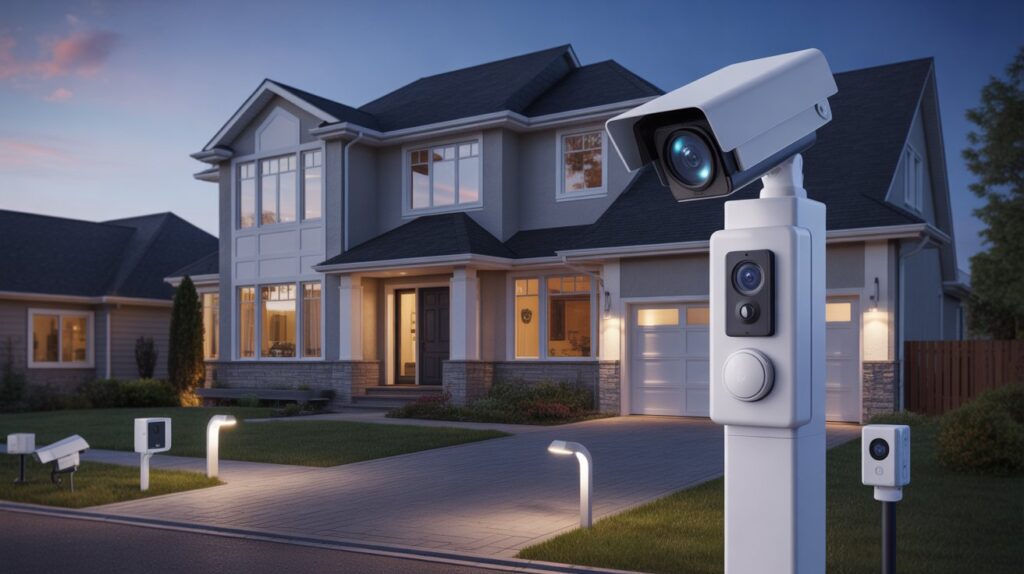
Conclusion
The truth about home security systems is simple—they are not just about alarms or cameras, but about how safe and confident you feel in your own home. When chosen wisely and set up correctly, they can quietly protect your daily life, reduce stress, and give you peace of mind even when you are far away.
From understanding hidden costs to picking the right features, every decision plays a role in how well your system works for you. It is not about having the most expensive setup—it is about having the right one for your needs.
Now think for a second—how does this relate to your own home and safety?
Because at the end of the day, real security is not just about protecting a house… it is about protecting the life inside it.
FAQs
Do home security systems really work?
Yes, they work by detecting intrusions early, sending alerts, and recording activity, which helps prevent or reduce crime risks.
What security system do burglars hate?
Burglars usually avoid systems with visible cameras, motion lights, and loud alarms because they increase the chance of getting caught quickly.
What are the disadvantages of home security system?
Some systems can have monthly costs, false alarms, and rely on power or internet, which may affect performance if not managed well.
How much is the monthly bill for ADT?
ADT monthly plans typically vary based on features and monitoring, but they usually range from basic to premium service packages.
What are the disadvantages of a wireless alarm system?
Wireless systems may face signal issues, battery replacement needs, and occasional interference if Wi-Fi is weak or unstable.
How much does ADT CCTV cost?
ADT CCTV costs depend on the package and installation, but overall pricing includes equipment, setup, and monthly monitoring fees.