Introduction
Garage door sensors are a common reason your door suddenly stops or reverses mid-close. Most homeowners in the U.S. don’t realize the cause is often simple: dirty or misaligned sensor lenses. A quick cleaning routine can restore normal operation, protect your family from safety risks, and help you avoid unnecessary repair costs. This guide covers why sensors matter, the warning signs to watch for, and a simple step-by-step cleaning process.
Table of Contents
Why Your Garage Door Suddenly Stops Working
It often happens at the worst possible time — you press the button, the door starts closing, then stops or reverses without warning. This isn’t usually a broken part. Garage door systems use a pair of safety sensors to detect anything in the door’s path, and even a small disruption to that signal — most commonly dirt or dust buildup on the sensor lenses — is enough to trigger a reversal. In many cases, checking whether your sensors have actually gone bad or simply need cleaning is the first step to fixing it.
what Garage Door Sensors Do and Why They Matter
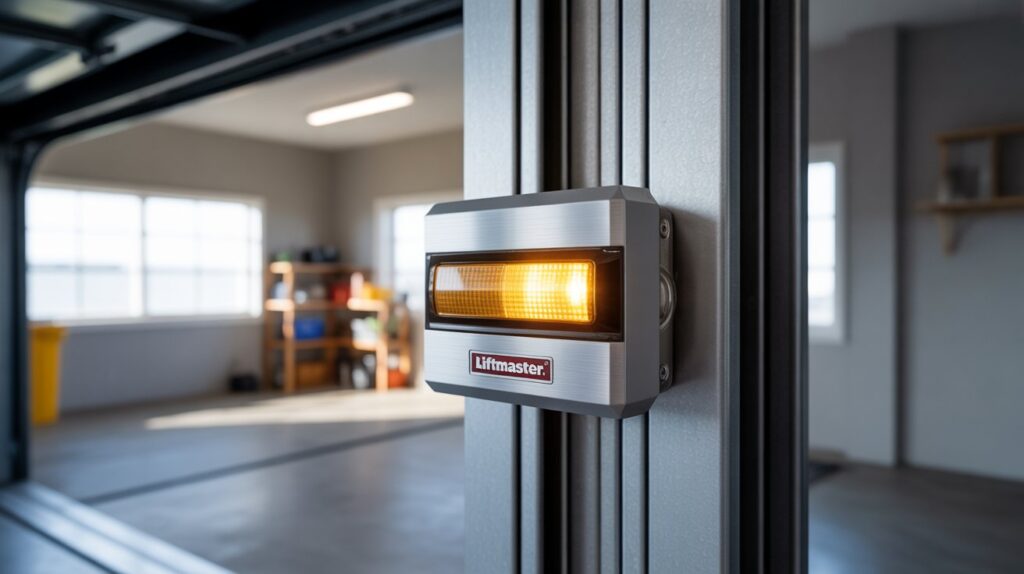
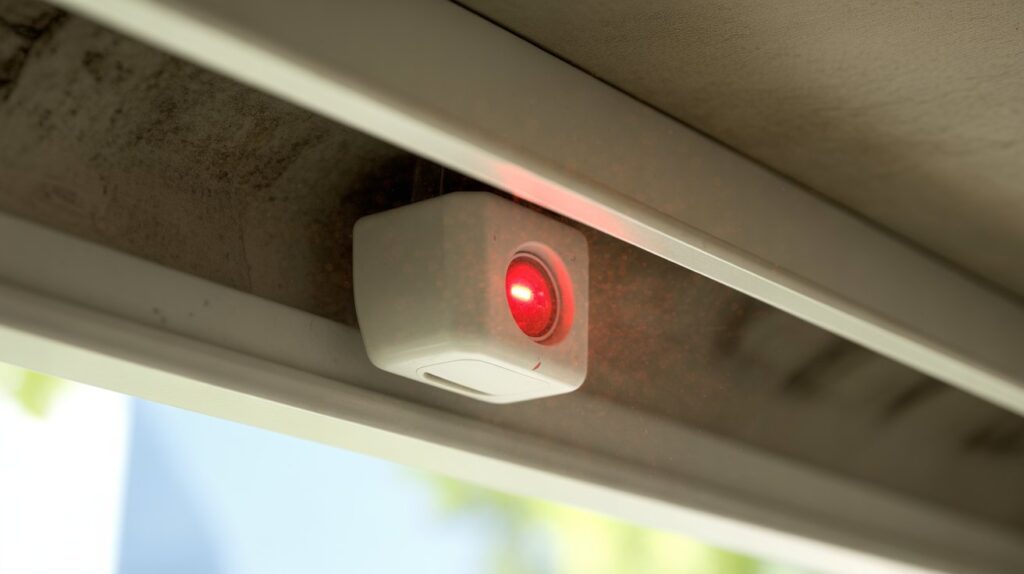
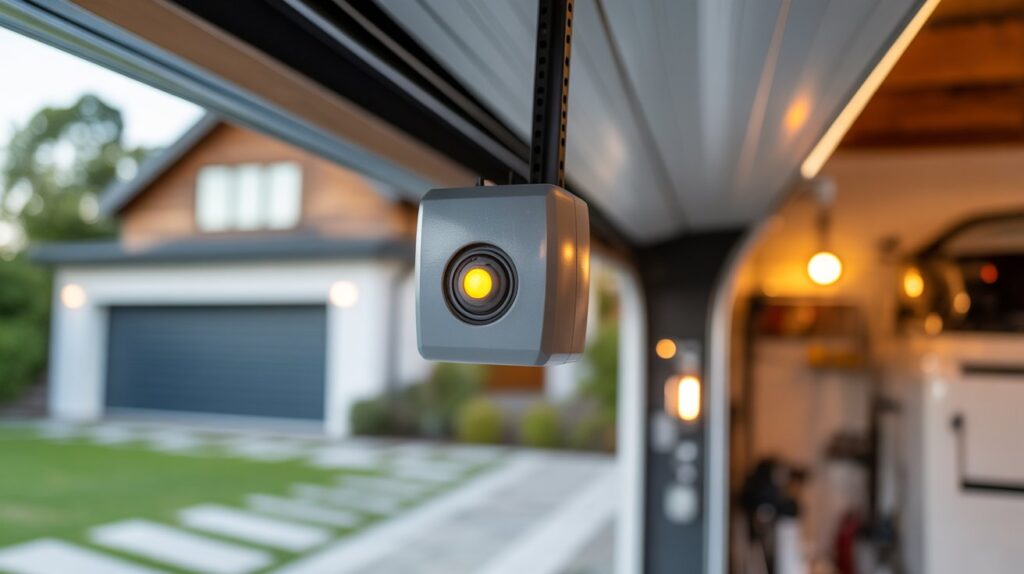
Garage door sensors may look small, but they play a big role in how your system works every day. These sensors are placed near the bottom of the door track and create an invisible beam between them. When that beam is clear, your garage door closes normally. But if something breaks the connection—even for a second—the door stops and reverses to prevent damage or injury.
This safety feature is especially important for families. It helps protect:
- Children who may run under the door
- Pets moving in and out of the garage
- Your car from accidental damage
- Anyone standing near the closing door
That’s why these sensors are not just a convenience—they’re a built-in safety system you rely on without even thinking about it.
Because sensors sit so close to the ground, they easily collect dust, dirt, or spider webs — and it doesn’t take much buildup to weaken or block the signal. Even a thin layer of grime can confuse the system and cause the door to misbehave. Regular cleaning keeps the sensors accurate and reliable, so the safety system works exactly when you need it.
Signs Your Garage Door Sensors Need Cleaning
Your garage door often gives warning signs before it fully stops working — and these signs are frequently mistaken for bigger mechanical problems when a simple sensor cleaning is all that’s needed.
Door Won’t Close Properly
The door starts closing, then reverses without anything blocking it. This usually means the sensors aren’t reading the path correctly, often due to dirt or buildup on the lenses.
Blinking or Inconsistent Sensor Lights
Most sensors have small LED indicators showing their status. Blinking, flickering, or a light going out usually signals a weak connection caused by dust or debris.
Random Reversing Without Obstruction
If the door reverses even when the path is completely clear, a dirty lens may be distorting the beam and causing false signals — a sign cleaning is needed rather than a full repair.
Intermittent Operation
Inconsistent performance — working sometimes, not others — is often caused by a partially blocked signal rather than a mechanical fault.
These safety sensors exist specifically to prevent entrapment and injury, a requirement outlined in the Consumer Product Safety Commission’s garage door safety guidelines. Recognizing these signs early lets you fix the real issue — a quick clean — before assuming you need professional repair.
Step-by-Step Guide to Cleaning Garage Door Sensors
Taking a few minutes for cleaning garage door sensors can save you from bigger headaches later. You don’t need special skills or tools—just a careful approach and a little attention to detail.
Tools You’ll Need
You likely already have everything at home. Keep it simple and safe:
- A soft cloth or microfiber towel (to avoid scratches)
- A mild cleaner (only if there’s stubborn dirt or grease)
Safe Cleaning Process
Start by putting safety first, then follow a gentle cleaning routine:
- Turn off power to the garage door opener to avoid any accidental movement
- Locate the sensors near the bottom of both sides of the door track
- Gently wipe each sensor lens with a clean, dry microfiber cloth
- If needed, lightly dampen the cloth with a mild cleaner—never spray directly on the sensor
- Avoid using rough materials or strong chemicals that could damage the lens
- After cleaning, check that both sensors are facing each other properly and aligned
Once you’re done, restore power and test the door. In most cases, this simple process restores smooth operation right away. Keeping the sensors clean not only improves performance but also ensures your garage door safety system works when it matters most.
Signs Your Garage Door Sensors Need Cleaning
Your garage door often gives warning signs before it fully stops working — and these signs are frequently mistaken for bigger mechanical problems when a simple sensor cleaning is all that’s needed.
Door Won’t Close Properly
The door starts closing, then reverses without anything blocking it. This usually means the sensors aren’t reading the path correctly, often due to dirt or buildup on the lenses.
Blinking or Inconsistent Sensor Lights
Most sensors have small LED indicators showing their status. Blinking, flickering, or a light going out usually signals a weak connection caused by dust or debris.
Random Reversing Without Obstruction
If the door reverses even when the path is completely clear, a dirty lens may be distorting the beam and causing false signals — a sign cleaning is needed rather than a full repair.
Intermittent Operation
Inconsistent performance — working sometimes, not others — is often caused by a partially blocked signal rather than a mechanical fault.
These safety sensors exist specifically to prevent entrapment and injury, a requirement outlined in the Consumer Product Safety Commission’s garage door safety guidelines. Recognizing these signs early lets you fix the real issue — a quick clean — before assuming you need professional repair.
Keep Your Garage Door Working Smoothly (Conclusion)
Regular sensor cleaning is one of the simplest ways to prevent frustrating garage door issues before they start. A quick check and gentle wipe every few weeks keeps the system reliable and helps you avoid unnecessary repairs.
Make it a small part of your routine: look at the sensors, clear away dust, and confirm they’re aligned properly. It takes just a few minutes but protects both your time and your door’s safety system.
FAQs
Q: How often should I clean garage door sensors?
A: Every 1-2 months is enough for most homes, or sooner if you notice dust, spider webs, or inconsistent operation.
Q: Can I clean garage door sensors with water?
A: Plain water on a damp microfiber cloth is safe for light dirt; avoid soaking the lens or letting water enter the sensor housing.
Q: Do weather conditions affect how often I need to clean the sensors?
A: Yes — homes in dusty, humid, or high-pollen areas typically need more frequent cleaning than homes in cleaner environments.
Q: Will a dirty sensor damage my garage door opener?
A: Not directly, but it can cause repeated stop-reverse cycles that strain the motor and opener mechanism over time.
Q: How long does cleaning garage door sensors take?
A: The full process usually takes under 5 minutes once you know where the sensors are located.
About the Author
M Bilal holds a degree in Criminology and founded CrimTechHub to help homeowners understand practical, everyday home security fixes. His background in criminology informs how he evaluates security-related products and safety systems, including garage door sensors and access control equipment covered on this site.