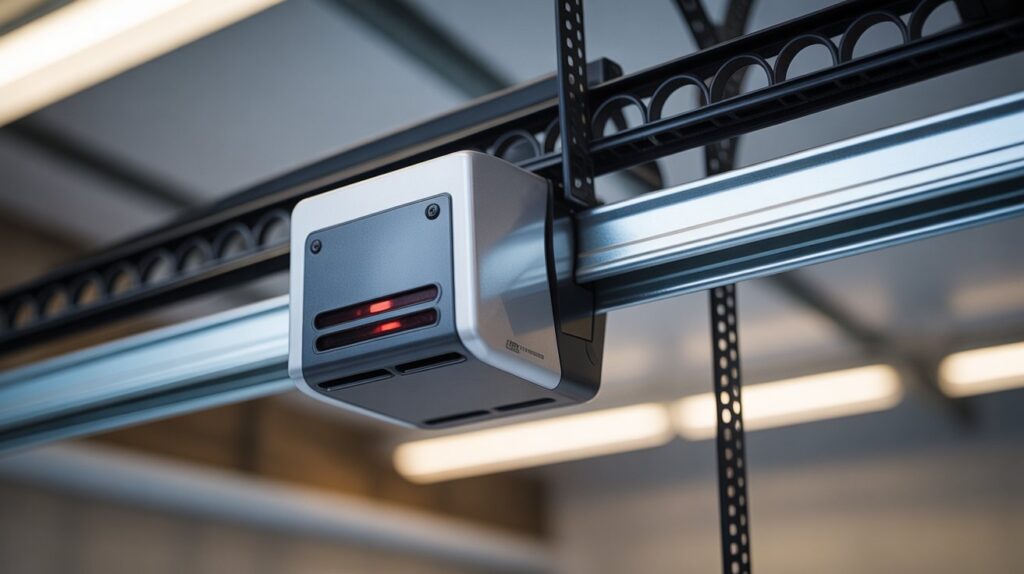
Introduction
Pressed your garage door remote and watched the door stop halfway or reverse for no reason? It’s a frustrating moment — and it usually leads to one question: do garage door sensors go bad?
The short answer is yes, and it happens more often than most homeowners realize. These small sensors quietly protect your family, pets, and vehicles every time the door closes, so when they start acting up, it’s worth understanding why. Below, we’ll cover how these sensors actually work, the warning signs of failure, and simple fixes to get your garage door working reliably again.
Table of Contents
Why Your Garage Door Suddenly Stops Working
You press the remote, expecting the door to close like always — but it stops halfway or reverses without warning. It’s frustrating, especially when you’re in a hurry or trying to secure your home at night. This is one of the most common issues homeowners across the U.S. run into, and at first, it feels like a serious mechanical failure.
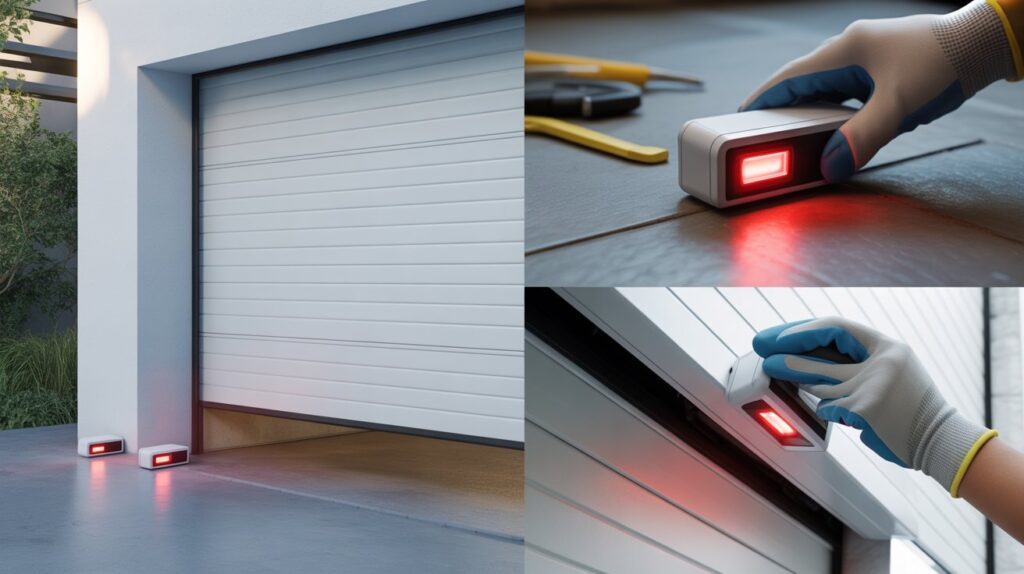
Most of the time, it’s an easier fix than it looks. Modern garage doors rely on small safety sensors placed near the ground on both sides of the door. These sensors send an invisible beam that detects anything in the door’s path — if that beam gets blocked or disrupted, even slightly, the system stops the door from closing. It’s a built-in safety feature designed to protect children, pets, and your vehicle from accidents.
So when everything looks clear and the door still won’t close, it raises the real question: do garage door sensors go bad? Often, yes — and knowing why can save you time, money, and unnecessary stress.
What Garage Door Sensors Actually Do
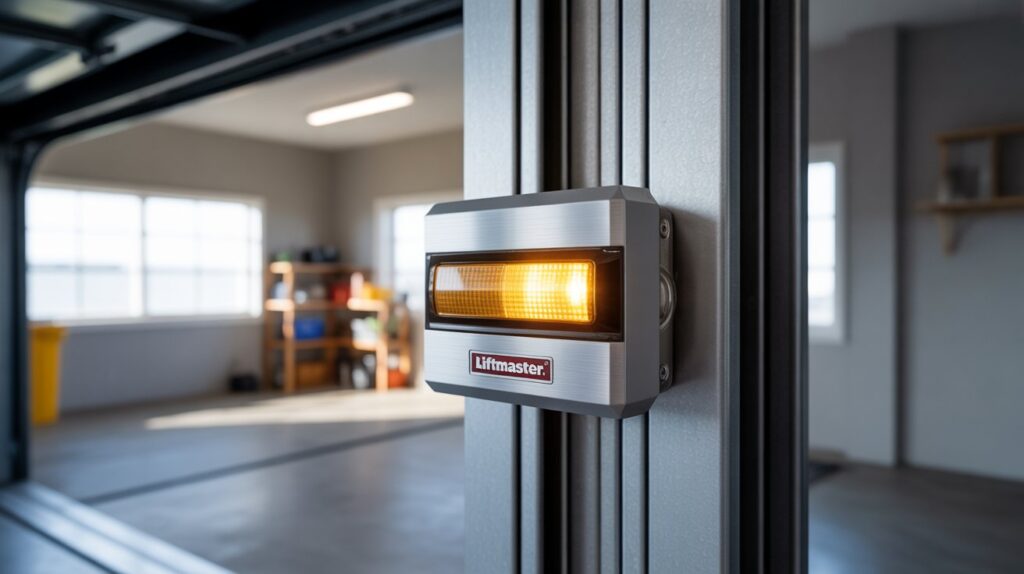
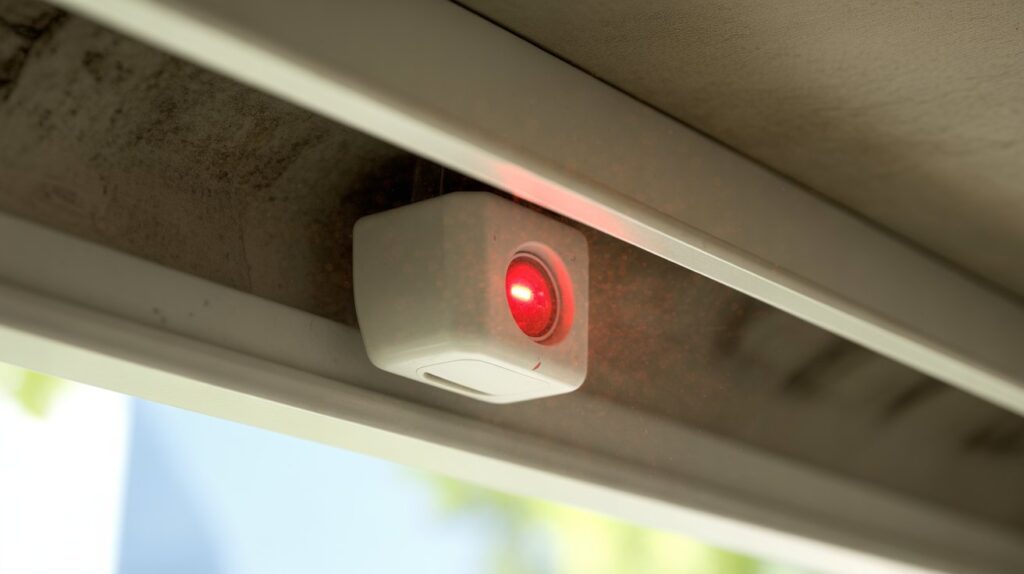
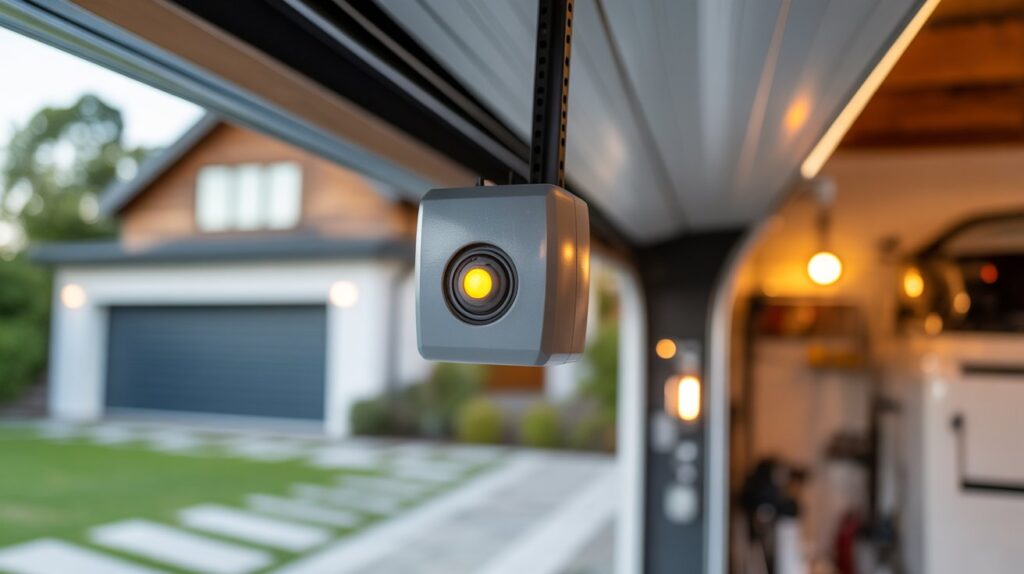
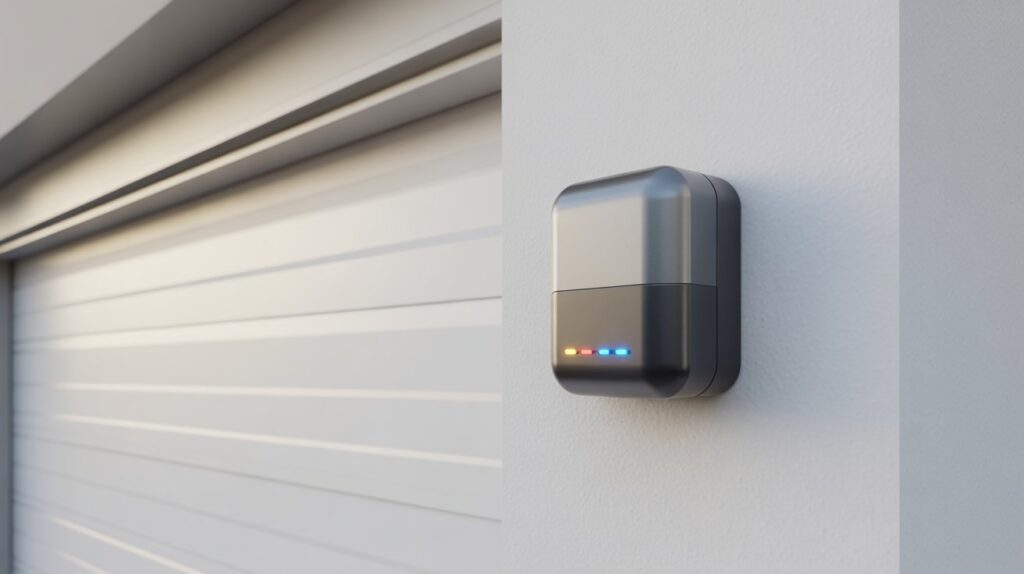
Garage door sensors are small, but they play a critical role in keeping your home safe. Installed a few inches above the ground on both sides of the door, one sensor sends an invisible infrared beam while the other receives it. When that beam stays uninterrupted, the door closes normally — but if anything crosses its path, even a small object, the system instantly stops or reverses the door.
This invisible beam is what prevents accidents. If a child runs under the door or a bike gets left in the way, the sensors detect it in real time. You may never notice it working, but it’s constantly scanning in the background to protect your family and belongings.
In the U.S., these sensors aren’t just a convenience — they’re a safety requirement. Federal regulations require all modern garage door openers to include this auto-reverse feature, reducing injuries and property damage. Without it, a simple garage door could become a serious safety risk.
Do Garage Door Sensors Go Bad Over Time?
Yes — garage door sensors can and do fail as they age. Like any small electronic component, they’re constantly exposed to daily use, weather changes, and dust. At first, the issue might seem random — the door refusing to close once in a while. Over time, though, these small glitches tend to become more frequent and harder to ignore.
If the system starts acting inconsistently — even when nothing is blocking the door — it’s usually a sign the sensors themselves are wearing out. Understanding the common causes can help you fix the issue faster and avoid unnecessary repairs.
Here are the most common reasons garage door sensors fail:
- Wear and tear: Over the years, sensors naturally lose performance. Constant use and aging parts weaken their ability to send or receive the signal properly.
- Wiring issues: Loose, damaged, or frayed wires can interrupt the connection between the sensors and the opener. Even a small wiring fault can stop the system from working correctly.
- Moisture or dirt buildup: Dust, dirt, or moisture on the sensor lens can block the invisible beam — especially common in garages exposed to outdoor elements.
- Sunlight interference: Direct sunlight hitting the sensor can confuse the beam, causing the door to reverse or not close at all. This happens more often with certain garage orientations in U.S. homes.
These entrapment-protection sensors aren’t optional extras — the Consumer Product Safety Commission has required them on all residential garage door openers since 1993, which is exactly why a malfunctioning sensor should never be ignored. Most of these issues are minor on their own, but left unaddressed, they can make your garage door unreliable — and catching the problem early saves time, money, and stress.
Signs Your Garage Door Sensors Are Failing
- Door won’t close or reverses immediately:
The door starts closing but suddenly goes back up, even when nothing is in the way—a clear sign many homeowners notice when asking, do garage door sensors go bad. - Blinking sensor lights:
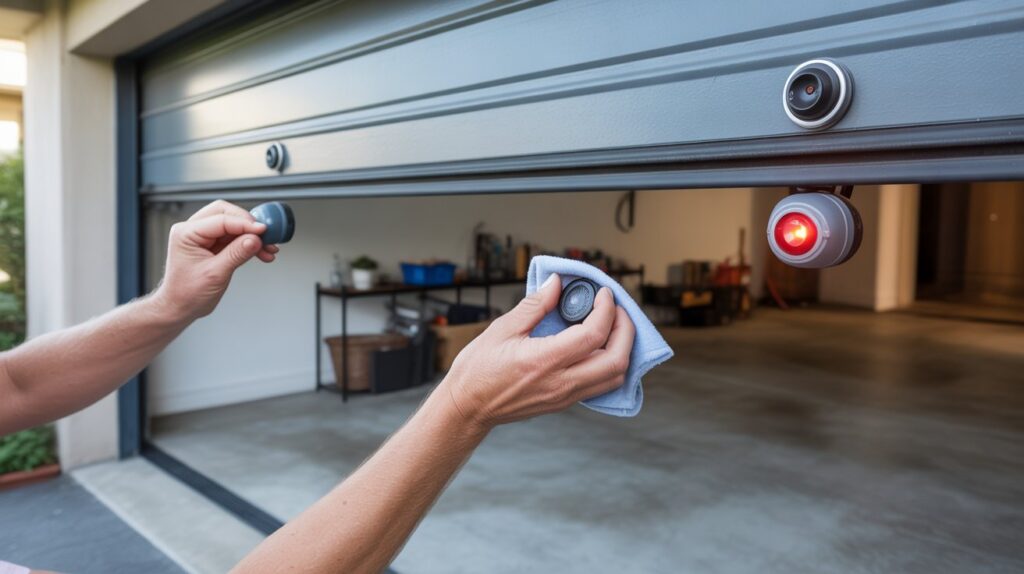
One or both sensor lights start flashing instead of staying solid, showing a problem with alignment or signal connection. - Inconsistent operation:
Sometimes the door works perfectly, and other times it refuses to close, creating confusion and frustration. - Needing to hold the wall button to close:
If you must press and hold the wall control to shut the door, it usually means the safety sensors are not working properly.
How to Fix or Prevent Sensor Problems
If you’re dealing with a garage door that won’t close properly, don’t panic. In many cases, the issue is simple and easy to fix. Before assuming the worst or asking again do garage door sensors go bad, it’s smart to try a few quick checks.
Quick Fixes You Can Try
- Clean the lenses:
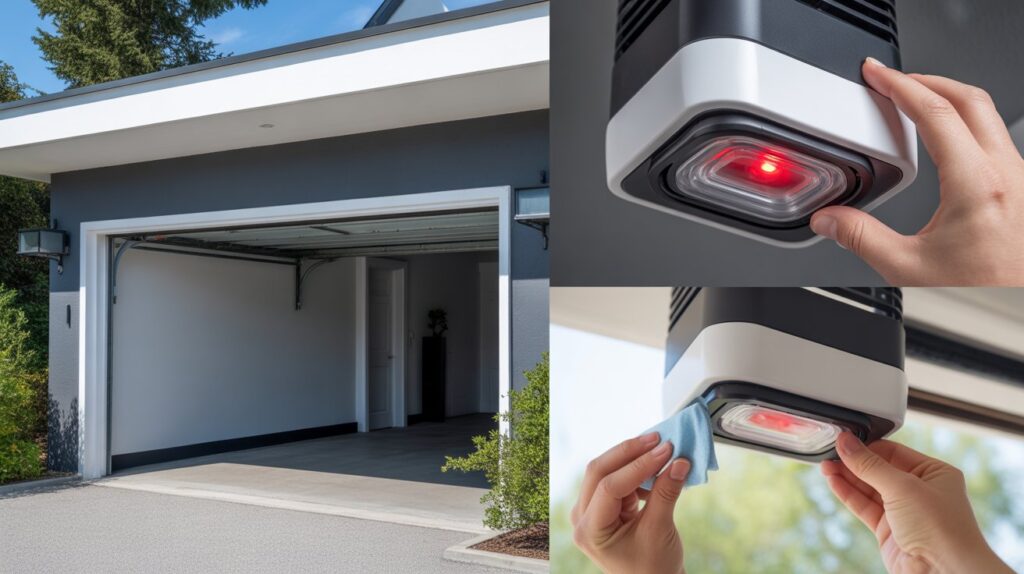
Debris, dust buildup, or small webs can interrupt the sensor’s beam. Gently wipe the lenses with a soft cloth to restore proper function. - Check alignment:
Make sure both sensors are facing each other directly. Even a slight misalignment can break the connection and stop the door from closing. - Inspect wires:
Check for wires that are loose, frayed, or not properly connected. Fixing a small wiring issue can instantly solve the problem.
When You Should Replace Them
- Old or damaged sensors:
If your sensors are worn out or physically damaged, replacement is often the safest and most reliable option. - Repeated issues even after fixing:
If the problem keeps coming back despite cleaning and adjustments, it’s a strong sign the sensors are failing internally.
Final Thoughts
Garage door issues may seem small at first, but they often point to something worth taking seriously. If you’ve been wondering whether sensors go bad — the answer is yes, and ignoring the warning signs can put your family’s safety at risk. These sensors work quietly every single day to protect your family, your car, and your home.
The good news: most problems are easy to spot and fix if you act early. A quick check today can prevent a bigger, more expensive issue tomorrow. And if cleaning and realignment don’t solve it, it may be time to look at reliable replacement sensors built to last.
So take a moment to ask yourself — is your garage door working the way it should, or is it trying to warn you about something?
FAQs
FAQs
Q: How do you know if a garage door sensor is bad?
A: Common signs are the door reversing without reason, blinking sensor lights, or needing to hold the wall button to close it.
Q: Can I clean garage door sensors myself?
A: Yes — just wipe both lenses with a soft, dry cloth and make sure nothing is blocking the beam between them.
Q: Why do garage door sensors go out of alignment?
A: Accidental bumps, vibration from regular door use, or a shifted bracket can knock the sensors out of alignment over time.
Q: How much does it cost to replace a garage door sensor?
A: Replacement sensors are inexpensive and usually take under 30 minutes to install, even without professional help.
Q: How do I reset garage door sensors?
A: Power off the opener, clean and realign both sensors, then restore power — most systems recalibrate automatically.
About the Author
M Bilal
M Bilal holds a Bachelor’s degree in Criminology and writes about home security, garage door safety, and smart access systems at CrimTechHub. His background in criminology shapes how he looks at home protection — focusing on real risks, practical fixes, and what actually keeps a household safer, not just what sounds good on paper.