Introduction
Have you ever pressed your garage door remote, watched the door start closing, and then suddenly seen it stop and go back up for no clear reason? It’s one of those small but frustrating problems many homeowners across the U.S. run into. Most of the time, the issue isn’t the opener or the remote — it’s the safety sensors near the bottom of the garage door tracks.
Learning how to align garage door sensors genie systems correctly can often solve this problem in just a few minutes. These sensors are designed to protect people, pets, and vehicles by creating an invisible safety beam across the garage opening. But when they become slightly misaligned, the system may think something is blocking the path and prevent the door from closing.
The good news is that this is usually an easy fix that doesn’t require professional tools or expensive repairs. Once you understand how the sensors work and how to align them properly, you can restore your garage door’s smooth operation and avoid the daily hassle of a door that simply won’t close when you need it to.
Table of Contents
Why Proper Garage Door Sensor Alignment Matters
You press the garage door remote, the door starts to close, and suddenly it stops and goes right back up. It’s a frustrating moment many homeowners across the U.S. experience. Often, the problem isn’t the opener or the remote — it’s the safety sensors. When these small devices lose their alignment, your garage door may refuse to close or start behaving unpredictably.
Garage door safety sensors are designed to protect people, pets, and vehicles. They sit near the bottom of the door tracks and send an invisible beam between them. If something blocks that beam, the garage door immediately stops closing and reverses direction. This safety feature has been a standard requirement on automatic garage doors in the United States for decades, helping prevent serious accidents.
However, even a small shift can interrupt that beam. A bumped sensor, loose bracket, dust buildup, or slight vibration from daily use can knock the sensors out of position. When this happens, you may notice warning signs like blinking sensor lights, a garage door that won’t close completely, or a door that reverses for no clear reason.
The good news is that this issue is usually easy to fix. Learning how to align garage door sensors genie systems correctly can restore normal operation in just a few minutes. With proper alignment, the sensors communicate clearly again, allowing your garage door to close smoothly while keeping your home safe.
How Genie Garage Door Sensors Work
Understanding the basic technology behind garage door sensors makes it much easier to fix alignment problems. Genie garage door systems use a simple but reliable safety mechanism designed to prevent accidents. These sensors constantly communicate with each other while the door is closing. If that communication is interrupted, the system immediately stops the door from moving downward.
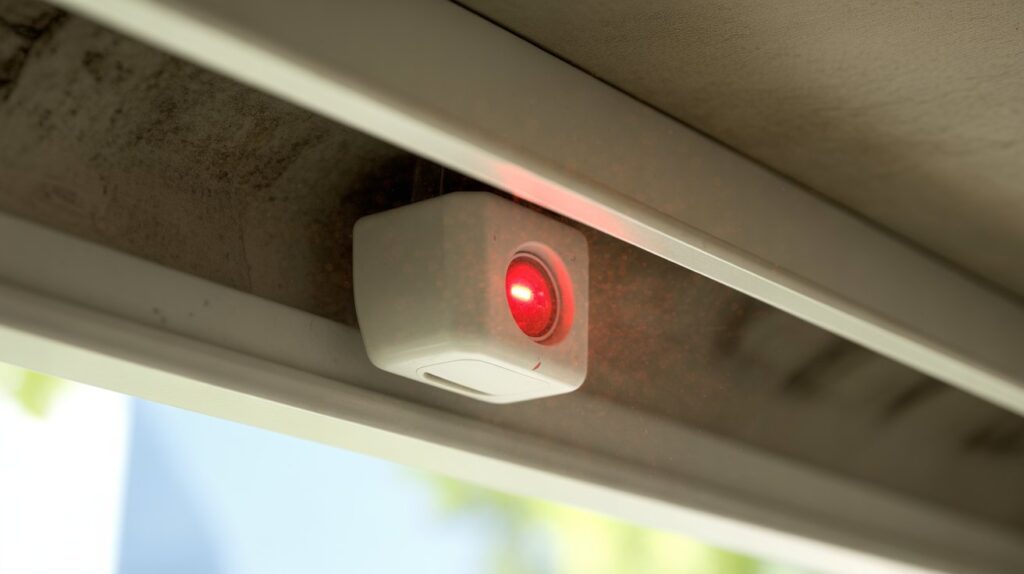
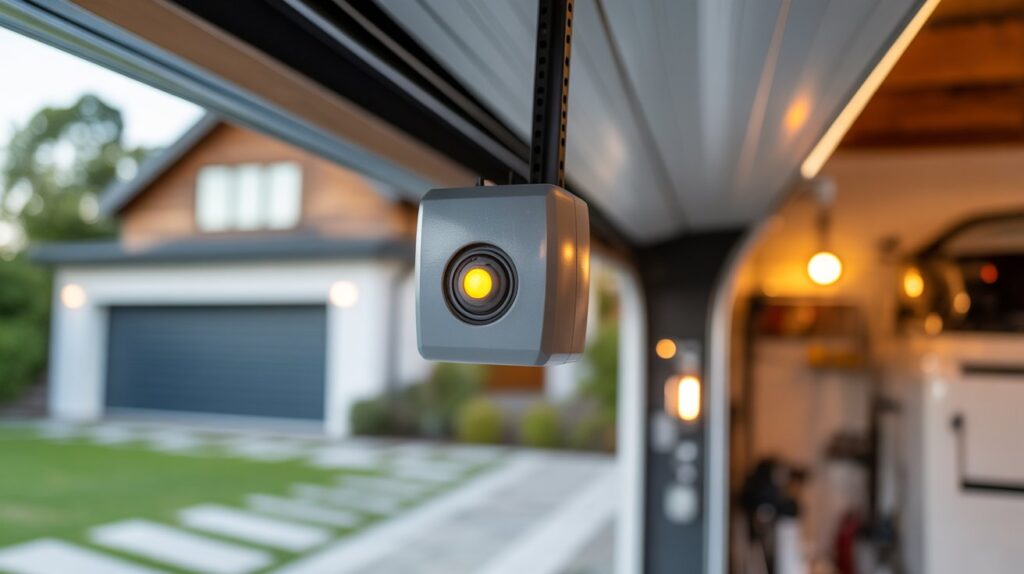
At the bottom of the garage door tracks, you will usually find two small safety sensors facing each other. These sensors create an invisible safety line across the opening of the garage. As long as that line stays clear and properly aligned, your garage door can close smoothly and safely.
The Role of Infrared Safety Beams
Genie safety sensors rely on a small infrared beam that travels between the two units.
- One sensor sends an invisible infrared beam across the garage door opening.
- The other sensor receives that beam and confirms that the path is clear.
When the beam reaches the receiving sensor without interruption, the garage door opener allows the door to close normally. However, if something blocks the beam — or if the sensors become slightly misaligned — the system immediately stops the door from closing and reverses it for safety.
This is why learning how to align garage door sensors genie systems correctly is important. Even a small shift in position can break the beam connection and cause the garage door to behave as if something is in the way.
Signs Your Genie Garage Door Sensors Are Misaligned
Before adjusting anything, it helps to confirm that sensor alignment is actually the problem. Misaligned sensors often create clear warning signs that homeowners can quickly recognize — and if your current garage door sensor bracket is loose or worn out, replacing it may solve the problem for good.
One of the most common situations is when the garage door begins to close but suddenly reverses and opens again. This happens because the opener believes something is blocking the safety beam, even when the path is completely clear.
You might also notice small indicator lights on the sensors behaving strangely. In many Genie systems, a steady light means the sensors are aligned properly, while blinking or completely dark lights may signal a problem.
Here are some common signs your sensors may need adjustment:
- The garage door starts closing but immediately reverses
- Sensor indicator lights are blinking or turned off
- The door only closes when you hold the wall control button
- Nothing is blocking the path between the sensors
If you notice these issues, there is a good chance the sensors simply need to be repositioned. The next step is learning how to align garage door sensors genie systems correctly so your garage door can operate safely and reliably again.
Step-by-Step Guide: How to Align Garage Door Sensors Genie
If your garage door refuses to close or keeps reversing for no clear reason, the sensors may simply be out of alignment. The good news is that fixing this problem usually takes only a few minutes and requires very basic tools — or a reliable replacement sensor kit if the old one is damaged.
Before starting, make sure the garage door area is clear and well lit. Since these sensors are a safety feature, it’s important to adjust them carefully so the infrared beam can travel straight between both units.
Follow these simple steps to align your Genie garage door sensors:
- Turn off the garage door opener power to prevent the door from moving while you work. This adds an extra layer of safety during the adjustment.
- Locate the Genie safety sensors near the bottom of both garage door tracks. One sensor sends the infrared beam, and the other receives it.
- Loosen the mounting brackets slightly so the sensors can move a little. You don’t need to remove them—just allow enough movement for adjustment.
- Adjust the sensors until they face each other directly. When they are properly aligned, the indicator lights on the sensors usually become steady instead of blinking.
- Tighten the brackets and test the door. Restore power to the opener and try closing the garage door to confirm that everything works smoothly.
Once the sensors are aligned correctly, the safety beam can travel clearly between them again. In most cases, this simple adjustment solves the issue immediately and helps your garage door close reliably without unnecessary interruptions — a function required under the federal UL 325 safety standard that has governed U.S. garage door openers since 1993.
Simple Tips to Keep Your Garage Door Sensors Working Properly
Once you understand how to align garage door sensors genie systems correctly, a little regular care can help prevent the same issue from happening again. Garage door sensors are small devices, but they play a big role in protecting your family, pets, and vehicles. Keeping them clean and properly positioned ensures your garage door operates smoothly every day.
Many sensor problems happen because of simple things like dust buildup, loose wiring, or accidental bumps. A quick visual check every now and then can save you from unexpected garage door issues.
Here are a few easy habits that help keep your garage door sensors working reliably:
- Clean the sensor lenses regularly. Dust, spider webs, or dirt on the small lens can weaken the infrared beam and cause the door to stop or reverse.
- Keep the sensor area clear. Make sure tools, storage boxes, or yard equipment are not placed near the sensors where they could block the beam.
- Check wiring connections occasionally. Look for loose or damaged wires that might interrupt the signal between the sensors and the garage door opener.
- Avoid bumping the sensors. Items like bikes, ladders, or trash bins stored in the garage can accidentally hit the sensors and knock them out of alignment.
These small maintenance steps take only a minute but can prevent many common garage door problems. Pairing this routine with a sturdy garage door sensor bracket keeps the sensors from shifting out of place. When sensors stay clean and properly aligned, your Genie garage door system can continue working safely and reliably for years.
Conclusion
A stubborn garage door usually isn’t broken — it’s just confused by two tiny sensors that lost their line of sight. Once you get how to align garage door sensors genie systems right, blinking lights, sudden reversals, and communication errors clear up fast.
A few minutes of checking alignment and wiping the lenses is often all it takes. If your sensors are old, cracked, or keep slipping out of place no matter how often you adjust them, a reliable replacement sensor kit is usually cheaper than a service call.
Next time your door won’t close, check the sensors first — chances are, that’s the real culprit.
FAQs
Q: How do I align my Genie garage door sensors?
A: Loosen the mounting brackets slightly, then tilt each sensor until it faces the other directly. Tighten the brackets once the indicator light turns solid instead of blinking.
Q: Why does my Genie garage door reverse before it fully closes?
A: This usually means the Safe-T-Beam sensors are misaligned or blocked. Realigning them so both lights stay steady typically resolves the reversal.
Q: What does a blinking light on a Genie sensor mean?
A: A blinking light signals that the beam between the two sensors is broken or misaligned. Cleaning the lenses and readjusting the sensors toward each other usually fixes it.
Q: How often should I check my Genie garage door sensors?
A: A quick visual check every few months is enough, though it’s worth testing sooner if you notice the door reversing unexpectedly or the lights behaving oddly.
Q: Can dirty lenses cause Genie sensor alignment problems?
A: Yes. Dust or spider webs on the lens can weaken the infrared beam enough to mimic a misalignment issue, so cleaning the sensors is often the first step before adjusting brackets.
Q: Do Genie garage door sensors need to be replaced if they keep going out of alignment?
A: Not usually — repeated misalignment is more often caused by a loose bracket or accidental bumps than a faulty sensor. Tightening the mount typically solves it for good.