Introduction
You lock the front door, turn off the lights, and still catch yourself wondering what’s happening in your driveway at 2 AM. For most home safety-conscious property owners, that’s not paranoia—it’s just how nighttime safety has always felt uncertain, until now.
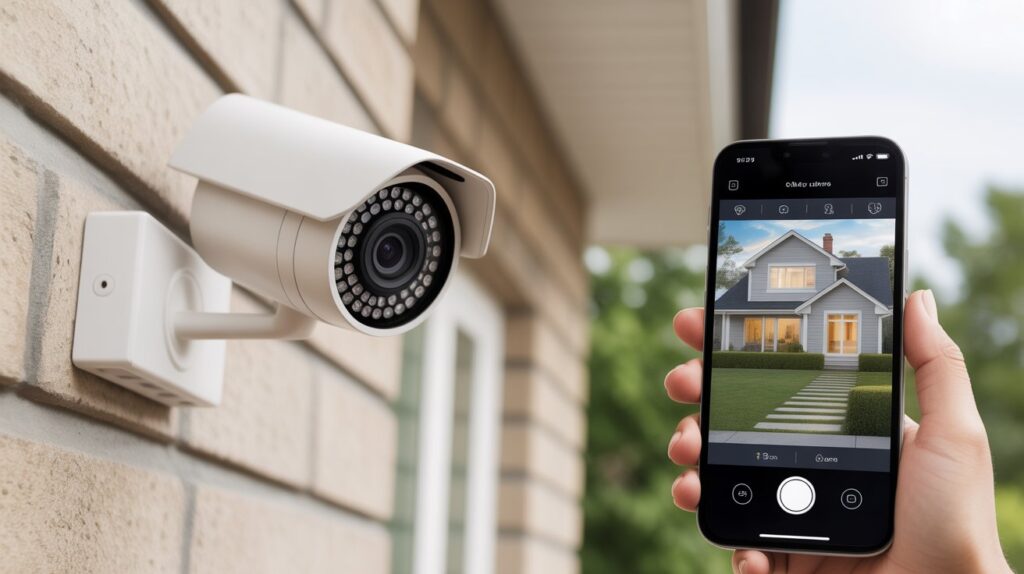
Modern night vision wireless outdoor security cameras with Wi-Fi close that critical visibility gap. These smart surveillance systems allow you to see clearly in total darkness, receive real-time motion alerts, and monitor your entire property directly from your smartphone—whether you’re in the living room or traveling in a different time zone.
This complete guide breaks down how these wireless security cameras actually work, which key features are worth investing in, and how to position your device for maximum nighttime coverage.
Table of Contents
Why Night Vision Outdoor Cameras Matter More Than Ever
Break-ins and package theft mostly happen after dark, which is exactly when most homeowners have the least visibility into what’s going on outside. That gap is why night vision wireless outdoor security cameras with Wi-Fi have become a core part of any modern home security system — not just an add-on.
These cameras go beyond basic recording. Live mobile access, motion alerts, and reliable night vision let you check your driveway, porch, or backyard from anywhere, cutting down on the stress of missed deliveries or unexplained activity.
A well-placed camera also works as a visible deterrent on its own. For most families, that combination — round-the-clock visibility plus a strong deterrent — makes it one of the smarter, more practical upgrades for home protection.
What Are Night Vision Wireless Outdoor Security Cameras with Wi-Fi?
These are specialized outdoor smart cameras designed to record high-definition video during the day and automatically switch to infrared or color night vision when ambient light drops. They provide continuous, 24/7 security monitoring with zero manual effort.
Because these units operate wirelessly, installation is fast and flexible—eliminating the need to run messy cables to awkward corners of your house. The built-in Wi-Fi connection streams live footage directly to your smartphone, tablet, or smart display from anywhere in the world.
Key Features to Look For
- Advanced Night Vision: Clear low-light and infrared monitoring for complete darkness.
- 100% Wire-Free Setup: Flexible placement on walls, fences, or eaves.
- High-Speed Wi-Fi Connectivity: Smooth, low-latency live remote viewing.
- Instant Motion Alerts: Real-time push notifications triggered by human or vehicle activity.
- Weatherproof Design: IP65 or IP66 weather-resistant housing for year-round durability.
Optimal Placement Locations
- Front Doors & Porches: Protect main entryways and monitor package deliveries.
- Driveways & Garages: Keep high-value vehicles and exterior doors visible.
- Backyards & Side Gates: Secure secondary access points and dark perimeters.
For home and property owners, the combination of automatic night vision, weather resistance, and simple wireless setup makes these cameras one of the most effective upgrades for 24/7 exterior security.
How Night Vision Technology Works
Night vision is what keeps outdoor cameras useful after the sun goes down. In night vision wireless outdoor security cameras with Wi-Fi, it switches on automatically — no setup needed from you. Here’s what’s actually happening behind that footage.
Infrared (IR) Night Vision
The most common type. Small IR LEDs emit light invisible to the human eye but visible to the camera’s sensor — similar to the principle explained by HowStuffWorks’ breakdown of night vision devices. That invisible light bounces off people and objects, producing a clear black-and-white image even in total darkness. It’s the most reliable option for driveways, backyards, and entry points.
Color Night Vision
This goes a step further, producing full-color footage at night using stronger sensors and often a built-in spotlight. The payoff: you can actually make out clothing color or a vehicle’s paint — useful detail for front doors and high-traffic spots where identification matters.
Low-Light Sensors
Rather than switching fully to infrared, these sensors squeeze more out of whatever ambient light is already there — a streetlamp, a porch light. The result is smoother, more natural-looking footage with fewer jarring transitions between day and night modes.
Why Wi-Fi Matters in Wireless Outdoor Security Cameras
- Remote access from anywhere: Check live video from your phone whether you’re at work, traveling, or just in another room — you stay connected to your property without being physically there.
- Instant motion alerts: The moment something moves, you get notified — no waiting to find out later. That gives you time to react calmly instead of being caught off guard.
- Live viewing cuts out guesswork: Seeing what’s actually happening lets you tell a real threat apart from a passing cat in seconds, instead of sitting with unnecessary worry.
- Cloud storage keeps footage safe: Most Wi-Fi cameras back up video to the cloud, so recordings stay accessible even if the camera itself is damaged or stolen.
- Local storage as backup: Some models pair Wi-Fi with local storage too, giving you more control if you’d rather not rely on the cloud — our guide on cameras that work without Wi-Fi or internet covers that option in depth.
- A smarter, more active system: Combined with night vision, Wi-Fi turns your camera from a passive recorder into round-the-clock protection you can actually check in on.
Key Features to Look for in Outdoor Night Vision Wi-Fi Cameras
When selecting night vision wireless outdoor security cameras with Wi-Fi, focusing on core hardware and software specifications ensures long-term reliability. These key features directly impact image clarity, nighttime range, and daily functionality.
1. High Video Resolution
The clarity of your footage depends directly on video resolution. Higher resolutions—such as 2K (3MP/4MP) or 4K Ultra HD—allow you to zoom in to recognize facial features, read license plates, and capture fine details in low-light conditions.
2. Extended Night Vision Range
Night vision range determines how far the sensors can detect activity in complete darkness. Standard infrared (IR) cameras cover 30 to 50 feet, while advanced models offer up to 100 feet of visibility. A longer range is essential for securing large driveways, backyards, and property perimeters.
3. Smart PIR Motion Detection
Advanced Passive Infrared (PIR) sensors and AI-powered detection distinguish human, vehicle, and pet movement from false triggers like blowing leaves or passing headlights. Accurate motion tracking ensures you receive immediate, relevant phone alerts without notification fatigue.
4. Weatherproof Rating (IP Rating)
Outdoor surveillance cameras must endure harsh weather conditions. Look for an IP65 or IP66 rating, which certifies resistance against heavy rain, dust, extreme heat, and freezing winter temperatures.
5. Clear Two-Way Audio
Built-in noise-canceling microphones and speakers allow real-time communication through your smartphone app. Two-way audio helps you instruct delivery drivers, greet guests, or warn off unwanted trespassers directly from your phone.
Choosing the Right Night Vision Type for Your Home
Once you understand how night vision works, the real question is which type fits your specific setup. Here’s how the three main options compare for outdoor use.
Infrared is the safest default — reliable, energy-efficient, and built for covering large areas like backyards and driveways where you just need to know something’s there.
Full-color trades some efficiency for detail. If you need to actually identify a face, clothing, or a vehicle — say, at your front door — this is the one worth paying more for.
Spotlight-assisted does double duty: it lights up on motion for full-color footage and doubles as a visible deterrent at the same time. Best fit for higher-risk spots like a side entrance or a detached garage — our wireless outdoor camera comparison breaks down specific models with this feature.
How Far Can Night Vision Outdoor Security Cameras See at Night?
Typical Night Vision Distance & Range
Most residential night vision wireless outdoor security cameras with Wi-Fi provide a clear detection range between 20 to 100 feet, depending on sensor quality, lens focal length, and illumination technology.
Infrared (IR) vs. Color Night Vision Technology
- Infrared (IR) Night Vision Limitations: Traditional black-and-white IR security cameras use invisible infrared LEDs to illuminate total darkness. While highly reliable for long-range surveillance, IR footage lacks color detail, making fine features harder to distinguish at maximum distance.
- Color Night Vision Performance: Full-color night vision uses low-light image sensors (such as Starlight sensors) to render vivid color footage. However, it relies on low ambient lighting—such as streetlights or porch lamps—and generally covers a slightly shorter distance than standard IR modes.
- Spotlight-Assisted Illumination: Outdoor cameras equipped with motion-activated LED spotlights extend color visibility up to 100 feet or more. These dual-light designs deter intruders while capturing clear, actionable video around driveways and front yards.
Environmental Factors Affecting Nighttime Coverage
Real-world performance depends on several external variables:
- Weather Conditions: Fog, heavy rain, snow, and lens dust scatter infrared light beams, reducing effective range.
- Camera Placement & Angle: Mounting height, reflection from nearby walls, and ambient light positioning heavily influence contrast and clarity across your monitored zone.
Practical Coverage Expectations for Homeowners
For standard residential properties, a camera with a reliable 30 to 50-foot night vision range provides ample coverage for main entryways, doorways, and side gates. Property owners with larger acreage or long driveways should opt for long-range commercial models or deploy multiple overlapping units for complete perimeter security.
Common Problems with Night Vision Outdoor Cameras (And How to Fix Them)
Even high-performance surveillance systems can encounter occasional performance issues. Here are the most common technical problems and how to troubleshoot them effectively:
1. Night Glare and Image Washout
- The Issue: Direct vehicle headlights, reflective wall surfaces, or nearby light fixtures reflect infrared (IR) light back into the camera lens, blinding the sensor and washing out video footage.
- The Fix: Angle the camera away from glossy surfaces and direct light sources. Upgrade to a unit featuring Wide Dynamic Range (WDR) or spotlight-assisted night vision to balance extreme light contrasts automatically.
2. Weak Wi-Fi Connectivity and Video Latency
- The Issue: Poor Wi-Fi signal strength causes laggy live feeds, missed recordings, or delayed push notifications on your mobile device.
- The Fix: Reposition your router closer to the camera, install an outdoor Wi-Fi range extender, or upgrade to a mesh Wi-Fi network to extend high-speed wireless coverage to your exterior perimeters.
3. Frequent False Motion Alerts
The Fix: Adjust motion sensitivity thresholds in your mobile app, configure custom activity/privacy zones, and enable AI-powered smart detection to filter out non-human motion.
The Issue: Wind-blown trees, passing cars, shadows, or small pets constantly trigger unnecessary phone notifications.

Privacy, Security, and Legal Considerations in the USA
Proper camera installation requires balancing perimeter security with legal compliance and digital privacy standards. Adhering to federal, state, and municipal regulations ensures your surveillance setup remains legally sound and secure from digital threats.
1. Legal Boundaries and Expectation of Privacy Laws
Under U.S. legal standards, individuals hold a reasonable expectation of privacy in residential spaces such as bedrooms, bathrooms, and fenced backyards.
- Neighboring Property Compliance: Position camera lenses strictly toward your private property boundary, driveways, and entry points. Avoid angling lenses toward a neighbor’s windows or private yard space to prevent civil privacy disputes.
- Audio Recording Laws: Federal and state wiretapping statutes (including one-party vs. two-party consent laws) regulate audio monitoring. If your camera records two-way audio, verify local state regulations before enabling continuous audio capture in semi-public areas.
2. Cybersecurity Practices for Wireless Surveillance
Because wireless cameras transmit video data over home networks, securing your Wi-Fi infrastructure is paramount to preventing unauthorized remote access:
Isolate on a Guest Network: Segment smart home security hardware from your primary network by connecting cameras to a dedicated Wi-Fi guest network or IoT VLAN.
Enable Two-Factor Authentication (2FA): Require multi-factor authentication on your camera’s management app to block unauthorized login attempts.
Apply End-to-End Encryption: Opt for cloud storage providers and local storage protocols that support AES 128-bit or 256-bit encryption for stored footage and live streams.
Maintain Firmware Updates: Keep camera firmware and companion applications updated automatically. Manufacturers release patches regularly to close security vulnerabilities and prevent malware exploitation.
Conclusion
A night vision wireless outdoor security camera with Wi-Fi does more than record — it closes the gap between “I hope everything’s fine” and actually knowing. Clear night footage, instant alerts, and smart placement turn nighttime uncertainty into something you can check in seconds.
If you’re ready to pick one out, our guide to wireless battery-operated outdoor cameras is a good next stop for comparing options.
Get the placement and features right, and security stops being a worry in the back of your mind — it becomes something you can actually see and trust.
FAQs
How far can night vision outdoor security cameras see in total darkness?
Most residential night vision wireless outdoor cameras cover a range of 20 to 100 feet. Standard infrared (IR) cameras typically reach 30 to 50 feet, while spotlight-assisted models and commercial-grade sensors can detect motion up to 100 feet or more.
What is the difference between infrared (IR) and color night vision?
Infrared (IR) night vision uses invisible LED light to record high-contrast black-and-white footage in complete darkness. Color night vision uses low-light Starlight sensors or active spotlights to capture vivid, full-color video, which requires a minimal amount of ambient light to function effectively.
Do wireless Wi-Fi outdoor cameras work if the internet goes down?
Yes, most cameras continue to function locally during internet outages. If equipped with a micro SD card or local storage hub, the camera will record video continuously. However, live remote viewing, cloud backups, and real-time smartphone alerts require an active Wi-Fi connection.
Is it legal to point a security camera toward a neighbor’s property in the USA?
No. Pointing a security camera directly at a neighbor’s windows, backyard, or private areas where they have a reasonable expectation of privacy can lead to civil privacy violations. Always position your outdoor cameras to focus strictly within your own property lines.
How do I stop false motion alerts from pets or passing cars on my outdoor camera?
To prevent false alarms, open your camera’s companion app to lower the motion sensitivity threshold, draw custom Activity Zones to exclude high-traffic roads or swaying trees, and enable AI-powered smart detection to distinguish humans and vehicles from pets or shadows.