Introduction
Feeling safe in your daily life isn’t something you should have to think twice about—but the reality is, personal safety matters now more than ever. Whether you’re walking to your car at night, traveling alone, or simply going about your routine, knowing how to protect yourself can make a huge difference.
This ultimate beginner’s guide to self defense is designed to help you build awareness, confidence, and practical skills—without overwhelming you.Even without experience or physical power, you can still learn effective ways to stay safe. You just need the right mindset and simple techniques that actually work in real-life situations.
Table of Contents
What Is Self Defense and Why It Matters
Self defense is the ability to protect yourself from harm using awareness, strategies, and, if necessary, physical action. It’s not about fighting—it’s about staying safe and avoiding danger whenever possible.
Why learning self defense is important:
- Helps you stay calm under pressure
- Builds confidence in everyday situations
- Reduces the risk of becoming a target
- Prepares you for unexpected threats
In the U.S., personal safety is a growing concern in both urban and suburban areas. That’s why understanding the basics of self defense is a smart and practical step for anyone.
The First Rule of Self Defense: Awareness
Before learning any physical techniques, the most powerful skill you can develop is awareness.
Stay alert by:
- Avoiding distractions like excessive phone use in public
- Observing your surroundings and people nearby
- Trusting your instincts if something feels off
- Identifying exits and safe spaces wherever you go
Pro Tip:
If something feels off, trust your instincts and move away without hesitation.Prevention is always safer than reaction.
Understanding the Mindset of Safety
Self defense starts in your mind. A confident and alert mindset can often prevent dangerous situations before they escalate.
Key mindset habits:
- Walk with purpose and confidence
- Make eye contact when appropriate
- Set clear boundaries with strangers
- Don’t worry about being “rude” if your safety is at risk
Confidence alone can discourage potential attackers, as they often look for easy targets.
Basic Self Defense Techniques for Beginners
You don’t need advanced training to protect yourself. Simple, effective techniques can help you escape danger quickly.
Focus on these key moves:
- Palm strike: Hit using the base of your palm, aiming toward the nose or chin area.
- Knee strike: Target the groin area to create an opportunity to escape
- Elbow strike: Effective at close range
- Foot stomp: Attack the attacker’s foot to break their balance
Important Tip:
Your goal is not to win a fight—it’s to create a chance to escape safely.
How to Escape Common Situations
Knowing how to react in common scenarios can save valuable seconds.
If someone grabs your wrist:
- Twist your arm toward their thumb (weakest point)
- Pull away quickly and create distance
If someone approaches aggressively:
- Keep your hands up (non-threatening but ready position)
- Maintain distance and use your voice to draw attention
If you’re followed:
- Change direction or enter a public place
- Call someone or alert authorities if needed
Using Your Voice as a Defense Tool
Your voice can be a powerful tool when it comes to protecting yourself.
How to use it effectively:
- Shout commands like “STOP!” or “BACK OFF!”
- Draw attention to the situation
- Show confidence and assertiveness
This can often scare off an attacker and alert others nearby.
Best Self Defense Tools for Beginners
While physical techniques are important, tools can add an extra layer of protection.
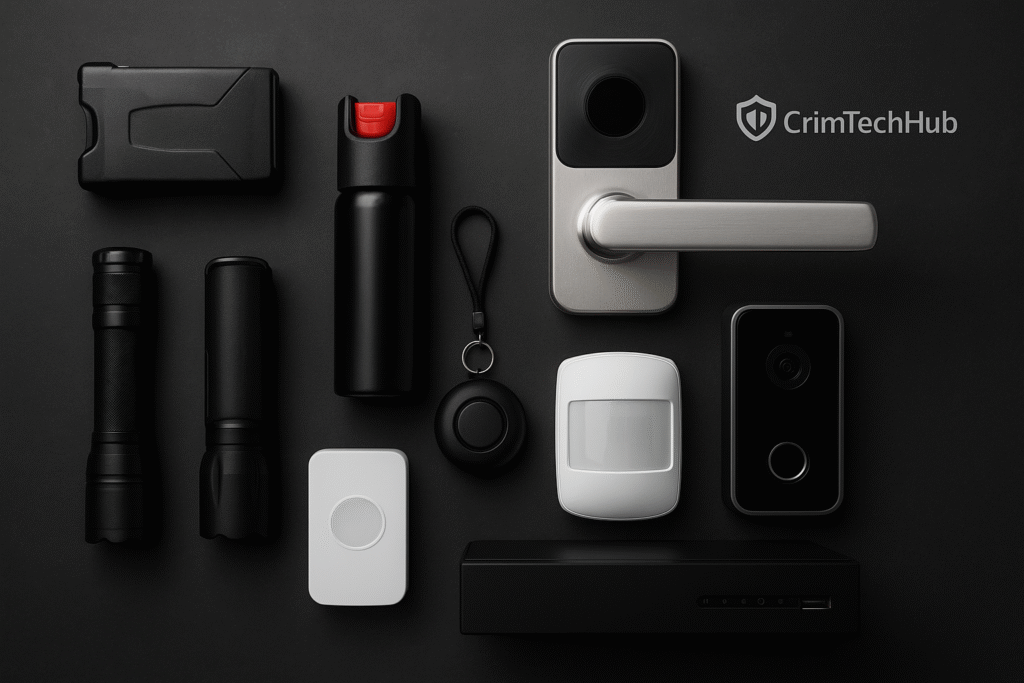
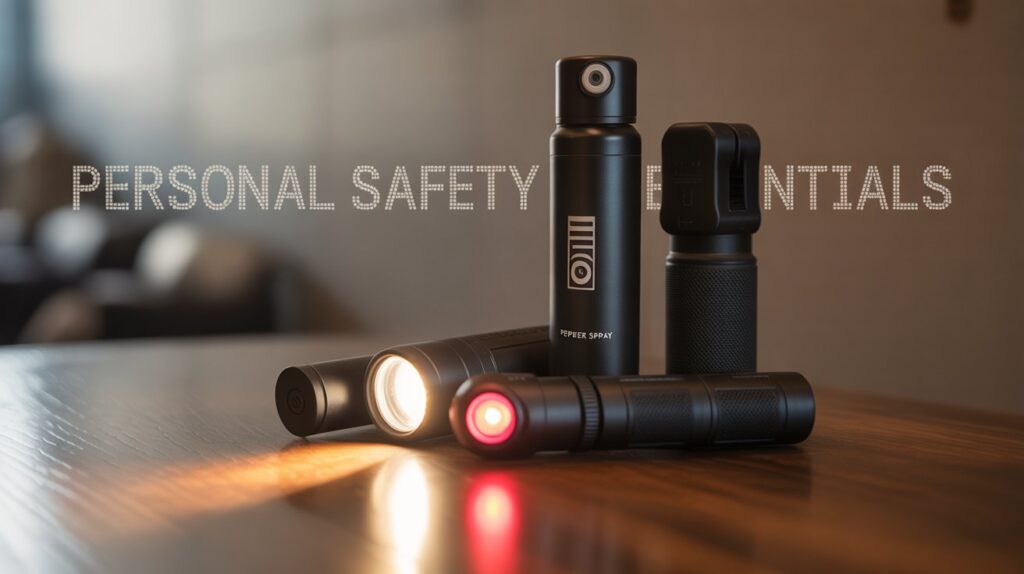
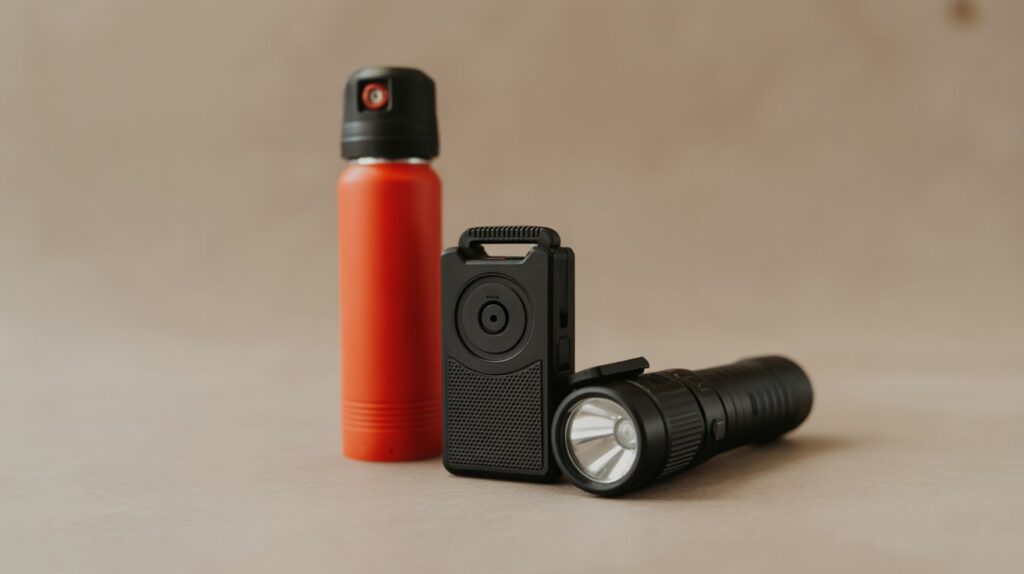
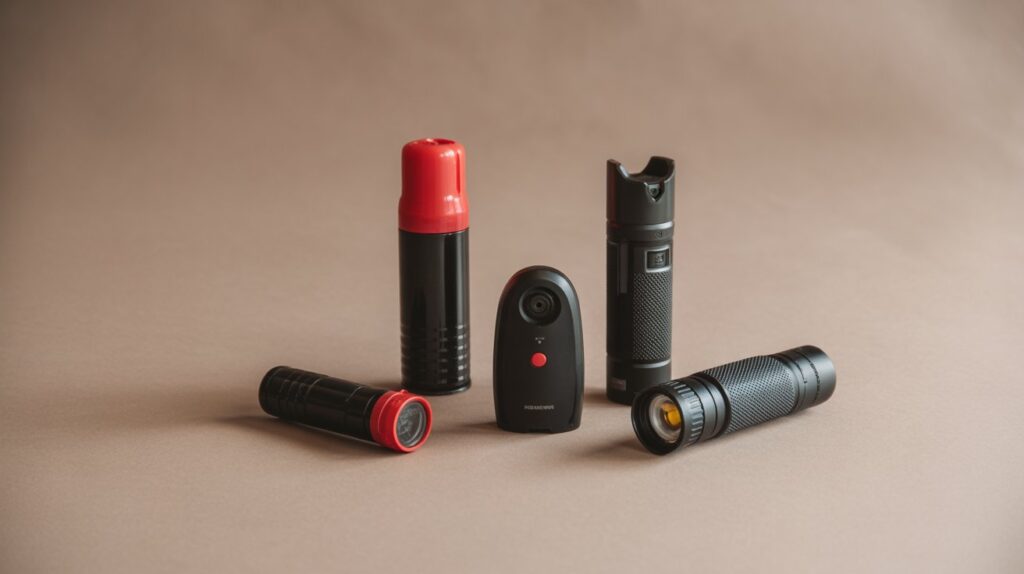
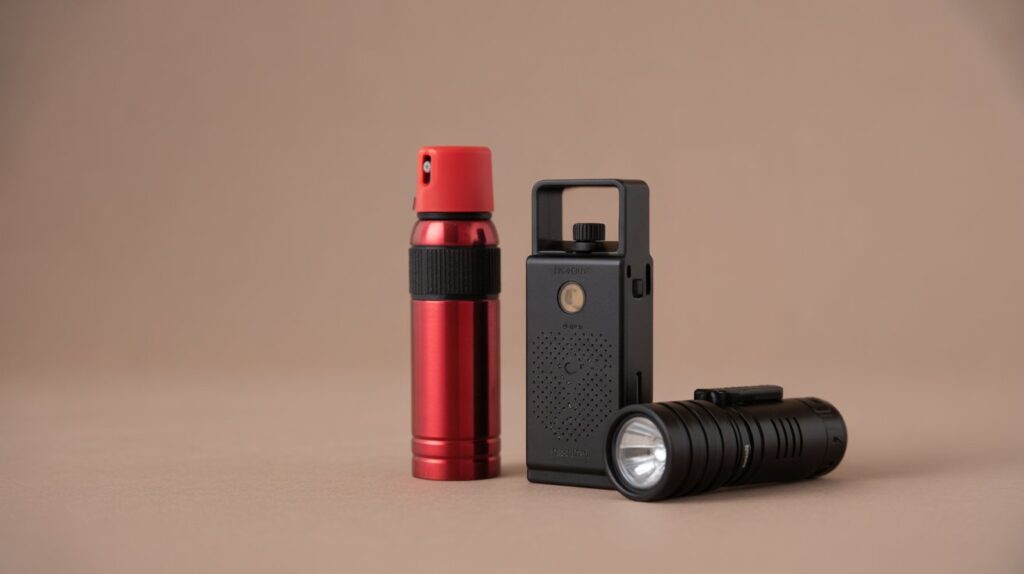
Popular beginner-friendly options:
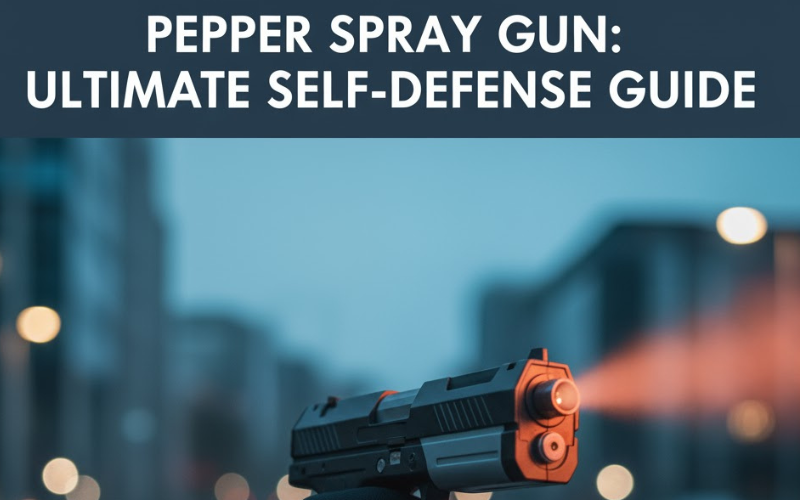
- Pepper spray
- Personal safety alarms
- Tactical flashlights
- Keychain self defense tools
Note for U.S. users:
Always check your state laws before carrying any self defense tool, as regulations can vary.
Common Mistakes Beginners Should Avoid
Starting your self defense journey the right way is important.
Avoid these mistakes:
- Relying only on physical strength
- Ignoring situational awareness
- Panicking under pressure
- Overcomplicating techniques
Keeping things simple and practical is the key to effective self defense.
How to Practice and Improve Your Skills
Consistency is more important than intensity when learning self defense.
Easy ways to improve:
- Practice basic moves at home
- Take a beginner self defense class
- Watch and learn real-life scenarios
- Train with a partner when possible
Even a few minutes of practice regularly can build confidence and muscle memory.
Building Confidence Through Self Defense
One of the biggest benefits of self defense is the confidence it brings.
You’ll start to notice:
- Less fear in everyday situations
- Better awareness of your environment
- Stronger decision-making under pressure
Confidence doesn’t come overnight—but with the right approach, it grows naturally over time.
Final Thoughts: Stay Prepared, Stay Safe
Learning self defense isn’t about living in fear—it’s about living with confidence and awareness. By understanding the basics, practicing simple techniques, and staying alert, you can significantly reduce your risk and feel more in control of your safety.Start small, stay consistent, and remember: the goal is always to protect yourself and get to safety.
FAQs
1. Is self defense easy for beginners?
Yes, basic self defense techniques are simple to learn and can be very effective with practice.
2. Do I need to be strong to defend myself?
No, self defense focuses on technique, awareness, and smart reactions—not strength.
3. What is the best self defense tool for beginners?
Pepper spray and personal alarms are among the easiest and most effective options.
4. How long does it take to learn self defense?
You can learn basic skills in a few sessions, but improvement comes with regular practice.