Introduction
Have you ever walked alone at night and felt that knot of worry in your stomach? The fear of being unprepared can be overwhelming — and that’s why many Californians are turning to small, discreet self-defense tools for protection. One question comes up again and again: are self defense rings legal in California?
These rings promise safety, confidence, and quick protection, but not every design is allowed under state law. Knowing what’s legal — and what isn’t — can be the difference between staying protected and facing serious legal trouble. This guide breaks it all down so you can make an informed, responsible choice.
Table of Contents
Are Self Defense Rings Legal in California?
Every day, more women and everyday Californians look for simple tools that help them feel safer — something small, discreet, and easy to carry. That’s why self defense rings have become so popular: they feel empowering, fit naturally into daily life, and offer a sense of confidence during late-night walks, rideshares, or moments when something “just doesn’t feel right.”
But before buying one, the first question always comes up: are self defense rings legal in California?
Here’s the short, clear answer: some designs are legal, others can quickly become illegal, depending entirely on how the ring is built. California has some of the strictest weapon laws in the country, especially around sharp objects, concealed tools, and anything that could be classified as a “dirk or dagger.” Because of these legal definitions, whether a self defense ring is legal comes down to one key factor — does it have a sharp, stabbing-style point, or a safe, blunt design?
This distinction matters. A ring that looks harmless online might still be treated as a prohibited weapon under California law, and carrying the wrong type — especially with intent to use it as a weapon — can lead to serious legal trouble. If you’re weighing your options, it’s worth comparing how pepper spray is treated under California law as a more clearly regulated alternative.
This guide breaks everything down in simple, clear language so you can stay safe, confident, and fully within California law.
What Exactly Are Self Defense Rings and How Do They Work?
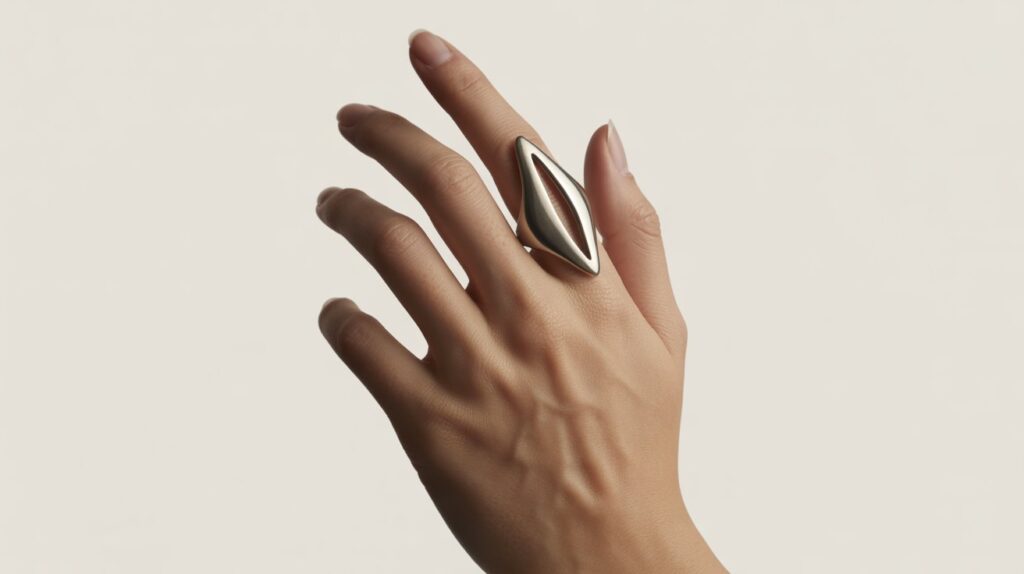
Self defense rings are small wearable tools designed to give you a quick way to protect yourself during an emergency. They look like regular fashion rings, but they’re built with features that help create distance, break free, or defend yourself if someone tries to cause harm — the goal is protection without drawing attention.
These rings come in a few different designs, each working in its own way:
- Pointed-tip rings — Have a sharp or semi-sharp tip used to jab or strike. This is the most aggressive style, and often the most legally sensitive in states with strict weapon laws like California.
- Hidden blade-style rings — Include small concealed edges or blade-like points. They look harmless at first glance, but can act like miniature weapons, which is why they often fall into prohibited-tool categories in many states.
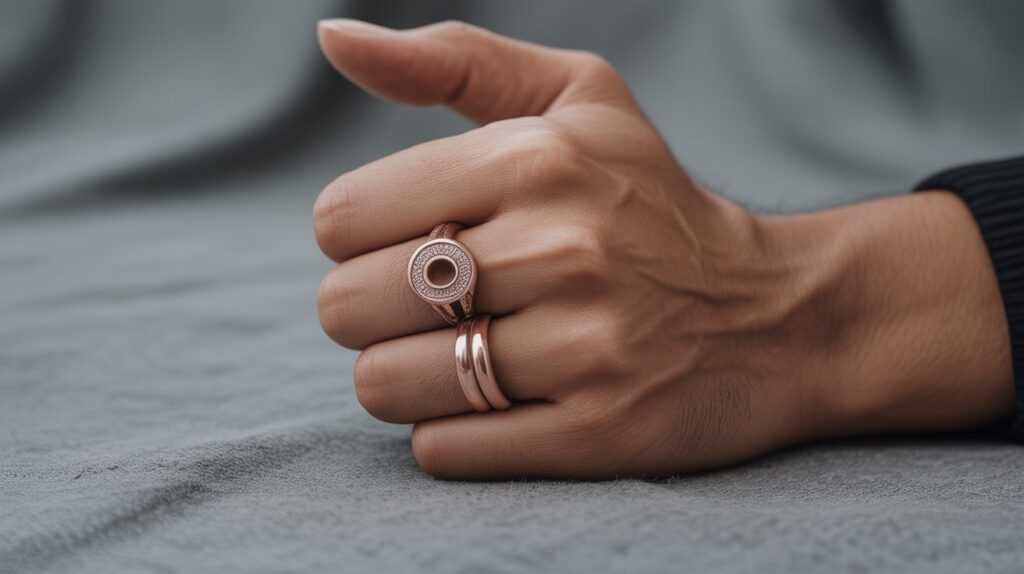
- Non-lethal or blunt designs — The most commonly preferred style, since they’re safe and easy to carry. Rounded or flat surfaces let you push away or break someone’s grip without causing deep injury, all while staying within most legal lines.
People choose these rings for different reasons — some want the reassurance of a small, effective tool for late-night walks, others simply like having something that helps them escape a dangerous moment. They’re popular partly because they require no training and fit naturally into daily carry, whether that’s work, errands, or travel. If you’re comparing options beyond a ring, it’s worth looking at how other self-defense tools stack up for a broader sense of what’s out there.
At their core, self defense rings are about safety, confidence, and quick protection — not starting a fight, but giving you a real chance to get away if danger shows up unexpectedly.
California Weapon Laws — What You Need to Understand First
California has some of the strictest weapon rules in the country. Before buying or carrying a self defense ring, it helps to understand how the state classifies weapons and why certain everyday tools can become illegal based on their design or intended use.
California doesn’t judge an item only by how it looks — it focuses on what the item can do, how it’s carried, and whether it can cause serious harm. This is exactly where self defense rings fall into a gray area.
Under California law:
- Sharp objects capable of stabbing may be treated as a dirk or dagger — defined in the Penal Code as a knife or other instrument, with or without a handguard, that’s capable of ready use as a stabbing weapon that may inflict great bodily injury or death. FindLaw
- Concealed tools with pointed or blade-like features can be classified as prohibited concealed weapons
- Impact tools (objects made to strike or hit) may be legal, but only if they’re non-lethal and don’t have sharp edges
This framework matters because a ring that looks harmless online can still meet that legal definition if it has a piercing tip or a hidden blade — even a small sharp point can trigger it. Penal Code sections covering concealed dirks and daggers, prohibited knives, and weapons carried with harmful intent all shape how self defense rings get viewed; the law focuses on potential harm, not appearance.
This isn’t legal advice — it’s an educational overview to help you understand the basic rules, so you can choose tools that support your safety without crossing legal lines in a state where weapon laws are taken very seriously.
Are Self Defense Rings Legal in California?
So, are self defense rings legal in California?
Yes — but only certain types. The legality depends fully on the design of the ring and how it is meant to be used.
Sharp Designs = Usually Illegal
If a self defense ring has a pointed tip, sharp edge, hidden blade, or stabbing-style design, California may treat it as a dirk or dagger. Understanding are self defense rings legal in California is important, because under state law, any object with a sharp point that can be used for stabbing — even if small — can fall into this category.
If a ring is considered a dirk or dagger, carrying it concealed becomes illegal.
This includes:
- Blade-style rings
- Rings with hidden knife edges
- Rings marketed as “stab rings”
- Any design made to pierce skin
These designs can lead to criminal charges because California focuses on the capability of harm, not the size of the weapon.
Blunt, Non-Lethal Designs = Generally Legal
Rings that have rounded, blunt, or flat striking surfaces are usually legal because they are not capable of stabbing.
These designs are meant for impact, distraction, and escape — not deep injury.
Most non-lethal safety rings fit into the category of legal personal safety tools, similar to keychain alarms or kubotan-style devices. They are considered defensive aids rather than weapons.
The Gray Area: Intent of Use
Even if a ring is technically legal, your intent matters.
If a person carries a ring with the intention to harm someone, threaten someone, or use it aggressively, the law can treat the object as a weapon — even if it’s blunt.
This means:
- If you wear it for self-defense and safety, you’re generally fine.
- If you use it to start a fight, threaten someone, or act aggressively, it can become illegal fast.
California law often looks at the purpose behind carrying any tool.
When Self Defense Rings Become a Legal Problem
A self defense ring becomes illegal in California when:
- It has a sharp or stabbing design
- It fits the legal definition of a dirk or dagger
- It’s carried concealed with blade-like features
- The user shows harmful or aggressive intent
Because of these rules, the safest option is to avoid sharp rings and choose non-lethal designs that focus on creating distance, breaking free, or protecting yourself without violating the law.
In short, California allows self defense rings — but only the safe, blunt versions.
Choosing the right design ensures you stay protected and stay fully within state law.
When Can a Self Defense Ring Get You into Trouble?
Even if you choose a legal, non-lethal self defense ring, there are still situations in California where carrying it can lead to serious problems. The law doesn’t only look at the design — it also looks at where you are, how you carry it, and how you use it.
Restricted Places Where It Can Be Illegal
California has strict rules about weapons and protective tools in sensitive areas. Even a blunt self defense ring can cause issues in these locations:
- School zones:
Many schools have zero-tolerance policies. Any object seen as a potential weapon — even a safety ring — can be confiscated or lead to legal trouble. - Government buildings:
Courthouses, city offices, and other government facilities often ban any tool that can be used to strike or harm someone. - Airports and airplanes:
TSA rules are very strict. Even small tools can be flagged as weapons, especially if they appear tactical or reinforced.
Carrying a self defense ring through airport security can easily lead to delays, confiscation, or questioning.
In these places, safety tools are treated very differently, and possession alone can create problems.
Misuse That Turns a Legal Ring Into a Weapon
A self defense ring becomes a legal risk the moment it is used improperly.
California law pays close attention to behavior and intent.
You may get into trouble if you:
- Brandish the ring in a threatening way
- Use it aggressively instead of defensively
- Start an argument or fight while wearing it
- Show intent to harm someone, even without using it
- Use a blunt ring as a striking weapon beyond self-defense
Real-life example:
Raising a self defense ring in an argument could make someone claim they were threatened. That’s why knowing are self defense rings legal in California is crucial.
Design + Intent = Legal Outcome
California evaluates two things:
- What the ring can do
- Why you’re carrying it
A blunt ring used responsibly for personal safety is generally fine.
A sharp ring or a ring used to intimidate someone is not.
In simple terms:
A self defense ring protects you only when you use it responsibly. Misuse can turn it into a legal problem fast — even if the design is legal.
Safe, Legal Alternatives to Self Defense Rings in California
If you’re unsure whether a self defense ring is legal or safe to carry, the good news is that California allows several effective alternatives. These tools are easy to carry, simple to use, and designed to help you stay safe without crossing legal boundaries.
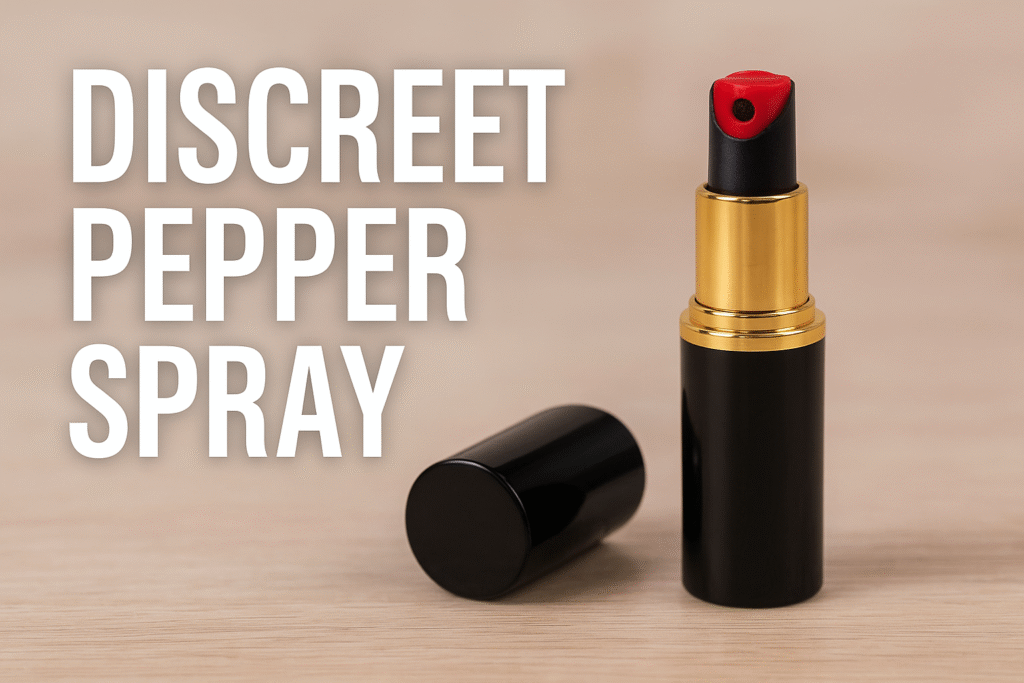
Pepper Spray (Legal but Regulated)
Pepper spray is one of the most trusted self-defense tools in California.
It’s legal for personal protection as long as:
- The canister is 2.5 ounces or less
- You are 18 or older
- You use it only for self-defense
Pepper spray creates distance fast and gives you crucial seconds to get away. Many people prefer it because it works even if the attacker is stronger or larger.
Personal Alarms
A personal alarm is a small device that lets out a loud siren-like sound when activated.
This noise can:
- Scare off an attacker
- Alert people nearby
- Draw attention in dark or isolated places
They’re legal everywhere, safe for all ages, and perfect for students, night workers, or anyone who wants a non-contact option.
Keychain Tools (Non-Metal, Blunt Designs)
California allows certain non-metal, blunt keychain tools that are built for escape — not harm.
These include:
- Plastic kubotan-style sticks
- Pressure point tools
- Rounded-edge grip tools
- Safety keychains designed to break someone’s hold
They don’t pierce or cut, so they avoid the weapon classification that sharp objects often trigger. These options are common among women who want a simple, discreet safety tool they can attach to their bag or keys.
A Safe Path to Everyday Security
These alternatives focus on escape, awareness, and protection, not injury. They fit perfectly within California law and still give you the peace of mind that comes with carrying something dependable.
This section is educational, not promotional — the goal is to help you choose tools that keep you safe without putting you at legal risk.
Expert Safety Tips If You Choose to Carry a Self Defense Tool
Carrying a self defense tool gives you confidence, but it also comes with responsibility — using it safely and legally matters just as much as having it on hand. Here are a few expert tips to keep you protected and within the law.
Confidence, Awareness, and Training
The most effective tool is your own awareness and presence of mind. Even the best self defense ring won’t help if you’re not paying attention. A few simple habits go a long way:
- Walking confidently and staying alert in public
- Avoiding isolated areas when possible
- Learning basic self-defense techniques or attending a short workshop
Training helps you use any tool effectively, stay calm under pressure, and react quickly when it matters.
Always Know the Local Laws
California’s rules for weapons and self-defense tools can vary by city or district. Before carrying anything:
- Check local regulations
- Understand limits on concealed objects
- Know restricted areas like schools, airports, and government buildings
Staying informed keeps your protective tool exactly that — protective, not a legal liability.
Carry Only Non-Sharp Versions If Unsure
If you’re ever in doubt, choose a blunt, non-lethal option:
- Rounded self defense rings
- Blunt keychain devices
- Pepper spray (legal limits apply)
For a broader look at building a complete, legal safety setup beyond just a ring, this self-defense kit guide covers additional tools worth considering. Sharp or stabbing designs should be avoided unless you’re absolutely certain of their legal status.
By following these tips, you can carry a self defense tool confidently and stay fully compliant with California regulations — safety is ultimately about prevention, preparation, and smart choices.
Conclusion
Self defense rings can offer real confidence, but in California, knowing the law matters just as much as carrying the tool itself. Legal, non-lethal designs let you stay protected without putting you at risk, while understanding restricted areas and proper use keeps you both safe and responsible.
Safety isn’t just about the tool you carry — it’s about awareness, preparation, and making smart choices every day.
Before you buy, ask yourself: does this design keep you protected and fully within the law? That’s the real starting point for staying safe in California.
FAQs
Q1. Can I carry a self defense ring on an airplane in California?
No — TSA prohibits pointed or blade-style rings in carry-on and checked luggage screening at security.
Q2. Do self defense rings need to be registered in California?
No, non-sharp self defense rings don’t require registration, unlike firearms or certain restricted weapons.
Q3. Can minors legally carry a self defense ring in California?
There’s no statewide age restriction on blunt designs, though schools often prohibit them under zero-tolerance policies.
Q4. Is it legal to buy a self defense ring online and ship it to California?
Yes, blunt/non-sharp designs can be legally shipped and purchased online for personal use.
Q5. What happens if police find a sharp self defense ring on you?
It can be confiscated and may lead to a concealed weapons charge if classified as a dirk or dagger.
About the Author
M Bilal founded CrimTechHub and writes on self-defense tools, home security, and the legal side of personal protection for U.S. readers. His Criminology (BS) background means he doesn’t just look at whether a product works — he looks at whether carrying it could actually land someone in legal trouble, which matters more than most people realize with tools like self-defense rings.
He researches state-specific laws before writing about them and updates articles when regulations shift, so readers get information they can actually rely on, not generic advice copied across a dozen other sites.