Introduction
Have you ever pressed your garage door remote, watched the door start to close… and then suddenly stop for no clear reason? It’s a small moment, but it can leave any homeowner confused. You look down at the tiny lights near the bottom of the door track and start wondering, should both garage door sensors be green?
This is one of the most common questions homeowners across the United States ask when their garage door behaves unexpectedly. Those small sensors may not seem like a big deal, but they play a critical role in keeping your family, pets, and vehicle safe. When something is off — even slightly — the entire garage door system reacts.
The good news is that the lights on your garage door sensors are actually trying to tell you something. Once you understand what they mean, diagnosing the problem becomes much easier. And in many cases, the fix is simpler than most people expect.
Table of Contents
A Small Light That Can Stop Your Entire Garage Door
It usually happens when you’re in a hurry. You press the garage door remote, the door starts moving, and then suddenly it stops or goes back up. You look down at the small sensors near the bottom of the door track and notice the lights. One is glowing. The other looks different. At that moment, a common question pops into your mind: should both garage door sensors be green?
Many homeowners across the United States run into this exact situation. Those tiny lights may not seem important, but they control one of the most important safety systems in your garage. Garage door safety sensors are designed to stop the door if something is in the way — a child, a pet, or even the front bumper of your car. If the sensors are not working properly, the garage door opener will refuse to close. That’s why even a small change in the sensor lights can bring your entire garage door to a halt.
Understanding what those lights mean can save you time, stress, and unnecessary service calls. In many cases, the issue is simple — a slight misalignment, dust on the lens, or something blocking the sensor beam. But before fixing anything, it helps to know whether both garage door sensors should be green and what the different colors are actually telling you. Once you understand this small detail, diagnosing garage door problems becomes much easier.
What Garage Door Sensors Actually Do
Garage door sensors are a small but critical part of modern garage door systems. They sit a few inches above the ground on both sides of the garage door track and communicate with each other using an invisible beam. If anything breaks that beam while the door is closing, the system immediately stops and reverses the door. This simple technology prevents accidents, protects vehicles, and keeps families safe.
Many homeowners only notice these sensors when something stops working and they start wondering, should both garage door sensors be green? The lights on the sensors are there to show whether the system is aligned and communicating properly. When everything is working as it should, the garage door opener receives a clear signal that the path is safe.
The Safety System Behind Automatic Garage Doors
Automatic garage doors are powerful and heavy. Without a safety system in place, they could easily cause injury or damage. That’s where garage door safety sensors come in.
These sensors create a protective line across the bottom of the garage door opening. If something crosses that line, the door will not close.
For example, the sensors can detect:
- A child walking under the door
- A pet running into the garage
- A bicycle, storage bin, or car bumper in the way
When the beam is interrupted, the opener assumes something is blocking the door and reverses it immediately. This is why sensor lights matter so much. If the lights show a problem, the system may prevent the garage door from closing until the issue is fixed.
Why U.S. Regulations Require Them
In the United States, garage door safety sensors are not just a convenience — they are required for safety. Automatic garage door openers in the United States have included safety reversing sensors as a standard feature for homeowners since the early 1990s.must include a safety reversing system. This rule was introduced to reduce injuries and accidents caused by closing garage doors.
Because of these safety standards, modern garage doors rely heavily on properly working sensors. If the sensors are misaligned, dirty, or disconnected, the opener may stop working correctly. That’s one reason homeowners often check the indicator lights and ask, should both garage door sensors be green?
Understanding how these sensors work helps you quickly spot small problems before they turn into bigger garage door issues.
Should Both Garage Door Sensors Be Green?
This is one of the most common questions homeowners ask when their garage door suddenly refuses to close: should both garage door sensors be green? The short and simple answer is not always. In most garage door systems, the two sensors have different roles, and that’s why the lights may not match.
Usually, one sensor is the sending unit and the other is the receiving unit. The colors help indicate whether the sensors are aligned and communicating properly with the garage door opener.
What the Green Light Usually Means
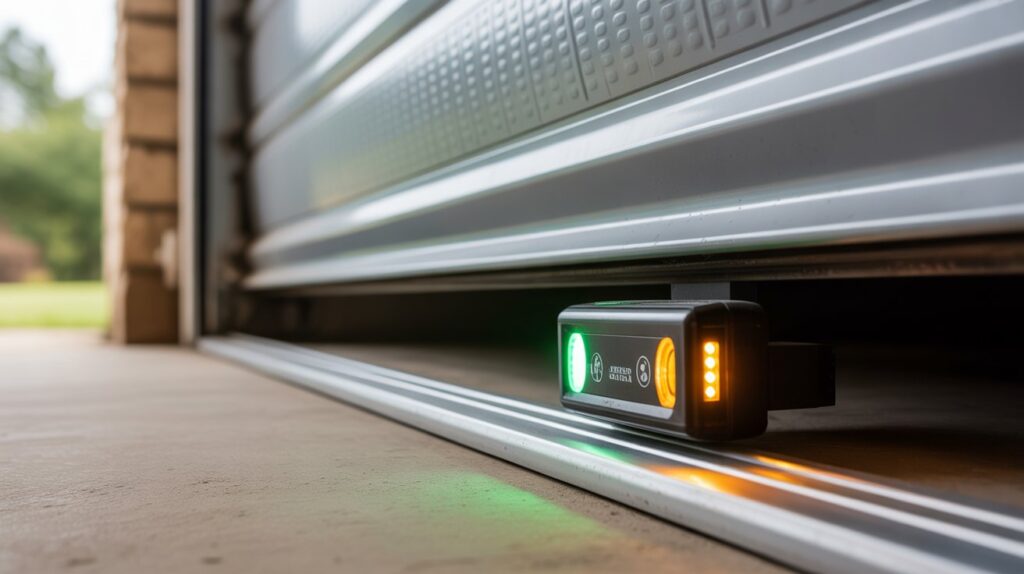
On most garage door models in the United States, the green light appears on the receiving sensor. This light shows that the sensor is getting the signal correctly and the system is ready to operate.
A steady green light usually means:
- The sensors are aligned properly
- The infrared beam is reaching the other side
- The garage door opener recognizes the safety system
- There is nothing blocking the path
When homeowners check their garage and see that green light glowing steadily, it’s often a good sign that the safety sensor system is functioning normally.
Why One Sensor May Show a Different Color
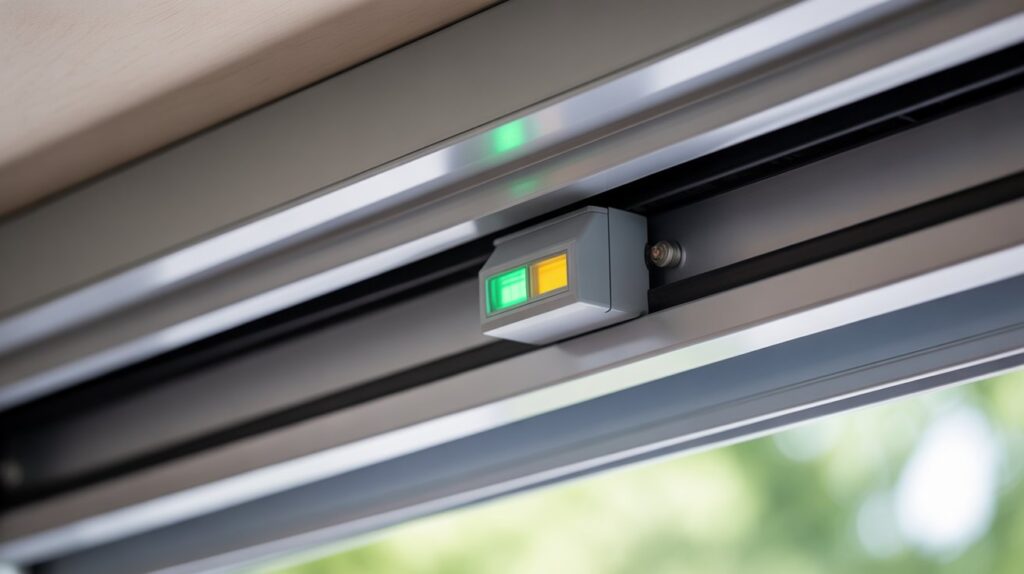
Many people get confused because one sensor might be green while the other shows yellow, amber, or even no light at all. This is actually normal for many garage door brands.
Here are a few common reasons the colors are different:
- One unit sends the signal while the other receives it
- Different manufacturers use different indicator colors
- A yellow or amber light often means the sending sensor is powered
- Only the receiving sensor turns green when alignment is correct
So if you’re wondering again, should both garage door sensors be green, the answer is that most systems are designed so only one shows green while the other displays a different indicator light.
When Everything Is Working Correctly
When the sensors are working properly, you will usually notice a few clear signs:
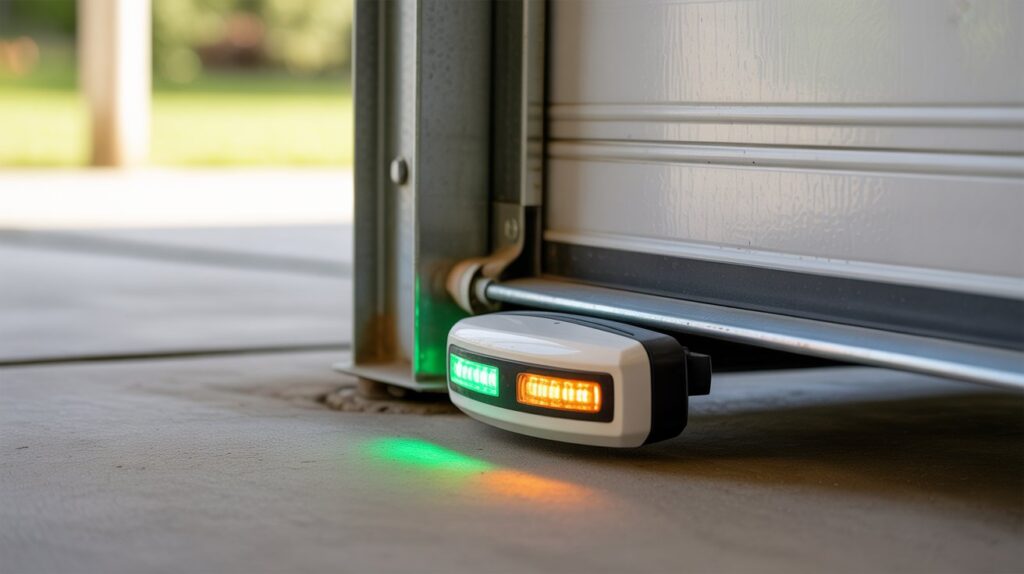
- One sensor shows a steady green light
- The other sensor shows yellow, amber, or another steady indicator
- The garage door closes smoothly without reversing
- The opener does not blink error lights
If these things are happening, your garage door safety sensors are likely doing exactly what they were designed to do — keeping your home, family, and vehicle safe every time the door closes.
Common Reasons One Sensor Isn’t Green
If you’ve checked your garage and started wondering should both garage door sensors be green, the issue is usually caused by a small and fixable problem. Garage environments change constantly—cars moving in and out, dust, weather, and daily use can all affect how the sensors work. When one light isn’t green, the system is simply telling you something needs attention.
Below are the most common reasons homeowners in the U.S. notice a sensor light problem.
Sensor Misalignment
One of the most frequent causes is simple misalignment. The two sensors must face each other directly to create a clear safety beam. Even a slight bump from a trash bin, bike tire, or storage box can move one of the sensors just enough to break that connection.
Signs of misalignment include:
- One sensor light blinking
- The garage door starts closing, then reverses
- One indicator light turns off or changes color
In many cases, gently adjusting the sensor until the lights stabilize solves the problem quickly.
Dirt or Debris Blocking the Lens
Garage door sensors sit very close to the ground, which means they easily collect dust, spider webs, leaves, or mud. When the lens becomes dirty, the beam may not pass clearly from one side to the other.
Common things that block sensors include:
- Dust buildup
- Cobwebs
- Small leaves or debris
- Moisture or smudges on the lens
A quick wipe with a soft cloth often restores the signal and brings the system back to normal.
Loose Wiring
Another reason a homeowner might question should both garage door sensors be green is loose or damaged wiring. Over time, vibrations from the garage door opening and closing can slightly loosen the wires connected to the sensors.
Possible signs of wiring issues:
- A sensor light completely off
- Lights flickering on and off
- Garage door refusing to close
Checking that the wires are firmly connected to both the sensor and the garage door opener can often reveal the problem.
Sunlight Interference
Bright sunlight can sometimes confuse garage door sensors. If direct sunlight hits the receiving sensor at the right angle, it may struggle to detect the infrared beam from the other side.
This tends to happen:
- In the early morning or late afternoon
- In garages facing east or west
- During certain seasons when the sun angle changes
Homeowners sometimes fix this by slightly adjusting the sensor angle or adding a small shade.
Sensor Damage or Wear
Like any piece of equipment, garage door sensors can wear out over time. If the unit has been hit, exposed to moisture, or simply aged after years of use, the internal components may stop working properly.
Possible signs include:
- No light at all on the sensor
- Cracked housing
- Sensors that won’t align no matter what you try
When this happens, replacing the sensor is often the safest and most reliable solution.
Understanding these common issues helps answer the question should both garage door sensors be green and makes troubleshooting much easier for homeowners. Often, the fix is simpler than most people expect.
How to Fix Garage Door Sensor Light Problems
When your garage door suddenly stops closing, the sensor lights are usually the first place to look. Many homeowners begin searching online and asking the same question: should both garage door sensors be green? The good news is that most sensor light problems are simple and can often be fixed in just a few minutes without special tools.
Before assuming something is broken, it helps to go through a few basic checks. In many U.S. homes, garage door sensor issues are caused by small alignment or visibility problems rather than major mechanical failures.
Quick Checks You Can Do in Minutes
Start with a few simple steps that solve most garage door sensor issues.
• Clean the sensor lenses
Dust, dirt, or spider webs can block the invisible beam between sensors.Use a soft, clean cloth to carefully clean each sensor lens. Even a small smudge can interrupt the signal.
• Realign the sensors
If the sensors are slightly tilted or bumped out of place, the connection breaks. Gently move the sensors until they are perfectly aligned and pointing at each other. In most cases, the indicator lights will stabilize once alignment is correct.
• Check the mounting brackets
Sometimes the brackets holding the sensors become loose. This can cause the sensors to shift over time. Tightening the brackets can help keep the beam properly aligned.
• Inspect the wires
Look for loose, pinched, or disconnected wires near the sensors. Garage vibration and daily use can gradually loosen connections. Securing the wiring often restores normal operation.
These quick checks resolve many of the situations where homeowners wonder should both garage door sensors be green and why the door refuses to close.
When It’s Time to Call a Professional
If you’ve tried the basic fixes and the problem continues, it may be time to contact a garage door technician. Some issues involve internal electrical faults, damaged sensors, or opener system problems that require proper tools and experience.
Professional help is usually the safer choice when:
- The sensor lights remain completely off
- The garage door opener flashes error signals
- Wiring appears damaged inside the wall
- Sensors will not stay aligned after adjustment
- The garage door behaves unpredictably
Garage doors are heavy and operate under tension, so avoiding risky repairs is important. A trained technician can quickly diagnose the issue and restore your garage door safety system, giving you peace of mind that everything is working as it should.
Conclusion
A garage door is something most people use every single day without thinking twice. But when the door suddenly refuses to close and the sensor lights look confusing, it quickly reminds you how important that small safety system really is. Understanding should both garage door sensors be green can save you time, frustration, and unnecessary worry.
In most cases, the lights are simply telling you whether the sensors are aligned and doing their job. A quick check, a small adjustment, or a simple cleaning is often all it takes to get everything working again. And when those sensors are functioning properly, they’re quietly protecting your home, your car, and the people you care about.
So the next time you notice those tiny lights near your garage door, you’ll know exactly what they mean. Sometimes the smallest details in a home are the ones that keep everything running safely. Now take a moment to think — when was the last time you checked yours?
FAQs
Q1. Why is one garage door sensor green and the other yellow?
The green light usually shows the receiving sensor is aligned, while yellow indicates the sending sensor is powered.
Q2. Should both garage door sensors be the same color?
Not necessarily; most systems are designed with different colors to show their specific roles.
Q3. Should I have two green lights on my garage door sensors?
In most setups, only the receiving sensor turns green when properly aligned.
Q4. What color are my garage sensors supposed to be?
Typically, one sensor is green and the other is yellow or amber, depending on the brand.
Q5. How do I reset the sensors on my garage door?
Unplug the opener, realign the sensors, then plug it back in to reset the system.
Q6. How can you tell if your garage sensors are aligned?
Check that the green light on the receiving sensor is steady and not blinking.
Q7. How to know if garage door sensors are bad?
Persistent blinking lights, no power, or a door that won’t close usually indicate a faulty sensor.
Q8. Is it safe to fix garage door sensors myself?
Yes, minor cleaning, alignment, and wiring checks are safe; avoid internal repairs or heavy adjustments.
Q9. What is the life expectancy of a garage door sensor?
Most sensors last 8–12 years with regular use and proper care.
Q10. Will a garage door work without sensors?
Modern U.S. garage doors won’t close without functioning sensors, as safety systems are required by law.