Introduction
Have you ever rushed out of your house, only to watch your garage door stop halfway or refuse to close at all? It’s a moment that can instantly ruin your morning and leave you feeling frustrated. For many homeowners across the U.S., these unexpected stops are often caused by a small but crucial part of the system — the garage door safety sensors.
These tiny devices are designed to protect your family, pets, and belongings, but when they misbehave, the door can act unpredictably. Learning how to reset garage door safety sensors not only restores convenience but also gives you peace of mind knowing your garage is safe. In this guide, we’ll walk you step by step through understanding, diagnosing, and fixing your sensors so your garage door works smoothly again.
Table of Contents
When Your Garage Door Suddenly Stops Working
You’re heading out in the morning, coffee in one hand, keys in the other, and suddenly your garage door refuses to close. It starts moving, then stops… or reverses for no clear reason. For many homeowners across the U.S., this small moment can quickly turn into a frustrating start to the day. What most people don’t realize is that the issue is often connected to one small but important part of the system — the garage door safety sensors.
Today’s garage doors are designed to prioritize safety for every household. These sensors sit near the bottom of the door tracks and send an invisible beam across the opening. If anything breaks that beam, the system tells the door to stop or reverse. It’s a simple technology, but it protects pets, kids, cars, and anything else that might be in the way. Because of this safety feature, even a tiny problem with alignment, dust, or wiring can cause the door to act like it has a mind of its own.
This is where many homeowners start searching for answers like how to reset garage door safety sensors. The good news is that in many cases, the fix is easier than people expect. A quick inspection, a small adjustment, or a simple reset can often bring the whole system back to normal.
Before assuming the opener is broken or calling for an expensive repair, it’s worth understanding how these sensors work and why they sometimes stop cooperating. In the next section, we’ll break down the basics so you can quickly identify what’s really going on with your garage door.
Understanding How Garage Door Safety Sensors Work
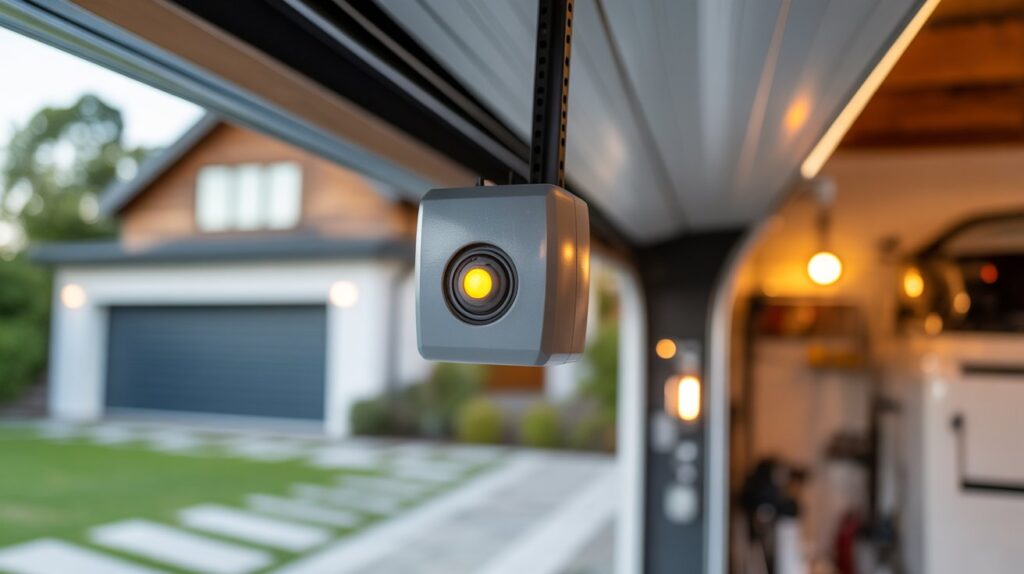
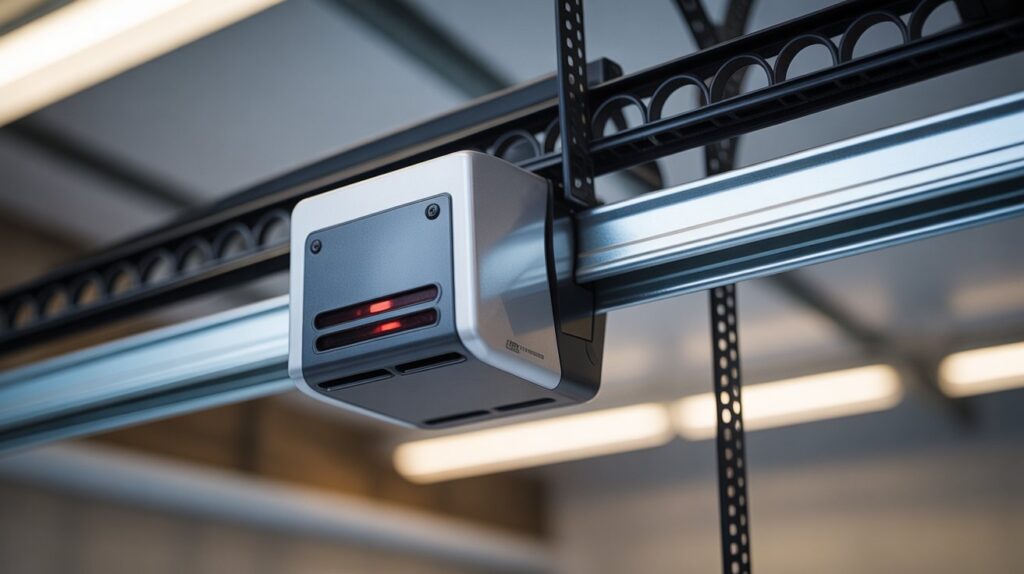
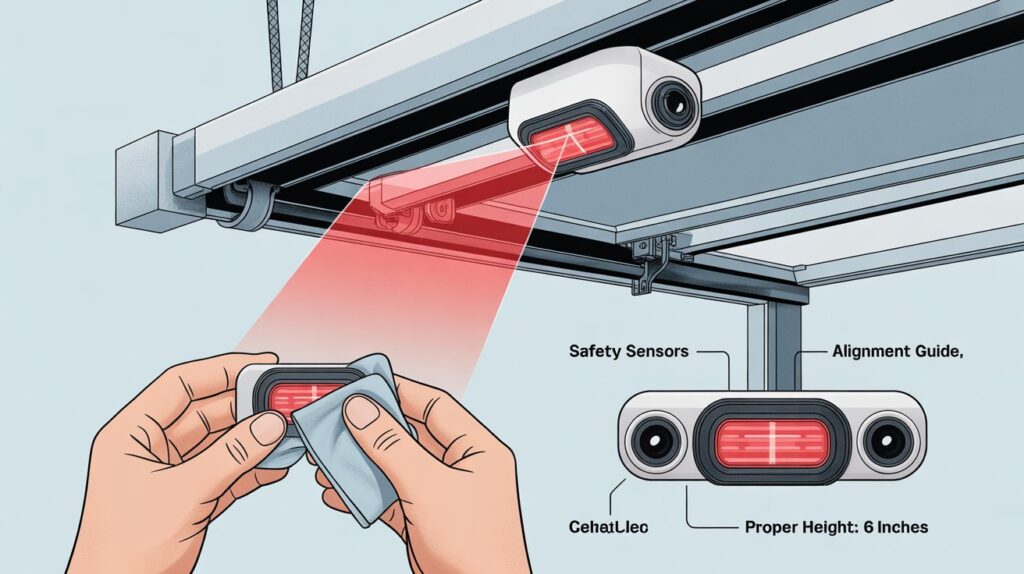
Before trying to fix the issue, it helps to understand how this small system actually protects your home. Most modern garage doors in the U.S. rely on photo eye sensors placed a few inches above the floor on each side of the door track. These devices may look simple, but they are a critical part of the entire garage door opener system.
At their core, garage door safety sensors prevent accidents. They constantly check whether the path under the garage door is clear. When everything is working properly, the door closes smoothly without hesitation.
Here’s the simple logic behind the system:
- Two sensors face each other across the garage door opening.One sensor emits a hidden infrared signal, while the other detects it.
- This beam creates a safety line. If anything breaks that line — a bike tire, a storage box, a child, or even dust buildup — the system reacts instantly.
- The automatic reversal system activates. Instead of closing, the garage door stops and moves back up to prevent injury or damage.
- Proper garage door sensor alignment is essential. If the sensors are even slightly out of position, the beam can’t connect.
- Safety beam technology is designed to fail safely. If the system detects any issue, the door simply refuses to close.
This is exactly why many homeowners start searching for how to reset garage door safety sensors when their garage door suddenly stops cooperating. In many cases, the sensors are doing their job — they’re just detecting a problem like misalignment, blocked lenses, or a weak connection.
Once you understand how the sensors communicate with each other, fixing the issue becomes much easier and far less stressful.
How to Tell If Your Garage Door Sensors Need Resetting
Sometimes a garage door problem looks serious, but the real issue is much smaller. Many U.S. homeowners start looking up how to reset garage door safety sensors after their door suddenly begins acting strangely. The system is designed to stop the door whenever something seems unsafe, so even a minor sensor issue can trigger confusing behavior.
Below are the most common signs that your garage door safety sensors may need attention or a quick reset.
Garage Door Starts Closing Then Reverses
This is one of the clearest signals. The door begins to close normally but suddenly goes back up. In many cases, the photo eye sensors believe something is blocking the safety beam, even when the path looks clear.
Door Won’t Close Unless You Hold the Wall Button
If the door only closes while you keep pressing the wall control, the safety system is likely being bypassed. This usually happens when the sensors lose alignment or the beam connection becomes weak.
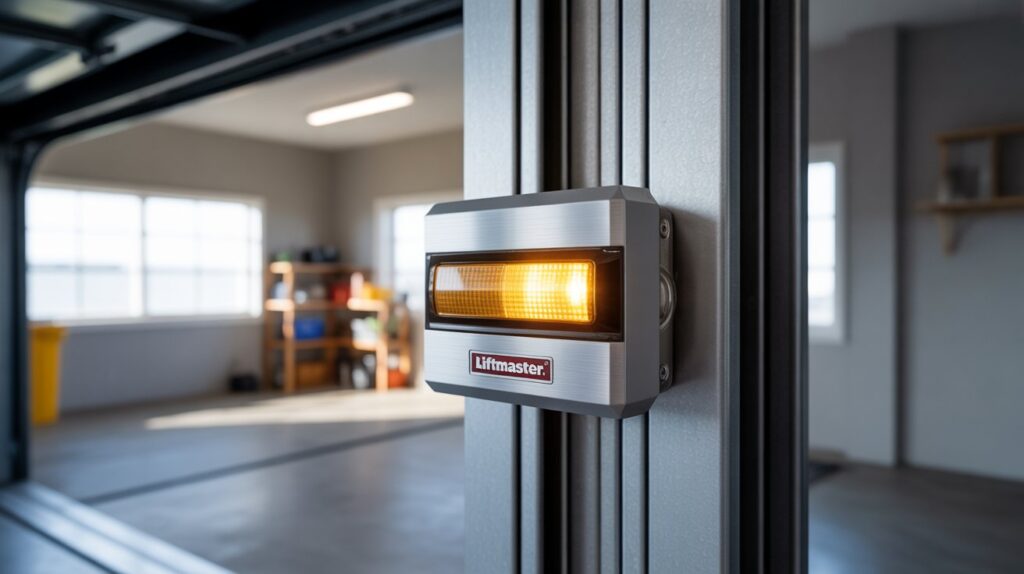
One Sensor Light Is Off or Blinking
Most garage door sensors have small indicator lights. When everything is working, these lights stay solid. A blinking or completely dark light often means the sensors are misaligned, dirty, or disconnected.
Sensors Appear Misaligned
Over time, everyday activity inside the garage can bump the brackets slightly out of place. Storage bins, bikes, or even a small accidental hit can affect garage door sensor alignment, which interrupts the safety beam.
Door Randomly Stops Halfway
If your garage door stops midway or refuses to move smoothly, the opener may be receiving inconsistent signals from the sensors. The system pauses because it cannot confirm that the path is safe.
Recognizing these warning signs early helps you avoid unnecessary repairs. In many situations, once you understand the cause, learning how to reset garage door safety sensors becomes a quick and manageable fix.
How to Reset Garage Door Safety Sensors (Step-by-Step)
If your garage door suddenly refuses to close, there’s a good chance the sensors just need a quick reset or adjustment. Many U.S. homeowners are surprised to learn that fixing this issue often takes only a few minutes. Once you understand how to reset garage door safety sensors, the process becomes simple and stress-free.
Follow these steps carefully to get your garage door system working again.
Step 1 – Turn Off the Garage Door Power
Safety always comes first. Before touching anything near the sensors or tracks, unplug the garage door opener or switch off the breaker that powers the system. This ensures the garage door stays still while you adjust the sensors.
A quick power reset can also help clear small system glitches that sometimes confuse the opener.
Step 2 – Inspect the Sensor Lenses
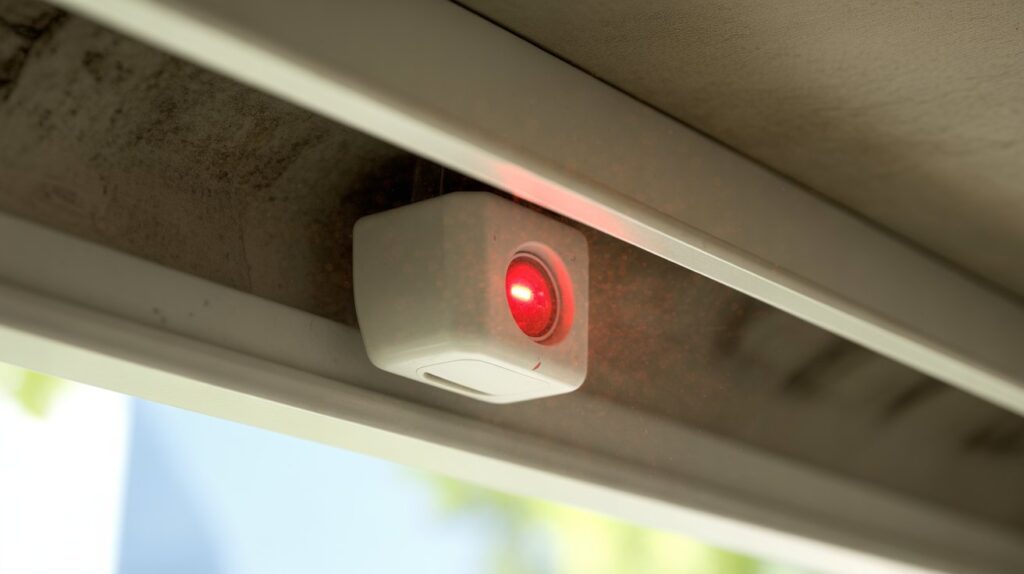
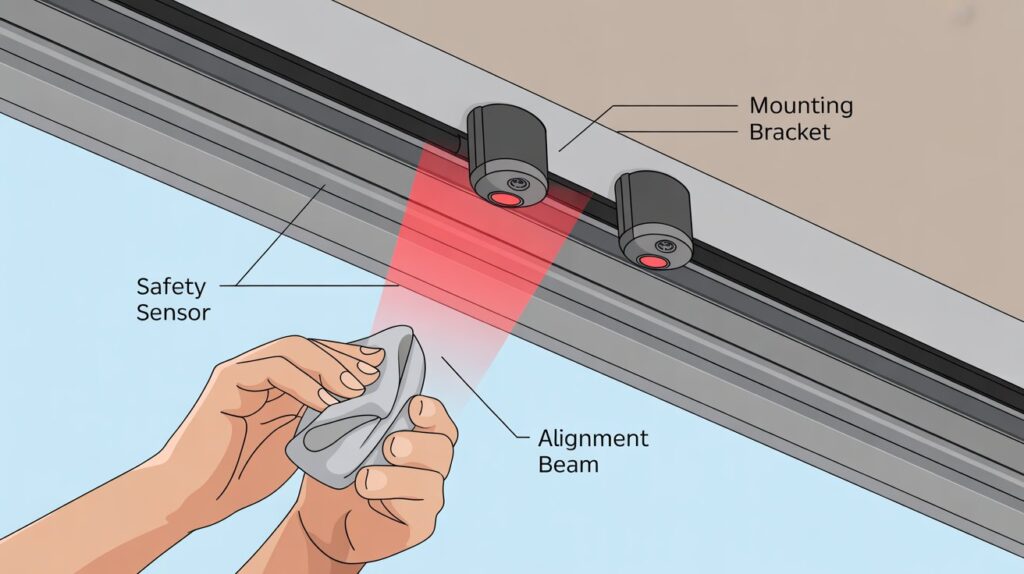
Next, check the photo eye sensors located near the bottom of the garage door tracks. These lenses are small and easy to overlook, but even a little dirt can block the beam.
Look for common issues such as:
- Dust or dirt on the lenses
- Spider webs inside the sensor area
- Leaves or debris near the track
- Storage items partially blocking the beam
Carefully clean the sensor lenses using a soft, lint-free cloth. Many sensor problems are solved with this simple step.
Step 3 – Realign the Sensors
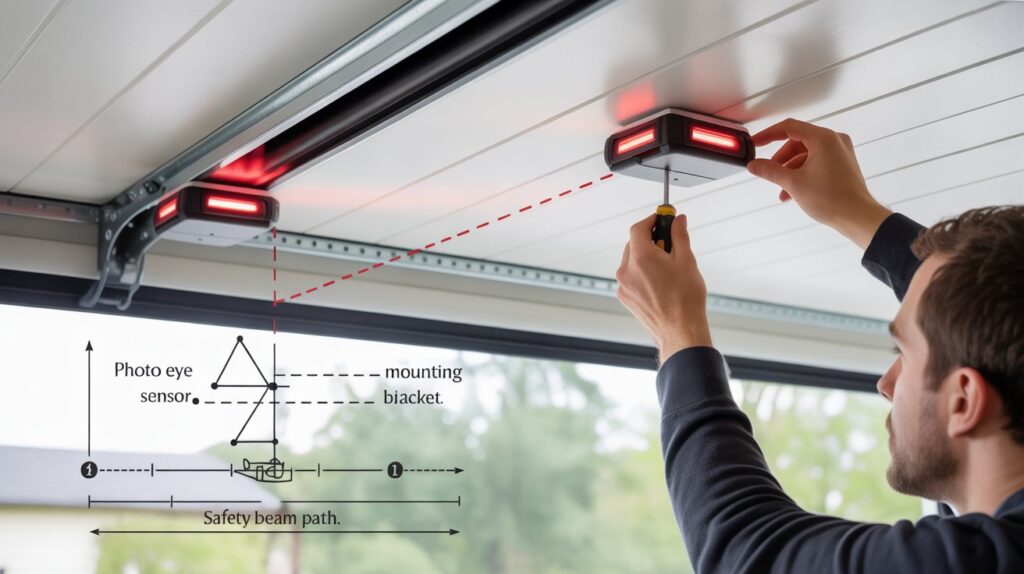
Proper garage door sensor alignment is critical. The two sensors must face each other directly so the safety beam can travel across the door opening.
If one sensor is bumped even slightly, the connection breaks and the door won’t close.
To fix alignment:
- Check that both sensors point straight toward each other
- Adjust the brackets slowly until the indicator lights become steady
- Make sure nothing sits between the sensors
In many garages across the U.S., bikes, lawn tools, or storage bins accidentally knock sensors out of position.
Step 4 – Tighten and Secure the Brackets
Loose brackets are another common reason the safety system fails. Over time, vibration from daily door use can shift the sensors.
Use a screwdriver to gently tighten the mounting brackets. The sensors should stay steady without tilting or sliding. A stable position helps maintain a strong safety beam connection.
Step 5 – Restore Power and Test the Door
Once everything looks aligned and clean, reconnect the power to the garage door opener.
Now test the door:
- Press the remote or wall button
- Watch the sensor lights
- Make sure the door closes smoothly
If the door moves normally again, you’ve successfully completed how to reset garage door safety sensors. The entire fix usually takes less than ten minutes but can save homeowners from unnecessary repair costs.
Keeping the sensor area clean and checking alignment occasionally can prevent this problem from happening again.
Common Mistakes People Make When Resetting Sensors
Learning how to reset garage door safety sensors is usually simple, but many homeowners still run into the same small problems. These mistakes can make it seem like the garage door opener is broken when the real issue is much easier to fix. Knowing these frequent mistakes helps you avoid unnecessary effort and costs.
Here are the mistakes professionals see most often in U.S. homes:
- Ignoring dirty sensor lenses
Dust, garage debris, and spider webs often collect on the photo eye sensors. Even a thin layer can block the safety beam and prevent the door from closing properly. - Accidentally bumping the sensors
Storage bins, bikes, trash cans, or lawn equipment can easily knock the sensors out of alignment. When the sensors shift even slightly, the system loses its connection. - Checking the wrong wiring
Some homeowners assume the opener motor is the problem and start adjusting wires they shouldn’t touch. In many cases, the real fix is simply sensor alignment or cleaning. - Sunlight hitting the sensors directly
In certain garages, especially ones facing west or south, strong sunlight can interfere with the safety beam. This can make the sensors behave as if something is blocking the door. - Tightening brackets too loosely or too tightly
If the sensors are not stable, the beam may keep disconnecting. But overtightening can also push the sensors out of alignment.
Many people start searching for how to reset garage door safety sensors without realizing that one of these small issues is the real cause. Paying attention to these details can prevent the problem from returning and keep your garage door working smoothly.
When It’s Time to Call a Garage Door Professional
In many cases, learning how to reset garage door safety sensors solves the problem quickly. But sometimes the issue goes deeper than simple alignment or cleaning. When your garage door continues to act unpredictably after multiple attempts, it may be time to bring in a professional.
Garage door systems include electrical components, moving parts, and safety mechanisms that must work together perfectly. A trained technician can quickly spot issues that are easy to miss during a basic reset.
Damaged or Frayed Wiring
If the sensor wires are worn, loose, or damaged, the system may lose communication with the opener. This can cause blinking sensor lights or a door that refuses to close. A professional can safely inspect and repair the wiring without risking further damage.
Broken or Faulty Sensors
Sometimes the sensors themselves fail. Internal damage, moisture, or age can stop them from sending or receiving the safety beam. When this happens, replacing the sensors is usually the best solution.
Repeated System Failure
If you keep resetting the system but the problem returns again and again, something deeper may be wrong. The opener, logic board, or sensor wiring may need a proper inspection.
Older Garage Door Openers
Many older garage door systems were not designed with the same modern safety beam technology used today. If your opener is more than 10–15 years old, upgrading the system can improve both safety and reliability.
Calling a garage door professional doesn’t mean you’ve failed to fix the issue yourself. In fact, knowing when to get expert help is often the smartest and safest decision. It can prevent bigger repairs, protect your garage door system, and keep your home secure.
Conclusion
A garage door that refuses to close can quickly turn a normal day into a frustrating one. But in many homes, the problem is smaller than it seems. Understanding how to reset garage door safety sensors gives you the confidence to solve a common issue without stress, expensive repairs, or hours of guesswork.
These small sensors play a big role in protecting your family, your car, and everything stored in your garage. A quick cleaning, proper alignment, or a simple reset can often bring the entire system back to life. And when you understand how the safety system works, you’re far less likely to feel stuck when something goes wrong.
Now take a moment to think — the next time your garage door stops halfway or refuses to close, you’ll know exactly where to start. Sometimes the smartest home maintenance skill is simply knowing the small fixes that make everyday life easier.
FAQs
How do I reset my garage door safety sensor?
Unplug the opener, check sensor alignment, clean lenses, then restore power to reset.
How to reset automatic door sensor?
Power off the system, realign the sensors, and test the door after turning power back on.
How to correct garage door sensors?
Adjust the brackets so both sensors face each other directly and the indicator lights stay steady.
How to fix orange light on garage door sensor?
Clean the lens, remove obstructions, and ensure proper alignment to change the light to green.
Why is one light green and one light yellow on my garage door sensors?
It indicates misalignment or a weak beam connection between the two sensors.
What does orange garage sensor mean?
An orange or amber light usually signals that the sensor isn’t receiving or sending the safety beam correctly.
What color should the lights be on my garage door sensors?
Both lights should be solid green or steady, indicating a clear, aligned safety beam.
Why is the orange light blinking on my garage door opener?
A blinking orange light shows a blocked or misaligned sensor preventing the door from closing.
How to get garage sensor to turn green?
Clean the lenses, remove obstacles, and adjust the sensors until both lights are steady green.