Introduction
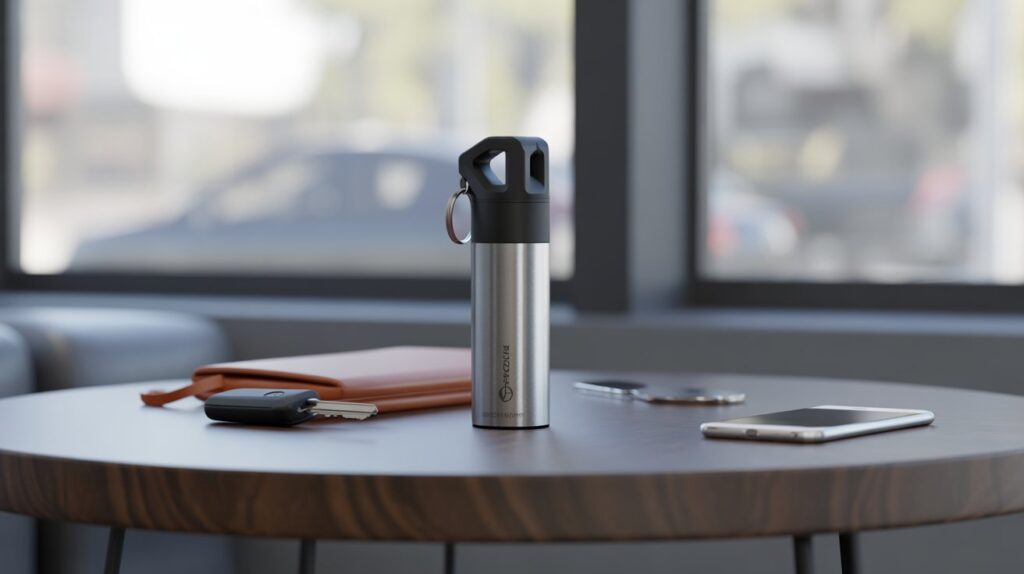
If you’ve ever walked to your car alone at night or waited for a late bus on an empty platform, you already understand why so many people carry pepper spray. It’s one of the few self-defense tools small enough for a pocket or keychain, yet strong enough to stop an attacker in their tracks and buy you the seconds you need to get away.
But owning pepper spray isn’t the same as knowing how to use it. Panic, wind direction, distance, even holding the canister at the wrong angle — any of these can turn a useful tool into a wasted one during a real threat.
This guide breaks down exactly how pepper spray works, how to use it step by step, what to do before and after an incident, and what U.S. law actually says about carrying it. Whether you’re buying your first canister or just want to sharpen what you already know, you’ll walk away ready to use it with confidence, not guesswork.
Table of Contents
What Is Pepper Spray and How It Works
Before you carry pepper spray, it helps to actually understand what’s inside that canister and why it works. At its core, pepper spray is a non-lethal defense tool that causes intense, temporary irritation to the eyes, skin, and airways — enough to stop an attacker without causing lasting harm.
What Is Pepper Spray?
Pepper spray, also called OC spray (Oleoresin Capsicum), comes from natural chili pepper extracts. On contact, it causes burning, temporary blindness, coughing, and difficulty breathing — effects that typically last 15 to 45 minutes, giving you a real window to escape and get help.
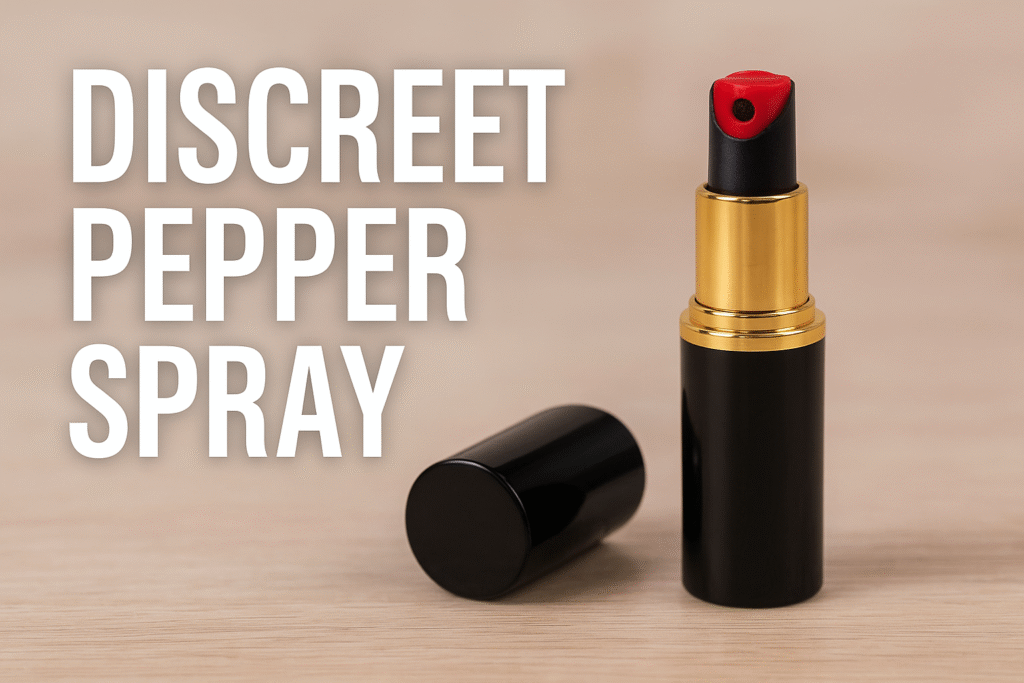
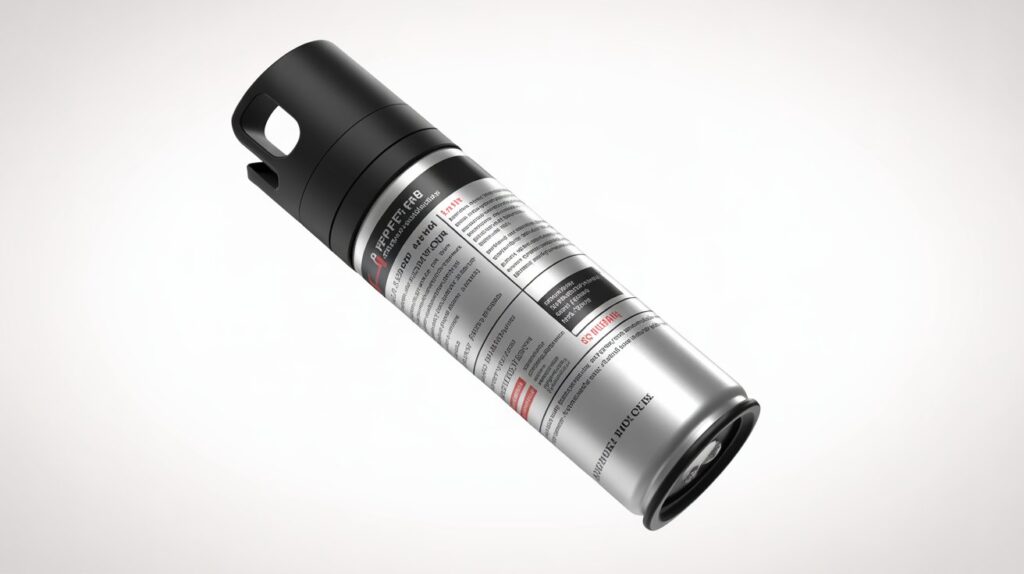
It comes in a few different formats: compact canisters, keychain units, and pepper spray guns for those who want a longer-range option.
How Does It Actually Work?
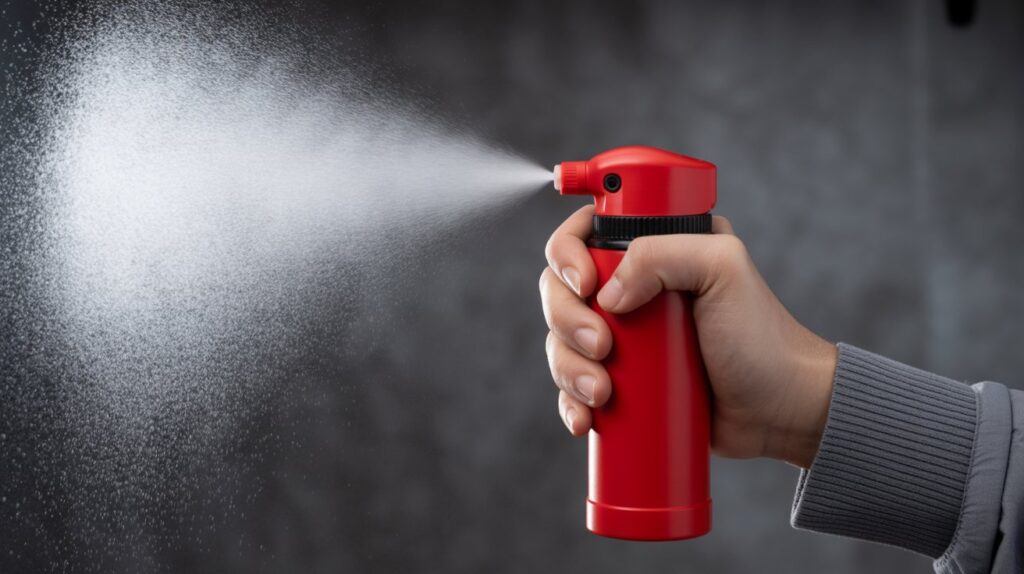
Pressing the trigger releases a fine mist or stream aimed at the attacker’s face. The active compound, capsaicin, inflames the mucous membranes on contact, causing sudden pain and disorientation — enough to break their focus and give you an opening to get away.
The effect wears off on its own, which is exactly what makes pepper spray a practical, low-risk choice compared to other self-defense tools.
Why This Matters Before You Use It
Understanding what’s happening in those first few seconds changes how you react under pressure. Once you know the mechanism, the technique — aim, distance, timing — starts to make a lot more sense, and that’s what actually determines whether it works when you need it.
Why Technique Matters More Than the Spray Itself
Carrying pepper spray isn’t the same as being prepared to use it. A lot of people buy a canister and never test it, never practice the draw, and end up fumbling in the one moment it counts. Getting the technique right — grip, distance, timing — is what actually determines whether you get those critical seconds to escape.
Common mistakes like spraying against the wind, holding the canister too close, or missing the target entirely can turn a useful tool into a liability. Regular practice and basic situational awareness are what close that gap between owning pepper spray and actually being protected by it.
Step-by-Step Guide: How to Use Pepper Spray Correctly
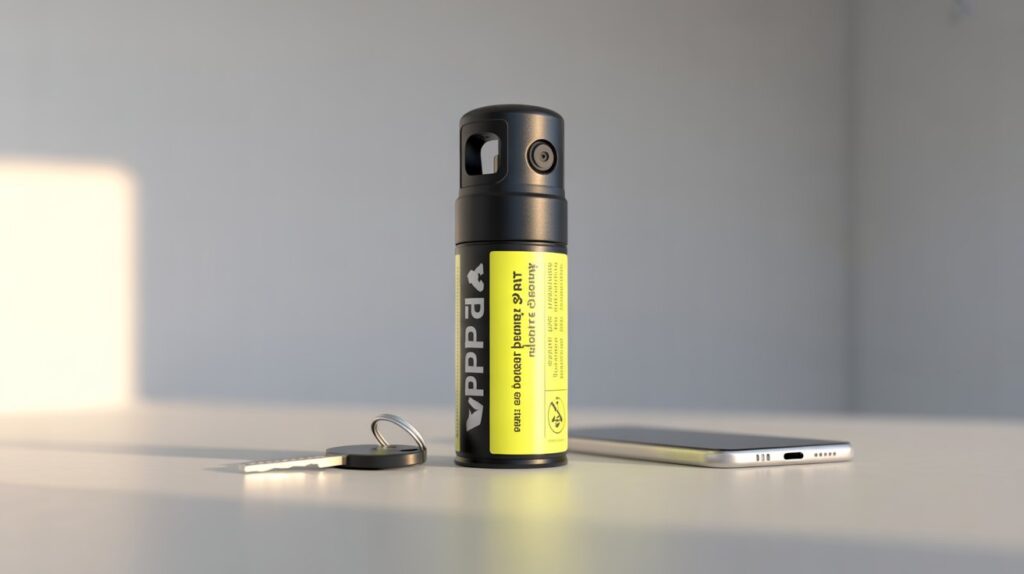
Below is a practical walkthrough for using pepper spray in a real threat situation. Run through these steps with an inert practice cartridge first, and always check your local laws before carrying — university and city police departments, like VCU Police, publish their own guidance on safe deployment worth reviewing too.
1. Prepare and check your device
- Confirm the expiration date, pressure level, and that the safety lock works.
- Carry it somewhere you can reach fast — holster, pocket, or purse.
- Practice the draw motion without firing until it’s automatic.
2. Stay aware and position yourself
- Track your exits, cover, and the attacker’s distance at all times.
- If there’s a barrier nearby — a car, a door — get it between you and the threat first.
3. Unlock and get a ready grip
- Only release the safety lock once you’re facing a genuine threat.
- Hold it firmly, two-handed or a steady one hand, so your aim doesn’t waver.
4. Aim for the face — especially the eyes
- If the attacker’s moving, aim slightly below the eyes; the spray rises into the face.
- Keep your arm extended, nozzle pointed straight at the head or face.
5. Keep the right distance
- Standard canisters are effective at roughly 6–12 feet; stronger units reach 10–25 feet — know your specific device.
- Stay far enough to stay safe, close enough for the spray to land.
6. Fire short bursts, not one long spray
- 1–2 bursts, about a second each, then pause and check the effect.
- Short bursts save product, cut down wind drift, and give you a chance to reassess.
7. Get away immediately after spraying
- Don’t wait around to see what happens — back away and head toward safety right away.
- Call 911 the moment you’re clear.
8. Watch for these common mistakes
- Spraying into the wind.
- Holding it too close (weak spread) or too far (missed target).
- Using it indoors unless there’s truly no other option — it affects you too in tight spaces.
9. Aftercare and reporting
- If you or a bystander gets exposed by accident, get to fresh air and rinse with clean water.
- Report the incident to police and hold onto any evidence — clothing, footage, anything relevant.
10. Train and maintain regularly
- Rebuild muscle memory with inert training cartridges.
- Swap out expired canisters and check the seal and pressure every so often.
In short: using pepper spray well comes down to checking your gear, aiming for the face at a safe distance, firing controlled bursts, retreating fast, and reporting what happened. That’s what actually makes the difference in a real situation.
Safety Precautions: Before and After Using Pepper Spray
Carrying pepper spray only helps if you also know how to handle it right — before you ever need it, and in the minutes after you do. A few basic habits make the difference between a spray that works when it counts and one that fails you.
Before You Ever Need It
- Check the expiration date. An expired canister loses pressure and won’t perform the way it’s supposed to.
- Test it outdoors first. Fire a quick burst in an open space, away from people and pets, just to confirm it’s working.
- Know which way the wind is blowing. Spraying against the wind sends it straight back at your own face.
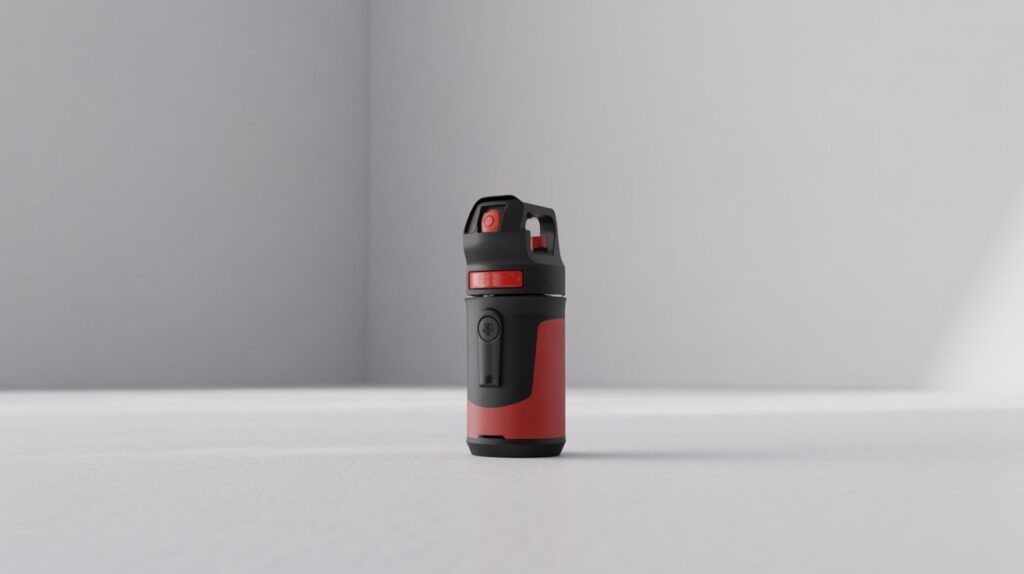
- Keep it within reach. A pocket or keychain holster works well — just make sure the safety lock stays engaged until you actually need it.
- Tell the people you live with where it’s kept. If it’s stored at home, family members should know where and how to handle it safely.
After You’ve Used It
- Get to fresh air right away. Don’t linger in the area — move clear of any lingering spray.
- Call for help once you’re safe. Contact emergency services or campus/local security as soon as you’re out of danger.
- Handle any exposure carefully. If it lands on skin or eyes, rinse gently with cool water and resist the urge to rub — the American Academy of Ophthalmology’s clinical guidance on managing eye exposure is worth knowing if symptoms don’t improve.
- Replace what you used. Swap in a fresh canister right away so you’re never caught without one.
- Debrief afterward. Think through what happened and use it to sharpen how you’d handle it next time.
Getting these habits right — before and after — is what keeps pepper spray reliable exactly when you need it most.
Legal Considerations in the United States
Pepper spray is legal to carry for personal protection across most of the U.S., but “legal” doesn’t mean “legal everywhere, in any amount, under any circumstance.” Rules shift from state to state — sometimes city to city — covering who can carry it, how large a canister you’re allowed, and where you can take it. This isn’t legal advice, just a starting point before you buy or travel with one.
Laws Vary by State
Some states barely regulate pepper spray at all. Others cap container size, restrict where you can buy it, or set a minimum age. Local ordinances can add another layer on top of state law. Since these rules shift over time, it’s worth double-checking your state’s current requirements before you carry.
Places Where It’s Often Restricted
Even in states where pepper spray is fully legal, certain locations ban it outright:
- Government buildings
- Airports and secure travel zones — the TSA’s own guidance spells out exactly what’s allowed in checked versus carry-on baggage
- Schools and college campuses
- Courthouses
- Private businesses with posted no-weapons policies
Check the posted rules before you walk in anywhere on this list.
Self-Defense Only — Nothing Else
Pepper spray exists for one purpose: stopping a genuine threat. Deploying it in an argument, as a prank, to intimidate someone, or against a person who isn’t actually endangering you can expose you to criminal charges or a civil lawsuit. Reasonable necessity is the legal bar — not convenience or anger.
Stick to Reputable Sellers
Buy from brands that clearly label their product with ingredients, expiration date, and usage instructions. Skip anything unmarked or vague about what’s actually inside — that’s usually a sign of a low-quality or unregulated product.
Laws Change — Recheck Periodically
What’s legal today in your state might not be next year. A quick check of current state and local rules every so often keeps you compliant without any surprises.
Traveling Between States? Check Both Ends
If you’re crossing state lines with pepper spray, look up the rules at your departure point and your destination separately — the gap between two states’ laws can be bigger than people expect.
Practicing for Real-Life Situations
Understanding how to properly use pepper spray is only half the battle—practicing for real-life situations is what builds confidence and ensures quick, effective reactions under pressure. In a stressful moment, your body relies on muscle memory, not just knowledge.
Practice With Inert Sprays
Start by using inert training canisters—these are practice sprays without the active ingredient. They allow you to safely rehearse aiming, spraying, and moving away without risk. Practice outdoors, in an open space, and simulate realistic distances of 6–12 feet.
Rehearse Situational Awareness
Before you ever spray, train yourself to stay alert. Practice identifying exits, scanning your surroundings, and keeping your pepper spray accessible. Awareness helps you recognize threats early, giving you time to act safely.
Simulate Real Scenarios
Work with a trusted friend to create mock scenarios. Practice drawing your pepper spray quickly, aiming for the attacker’s face, spraying short bursts, and retreating. The more realistic your training, the better you’ll perform in an actual emergency.
Build Confidence Through Repetition
Consistency is key. Rehearse the same movements regularly until they feel natural. This repetition ensures that when the time comes, you won’t freeze or fumble—you’ll know exactly how to properly use pepper spray with confidence and control.
Practicing regularly turns knowledge into instinct. With the right training, quick reaction, and smart awareness, you’ll be fully prepared to protect yourself effectively in any real-life situation.
Maintenance and Storage Tips
Part of knowing how to properly use pepper spray is keeping it well-maintained and stored safely. A poorly kept canister might fail when you need it most, so regular care is essential.
Regular Maintenance
- Check the expiration date: Pepper spray usually lasts 2–4 years. Replace it once expired to ensure full pressure and effectiveness.
- Inspect for damage: Look for cracks, leaks, or corrosion around the nozzle and safety cap.
- Test occasionally: Spray a quick burst outdoors (away from people and pets) every few months to confirm it still works properly.
Smart Storage
- Keep it in a cool, dry place: Avoid storing it in direct sunlight or inside a hot car, as extreme temperatures can affect pressure.
- Secure but accessible: Store it where children can’t reach, but where you can grab it quickly in an emergency.
- Carry properly: Use a keychain, holster, or bag clip designed for pepper spray to prevent accidental discharge.
Caring for your pepper spray the right way ensures that it works effectively when needed. Remember, how to properly use pepper spray isn’t just about technique—it’s also about keeping your device reliable and ready at all times.
Alternatives & Additional Safety Tools
Pepper spray is effective, but relying on just one tool leaves gaps. The safest approach layers a few different tools together, so you’re never left with just one option if something doesn’t go as planned.
Personal Alarms
A personal alarm does one simple thing extremely well: it makes noise. Pull the pin or hit the button and it lets out a piercing sound loud enough to startle an attacker and pull attention from anyone nearby. Paired with pepper spray, it means you’re not just creating distance — you’re also making the situation impossible to ignore. Curious how these actually work? We cover the mechanics in our guide to how personal alarms work.
Tactical Flashlights
A high-lumen flashlight does more than light your path — a sudden burst of bright light in someone’s eyes can disorient them for a second or two, which is often all the time you need. It’s especially useful at night or in parking garages, stairwells, and other low-light spots where visibility is already working against you.
Mobile Safety Apps
Your phone can quietly back up your physical tools. Safety apps let you fire off an SOS alert, share your live location, or notify emergency contacts within seconds — useful in moments when reaching for a physical device isn’t practical or possible.
Training and Situational Awareness
None of these tools matter much without the awareness to use them in time. Recognizing a threat early, staying alert to your surroundings, and knowing how to stay calm under pressure is what turns a toolkit into actual protection. Training builds the instinct to act instead of freeze.
Why Layering Multiple Tools Works
Each tool covers a different gap:
- Pepper spray creates physical distance
- Alarms draw outside attention
- Flashlights buy you visibility and a second of disorientation
- Training sharpens your reaction when it counts
Combined, they give you more than any single tool could on its own — a real, working safety system rather than a single point of failure.
Always confirm what’s legal to carry in your state before adding any of these tools to your routine.
FAQs
1. How far can pepper spray actually reach?
Most personal canisters spray effectively up to 6–12 feet, while stronger pepper spray guns can reach 25 feet — always check your product’s label for its exact range.
2. Can pepper spray be used safely in windy conditions?
It’s best avoided against the wind, since it can blow back toward you; if unavoidable, angle your body sideways and aim slightly lower.
3. Is carrying pepper spray legal in every U.S. state?
It’s legal in most states, but size limits, strength restrictions, and purchase rules vary — always confirm your local laws before carrying one.
4. How long does pepper spray last before it expires?
Most canisters remain effective for 2–4 years; replace yours right away if it’s expired, damaged, or shows signs of leaking.
5. What’s the first thing to do if you’re accidentally exposed?
Move to fresh air immediately, keep your eyes open to let tears flush it out, and rinse gently with cool water without rubbing.
Conclusion
Knowing how to use pepper spray correctly is one of the simplest ways to boost your everyday safety — and it only matters if the knowledge is actually there when you need it. Used right, it buys you the few critical seconds needed to get away from a dangerous situation.
Understanding how it works, practicing the technique, and staying alert to your surroundings all add up to a calmer, more effective response under pressure. And pepper spray works best as part of a bigger plan — pairing it with other tools and habits gives you more than one layer of protection when it counts. If you’re building out a fuller toolkit, our self-defense kit guide for women walks through what else is worth carrying alongside it.
Preparation is really what this comes down to. Staying aware, practicing until it’s second nature, and using pepper spray responsibly puts you in a far stronger position to protect yourself — and the people around you — when it matters most.