Introduction
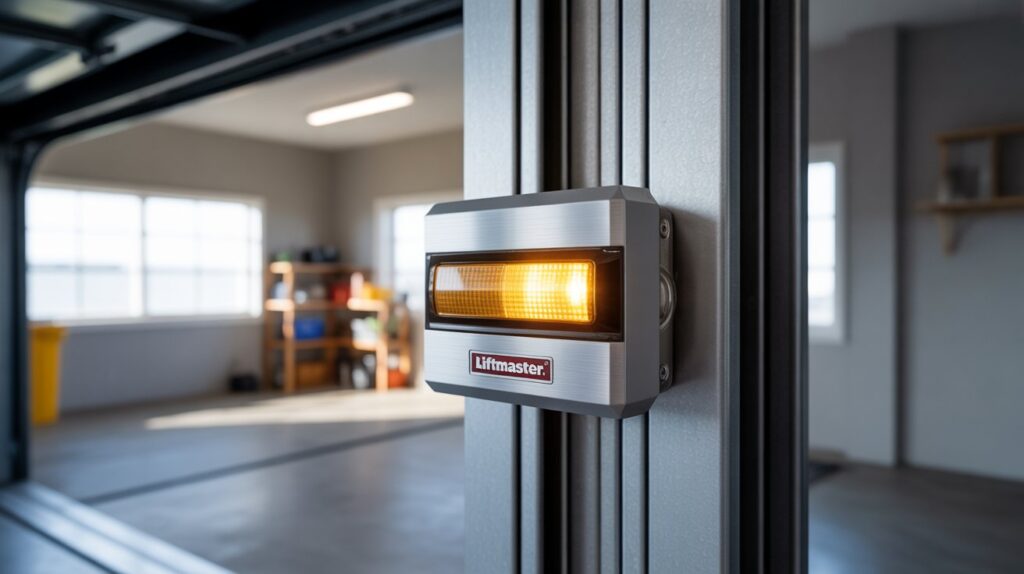
Have you ever pressed your garage door remote, only to watch the door stop halfway with that stubborn orange light glowing on the sensor? It’s frustrating—and a little worrying. That small indicator isn’t just a random glitch; it’s your system’s way of saying something needs attention.
Understanding how to fix orange light on garage door sensor isn’t just about convenience—it’s about safety. In busy U.S. households, a malfunctioning sensor can stop your door from closing properly, strain your opener, or even create a safety risk for children, pets, or vehicles.
In this guide, we’ll walk you step by step through simple, effective fixes, explain why the orange light appears, and show you how to prevent future issues. By the end, you’ll have the knowledge and confidence to restore your garage door to smooth, reliable operation—and protect what matters most.
Table of Contents
That Orange Light Isn’t Random — Here’s What It’s Trying to Tell You
You press the remote… the garage door starts to move… then suddenly stops. You try again. Nothing. That small orange light on the sensor keeps glowing, and now you’re left wondering what just went wrong.
Here’s the truth most homeowners don’t realize: that light isn’t random. It’s your system’s way of warning you. When you’re dealing with how to fix orange light on garage door sensor, you’re not just fixing a minor glitch—you’re responding to a built-in safety signal. Modern garage door sensors in the U.S. are designed to prevent accidents, and that orange light usually means something is blocking, misaligned, or not working the way it should.
Think about it in real-life terms. If the sensors can’t “see” each other clearly, your garage door assumes something might be in the way—a car, a pet, or even a child. So it stops. That’s not a malfunction; it’s protection doing its job.
Ignoring this issue might seem harmless at first, especially if the door still opens occasionally. But over time, a simple sensor problem can turn into:
- Inconsistent door behavior (opening but not closing properly)
- Extra strain on the opener motor
- Higher repair costs if parts wear out faster
Worse, it can create a real safety risk. A faulty or ignored sensor can fail when you actually need it most.
The good news? Once you understand what that orange light is trying to tell you, fixing it becomes much easier—and in most cases, you can handle it yourself without calling a technician.
What the Orange Light on a Garage Door Sensor Actually Means
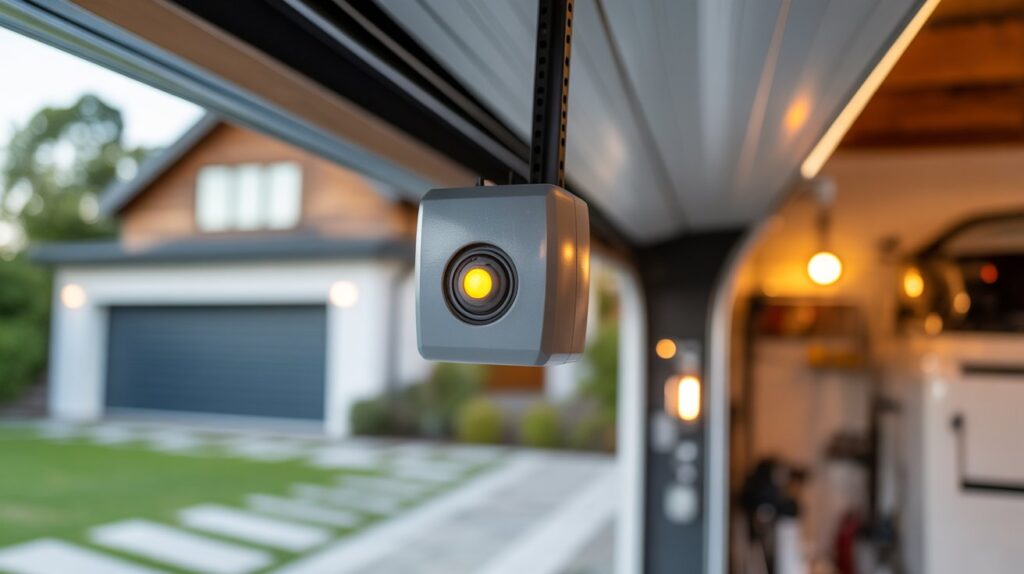
If you’re trying to understand how to fix orange light on garage door sensor, the first step is knowing what that light actually represents. Garage door sensors aren’t complicated, but their signals matter. In most U.S. systems, you’ll see two small lights—usually one green and one orange (or amber). Each one tells you something specific about how your system is working.
The green light typically means everything is aligned and functioning correctly. It’s the “all clear” signal. The orange light, on the other hand, is more of a warning. It shows that the sending sensor has power, but it doesn’t always guarantee that the connection between both sensors is stable.
In simple terms, when the orange light becomes your focus, it often points to one of these common issues:
- The sensors are slightly out of alignment and not facing each other properly
- Something is blocking the invisible beam between them
- There’s a loose wire or minor electrical issue affecting the signal
This is very common in American homes, especially in busy garages where things move around a lot—trash bins, tools, bikes, or even dust buildup can interfere without you noticing. Even a small bump to the sensor can shift its position just enough to break the connection.
The key thing to understand is this: the orange light doesn’t always mean something is broken. Most of the time, it means something is off. And once you identify whether it’s alignment, obstruction, or wiring, you’re already halfway through fixing the problem.
Step-by-Step Guide to Fix the Orange Light Issue
If you’re dealing with how to fix orange light on garage door sensor, the good news is most fixes are simple and don’t require a professional. In many U.S. homes, this issue comes down to small, easy-to-miss problems. Follow these steps one by one, and you’ll likely get your garage door working smoothly again.
Check for Dirt, Dust, or Obstructions
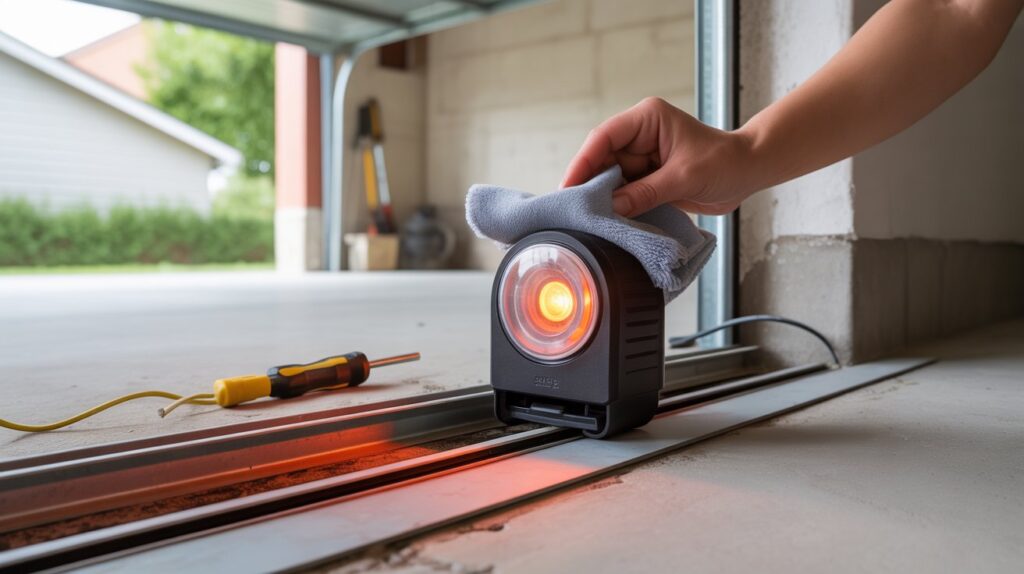
Sometimes the problem is right in front of you—but easy to overlook. Garage environments collect dust, spider webs, and debris that can block the sensor’s invisible beam.
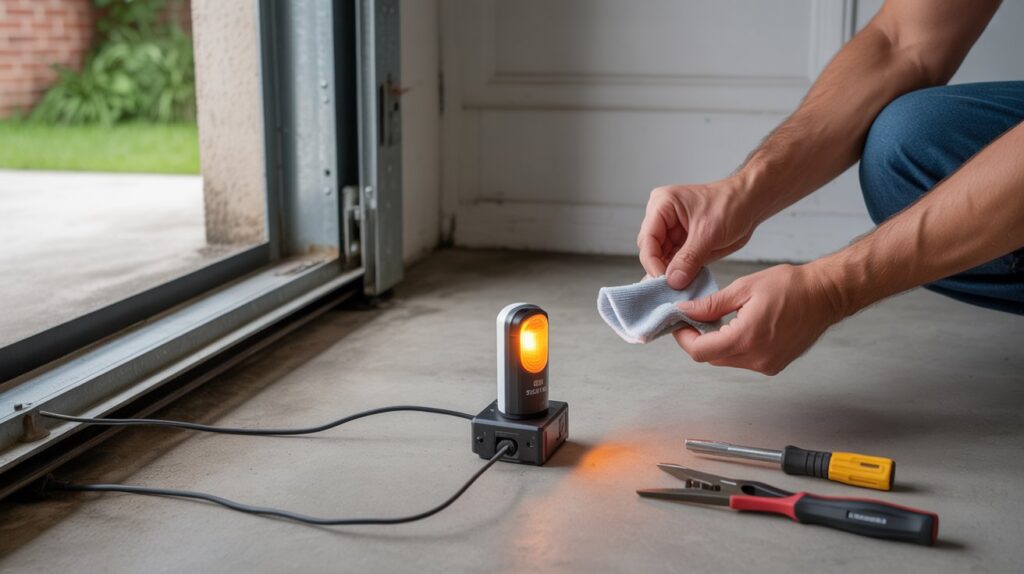
- Wipe both sensor lenses gently with a clean, dry cloth
- Remove any objects near the bottom of the door (tools, boxes, trash bins)
- Look for cobwebs or dirt buildup around the sensor area
Even a thin layer of dust can interrupt the signal, causing that orange light to stay on.
Realign the Sensors Properly
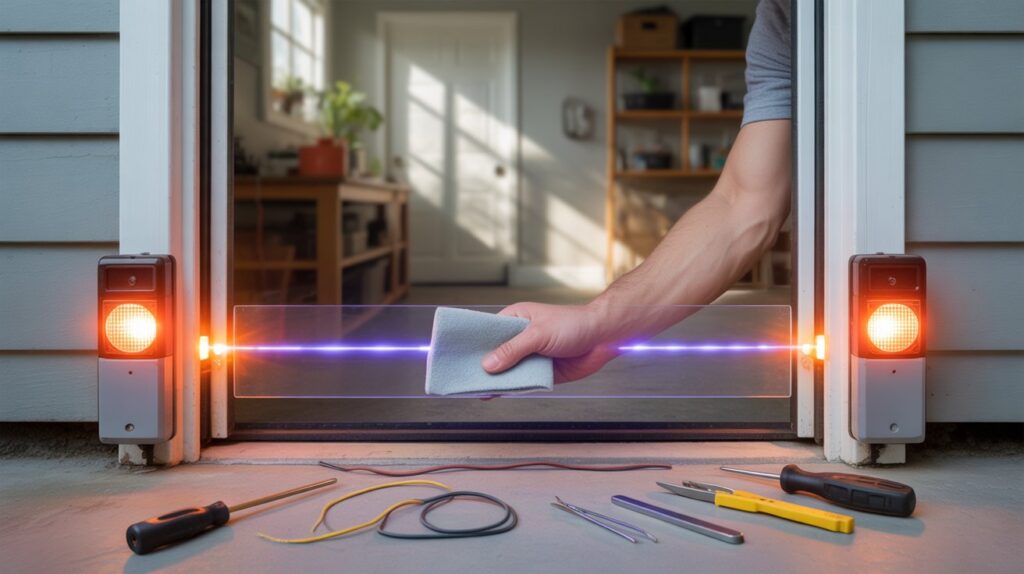
Misalignment is one of the most common reasons behind this issue. If the sensors aren’t facing each other directly, the system won’t work correctly.
- Check if both sensors are pointing straight at each other
- Loosen the bracket slightly and adjust until the lights stabilize
- Tighten the sensors once both lights appear steady (no flickering)
A small shift—sometimes less than an inch—can make all the difference.
Inspect Wires and Connections
If cleaning and alignment don’t solve the issue, the next step is checking the wiring. Over time, wires can loosen or get damaged, especially in active garages.
- Look for frayed, pinched, or disconnected wires
- Make sure all connections are secure at both the sensor and opener
- Check for signs of wear caused by moisture or pests
If something looks off, it may need a simple reconnection—or in some cases, a wire replacement.
Reset the Garage Door System
Sometimes, your system just needs a fresh start. A reset can clear minor glitches and restore proper function.
- Unplug the garage door opener from the power outlet
- Wait about 30–60 seconds
- Plug it back in and test the door again
This step is quick but surprisingly effective, especially if the issue started suddenly.
When the Problem Isn’t So Simple
- If you’ve tried basic fixes and the issue remains, you may be dealing with faulty sensors or internal damage
- Sensors can wear out over time, especially in high-use garages across U.S. homes
- Cracked lenses or burned-out internal components can keep the orange light on permanently
- Weather plays a bigger role than most people think
- Heavy rain, snow, or humidity can affect sensor performance and wiring connections
- Moisture buildup may cause signal disruption or corrosion in sensitive parts
- Extreme temperature changes can slightly shift alignment or weaken connections
- If you’re still searching for how to fix orange light on garage door sensor after multiple attempts, replacement may be the smarter choice
- Constant issues, flickering lights, or total failure are signs the sensors are no longer reliable
- Replacing sensors is often more cost-effective than repeated repairs
- Newer sensor models offer better accuracy, durability, and long-term safety for your garage system
How to Prevent Sensor Problems in the Future
Keeping your garage door sensors in top shape is easier than you might think. A few simple habits can prevent the frustrating orange light from appearing and ensure your system works safely year-round. Here’s what homeowners in the U.S. can do:
- Clean the sensors regularly – Wipe the lenses with a soft cloth to remove dust, dirt, and spider webs that can block the beam.
- Check alignment monthly – Ensure both sensors face each other directly and that no objects are in the path of the beam.
- Inspect wiring and connections – Look for loose or frayed wires and secure them as needed to prevent signal issues.
- Monitor for weather effects – After heavy rain, snow, or humidity, quickly check sensors for moisture or misalignment.
- Test your garage door operation – Open and close the door at least once a month to make sure everything responds correctly.
- Replace worn parts promptly – Don’t ignore flickering lights or intermittent sensor failures; addressing them early avoids bigger repairs.
By following these simple maintenance steps, you’ll reduce the risk of the orange light coming back, keep your garage door functioning reliably, and protect your home and family from unexpected malfunctions.
Conclusion
The orange light on your garage door sensor isn’t just a small annoyance—it’s a warning, a reminder that safety matters. By understanding how to fix orange light on garage door sensor, checking for obstructions, realigning sensors, inspecting wiring, and practicing simple maintenance, you’re not just keeping your door working—you’re protecting your home and family.
Take a moment to reflect: every small effort you make to maintain your garage system today prevents bigger problems tomorrow. A little attention now brings peace of mind that lasts year-round. Safety isn’t optional—it starts with noticing the signs and acting on them.
FAQs
Q1: Why is my garage sensor light orange?
A: An orange light usually signals misalignment, obstruction, or wiring issues preventing the sensors from communicating properly.
Q2: How do I reset garage door sensors?
A: Unplug the garage opener for 30–60 seconds, then plug it back in and test the sensors to restore normal operation.
Q3: Why is one garage door sensor yellow and the other green?
A: The green sensor shows proper alignment, while the yellow/orange sensor indicates a warning or blocked signal.
Q4: How to get garage door sensor back to green?
A: Clean the lenses, realign the sensors, and ensure all wires are secure to restore the green “all clear” light.
Q5: Why is my garage sensor not bright green?
A: Dull or flickering green lights often mean slight misalignment, dirty lenses, or low sensor power.
Q6: What happens if sensors fail completely?
A: The door may stop closing, reverse unexpectedly, or become a safety hazard, requiring repair or replacement.
Q7: What are the three common causes of sensor failure?
A: Misalignment, obstructions, and damaged or loose wiring are the most frequent causes of sensor issues.
Q8: What are the first signs of sensor failure?
A: Flickering lights, inconsistent door operation, or failure to close are early warning signs.
Q9: How long should sensors last?
A: Most garage door sensors last 8–12 years with proper care, depending on usage and environmental conditions.