Introduction
Have you ever walked alone at night and suddenly felt your heartbeat rise — just hoping you had something, anything, to make you feel safe? You’re not alone. Millions of people carry small safety devices every day, but very few truly understand how does a personal alarm work or why this tiny tool can create such a huge sense of protection.
Imagine a simple device in your hand — no strength needed, no training required — yet powerful enough to stop an attacker, alert everyone around you, and give you the precious few seconds that could change everything. This guide will help you feel prepared, confident, and in control of your safety.
Table of Contents
What Is a Personal Alarm?
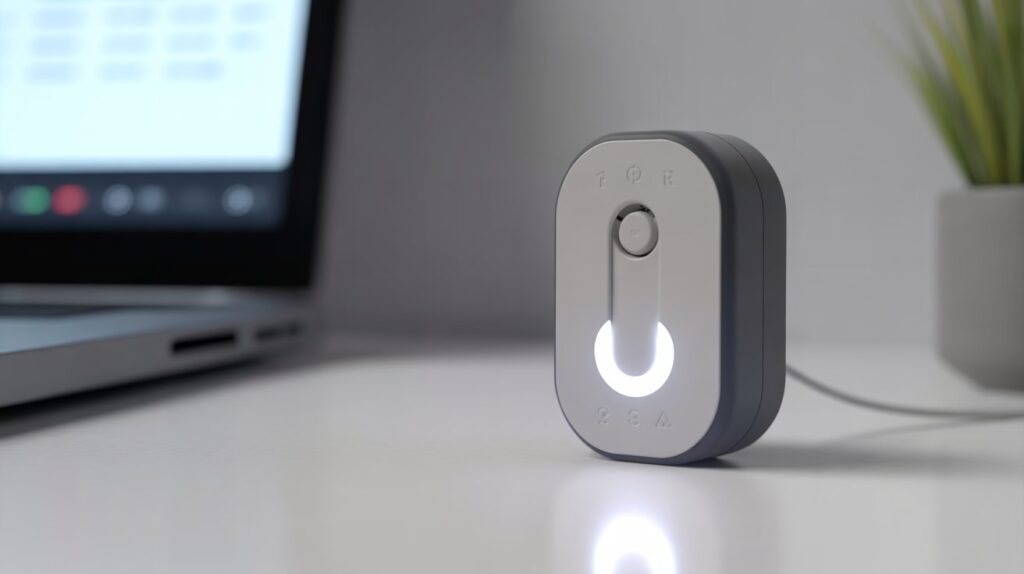
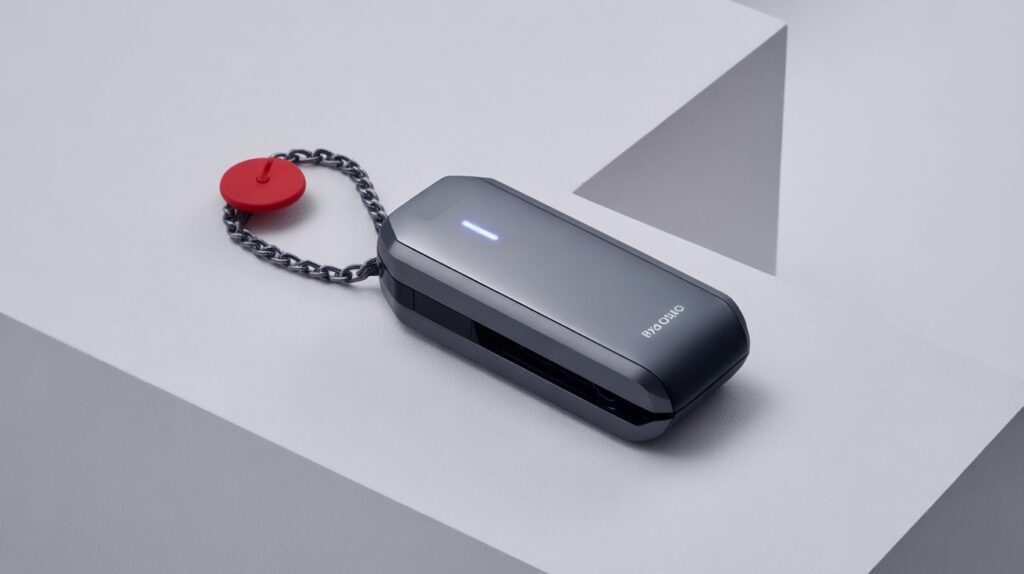
A personal alarm is a small, lightweight safety device designed to produce an extremely loud sound—often between 120 dB and 140 dB—to startle an attacker and attract immediate attention.
These devices are simple, legal, non-lethal, and suitable for people of all ages, including teens, college students, travelers, and seniors.
Common Features
- Loud siren
- Pull-pin or button activation
- LED light (in many models)
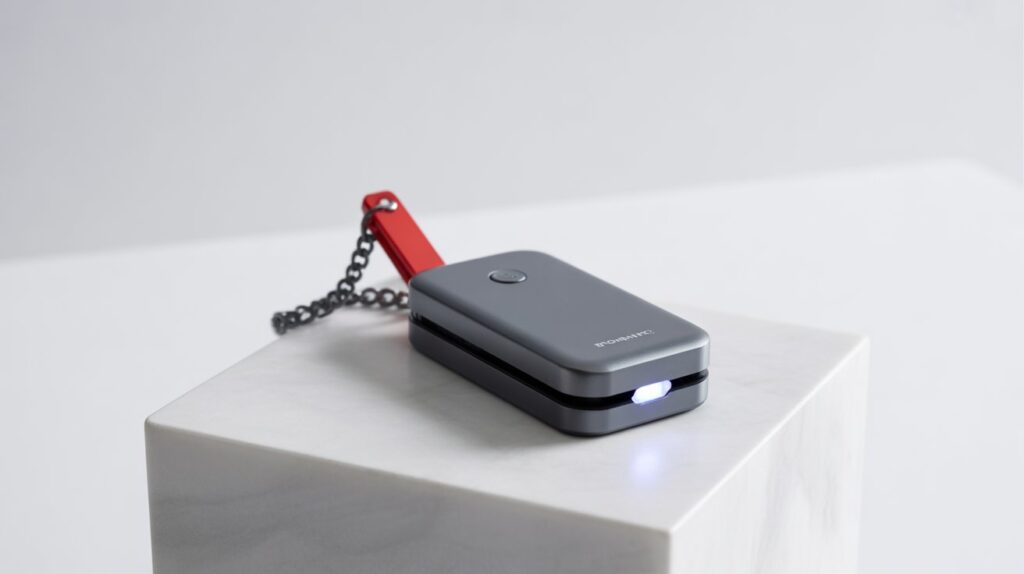
- Keychain or bag attachment
- Compact, pocket-friendly design
- Replaceable batteries
Personal alarms work on the principle of deterrence — creating fear, shock, and attention that forces an attacker to step back.
How Does a Personal Alarm Work? (Step-by-Step Explanation)
To understand how does a personal alarm work, let’s break down its internal mechanism.
1. Activation System
Most personal alarms activate through:
- Pull-pin design: Removing the pin instantly triggers the siren.
- Press-button design: A simple button press starts the alarm.
This fast, low-effort activation method ensures immediate response during stressful situations.
2. Internal Sound Chamber
Once activated:
- The device’s internal sound chamber begins vibrating.
- High-frequency sound waves are generated.
- The alarm emits a piercing, continuous siren heard from long distances.
The sudden loud noise shocks attackers and draws attention from people nearby.
3. Power Source
Personal alarms usually run on:
- LR44 button batteries
- CR2032 batteries
- AAA batteries
These batteries last months to over a year in standby mode.
4. Continuous Sound Until Deactivated
The alarm continues sounding until:
- The pin is reinserted, or
- The button is switched off
This continuous output ensures the attacker cannot easily silence the device.
Why Personal Alarms Are So Effective
Understanding how does a personal alarm work becomes even more powerful when you know why they work so well.
1. Extremely Loud Sound Causes Panic
A 130 dB siren is as loud as a jet engine — loud enough to:
- Shock and confuse an attacker
- Draw instant public attention
- Give you time to escape
2. No Skill or Strength Required
Unlike pepper spray, stun guns, or self-defense training:
- Personal alarms work instantly
- No force, aim, or accuracy needed
3. Legal Almos t Everywhere
Because they are non-lethal, personal alarms are legal in:
- Schools (with limitations)
- Workplaces
- Public places
- Airports (checked baggage)
- Most countries
4. Works for All Age Groups
Perfect for:
- Children walking to school
- Women commuting alone
- Joggers
- Senior citizens
- Travelers
- Students
Types of Personal Alarms
Understanding the different types helps you choose the right one:
1. Keychain Personal Alarm
Small, easy to carry, and the most popular choice.
2. Personal Alarm with LED Light
Ideal for night walks and dark parking areas.
3. Wristband Personal Alarm
Perfect for joggers, runners, and cyclists.
4. Smart Bluetooth Personal Alarm
Connects with mobile apps to share your location instantly.
All types follow the same basic mechanism — the same principle behind how does a personal alarm work.
When Should You Use a Personal Alarm?
Use your alarm when you:
- Feel followed
- Notice suspicious behavior
- Need immediate attention
- Face harassment or danger
- Are lost or require help
Pro Tip:
Trigger the alarm and immediately move away from the threat while seeking help.
How to Carry a Personal Alarm for Maximum Safety
- Keep it on your keychain for quick access
- Clip it on the outside of your bag
- Carry it in an easily reachable pocket
- Hold it during night walks or when feeling unsafe
Accessibility is key — you should never have to search for it in an emergency.
Common Myths About Personal Alarms
Myth 1: Attackers aren’t scared of loud sounds.
Truth: Humans are naturally startled by sudden noise — it disrupts their plans instantly.
Myth 2: Personal alarms only work indoors.
Truth: 120–140 dB sirens travel far, even in open areas.
Myth 3: They are complicated to use.
Truth: A single pull or tap activates them — no training required.
Conclusion
A personal alarm may look small, but its impact is powerful. Once you understand how does a personal alarm work, you realize how this tiny device can give you confidence, protection, and a crucial moment to escape danger. With loud sound, zero training needed, and universal legality, it’s one of the smartest safety tools you can carry today.
A single second can change everything — and sometimes, a loud alarm is all you need to protect yourself.
FAQS
1. How does the personal alarm work?
A personal alarm works by emitting a loud siren or sound when activated, which shocks attackers and attracts attention instantly.
2. Are personal alarms effective?
Yes, personal alarms are highly effective in deterring threats and giving you crucial seconds to escape safely.
3. Do you need a phone line for a personal alarm?
No, most personal alarms work independently and don’t require a phone line or network connection.
4. Personal alarm that contacts family?
Some smart personal alarms can send alerts or your location to family members via mobile app or Bluetooth connectivity.
5. Is a personal alarm better than pepper spray?
Both are great, but alarms are easier to use and work instantly without aiming.