Introduction
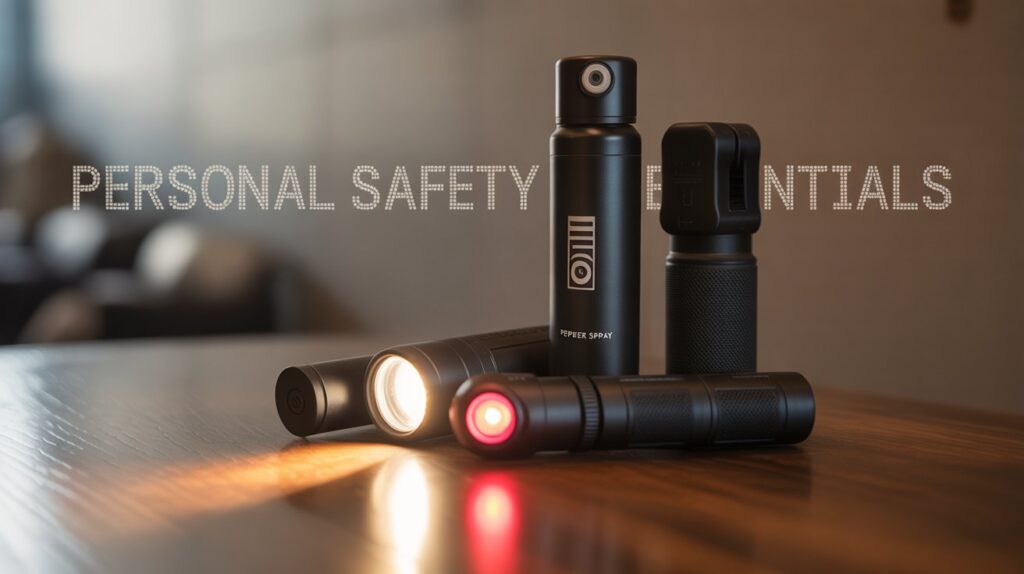
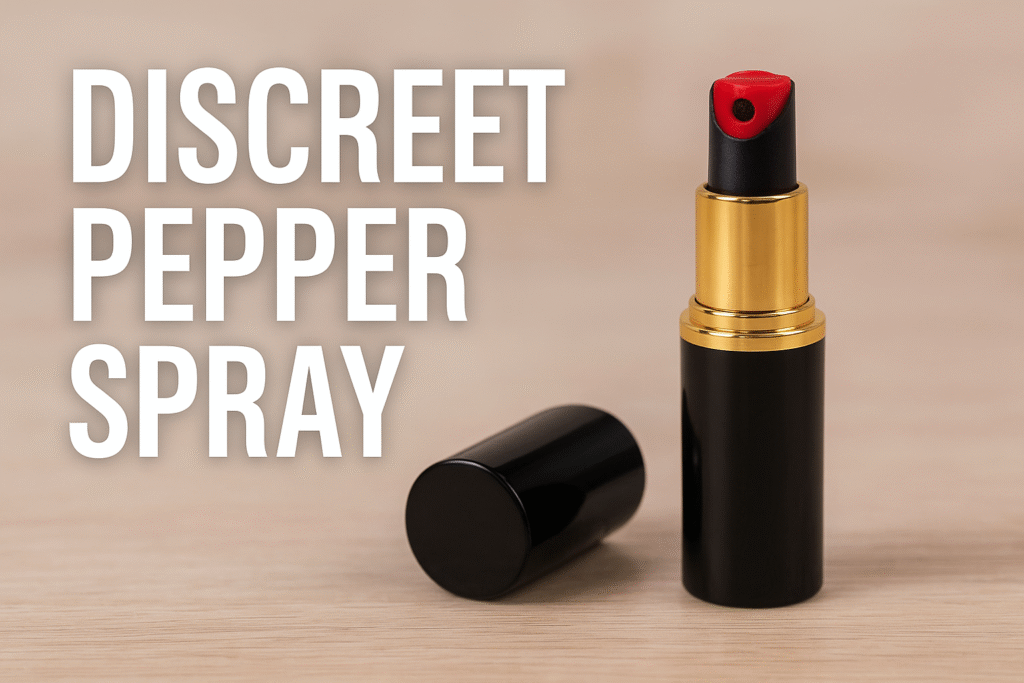
Understanding safety tips for a pepper spray gun for self-defense is important before carrying or using this type of defensive device. Its grip, trigger, and spray mechanism may differ from standard pepper spray, so proper handling and storage are essential.
This guide covers key safety precautions, handling tips, and legal considerations to help you use this type of product responsibly. U.S. laws can vary by state and local jurisdiction, so always check the rules that apply to your area.
Table of Contents
What Is a Pepper Spray Gun?
A pepper spray gun for self-defense is a non-lethal personal protection device built to stop an attacker temporarily rather than cause lasting harm. Unlike a traditional pepper spray canister, which releases a quick aerosol burst, a pepper spray gun is shaped like a small handgun and fires pressurized cartridges over a much longer distance.
This design lets you respond to a threat without closing the gap between you and the attacker. Once fired, it releases oleoresin capsicum (OC) — a natural compound extracted from hot chili peppers — causing intense eye burning, coughing, and temporary disorientation. That reaction buys you the seconds needed to get away or call for help.
Key Features
- Extended Range: Reaches 10–25 feet, well beyond a standard canister.
- High Accuracy: Gun-style grip improves aim under stress.
- Non-Lethal: Built to incapacitate, not injure.
- Beginner-Friendly: Simple trigger action requires no prior training.
Why It Matters
A pepper spray gun sits between basic aerosol sprays and firearms — offering more control and distance than a canister, without the legal weight or risk of owning a gun. That makes it one of the more practical self-defense options available across most U.S. states.
How Does a Pepper Spray Gun Work?
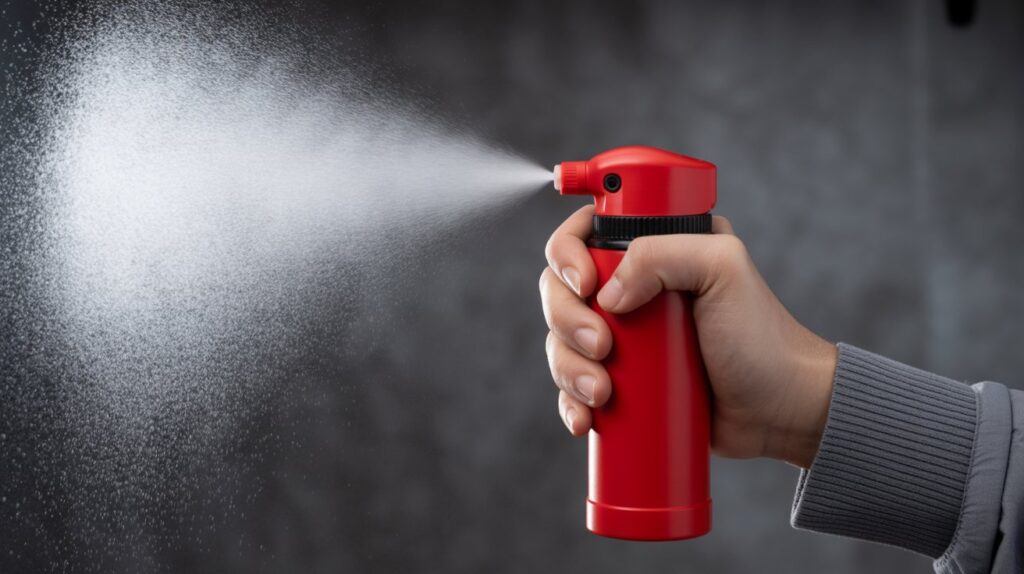
Once loaded, a pepper spray gun fires through a simple sequence that’s designed to work fast under pressure. A pressurized cartridge filled with OC solution locks into the device — some models use single-use cartridges, while others accept reloadable ones for repeated use. The pistol-style grip and built-in sights let you aim with more control than a standard canister allows, which matters when adrenaline is running high. Pulling the trigger opens a valve that forces the OC solution out in a stream, cone, or fog pattern depending on the model, and once it reaches the attacker’s face, it causes immediate eye burning, coughing, tearing, and temporary disorientation. That reaction is what buys you the window to move away, call 911, or get somewhere safe.
On the technical side, a few factors decide how well the device performs. A focused stream gives better accuracy at longer range, while a cone or fog pattern trades some precision for wider coverage — useful if you’re not confident in your aim under stress. Most units reach 10–25 feet depending on cartridge pressure and nozzle design, and a small charge of compressed gas is what pushes the OC out consistently shot after shot. Reloadable models let you replace just the cartridge, while single-use versions need full replacement after firing.
Key technical points (easy to understand)
- Spray pattern: Different guns produce a focused stream (more accuracy) or a cone/fog (covers a wider area).
- Range: Typical effective ranges are roughly 10–25 feet depending on model — much farther than small aerosol canisters.
- Activation & safety: Most units include safety locks or safety switches to prevent accidental discharge. Some require a two-step action to fire.
- Refillability: Some pepper spray guns are reloadable with new cartridges; others are single-use and must be replaced after firing.
- Propellant & pressure: A small propellant (compressed gas) pushes the OC out. Proper pressure ensures consistent range and spray pattern.
Safety and performance tips
- Always point away from yourself when testing or carrying.
- Practice aiming (without firing) to build muscle memory.
- Replace cartridges before their expiration date; performance drops with old cartridges.
- Be aware of wind direction — spray can blow back and affect you.
- Check local laws before carrying a pepper spray gun for self defense.
Benefits of Using a Pepper Spray Gun for Self-Defense
A pepper-based defensive device can be an option for personal safety when used responsibly and according to local laws. Its design may provide a different handling experience from traditional aerosol canisters, making it important to understand the product’s operation, limitations, and safety precautions before carrying it.
1. Non-Lethal Protection
A pepper spray gun disables an attacker temporarily — causing intense irritation to the eyes, skin, and airways — without inflicting lasting harm. According to a National Institute of Justice report on OC spray, oleoresin capsicum incapacitates by causing swelling of the mucous membranes lining the breathing passages, temporarily restricting breathing without permanent injury.
2. Extended Range and Accuracy
Traditional pepper spray canisters typically reach 6–10 feet, while a pepper spray gun can hit targets up to 25 feet away. The gun-style grip also improves aim, even when your hands are shaking under stress.
3. Easy to Use and Handle
The trigger mechanism is simple enough for someone with zero self-defense training to use correctly on the first try. A built-in safety lock prevents accidental discharge, making it practical for daily carry.
4. Effective Against Multiple Threats
Whether you’re walking alone, jogging, or driving, a pepper spray gun works against both human attackers and aggressive animals like stray dogs — its wider coverage area helps in fast-moving or multi-threat situations.
5. Legal in Most U.S. States
Owning and carrying a pepper spray gun is legal across most of the country, making it a common choice for people who prefer not to own a firearm. Local rules still vary, so checking your state’s regulations before carrying one is worth the five minutes it takes.
6. Builds Real Confidence
Having a reliable, non-lethal option on hand reduces the anxiety of walking alone or traveling at night — not because it guarantees safety, but because you’re not empty-handed if something goes wrong.
Summary
A pepper spray gun for self-defense combines affordability, legality, and real protective value — without the risks that come with lethal weapons. It’s a tool that works for nearly anyone, regardless of size, strength, or training level.
Safety Tips for Using a Pepper Spray Gun
A pepper spray gun for self-defense only works as well as the person using it. Most safety issues come down to unfamiliarity — not the device itself. A few minutes of preparation now can save critical seconds during an actual emergency.
1. Learn the Controls First
Know your trigger, safety lock, and cartridge mechanism before you ever need to rely on it. Dry-practice the motion a few times so your hands know what to do without thinking, the same way you’d build muscle memory for any other self-defense skill.
2. Keep the Safety Lock On
Leave the safety engaged whenever the device isn’t actively in use. This one habit prevents almost all accidental-discharge incidents.
3. Watch the Wind Outdoors
Wind direction matters more than most people expect — a strong gust can carry the spray back toward you instead of the target. Check wind direction before you need to act, not during.
4. Maintain Safe Distance
Pepper spray guns are built for range — use it. Firing from several feet away, rather than at arm’s length, gives you better accuracy and keeps you out of the spray’s backsplash zone.
5. Store It Properly
Heat and cold both degrade the cartridge’s pressure and potency over time. Keep it in a cool, dry spot, out of reach of children, and away from direct sunlight or a hot car dashboard.
6. Check Expiration Dates
An expired cartridge loses pressure and won’t spray as far or as strong. Set a reminder to check the date every few months — this is the step people skip most often.
7. Know Local Laws
Rules on strength, size, and carry conditions vary by state — sometimes significantly, as seen with how states like California regulate self-defense tools. Confirm your state’s specific rules before carrying one.
Summary
A pepper spray gun earns its reliability through preparation — knowing the controls, storing it correctly, and staying current on local law. Skip any one of these steps, and the tool is only as good as luck allows.
Legal Considerations in the United States
A pepper-based defensive device can be an option for personal safety when used responsibly and according to local laws. Its design may provide a different handling experience from traditional aerosol canisters, making it important to understand the product’s operation, limitations, and safety precautions before carrying it.
Federal Law
At the federal level, a pepper spray gun is treated as a self-defense item, not a firearm — civilians can legally own and carry one as long as it’s intended for personal protection. The federal government leaves most day-to-day regulation to individual states, though certain high-concentration formulas or oversized canisters can fall under hazardous-material shipping rules.
State-by-State Regulations
Every state sets its own conditions on top of the federal baseline. Common variables include:
- Age limits: Most states require you to be 18 or older to purchase or carry pepper spray.
- Strength limits: Some states cap the allowed percentage of oleoresin capsicum (OC).
- Size restrictions: A few states limit cartridge or canister volume.
- Permit requirements: A small number of states or cities require registration or a license before carrying one.
For a state-by-state breakdown of these rules, World Population Review’s pepper spray law reference is a useful starting point before you purchase.
Responsible Use and Legal Protection
A pepper spray gun should only come out when you genuinely feel threatened. Using it outside that context — as a prank, in anger, or against someone who isn’t an active threat — can expose you to assault charges rather than legal protection. When used within the bounds of lawful self-defense (see our guide on pepper spray for self-defense for more on justified use), the law is generally on your side — but staying calm, acting proportionately, and reporting the incident to authorities afterward all matter.
How to Stay Compliant
- Check your state’s specific pepper spray laws before buying.
- Purchase only from legitimate, established sellers.
- Never modify or “boost” the spray formula yourself.
- Keep proof of purchase or product labeling on hand in case you’re ever asked.
Summary
A pepper spray gun is legal across most of the U.S., but compliance depends on knowing both the federal baseline and your specific state’s rules. A few minutes of research up front keeps you protected — legally and physically.
Training and Preparedness
Owning a pepper spray gun for self-defense only helps if you know how to use it under pressure — not just carry it. Real preparedness means your response feels automatic when it actually counts.
1. Understand Your Device
Learn the trigger system, safety lock, and spray pattern before you ever need to rely on it. Read the manual, then practice handling it (without firing) until the motion feels natural.
2. Practice Regularly
Training cartridges or inert practice sprays let you rehearse your grip, aim, and trigger pull without wasting the real thing. Consistent practice is what turns a stressful reaction into a controlled one.
3. Build Situational Awareness
Half of self-defense happens before you ever need to spray anything. Notice your surroundings, know your escape routes, and spot potential threats early enough to avoid them altogether.
4. Consider a Self-Defense Class
Community centers and local safety organizations often teach non-lethal defense fundamentals — distance, aim, and staying calm under pressure. It’s a fast way to sharpen skills you’d otherwise only learn through trial and error.
5. Know When to Use It
Only use it when you genuinely feel threatened. Misusing it — out of anger, as a prank, or without real cause — can create legal problems instead of solving a safety one.
6. Keep It Ready
A pepper spray gun only works if it’s actually ready — safety lock functioning, cartridge unexpired, and stored somewhere you can reach fast, whether that’s a bag, belt holster, or glove compartment.
Summary
Owning a pepper spray gun is only half the equation — training, awareness, and upkeep are what make it actually useful in the moment you need it.
Common Myths About Pepper Spray Guns
Misunderstandings about pepper spray guns can make new users unsure about their features, safety, and legal requirements. Here are some common myths explained with a more practical and accurate view.
Myth 1: They Are Illegal Almost Everywhere
Fact: Laws governing pepper spray products vary by state and local jurisdiction. Restrictions may apply to factors such as product type, size, formulation, possession, or where the device can be carried. Always check the current laws in your area before purchasing or carrying one.
Myth 2: They Are Only for Women
Fact: Personal safety products are not limited to a particular gender. Adults may consider different defensive options based on their circumstances, local laws, training, and personal preferences.
Myth 3: Pepper Spray Always Stops an Attacker Immediately
Fact: Pepper spray can cause intense irritation to the eyes, skin, and respiratory system, but its effects can vary between individuals and circumstances. It should not be treated as a guaranteed way to stop a threat.
Myth 4: They Are Completely Safe to Use
Fact: Pepper spray can cause significant irritation if it reaches the eyes, skin, or airways. Accidental exposure can happen, so responsible handling, proper storage, and following the manufacturer’s instructions are important.
Myth 5: They Are Exactly the Same as Regular Pepper Spray
Fact: Different products can have different designs, mechanisms, spray patterns, and operating characteristics. Users should review the specific manufacturer’s instructions rather than assuming every device works the same way.
Myth 6: Pepper Spray Cannot Cause Lasting Injury
Fact: Many exposures improve with time and appropriate first aid, but more serious effects can occur in some cases, including persistent eye or respiratory problems. This is why proper handling and avoiding unnecessary exposure are important.
Summary
Understanding the facts can help users make more informed decisions about pepper spray guns, including their operation, safety considerations, and legal requirements. Product instructions and applicable state and local laws should always be reviewed before carrying or using a defensive spray.
Alternatives and Complementary Self-Defense Tools
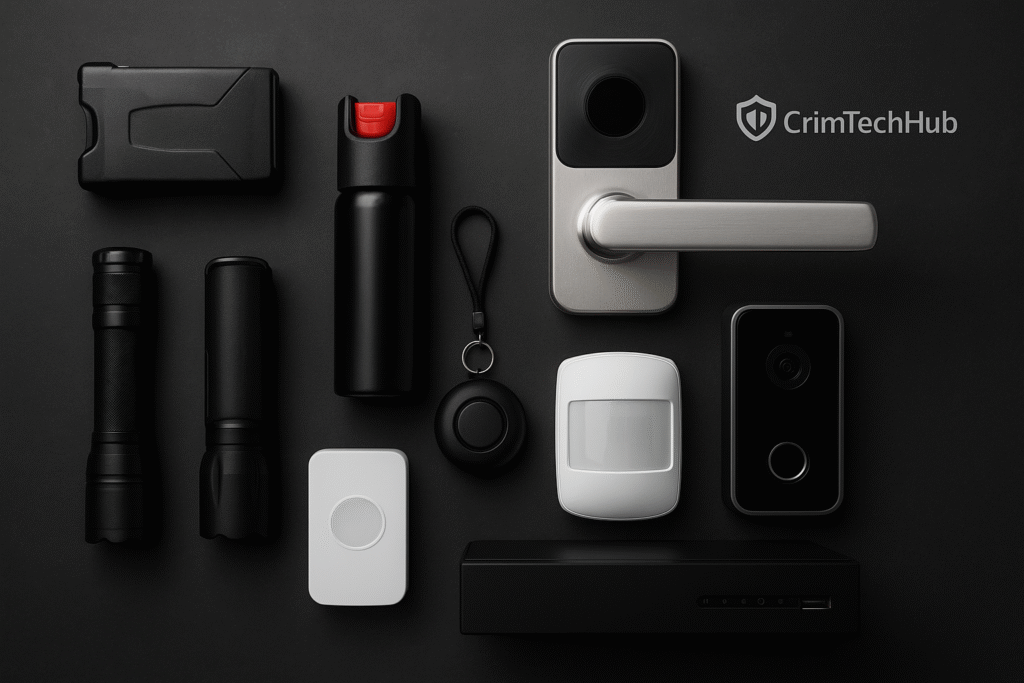
While a pepper spray gun for self defense is one of the most effective non-lethal tools available, it’s always smart to explore other options that can complement your personal safety plan. Different situations may call for different tools, and combining multiple methods can give you greater confidence and protection.
1. Personal Alarms
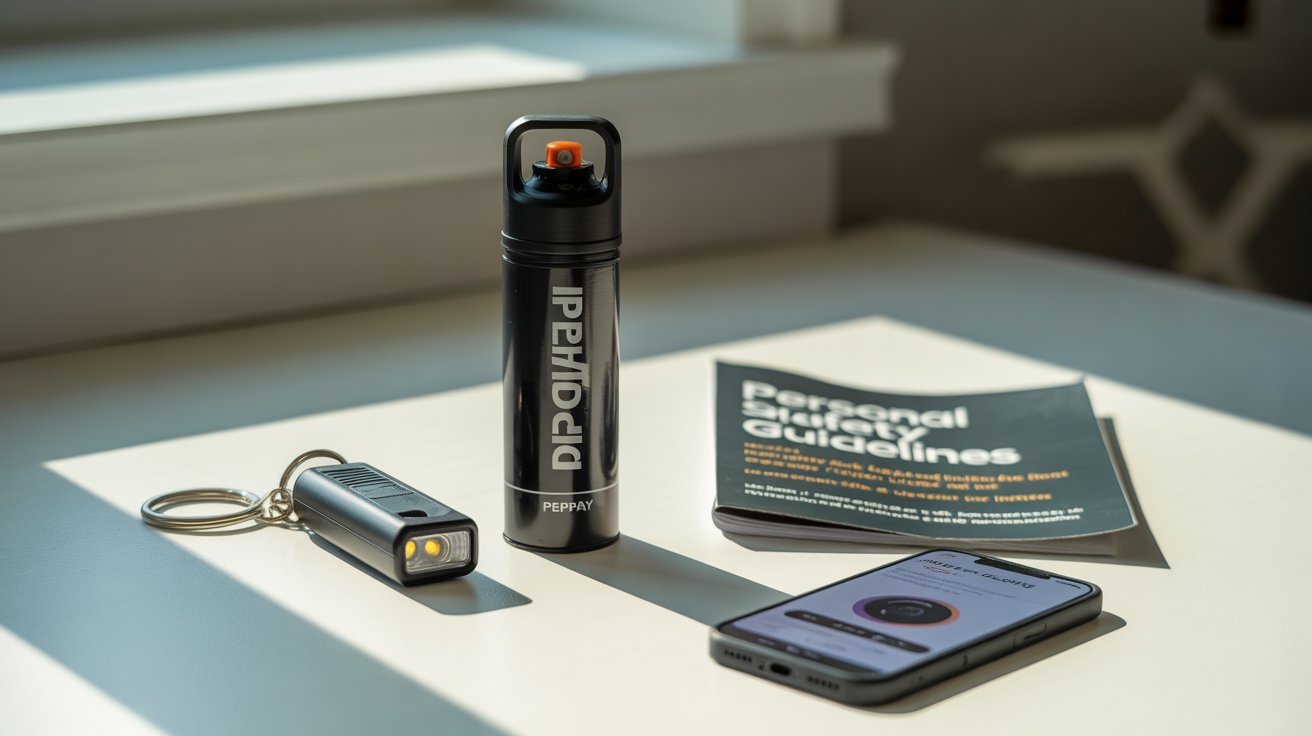
A personal alarm is a small device that emits a loud sound—usually around 120 to 140 decibels—to attract attention and scare off attackers. It’s ideal for people who may not feel comfortable using physical defense tools. Carrying both a personal alarm and a pepper spray gun for self defense can offer layered protection.
2. Stun Guns
A stun gun delivers an electric shock that temporarily disables an attacker by disrupting muscle control. Unlike a pepper spray gun, it requires close contact. Many people choose to carry both—a pepper spray gun for self defense for distance protection, and a stun gun for close-range defense.
3. Tactical Flashlights
A tactical flashlight serves a dual purpose: it helps you see in the dark and can temporarily blind an attacker when shined directly into their eyes. Some models are built with heavy-duty metal bodies that can be used as striking tools. It’s a great complement to a pepper spray gun for self defense for nighttime safety.
4. Keychain Defense Tools
Compact and discreet, keychain tools like kubotans or small tactical pens can provide quick, close-range protection. They’re easy to carry and can be used to strike pressure points if an attacker gets too close. Combined with a pepper spray gun for self defense, these offer both distance and close-range defense.
5. Self-Defense Apps
Technology has made personal safety even more accessible. Self-defense apps can send emergency alerts, share your location, or connect you to local authorities with one tap. These apps are a useful supplement to a pepper spray gun for self defense, especially when traveling or walking alone.
6. Personal Safety Training
While tools are important, training is the foundation of effective self-defense. Learning basic moves or enrolling in a self-defense course helps you stay calm and make smart decisions in high-pressure situations. The combination of skills and tools like a pepper spray gun for self defense gives you a complete protection strategy.
Summary
A pepper spray gun for self-defense is a strong option on its own, but it works even better as part of a layered safety approach. Pairing it with something like a reliable stun gun, a personal alarm, or basic self-defense training gives you more than one way to respond if a situation escalates — distance protection from the spray, close-range backup from a stun device, and the awareness training ties it all together.

FAQs
1. What is a pepper spray gun for self-defense?
It’s a non-lethal personal protection device shaped like a small handgun that fires pressurized OC (oleoresin capsicum) cartridges at a target — offering longer range and better aim than a standard spray canister.
2. Is a pepper spray gun legal to carry in the U.S.?
Yes, in most states. Some states regulate the strength, size, or carry conditions, so it’s worth checking your specific state’s rules before purchasing or carrying one.
3. How far can a pepper spray gun reach?
Most models reach 10–25 feet, compared to 6–10 feet for a traditional aerosol canister — giving you more distance from a potential threat.
4. Does a pepper spray gun cause permanent harm?
No. The effects — burning, tearing, temporary blindness — are intense but short-term and pass without lasting injury when used as intended.
5. How should I store a pepper spray gun safely?
Keep it in a cool, dry place away from children and extreme temperatures, and replace the cartridge before its expiration date to maintain full effectiveness.
Conclusion
A pepper spray gun for self-defense can be one option for personal protection when carried and handled responsibly. Understanding how the device works, following the manufacturer’s safety instructions, and checking applicable state and local laws are important before carrying one.
Whether you are considering a defensive spray for everyday situations or simply researching your options, proper product knowledge and responsible handling can help you make an informed choice about your personal safety needs.
About the Author
M. Bilal holds a BS in Criminology and writes on personal safety, home security, and self-defense topics for CrimTechHub. His academic background in criminology shapes how he approaches this content — looking at how criminal behavior, deterrence, and risk actually work, rather than just listing product features. He researches each topic in depth, including current state laws and technical specifications, before publishing.
Have a correction or question about this article? Get in touch.