Introduction
Have you ever pressed the garage door button, only to notice a yellow light on your garage door sensor and felt a twinge of worry? You’re not alone. For many U.S. homeowners, this small amber glow raises questions: Is something wrong? Is my garage door safe?
The yellow light isn’t just a random blink—it’s your garage door system communicating with you, signaling power, alignment, or a potential issue. Understanding what it truly means can save you frustration, prevent accidents, and give you confidence that your home remains secure. In this guide, we’ll break down everything about the garage door sensor yellow light—why it appears, what it indicates, and how you can troubleshoot and maintain your sensors safely.
Table of Contents
Why That Yellow Light on Your Garage Door Matters
You’re heading out for work, press the garage door button, and suddenly notice a yellow light on your garage door sensor. The door hesitates, moves strangely, or doesn’t close at all. In that moment, it’s easy to feel confused or even a little stressed—especially when you’re already short on time. Most homeowners in the U.S. don’t think about garage door sensors until something looks “off,” and that small yellow light is often the first sign.
The garage door sensor yellow light matters because it’s part of your home’s safety system, not just a random indicator. Garage door sensors are designed to protect people, pets, and property by preventing the door from closing when something is in the way. When you see that yellow light, your system is trying to communicate with you. Ignoring it can lead to repeated door issues, unexpected delays, or safety concerns you didn’t plan for.
For many homeowners, this yellow light raises an important question: Is this normal, or is something wrong? The good news is that a yellow sensor light doesn’t always mean a serious problem. However, understanding why it’s there—and what it’s telling you—can save you time, frustration, and unnecessary repair costs. That’s why knowing what the garage door sensor yellow light means is more important than most people realize.
What Is a Garage Door Sensor and How It Works
- A garage door sensor is a small safety device installed near the bottom of your garage door tracks, designed to prevent accidents and injuries.
- These sensors work as a pair, sending an invisible beam across the garage door opening to detect any object in the way.
- When the beam is clear, the garage door closes normally, giving homeowners peace of mind.
- If something blocks the beam—like a bike, trash can, pet, or child—the door automatically stops or reverses.
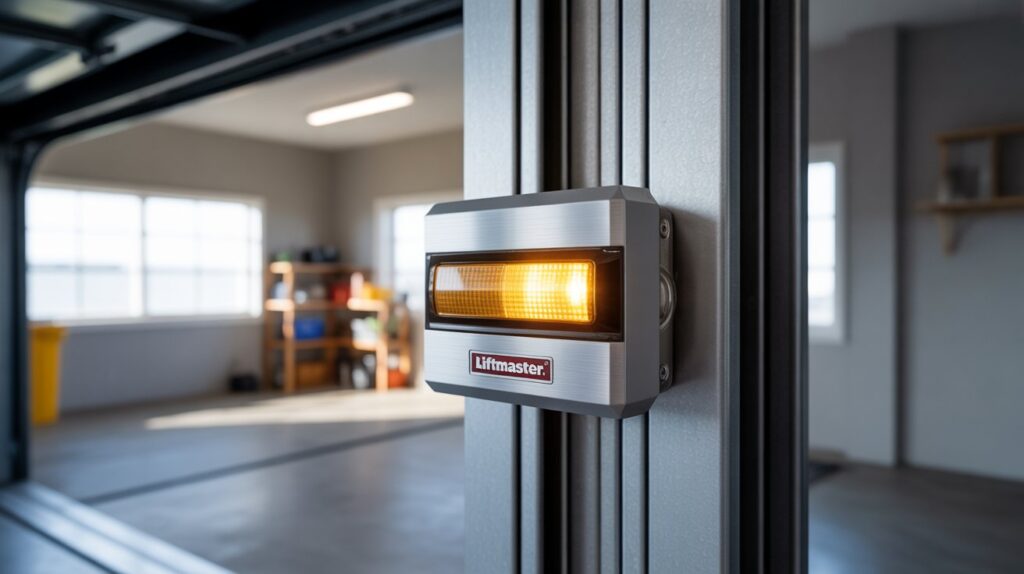
- The garage door sensor yellow light usually appears on the sending sensor, showing that it has power and is functioning.
- This light helps you quickly check whether the system is active without needing tools or technical knowledge.
- Modern garage door sensors are a required safety feature in most U.S. homes, following federal safety standards.
- Understanding how the sensor works makes it easier to tell when the yellow light is normal and when it may signal an issue.
Understanding Garage Door Sensor Light Colors
Yellow Light Meaning
The garage door sensor yellow light usually indicates that the sending sensor has power and is working as designed. In most U.S. garage door systems, this steady yellow or amber light is a normal sign, not a warning. Homeowners often notice it for the first time during low-light hours, which can make it seem more serious than it is. As long as the light is steady and the door operates smoothly, the yellow sensor light typically means the system is active and ready.
Green Light Meaning
A green light is commonly found on the receiving sensor and shows that the safety beam is properly aligned and connected. When the green light stays solid, it confirms that the sensors are communicating correctly. For homeowners, this is a reassuring sign that the garage door can close safely without interruption. If the green light turns off or starts blinking, it often points to an alignment or connection issue rather than a power problem.
Red or Blinking Lights Overview
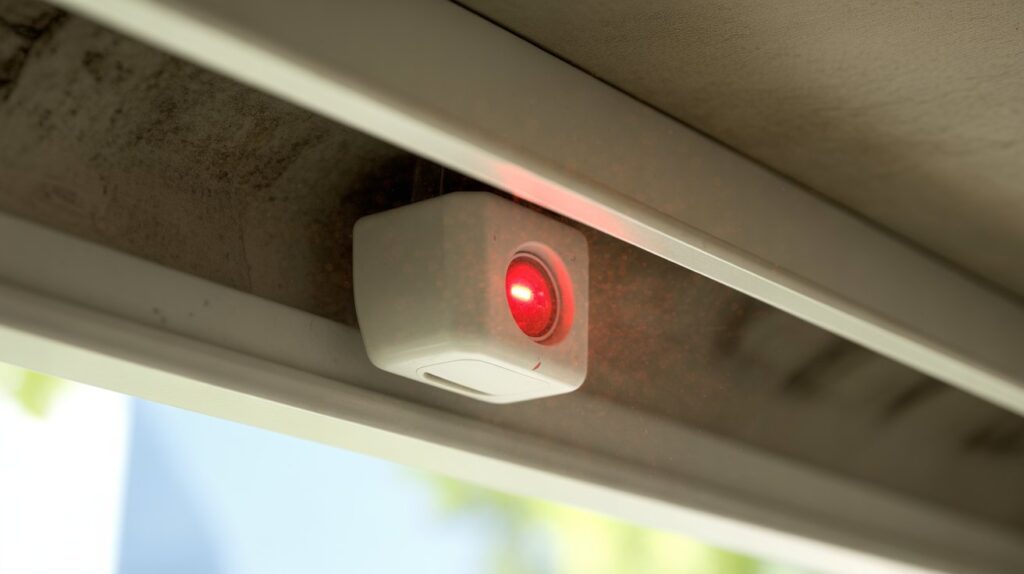
Red or blinking sensor lights usually signal that something needs attention. This could be caused by a blocked beam, dirty sensor lenses, loose wiring, or slight misalignment. In real life, even sunlight, dust, or a small object near the door track can trigger these changes. Understanding the difference between a normal garage door sensor yellow light and a blinking or red light helps homeowners respond calmly and fix minor issues before they become bigger problems.
What Does a Yellow Light on a Garage Door Sensor Mean?
A yellow light on a garage door sensor usually means the sensor has power and is doing its basic job. In most modern garage door systems used in U.S. homes, the yellow or amber light appears on the sending sensor. This light tells you the system is turned on and ready to send the safety beam across the garage opening. For many homeowners, seeing this light is completely normal and not a sign of failure.
In real-life situations, the garage door sensor yellow light becomes noticeable when the garage door doesn’t close smoothly or stops halfway. While the yellow light itself often isn’t the problem, it helps confirm that power is reaching the sensor. If the door acts up, the issue is usually related to alignment, blockage, or the receiving sensor—not the yellow light alone.
Here’s what a yellow sensor light typically indicates:
- The sensor is receiving power correctly
- The safety system is active and monitoring the door opening
- The sending sensor is working as designed
- The problem, if any, may be elsewhere in the system
Understanding what a yellow light on a garage door sensor means helps homeowners avoid unnecessary worry. Instead of assuming something is broken, you can focus on checking alignment, cleaning the sensors, or observing the other sensor lights to identify the real cause.
Is a Yellow Light Normal or a Sign of a Problem?
For most homeowners, seeing a garage door sensor yellow light is completely normal. In many garage door systems across the U.S., a steady yellow or amber light simply means the sensor has power and is operating as expected. This light often stays on all the time, even when the garage door is closed and working smoothly, so its presence alone is usually nothing to worry about.
Problems typically arise not from the garage door sensor yellow light itself, but from changes in how the door behaves. If the door refuses to close, reverses suddenly, or acts inconsistently, the issue is often related to sensor alignment, a blocked beam, or the receiving sensor. The yellow light, in this case, helps confirm that power isn’t the problem, which narrows down what needs attention.
The key is to watch for changes. A steady yellow light paired with normal door movement usually means everything is fine. If the light starts blinking, turns off, or the door begins acting differently, that’s when it’s worth taking a closer look. Understanding this difference gives homeowners confidence and prevents unnecessary stress or costly service calls.
Common Reasons You’re Seeing a Garage Door Sensor Yellow Light
Power Supply Issues
One common reason for a garage door sensor yellow light is a basic power connection. The yellow light often confirms that electricity is reaching the sending sensor, even if the garage door isn’t working perfectly. In some homes, loose plugs, minor power interruptions, or aging outlets can affect how the system behaves, making the light noticeable while the door acts unexpectedly.
Alignment Problems
Sensor alignment is another frequent cause behind garage door issues. Even though the garage door sensor yellow light may stay solid, the receiving sensor might be slightly out of position. Everyday situations—like bumping the sensor with a trash can or moving stored items—can shift it just enough to disrupt the safety beam and stop the door from closing.
Wiring or Connection Concerns
Over time, wires connected to the sensors can loosen or wear out, especially in garages exposed to temperature changes. While the yellow light shows the sensor has power, damaged or loose wiring can interrupt communication between the sensors. This is common in older garages or areas where cables are accidentally tugged or bent.
Environmental Factors (Dust, Sunlight, Moisture)
Environmental conditions play a bigger role than many homeowners realize. Dust on the sensor lens, direct sunlight hitting the receiver, or moisture from rain and humidity can interfere with the sensor beam. Even with a steady garage door sensor yellow light, these factors can cause the system to misread obstacles and affect normal operation.
How to Tell If the Yellow Sensor Is Working Correctly
Checking your garage door sensor yellow light doesn’t have to be complicated. With a few simple observations, homeowners can confirm that the sensor is functioning properly without needing technical expertise.
Step-by-step signs your yellow sensor is working:
- Steady yellow light: Indicates the sending sensor has power and is active.
- Door closes normally: If the garage door closes smoothly without reversing unexpectedly, the sensor system is operating correctly.
- No blinking or red lights: A steady yellow light paired with a solid green light on the receiving sensor confirms proper alignment and communication.
- Obstacle test: Gently place an object in the door’s path; if the door reverses safely, the sensor is doing its job.
- Clear lens check: Ensure the sensor lenses are free of dust, dirt, or cobwebs for accurate beam detection.
- Consistent performance: Observe the door over a few cycles; consistent behavior signals the system is reliable.
By following these simple checks, homeowners can quickly understand the status of their garage door sensor yellow light and take reassurance that their garage door is safe and functional.
Simple Troubleshooting Steps Homeowners Can Try Safely
Many issues involving a yellow light on your garage door sensor can be resolved easily with safe, straightforward steps. Homeowners don’t need technical skills or special tools to handle these minor issues, which makes it easy to restore normal operation quickly.
Practical troubleshooting tips:
- Check sensor alignment: Make sure the sending and receiving sensors face each other directly without any tilt or obstruction.
- Clean the sensor lenses: Wipe them gently with a soft, dry cloth to remove dust, dirt, or spider webs that may block the beam.
- Inspect wiring connections: Look for loose or damaged wires at both sensors; reconnect or secure them if needed.
- Remove nearby obstacles: Ensure objects, bikes, or trash cans aren’t blocking the sensor beam.
- Test the door manually: Press the wall button to see if the door closes fully; a proper response confirms sensor function.
- Check power supply: Verify the sensor is plugged in and the garage outlet is working; a steady yellow light usually confirms power is present.
- Observe environmental effects: Direct sunlight, moisture, or reflective surfaces can interfere; adjusting sensor placement or adding shades can help.
By following these steps, homeowners can often resolve minor issues indicated by a garage door sensor yellow light, avoid unnecessary service calls, and keep their garage door safe and reliable.
When a Yellow Light Is Not the Real Problem
Many homeowners assume that a garage door sensor yellow light means their system is broken, but in most cases, the light is simply doing its job. The yellow light often confirms that the sending sensor has power, while the real problem lies elsewhere in the system. Understanding this distinction helps reduce frustration and builds confidence in maintaining your garage door.
Common situations where the yellow light isn’t the issue:
- Blocked or dirty sensor lens: The beam may be interrupted, causing the door to reverse or stop, even though the yellow light remains steady.
- Misaligned sensors: A slightly off-angle receiving sensor can prevent the door from closing, while the sending sensor shows a normal yellow light.
- Environmental interference: Sunlight, moisture, or reflective surfaces can affect sensor performance without affecting the yellow indicator.
- Wiring or connection issues elsewhere: Loose wires or damaged cables on the receiving side may trigger door problems, but the sending sensor’s yellow light still appears normal.
By recognizing that the garage door sensor yellow light is usually not the problem, homeowners can focus on the actual causes. This approach prevents unnecessary repairs, saves time, and reinforces trust in the safety system.
When to Call a Professional Garage Door Technician
While many issues with a garage door sensor yellow light can be handled safely at home, there are times when calling a professional is the safest choice. Garage doors are heavy, complex systems, and attempting repairs without experience can lead to injury or further damage. Recognizing when expert help is needed ensures both your safety and the proper functioning of your garage door.
Homeowners should consider contacting a professional if the yellow light stays on but the door:
- Fails to close or reverses repeatedly despite alignment and cleaning checks.
- Shows inconsistent or blinking sensor lights that cannot be resolved with simple troubleshooting.
- Has damaged wiring, bent tracks, or mechanical issues that are beyond basic maintenance.
- Exhibits unusual noises or jerky movements indicating motor or spring problems.
A licensed garage door technician can quickly diagnose the cause, repair sensors safely, and restore reliable operation. For U.S. homeowners, this ensures peace of mind knowing that the garage door sensor yellow light is working correctly and the door remains a secure, safe entry point for your home.
How to Prevent Future Garage Door Sensor Issues
Preventing future problems with your garage door sensor yellow light is easier than most homeowners think. A little regular maintenance can keep your sensors working reliably, extend the life of your garage door system, and save you from unexpected repairs.
Tips for long-term sensor health:
- Keep sensor lenses clean: Wipe them monthly with a soft cloth to remove dust, dirt, or cobwebs that could block the beam.
- Check alignment regularly: Even small shifts can disrupt the safety beam; ensure sensors face each other directly.
- Inspect wiring and connections: Look for loose or frayed wires, especially after storms or heavy use.
- Avoid environmental interference: Keep reflective surfaces, direct sunlight, or standing water away from sensor paths.
- Test the door frequently: Open and close the door a few times each month to confirm smooth operation and proper sensor response.
- Schedule professional inspections: Annual check-ups by a licensed technician can detect early wear or hidden issues before they become costly.
By following these simple practices, U.S. homeowners can maintain the garage door sensor yellow light in proper working order, ensuring safety, reliability, and peace of mind for years to come.
Conclusion
The garage door sensor yellow light is more than just a small indicator—it’s a signal of safety, reliability, and the smooth functioning of your home’s garage system. Understanding what it means, knowing how to troubleshoot minor issues, and practicing simple maintenance steps can save time, prevent accidents, and give you peace of mind.
Next time you see that yellow light, remember: it’s your system communicating with you, not a cause for panic. Take a moment to check, observe, and act thoughtfully. By paying attention today, you protect your family, your home, and your sense of security tomorrow.
Now take a moment to think—how does this small light reflect your approach to safety at home?
1. How do I fix the yellow light on my garage door sensor?
Check alignment, clean lenses, and secure wiring to restore normal operation.
2. What does a yellow light mean on my garage door opener?
It usually indicates the sending sensor has power and is functioning correctly.
3. Should both garage door sensor lights be green?
No, the sending sensor often shows yellow, while the receiving sensor typically shows green.
4. Are garage door sensors supposed to be yellow?
Yes, a steady yellow light is normal for the sending sensor in most systems.
5. Why is my garage sensor yellow instead of green?
The yellow light simply signals power on the sending sensor, not a malfunction.
6. What to do when one garage sensor is yellow?
Verify the other sensor’s green light, check alignment, and clean lenses if needed.
7. How do I reset my garage sensor?
Disconnect power briefly, then reconnect to reset the sensor system safely.
8. Is it safe to fix garage door sensors myself?
Yes, simple cleaning and alignment are safe, but avoid touching springs or heavy components.
9. What does an orange light mean on my garage door sensor?
An orange or amber light often indicates power or minor alignment issues depending on the model.