Introduction
Have you ever pressed your garage door remote and felt that brief moment of panic when nothing happened? You glance down and notice a small garage door sensor orange light glowing near the floor — and suddenly, you’re wondering if something serious is wrong.
For many U.S. homeowners, that tiny orange light can feel confusing or even stressful. Your garage door is one of the largest moving parts in your home, and it protects your car, your belongings, and your family. When the safety sensor light changes or the door refuses to close, it’s natural to worry about costly repairs or safety risks.
The good news is that a garage door sensor orange light often has a simple explanation. In many cases, it’s just a normal power indicator — or a small alignment issue you can fix yourself. In this guide, you’ll learn exactly what that orange light means, when it’s normal, and when it signals a problem that needs attention.
Table of Contents
Why Is Your Garage Door Sensor Orange Light On?
You press the remote… nothing happens. The garage door won’t close, or it starts to move and then suddenly reverses. You glance down and notice it — that garage door sensor orange light glowing near the bottom of the track. If you’re like most U.S. homeowners, that small light instantly raises a big question: Is something broken?
Many people only notice the garage door sensor orange light when the door stops working the way it should. One day everything is fine. The next day, the safety sensor shows a steady orange glow, and the door refuses to cooperate. It can feel frustrating, especially when you’re trying to leave for work or park your car safely at night.
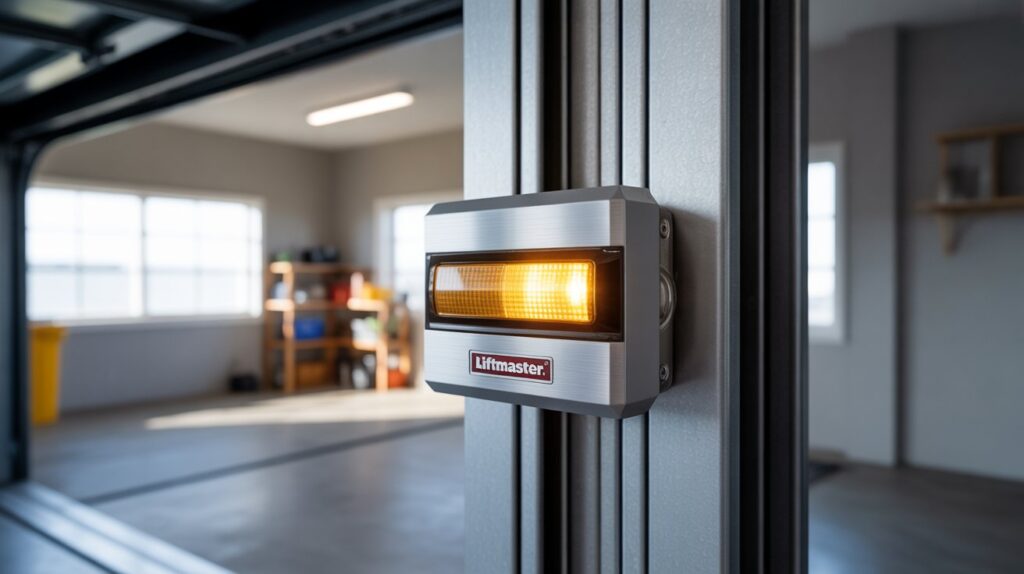
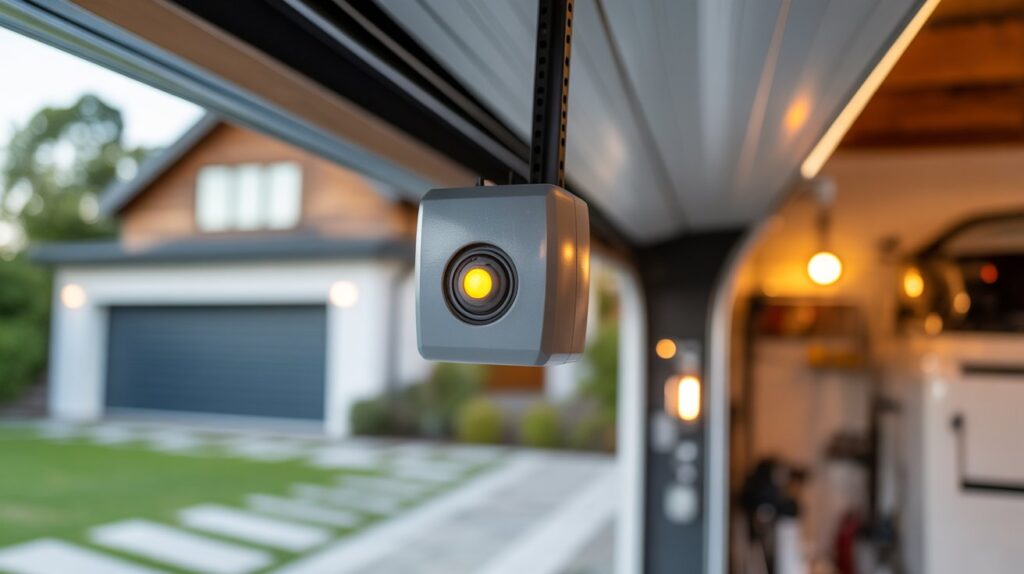
In most garage door systems, the orange light simply means the sending sensor has power. It’s part of the garage door safety sensor system that prevents the door from closing on a person, pet, or vehicle. In many major U.S. brands, one sensor shows an orange or amber light, while the other shows green. When both are aligned and working properly, the system allows the door to close normally.
The good news? In most cases, the cause behind a garage door sensor orange light issue is simple and fixable. Minor misalignment, dust on the sensor lens, or a small wiring shift can interrupt the signal. These are common maintenance issues — not major repairs. Understanding what that orange light means is the first step toward fixing the problem quickly and safely.
What Does a Garage Door Sensor Orange Light Mean?
To make sense of the garage door sensor orange light, it’s useful to first understand how the safety sensors on a garage door operate. These small devices sit near the bottom of your garage door tracks, usually a few inches above the floor. They send an invisible infrared signal across the garage opening to detect anything in the door’s path. If anything blocks that beam — like a child’s bike, a pet, or even a trash can — the garage door automatically stops or reverses. This safety reversal system is required in all modern U.S. garage door openers.
There are always two sensors working together:
- Sending sensor – Sends the invisible beam across the garage opening.
- Receiving sensor – Receives that beam on the opposite side.
If the beam is clear and properly aligned, the door closes normally. If the beam is interrupted or misaligned, the system prevents the door from closing to protect people and property.
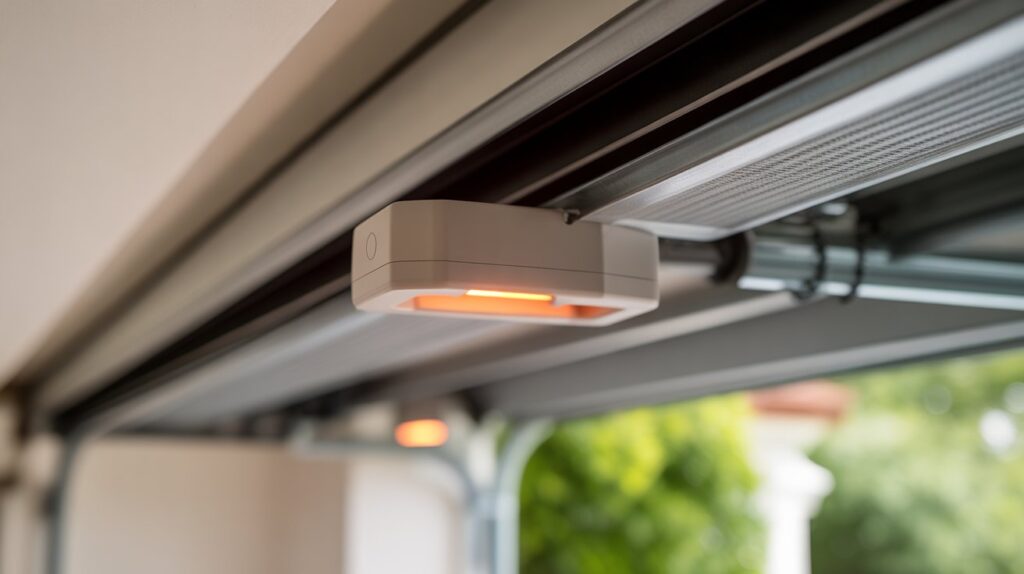
In most major U.S. brands, the orange light appears on the sending sensor. This typically means the unit has power and is functioning. In other words, a steady garage door sensor orange light often signals that electricity is reaching the sensor. The receiving unit usually shows a green light when it detects the beam correctly.
However, the meaning of the orange light can vary slightly depending on the manufacturer. Some brands use amber, red, or green indicators differently. That’s why checking your owner’s manual can help if you’re unsure. Still, in most cases, a solid orange light alone does not mean something is broken.
Is Orange Light Normal or a Warning?
A garage door sensor orange light is completely normal when:
- The light is steady (not blinking).
- The opposite sensor shows a solid green light.
- The garage door opens and closes smoothly.
In this situation, the system is simply powered and ready to protect your home.
It may signal a problem when:
- The door won’t close.
- One light is off or blinking.
- The door reverses unexpectedly.
- Both sensors are not showing steady lights.
In those cases, the issue is usually alignment, dirt on the lens, or a minor wiring problem — not a major mechanical failure. Understanding whether the orange light is normal or a warning helps you respond calmly instead of assuming the worst.
Common Reasons Your Garage Door Sensor Orange Light Stays On
- Misalignment Between Sensors
The most common reason a garage door sensor orange light stays on is simple misalignment. If the sending and receiving sensors are not facing each other directly, the infrared beam cannot connect properly. Even a small bump from a trash bin, bike, or storage box can shift the sensor slightly and interrupt the signal. - Dirty Sensor Lens
Dust, spider webs, or debris on the sensor lens can block the beam. This is especially common in garages that collect dirt or moisture. When the lens is dirty, the garage door safety sensor may stay lit but fail to communicate correctly, preventing the door from closing. - Wiring Issues
Loose, frayed, or disconnected wires can cause power or signal problems. Over time, vibration from daily garage door use can slightly loosen connections. In some U.S. homes, temperature changes in summer and winter can also affect wiring stability. - Sunlight Interference
Direct sunlight hitting the receiving sensor can sometimes interfere with the infrared beam. This usually happens during certain times of the day when the sun shines directly into the garage. The garage door sensor orange light may appear normal, but the system struggles to detect the beam consistently. - Faulty Sensor Unit
If none of the above issues apply, the sensor itself may be defective. While not common, internal component failure can happen due to age, power surges, or wear. In this case, the garage door sensor orange light may stay on, but the door still refuses to close properly.
Most of these causes are minor and easy to identify with a quick visual inspection. Understanding these common issues helps you troubleshoot calmly before assuming a major garage door repair is needed.
How to Fix Garage Door Sensor Orange Light Issues (Step-by-Step)
If the orange light on your garage door sensor is illuminated and the door isn’t closing correctly, stay calm — it’s usually fixable. In most U.S. homes, the fix is simple and takes just a few minutes. Follow these steps carefully and safely.
- Step 1: Check Alignment
Look at both safety sensors near the bottom of the garage door tracks. They should face each other directly. If one looks slightly tilted or bumped, gently adjust it until both lights are steady. Even a small shift can break the infrared beam and stop the door from closing. - Step 2: Clean the Lens
Use a soft, dry cloth to wipe each sensor lens. Dirt, dust, or spider webs can block the beam and cause signal issues. Avoid harsh chemicals. A clean lens often restores proper communication between the sending and receiving sensors. - Step 3: Inspect Wiring
Check for loose, damaged, or disconnected wires running from the sensors to the garage door opener. If you notice exposed or frayed wiring, do not touch it while powered.
⚠ Safety Reminder: Always disconnect power to the garage door opener before handling or adjusting any wiring. This prevents electrical shock and protects the system. - Step 4: Test the Door Safely
After making adjustments, restore power and test the garage door using the wall button. Stand clear while it closes. If both sensor lights are solid and aligned, the door should move smoothly without reversing.
Fixing a garage door sensor orange light issue is usually a quick maintenance task, not a major repair. With careful inspection and basic safety steps, most homeowners can solve the problem without calling a technician.
When to Call a Garage Door Professional
- Door reverses unexpectedly
If your garage door starts closing and suddenly reverses even when nothing is blocking it, the garage door sensor orange light may indicate a deeper alignment or logic board issue that needs professional diagnosis. - Lights blinking or off completely
A blinking safety sensor light or no light at all often signals wiring faults, power supply issues, or internal sensor failure. This goes beyond simple cleaning or alignment. - Visible wiring damage
Frayed, cut, or exposed wires are a safety risk. Electrical problems should always be handled by a trained technician to avoid injury or further system damage. - Sensor replacement is needed
If testing confirms a faulty safety sensor, replacement must meet U.S. safety standards. A compatible, properly installed unit ensures the automatic reversal system works correctly. - Safety compliance concerns
Garage door safety sensors are federally required for residential systems. If your garage door opener is not operating according to current safety regulations, professional service helps ensure compliance and protects your family. - You’re unsure about the repair
If troubleshooting feels confusing or risky, hiring a licensed garage door technician is the safest choice. An expert can quickly identify why the garage door sensor orange light is causing problems and fix it correctly the first time.
Final Thoughts: Don’t Ignore That Orange Light
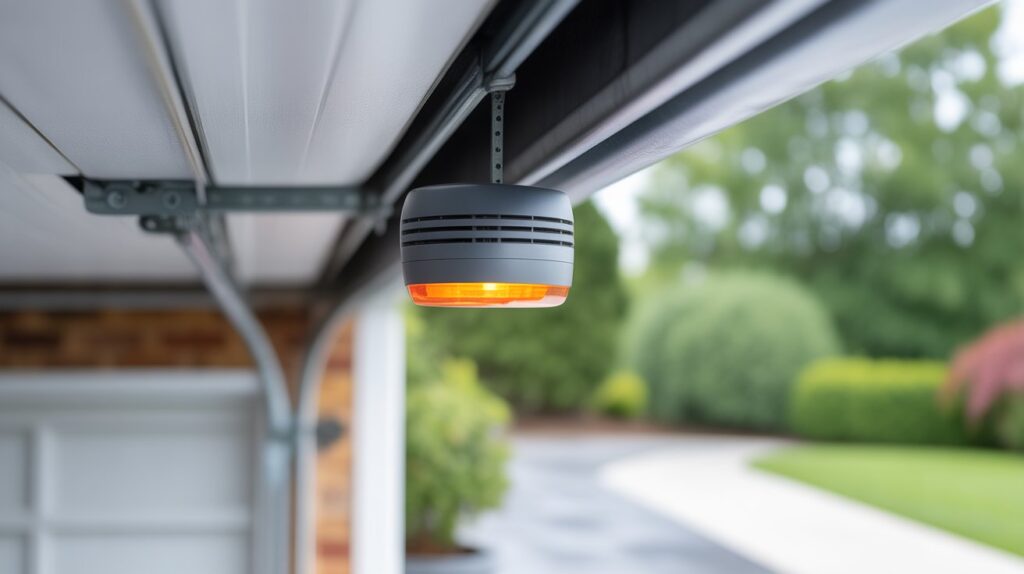
A garage door sensor orange light may look small, but it plays a big role in protecting your home. In most cases, it simply shows that your garage door safety sensor has power and is doing its job. When something feels off — like the door reversing or refusing to close — the issue is usually minor and easy to fix with basic inspection and care.
Your garage door ranks among the biggest moving components in your home, playing a key role in safety and convenience.Keeping the safety sensors aligned and working properly protects your family, your vehicle, and your peace of mind. A few minutes of attention today can prevent a costly repair tomorrow.
Now take a moment to think — when was the last time you checked your garage door system? Sometimes, the smallest light is the one that keeps your home the safest.
FAQs
How can I reset my garage door sensors?
Unplug the opener, wait 30 seconds, then plug it back in and test the sensors.
What does a yellow light mean on a garage door sensor?
A yellow light usually indicates a minor alignment or signal issue between sensors.
Should both garage door sensor lights be green?
Yes, both sensors show green when properly aligned and the beam is clear.
What color should the sensor lights be on a garage door opener?
Typically, one sensor shows orange (power) and the other green (beam detected).
How to fix orange light on garage door sensor?
Check alignment, clean the lens, inspect wiring, and retest the door safely.
What does orange mean on a garage door sensor?
Orange usually signals that the sensor has power and is ready to operate.
Why is my garage door opener blinking orange light?
A blinking orange light often indicates a misalignment or minor wiring issue.
How to tell if a garage door sensor is working?
Both sensor lights stay steady and the door opens and closes without reversing.
What does an orange blinking light mean?
It usually warns of a disrupted beam, misalignment, or sensor signal problem.