
Introduction
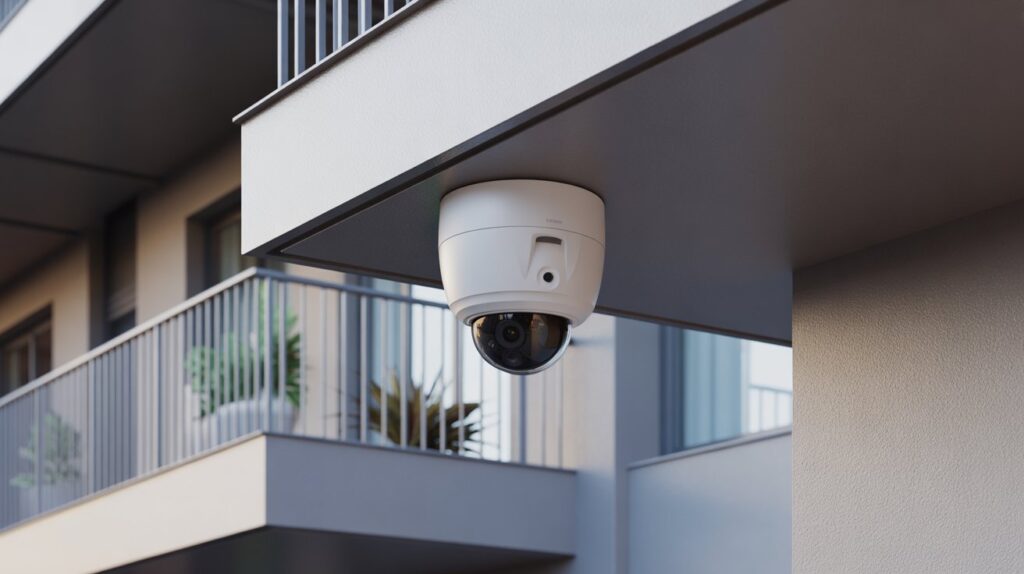
Have you ever worried about your apartment’s safety while wondering if monitoring it could violate the law? Many renters in California face this dilemma—wanting to protect their home, packages, and loved ones, yet unsure about the rules. Apartment security camera laws in California exist to strike a balance between safety and privacy, ensuring residents can secure their space without infringing on others’ rights.
Whether you’re a tenant aiming to protect your belongings or a landlord responsible for building security, understanding these laws is crucial. In this guide, we’ll walk you through what’s legal, what’s off-limits, and how to stay safe responsibly—so you can enjoy peace of mind in your home without worry.
Table of Contents
Why Apartment Security Camera Laws Matter More Than Ever
Apartment living today feels very different than it did a few years ago. Package theft, unfamiliar visitors, parking lot break-ins, and hallway incidents have made many renters and landlords turn to cameras for peace of mind. At the same time, people are more aware of privacy than ever before. This is exactly why apartment security camera laws in California matter so much right now. They exist to protect both personal safety and personal boundaries—two things that often collide in shared living spaces.
In a typical apartment setting, your safety concerns don’t stop at your front door. You may want to monitor deliveries, entrances, or suspicious activity, but your neighbor expects privacy when walking past your unit or using common areas. California law takes this balance seriously. Understanding apartment security camera laws in California helps prevent unintentional violations that could lead to legal trouble, disputes with neighbors, or even fines—especially when cameras capture more than they should.
These laws are also important because California has some of the strongest privacy protections in the country. Recording video—or worse, audio—without proper awareness can cross legal lines quickly. Many people install cameras with good intentions, but without knowing where cameras are allowed or how recording rules work, they risk breaking privacy laws without realizing it. Clear knowledge removes confusion and protects everyone involved.
At its core, apartment security camera laws in California are about fairness. They allow residents to feel secure in their homes while ensuring no one feels watched or exposed. When you understand these rules, you can protect your apartment confidently, respect others’ privacy, and avoid problems before they start.
Are Security Cameras Legal in California Apartments?
Yes, security cameras are legal in California apartments—but only when they follow strict privacy rules. California law allows video recording for security purposes, as long as cameras are placed in areas where people do not have a reasonable expectation of privacy. This is why many residents legally use cameras to protect their apartments, packages, and entry points. Still, apartment security camera laws in California are clear that safety can never come at the cost of someone else’s privacy.
From a legal standpoint, the biggest factor is where the camera is installed and what it records. Video-only recording is generally permitted in private living spaces, but audio recording is heavily restricted under California’s two-party consent law. Many people unknowingly break the law by using cameras that record sound. Knowing this detail alone can prevent serious legal trouble and tenant disputes.
In simple terms, security cameras are legal when they follow these basic rules:
- Cameras must not record areas where privacy is expected, such as bathrooms or bedrooms not owned by you
- Audio recording without consent is illegal in most apartment situations
- Cameras should focus only on your personal space, not neighbors’ doors or windows
- Common areas require special care and, in many cases, landlord control
For renters and landlords alike, understanding apartment security camera laws in California builds trust and avoids conflict. When cameras are installed responsibly and legally, they serve their purpose—protecting people and property—without creating fear, discomfort, or legal risk for anyone involved.
California Privacy Laws That Directly Affect Apartment Cameras
- California privacy law is built around the idea of reasonable expectation of privacy, which means people must not be recorded in places where they naturally expect privacy, such as bathrooms or private bedrooms.
- Under apartment security camera laws in California, video recording is allowed only when it does not intrude into another person’s private space, even unintentionally.
- California follows a two-party consent rule for audio recording, making it illegal to record conversations without the clear consent of everyone involved.
- Many apartment camera systems record sound by default, which can quietly violate privacy laws if not disabled.
- Cameras should never capture inside a neighbor’s unit, through windows, or directly at another person’s front door.
- Recording in shared or common areas raises legal risks unless clear notice, purpose, and authority are established.
- Privacy laws exist to balance safety with dignity, ensuring cameras protect residents without making anyone feel watched or exposed.
Where You Can Legally Install Security Cameras in an Apartment
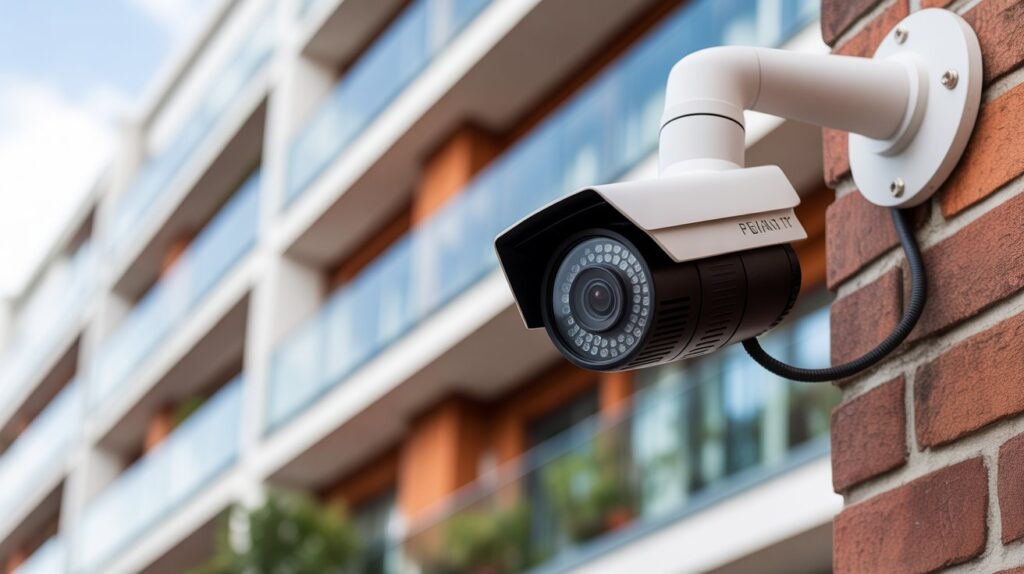
Understanding the correct placement of cameras is essential for staying compliant with apartment security camera laws in California. When cameras are installed only in areas you personally control, they offer protection without crossing privacy lines. The law supports security—but only when it respects personal boundaries.
Inside Your Apartment Unit
You are legally allowed to install security cameras inside your own apartment as long as they monitor spaces you fully control. Living rooms, kitchens, and home offices are generally acceptable. Cameras should never be placed where guests or roommates expect privacy, such as bathrooms or sleeping areas. This keeps your security efforts lawful and respectful.
Entry Points and Front Doors
Cameras placed at your apartment’s front door are usually legal if they focus only on your doorway. This is common for package theft prevention and visitor monitoring. However, under apartment security camera laws in California, the camera must not record inside neighboring units or directly capture another resident’s private space.
Balconies and Patios
If your apartment includes a private balcony or patio, you may install a camera there as well. The key rule is direction. The camera should face inward toward your space, not outward toward neighboring balconies, windows, or shared walkways. Proper placement avoids privacy violations and neighbor disputes.
Personal Control and Camera Settings
Legal camera use is not just about location—it’s also about control. Disable audio recording, adjust motion zones, and limit recording angles to your personal area. These simple steps show responsible use and help ensure full compliance with apartment security camera laws in California while still protecting what matters most.
Places Where Apartment Security Cameras Are Not Allowed
Installing security cameras can enhance safety, but apartment security camera laws in California clearly define areas where cameras are strictly prohibited. Respecting these boundaries is essential to avoid legal trouble, protect neighbors’ privacy, and maintain trust in shared living spaces.
- Bathrooms and Restrooms: Cameras are never allowed in bathrooms or restrooms, even in your own unit if shared. Recording in these spaces is a serious privacy violation and can result in criminal charges.
- Bedrooms Not Fully Controlled by You: If you share your apartment or rent a room, cameras cannot be placed in someone else’s private sleeping area. This ensures all residents feel secure in their personal space.
- Shared Common Areas: Hallways, laundry rooms, gyms, or lobbies are considered common spaces. Installing cameras here without landlord approval can violate tenant privacy and building policies.
- Neighboring Units or Windows: Cameras must never point toward neighbors’ units or windows. Even accidental recording can breach privacy laws and lead to disputes or legal action.
- Audio Recording in Any Restricted Space: Capturing sound in prohibited areas is illegal under California’s two-party consent law. Audio-equipped cameras should be disabled in all spaces outside your direct control.
By following these rules, residents can protect their apartments while fully respecting others’ privacy. Proper placement ensures safety, legal compliance, and peace of mind for everyone in the building.
What Landlords Can and Cannot Do With Security Cameras
Landlords play a key role in apartment safety, but apartment security camera laws in California ensure tenant privacy is always respected. Cameras are a useful tool for protecting property and residents, but misuse can lead to legal consequences and erode trust.
Landlords can legally:
- Install cameras in common areas such as lobbies, hallways, parking lots, or building entrances to enhance security.
- Use cameras for property protection and monitoring unauthorized access, theft, or vandalism.
- Inform tenants about camera placement, purpose, and recording policies to maintain transparency.
- Ensure cameras are video-only, disabling audio to comply with California’s two-party consent laws.
Landlords cannot:
- Place cameras in private tenant spaces, including apartments, bathrooms, or bedrooms.
- Record audio in private areas without consent.
- Install cameras in a way that captures neighbors’ units or windows, invading privacy.
- Fail to disclose camera installation policies or changes, as transparency is legally required and fosters trust.
By following these rules, landlords can provide effective security while respecting tenant rights. Clear communication, proper placement, and adherence to apartment security camera laws in California create a safe and trustworthy environment for all residents.
How to Stay Safe Without Violating California Camera Laws
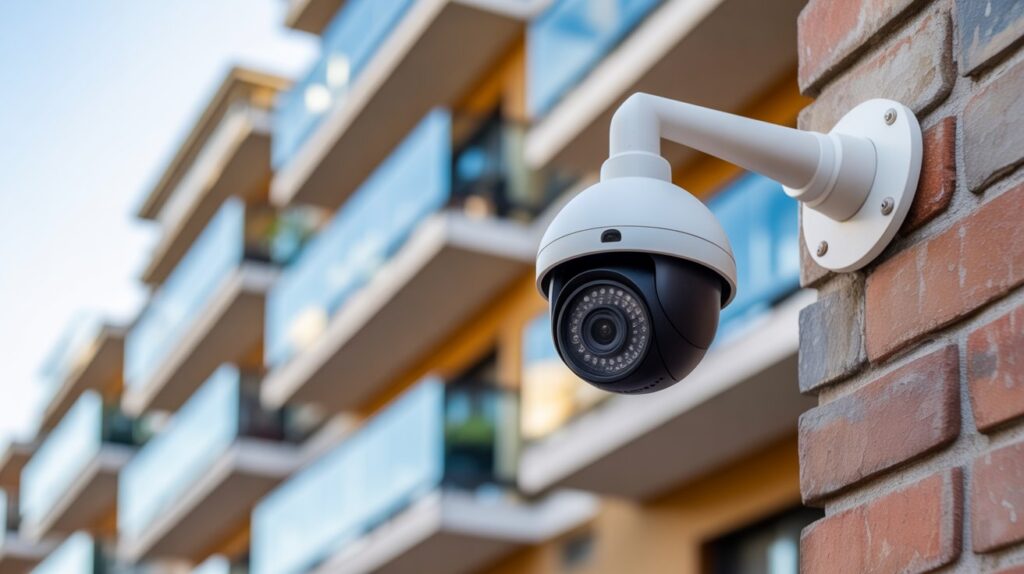
Protecting your apartment doesn’t have to mean breaking the rules. Following apartment security camera laws in California allows you to stay safe while respecting privacy and avoiding legal trouble. With the right approach, you can secure your home effectively and confidently.
Here are smart, legal ways to enhance your apartment security:
- Focus on your own space: Install cameras only inside your unit or at your front door, balcony, or patio, ensuring they capture only your property.
- Disable audio recording: Audio is heavily regulated under California law. Keeping cameras video-only avoids unintentional violations.
- Use motion alerts and smart notifications: Many modern cameras allow you to monitor unusual activity in real time without recording private areas.
- Secure packages and valuables: Combining cameras with smart locks, doorbell cameras, and secure storage reduces the need for intrusive monitoring.
- Communicate with neighbors: Letting neighbors know about camera placement in shared spaces (with landlord approval if necessary) builds trust and prevents conflicts.
- Regularly review recordings: Limit storage and access to recordings to avoid privacy concerns and ensure responsible usage.
By applying these practical steps, you can maximize safety while staying fully compliant with apartment security camera laws in California. Smart planning, responsible camera use, and respect for privacy help create a secure environment without overstepping legal boundaries.
Conclusion
Understanding apartment security camera laws in California is more than just following rules—it’s about creating a safe, respectful, and peaceful living environment. By knowing where and how cameras can be legally used, both renters and landlords can protect property without compromising privacy.
Safety and privacy don’t have to compete. When approached responsibly, security cameras become tools of confidence, not concern. Take a moment to reflect—are your current security measures truly protecting you while respecting those around you?
Empower yourself with knowledge, act responsibly, and make your apartment a place where safety and trust coexist.
“Before traveling, make sure you understand Is Pepper Spray Legal in NYC Subway? Complete Guide and consider carrying a Keychain Pepper Spray: The Compact Self-Defense Tool You Can Carry Anywhere for safe and convenient protection.”
FAQs
Q1: Can tenants install security cameras in California?
Yes, tenants can install cameras in their own apartments or private spaces, as long as they don’t invade neighbors’ privacy or record audio without consent.
Q2: Can I put a camera on my apartment balcony?
Yes, but it must face your own space only and not point toward neighbors’ units or common areas.
Q3: Are surveillance cameras legal in California?
Yes, video surveillance is legal in private spaces you control, but audio recording requires consent under California law.
Q4: Can someone video record you without your permission in California?
Not in areas where you have a reasonable expectation of privacy, such as bathrooms or private bedrooms.
Q5: Can I sue someone for recording me without my permission in California?
Yes, you can take legal action if someone violates your privacy by recording you in a private area without consent.


