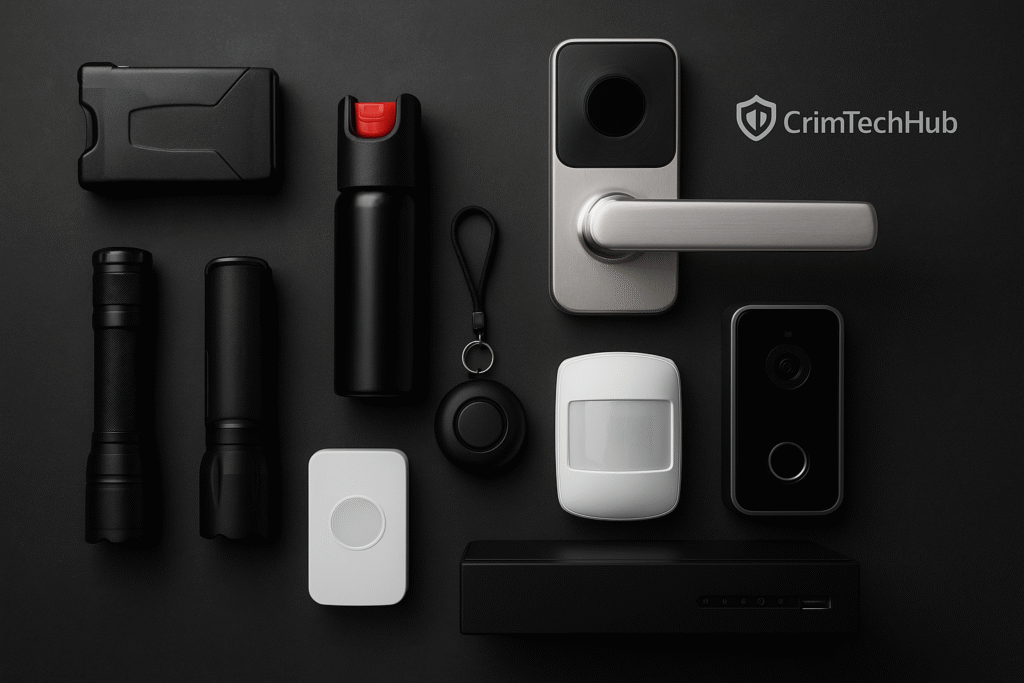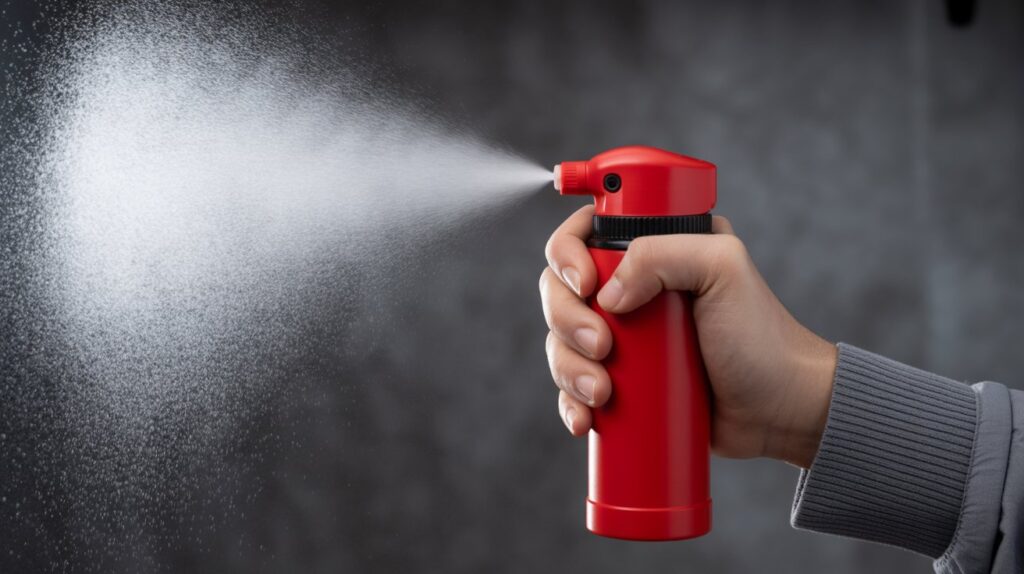
Is pepper spray legal in NJ? Yes. New Jersey allows eligible adults to possess one pocket-sized pepper spray device for personal self-defense, provided it meets the state’s legal requirements.
Under N.J.S.A. 2C:39-6(i), a person must be at least 18 years old, must not have been convicted of a crime, and may possess a device containing and releasing no more than three-quarters of an ounce of qualifying chemical substance.
The law also limits the device to a chemical substance intended to produce temporary physical discomfort or disability rather than lethal use or serious bodily injury. Understanding these conditions helps residents avoid illegal possession and misuse.
Table of Contents
1. Understanding New Jersey Pepper Spray Laws
New Jersey regulates civilian pepper spray under its weapons laws. Although qualifying personal defense sprays are permitted, possession is subject to specific conditions.
According to N.J.S.A. 2C:39-6(i), eligible individuals may possess:
- One pocket-sized personal defense spray device.
- No more than 0.75 ounces of the qualifying chemical substance.
- A chemical substance intended to cause temporary physical discomfort or disability.
- A product possessed for personal self-defense.
The statute does not simply establish a general allowance for any size or strength of pepper spray. The product must meet the specific legal requirements.
Read the official New Jersey Statutes § 2C:39-6 – Exemptions for the complete legal wording.
2. Who Can Legally Carry Pepper Spray in NJ?
New Jersey allows qualifying adults to possess pepper spray for personal protection, but the law establishes specific eligibility requirements.
Age Requirement
A person must be at least 18 years old to qualify under N.J.S.A. 2C:39-6(i).
Individuals under 18 do not qualify for this civilian possession exemption.
Criminal Conviction Requirement
The statute allows possession by an adult who has not been convicted of a crime.
Importantly, the law does not describe this condition as simply having no felony convictions or no previous violent or drug-related charges. Its actual wording refers to a conviction of a crime.
A criminal charge alone should not automatically be treated as a conviction.
Possession for Personal Self-Defense
The legal exemption applies to possession for personal self-defense. Carrying a qualifying device for this purpose is different from using it to threaten, intimidate, or attack another person.
3. Pepper Spray Size and Strength Restrictions in NJ
New Jersey places a specific limit on the amount of chemical substance a qualifying civilian device may contain and release.
Maximum 0.75-Ounce Limit
Under N.J.S.A. 2C:39-6(i), the device must contain and release no more than three-quarters of an ounce (0.75 oz) of the qualifying chemical substance.
This is a limit on the chemical substance specified by the statute, not a separately stated limit on the percentage of OC concentration.
Chemical Formula and Product Requirements
The law describes a qualifying chemical substance as one not ordinarily capable of lethal use or causing serious bodily injury, but intended to produce temporary physical discomfort or disability when released into the air.
Oleoresin capsicum (OC), commonly derived from hot peppers, is used in many civilian personal defense sprays.
Do not assume that every product marketed as pepper spray automatically qualifies under New Jersey law. Check its labeling, formulation, and manufacturer specifications before purchasing.
One Pocket-Sized Device
The statutory exemption specifically refers to one pocket-sized device.
Do not assume that the same exemption automatically covers multiple devices or larger professional-grade products.
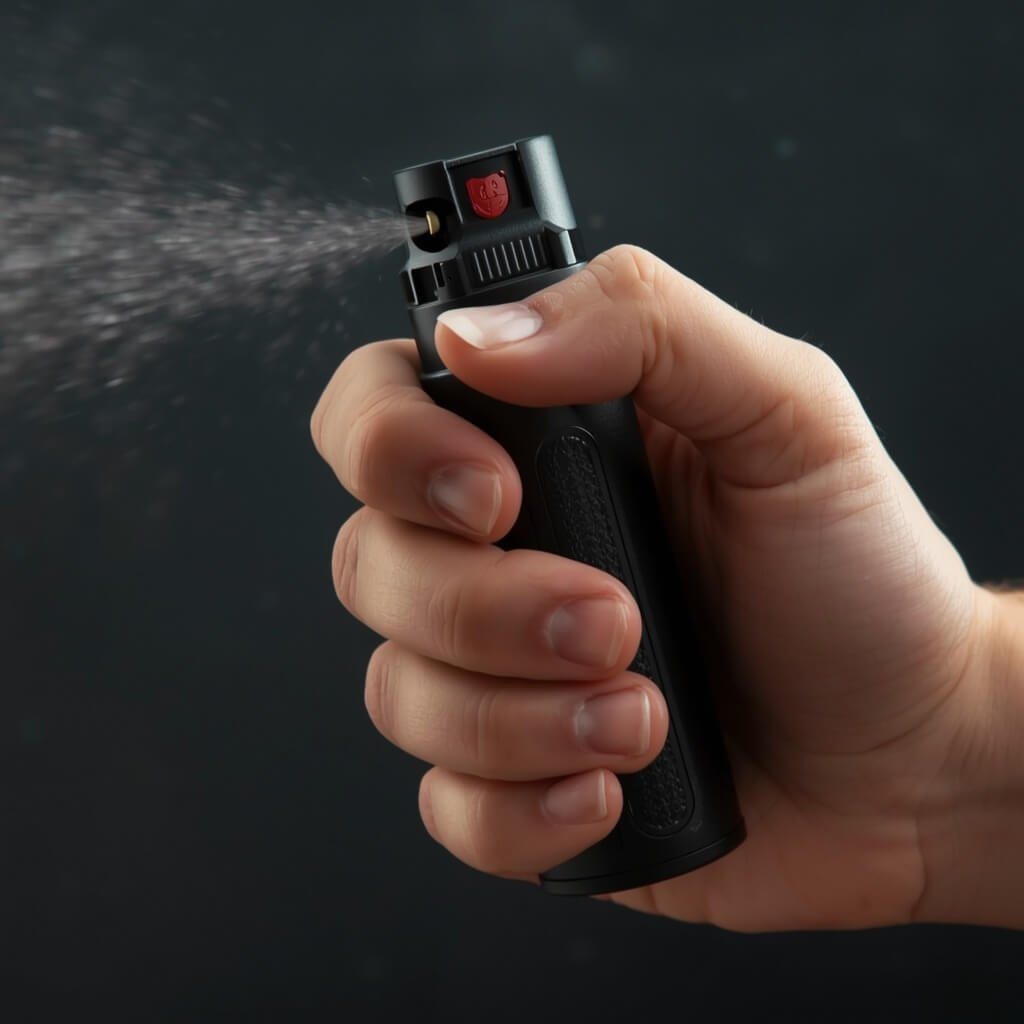
4. Can You Carry Pepper Spray for Self-Defense in NJ?
Yes. Eligible adults can possess qualifying pepper spray for personal self-defense under New Jersey law.
However, possessing a legal product does not mean you can use it whenever you feel uncomfortable or get into an argument.
Under N.J.S.A. 2C:3-4 – Use of Force in Self-Protection, force is justified when a person reasonably believes it is immediately necessary to protect themselves against another person’s unlawful force on the present occasion.
Consider these important points:
- Immediate necessity: Defensive force must be immediately necessary under the circumstances.
- Reasonable belief: The person must reasonably believe that protection against unlawful force is necessary.
- Lawful purpose: Pepper spray should not be used to threaten, punish, or retaliate against someone.
- Circumstances matter: The legality of using force depends on the facts of the particular incident.
New Jersey’s self-defense law provides the legal standard. It does not give anyone unlimited permission to use pepper spray against another person.
5. Penalties for Illegal Possession or Misuse of Pepper Spray in NJ
Possessing a device outside the conditions established by N.J.S.A. 2C:39-6(i) can result in criminal consequences.
The statute specifically states that a person possessing a device in violation of this subsection is considered a disorderly person.
Minimum Fine for Illegal Possession
Under the statute, a person convicted of violating this provision must receive a fine of at least $100.
This penalty is specifically stated in N.J.S.A. 2C:39-6(i).
Unlawful Use Against Another Person
Using pepper spray to threaten, assault, or intentionally harm someone without legal justification may lead to separate criminal consequences.
The exact offense and potential penalties depend on the circumstances, including the person’s conduct and any resulting injuries.
For the applicable legal standard, review New Jersey’s self-defense law, N.J.S.A. 2C:3-4.
6. How to Buy Pepper Spray Legally in New Jersey
Before purchasing a personal defense spray, check that the product meets New Jersey’s statutory requirements.
Follow these practical steps:
1. Check the Device Size
Confirm that the device is pocket-sized and contains and releases no more than 0.75 ounces of the qualifying chemical substance.
2. Review the Product Label
Check the ingredients, container specifications, expiration date, and manufacturer instructions.
3. Confirm Your Eligibility
Make sure you meet the statutory age and criminal-conviction requirements.
4. Choose a Clearly Labeled Product
Avoid products with unclear specifications or missing safety information. Do not assume that a product is lawful simply because an online seller advertises it as suitable for self-defense.
5. Keep Product Information
Retain the original packaging, purchase receipt, and manufacturer documentation so you can verify the product’s size, ingredients, expiration date, and handling instructions when needed. For additional guidance, read our pepper spray safety and handling guide.
6. Check Retailer and Shipping Policies
Retailers may have their own age-verification and shipping procedures. Confirm that the seller can legally supply the product to your New Jersey address and that it meets the requirements of N.J.S.A. 2C:39-6(i). For more information about product specifications and responsible purchasing, see our pepper spray product guide.
7. Safe Use and Storage Tips for NJ Residents
Proper storage and handling help reduce accidental discharge and unnecessary exposure.
Learn the Manufacturer’s Instructions
Read the operating instructions before carrying pepper spray. Understand its safety mechanism and handling requirements.
Keep It Secure
Use a suitable carrying holder or protected compartment. Keep the device away from children and unauthorized users.
Check the Expiration Date
Follow the manufacturer’s replacement recommendations. An expired or damaged canister may not perform as intended.
Avoid Excessive Heat
Do not leave pepper spray inside a hot vehicle or near heating equipment. Follow the manufacturer’s recommended storage temperature.
Use It Only for Lawful Self-Defense
Never use pepper spray as a prank, threat, or method of retaliation. Its use must comply with New Jersey’s self-defense laws.
For additional precautions, read our guide to safe and responsible pepper spray use.
8. Frequently Asked Questions About New Jersey Pepper Spray Laws
1. Is pepper spray legal in NJ for self-defense?
Yes. Adults aged 18 or older who have not been convicted of a crime may possess one qualifying pocket-sized device for personal self-defense, subject to the 0.75-ounce chemical-substance limit.
2. What is the maximum pepper spray size allowed in New Jersey?
The device must contain and release no more than three-quarters of an ounce (0.75 oz) of the qualifying chemical substance under N.J.S.A. 2C:39-6(i).
3. Can someone under 18 carry pepper spray in New Jersey?
The civilian possession exemption under N.J.S.A. 2C:39-6(i) applies to people aged 18 or older. Minors do not qualify under this provision.
4. Can someone with a criminal conviction possess pepper spray?
The statutory exemption applies to individuals who have not been convicted of a crime. A person with a criminal conviction should obtain qualified legal advice before possessing a personal defense spray.
5. What is the penalty for illegal pepper spray possession in NJ?
A person violating N.J.S.A. 2C:39-6(i) may be classified as a disorderly person. Upon conviction under this provision, the statute requires a fine of at least $100.
9. Conclusion
New Jersey allows eligible adults to possess one qualifying pocket-sized pepper spray device for personal self-defense. However, the 18-year age requirement, criminal-conviction restriction, and 0.75-ounce chemical-substance limit must be followed.
Before carrying a personal defense spray, review the current state law and understand when defensive force is legally justified. Responsible possession and proper handling can help prevent unnecessary legal and safety problems.
Legal Disclaimer
This article is for informational and educational purposes only and does not constitute legal advice. CrimTechHub makes reasonable efforts to provide accurate and updated information about New Jersey pepper spray laws, but laws and regulations may change.
Readers should verify current requirements through official legal sources and consult a qualified New Jersey attorney for advice about their specific circumstances. Do not rely solely on this article to make legal decisions.
CrimTechHub is not a law firm and does not guarantee that the information applies to every situation. Always follow applicable laws and manufacturer safety instructions.