Introduction
Understanding the average cost of a home security system with cameras can help homeowners in the USA plan their budget before choosing a security setup. The total cost can vary depending on the number of cameras, equipment, installation, monitoring, and optional features.
Home security systems range from simple camera setups to more complete systems that include cameras, sensors, alarms, and professional monitoring. Because pricing and features vary, comparing the upfront and ongoing costs is important.
In this guide, we’ll explain the main costs of home security systems with cameras, the factors that affect pricing, and what to consider when comparing different options.
Table of Contents
Average Cost of Home Security System With Cameras (2026 Guide for U.S. Homeowners)
The average cost of a home security system with cameras depends on several factors, including the number of cameras, equipment, installation, storage, and optional professional monitoring. Prices can vary significantly between DIY and professionally installed systems.
For U.S. homeowners, comparing both the upfront equipment cost and ongoing monthly fees is important when estimating the total cost of a security system.
What Affects the Cost?
Several factors can influence the overall price:
- Number of indoor and outdoor cameras
- Camera resolution and night vision capabilities
- Motion detection and smart alerts
- Smart home integration
- Professional installation
- Cloud or local video storage
- Professional monitoring services
Monthly Monitoring Costs
Some security systems offer optional professional monitoring for an additional monthly fee. Others allow homeowners to monitor cameras and alerts themselves.
Before choosing a plan, check whether the monthly subscription includes features such as video storage, advanced alerts, or professional monitoring.
What You Get for the Cost
A home security system with cameras may provide features such as:
- Remote video viewing
- Motion alerts
- Recorded video evidence
- Night vision
- Integration with other smart-home devices
The right setup depends on your home’s size, the areas you want to monitor, and your budget. For example, homeowners focusing on outdoor areas may also benefit from understanding outdoor security cameras and their features before choosing a system.
When comparing the average cost of a home security system with cameras, consider the complete cost of equipment, installation, storage, and monitoring rather than focusing only on the initial purchase price.
Why Understanding Home Security System Costs Matters
Understanding the average cost of a home security system with cameras helps U.S. homeowners create a realistic budget before purchasing equipment or signing up for a monitoring plan.
Home security costs can vary based on the number of cameras, installation requirements, video storage, smart features, and professional monitoring. Comparing these factors makes it easier to understand what you’re actually paying for.
Cost awareness can also help homeowners avoid paying for features they may not need. A smaller home may require fewer cameras, while a larger property may need additional coverage and equipment.
When comparing the average cost of home security systems, look beyond the initial equipment price. Consider installation, monthly subscriptions, storage fees, and other ongoing expenses to understand the potential long-term cost.
By comparing these factors in advance, homeowners can choose a security setup that fits their property, security needs, and budget without unnecessary expenses.
What Is a Home Security System With Cameras? (Quick Overview)
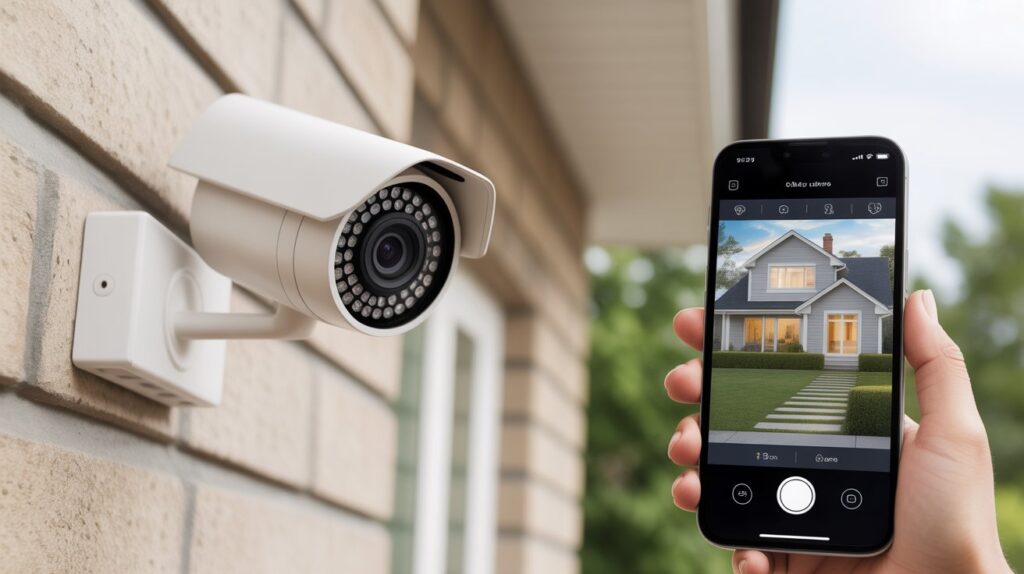
A home security system with cameras combines video surveillance with security equipment such as door and window sensors, motion detectors, alarms, and a central hub. Depending on the system, homeowners can view live footage, receive alerts, and manage security devices through a mobile app.
The main purpose is to improve home monitoring and security awareness. Security cameras can provide live or recorded video, while sensors and alarms can alert homeowners when activity is detected.
A basic alarm system may notify you when a protected door or window is opened. A camera-based security setup can add visual information, allowing homeowners to review what happened and when.
Because these systems can include additional cameras, sensors, cloud storage, smart-home features, and professional monitoring, the total cost can vary significantly. Understanding the equipment and services included is important when comparing different home security options.
Average Cost of a Home Security System With Cameras in the USA
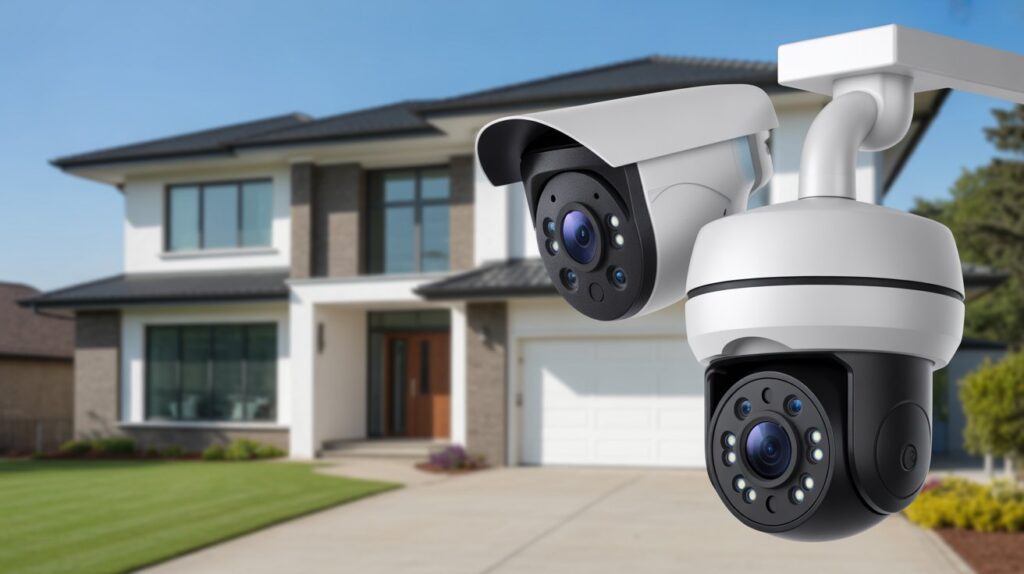
The average cost of a home security system with cameras can vary depending on factors such as the size of the property, number of cameras, video quality, storage options, installation, and optional smart features. Homeowners in the USA can choose from simple camera setups to more complete security systems that combine video surveillance with sensors and alarms.
Different Types of Home Security Systems
Home security systems with cameras can generally be grouped into three levels based on equipment, features, and coverage:
- Basic Systems:
These setups are suitable for smaller homes, apartments, or homeowners who need basic video monitoring. They may include a small number of cameras, motion detection, mobile alerts, and app-based access. - Mid-Range Systems:
These systems may include additional indoor or outdoor cameras, improved video resolution, enhanced night vision, smart notifications, and expanded storage options. They can be suitable for homeowners who need broader coverage. - Advanced Security Systems:
More comprehensive setups may combine multiple cameras with door and window sensors, motion detectors, alarms, smart-home integration, and optional professional monitoring. The total cost can be higher because of the additional equipment and services involved.
What Impacts the Overall Cost?
Several factors can affect the total cost of a home security camera system, including:
- Number of indoor and outdoor cameras
- Video resolution and image quality
- Night vision capabilities
- Motion detection and smart alerts
- Cloud or local video storage
- Smart-home compatibility
- Professional installation
- Professional monitoring services
- Number of security sensors and other devices
For homeowners comparing different setups, it is also useful to consider the type of security camera, installation requirements, and how much property coverage is actually needed.
Understanding Upfront and Ongoing Costs
When researching the average cost of a home security system with cameras, look beyond the initial equipment price. The total cost can include both upfront expenses and recurring charges.
- Upfront costs may include cameras, sensors, a hub or control panel, mounting equipment, and installation.
- Ongoing costs may include cloud video storage, professional monitoring, or optional subscription features.
- Local storage options may reduce or eliminate the need for a recurring cloud storage subscription, depending on the system.
Understanding these costs in advance can make it easier to compare security systems based on their total ownership cost rather than only the initial purchase price.
Choosing the Right System for Your Home
The most expensive security system is not necessarily the right choice for every property. Homeowners should consider factors such as property size, entry points, camera placement, required video coverage, storage preferences, and monitoring needs before deciding on a setup.
A smaller property may only require a few strategically placed cameras, while a larger home may need additional cameras and sensors to cover multiple areas. For a broader look at what homeowners may pay for different security setups, you can also read our guide to the average cost of home security systems with cameras.
Comparing equipment, installation, storage, and ongoing service costs can help homeowners choose a security setup that matches their property and budget without paying for unnecessary features.
Breakdown of Home Security System Costs
Equipment Costs (Cameras, Sensors & Control Panels)
- Indoor cameras are usually the most affordable part of a system. They help monitor living areas, entry points, or kids and pets, and play a key role in keeping the average cost of a home security system with cameras reasonable for smaller homes.
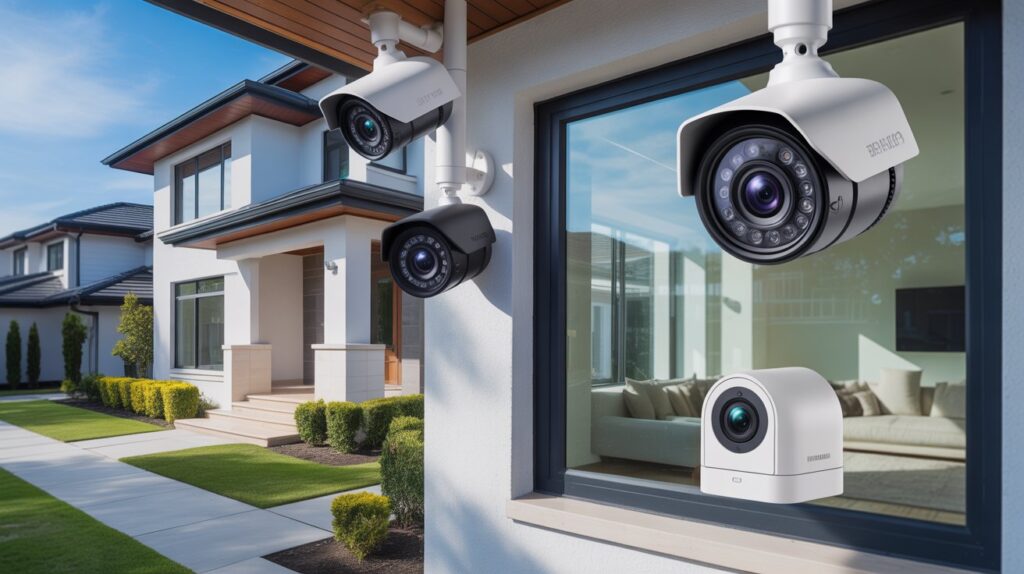
- Outdoor cameras cost more because they are weather-resistant and built for night vision and wide coverage. Most U.S. homeowners prioritize these for front doors, driveways, and backyards.
- Motion sensors and door/window sensors add another layer of protection by detecting movement or entry attempts. These are often bundled with cameras and help create a complete security setup, not just video recording.
Installation Costs (DIY vs Professional Installation)
- DIY installation is popular in the USA because it reduces upfront costs. Homeowners can set up cameras and sensors themselves using step-by-step apps, making it a budget-friendly option.
- Professional installation costs more but offers expert placement and setup. Many families prefer this option for larger homes or complex layouts where proper camera angles matter.
Monthly Monitoring & Subscription Fees
- With monitoring, homeowners pay a monthly fee for 24/7 emergency response, cloud storage, and smart alerts. This ongoing cost increases the total average cost of a home security system with cameras but adds peace of mind.
- Without monitoring, systems rely on local storage like SD cards or hard drives. These setups avoid monthly fees and are ideal for users who want control without long-term subscriptions.
Average Cost by Type of Security Camera System
- Wired camera systems are often chosen for long-term reliability and stable video quality. These systems usually have a higher upfront setup cost because of wiring and professional installation. However, many U.S. homeowners see them as a solid investment, especially when planning the average cost of a home security system with cameras for permanent homes.
Wired systems work best for homeowners who don’t plan to move soon and want consistent performance without relying on Wi-Fi signals. Over time, their durability can balance out the higher initial expense. - Wireless camera systems are more flexible and popular among renters and modern households. They usually cost less upfront and are easier to install, making them attractive for budget-conscious buyers. For many families, this option keeps the average cost of a home security system with cameras within an affordable range.
These systems rely on Wi-Fi and are ideal for quick setup, apartment living, or frequent home changes. While some may require battery replacements or subscriptions, the convenience often outweighs the trade-offs. - Smart home integrated systems are the most advanced and typically the most expensive. They connect cameras with smart locks, lights, and voice assistants, increasing both comfort and control. This type of system raises the average cost of a home security system with cameras, but offers a fully connected home experience.
Homeowners who value automation and centralized control often find the extra cost worthwhile, especially when security and daily convenience are combined into one system.
How Home Size & Property Type Affect Total Cost
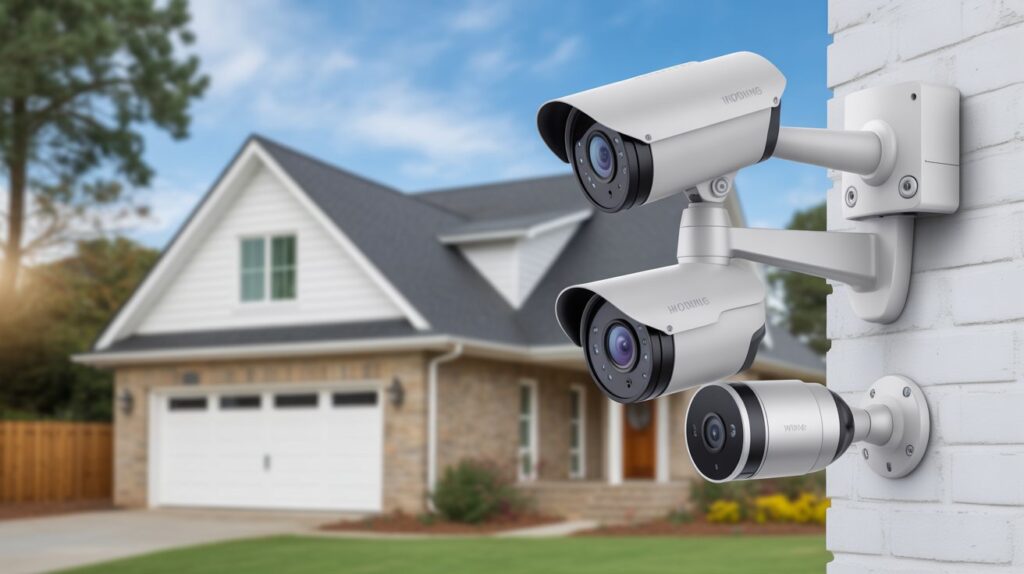
The average cost of a home security system with cameras can vary depending on the size, layout, and type of property. Larger homes may require more cameras, sensors, and installation work to cover multiple areas, while apartments and smaller homes may need fewer security devices.
Property layout also matters because entrances, driveways, garages, windows, and other access points can affect how much security coverage is needed. The U.S. Department of Justice discusses these factors in its guidance on Crime Prevention Through Environmental Design (CPTED), including access control, visibility, lighting, and property layout.
Apartments & Small Spaces
Apartments and smaller properties generally have fewer areas that need monitoring, which can simplify the overall security setup.
Common considerations include:
- Fewer cameras may be needed for basic coverage
- Compact layouts can make camera placement simpler
- Renters may prefer security options that require minimal installation
- Fewer devices can reduce equipment and installation costs
For apartments, it is also important to consider rental rules and whether permanent modifications are allowed before installing security equipment.
Single-Family Homes
Single-family homes often have more entry points and outdoor areas to monitor than apartments. Depending on the property’s layout, homeowners may consider coverage for entrances, garages, driveways, backyards, and other areas.
A typical setup may involve:
- Cameras covering main entrances and outdoor areas
- Door and window sensors
- Motion detection for selected areas
- Night vision for low-light conditions
- Optional professional installation
The number and placement of devices can have a significant effect on the overall cost.
Large Homes & Multi-Story Properties
Larger and multi-story homes may require more planning because of their size, multiple entrances, additional floors, and wider outdoor areas.
Homeowners may need to consider:
- Additional cameras for broader property coverage
- More door, window, or motion sensors
- Coverage for garages, driveways, and side entrances
- Smart-home integration
- Professional installation for more complex setups
A larger system does not automatically mean better security. The goal is to identify the areas that actually need monitoring and select equipment according to the property’s requirements.
Property Layout Also Matters
Home size is only one part of the cost. The layout of the property can influence camera placement, wiring requirements, installation time, and the number of devices needed.
For example, a small home with multiple exterior entrances may require more coverage than a larger property with fewer accessible entry points. Factors such as visibility, lighting, landscaping, and access points can also influence residential security planning.
Understanding your property’s layout before purchasing equipment can help you estimate the total cost of a home security system with cameras more accurately and avoid paying for unnecessary coverage.
Hidden & Long-Term Costs Most Homeowners Don’t Expect
When calculating the average cost of a home security system with cameras, it’s easy to focus only on the initial price of cameras and installation. However, the total cost of a security system can also include recurring fees, maintenance, replacements, and optional features.
Understanding these potential expenses can help U.S. homeowners estimate the total cost of home security more accurately and avoid unexpected charges over time.
Cloud Video Storage & Subscription Fees
Cloud storage can be an ongoing expense for some security camera systems. Depending on the service, basic storage may be limited, while longer video retention or additional features may require a paid subscription.
Before choosing a system, check:
- How much cloud storage is included
- How long recorded footage is retained
- Whether advanced features require a subscription
- Whether local storage is available as an alternative
Maintenance & Equipment Replacement
Security equipment can require maintenance or replacement as it ages. Cameras, sensors, power supplies, and batteries may eventually need attention because of normal wear, environmental exposure, or technical problems.
Potential long-term expenses can include:
- Replacing worn-out batteries
- Repairing or replacing damaged equipment
- Updating older security devices
- Professional service or troubleshooting
Keeping equipment properly maintained can help homeowners identify problems before they affect the overall security setup.
Smart Home Add-Ons
Connecting a security system with other smart-home devices can increase the overall cost. Optional devices and integrations may include smart locks, lighting controls, additional sensors, or compatible home automation equipment.
These features can add convenience, but they are not necessary for every homeowner. Consider whether each additional device provides a useful function for your property before adding it to your system.
Professional Monitoring Costs
Some homeowners choose professional monitoring in addition to self-monitoring through a mobile app. Monitoring services can create a recurring monthly or annual expense, so this cost should be included when calculating the long-term price of a security system.
Installation & Future Upgrades
Installation costs can also vary depending on the complexity of the setup. A system with multiple cameras, sensors, wiring requirements, or difficult mounting locations may require more installation work.
Over time, homeowners may also decide to add cameras, replace older equipment, or expand coverage to additional areas of the property.
Calculate the Total Cost Before Buying
The true average cost of a home security system with cameras is not always reflected in the initial equipment price. Cloud storage, monitoring, maintenance, installation, replacements, and optional smart-home features can all affect the long-term expense.
Considering both upfront and recurring costs makes it easier to compare security systems realistically and choose a setup that fits your property, security needs, and budget.
Are Home Security Systems Worth the Cost? (Cost vs Value Analysis)
Whether a home security system is worth the cost depends on the homeowner’s property, security needs, equipment, and ongoing expenses. Instead of looking only at the initial price, it can be helpful to compare the cost of a home security system with the features and services it provides.
Insurance Discounts
Some home insurance providers may offer discounts for certain security features or monitored alarm systems. However, eligibility and discount amounts can vary by insurer, policy, location, and type of security system.
Homeowners should check directly with their insurance provider to determine whether their security setup qualifies for any available discount.
Security Awareness and Deterrence
Security cameras, alarms, lighting, and other security devices can improve awareness around a property by providing alerts or recorded video when activity is detected.
Visible security equipment may also influence how a property is perceived by potential offenders, although a security system cannot guarantee that a crime will not occur.
For a better understanding of the expenses involved, see our guide to the average cost of a home security system with cameras and the factors that can affect overall system costs.
Convenience and Peace of Mind
Another factor homeowners may consider is convenience. Depending on the system, mobile apps can allow users to check cameras, receive alerts, and manage certain security devices remotely.
For some households, these features can provide greater awareness when they are away from home or during everyday activities. However, the value of these features depends on individual preferences and how the system is used.
Cost vs. Long-Term Value
The value of a home security system is not determined by the equipment price alone. Homeowners should also consider:
- Initial equipment and installation costs
- Monthly or annual monitoring fees
- Cloud storage or subscription costs
- Maintenance and equipment replacement
- Number of cameras and sensors required
- Smart-home features and integrations
- The size and layout of the property
Looking at these factors together provides a more realistic way to evaluate the average cost of a home security system with cameras and its potential long-term value.
Best Budget Range for Different Homeowners (Quick Cost Guide)
The average cost of a home security system with cameras can vary based on your lifestyle, property size, and security expectations. Choosing the right setup for your situation helps you avoid overspending while still getting reliable protection.
For Renters
Renters usually prefer simple and flexible security systems that are easy to install and remove when moving.
- Wireless cameras work well for apartments
- DIY setups help avoid installation hassles
- Basic motion alerts and mobile access are often enough
For First-Time Homeowners
New homeowners often look for balanced security that protects their investment without becoming overly expensive.
- Indoor and outdoor camera coverage is common
- Smart alerts and remote monitoring improve convenience
- Expandable systems allow future upgrades
For Families & Larger Homes
Families living in bigger homes generally need wider coverage and stronger monitoring options.
- Multiple cameras help secure key entry points
- Motion sensors improve overall safety
- Professional installation may provide better camera placement
For Smart Home Users
Some homeowners prefer advanced systems connected with smart devices and automation features.
- Smart locks and lighting integration add convenience
- Voice assistant compatibility improves control
- Centralized monitoring creates a more connected security experience
The right security setup should match your home size, daily routine, security needs, and budget. A well-planned system can provide useful monitoring and security features while keeping the average cost of a home security system with cameras practical and manageable over time.
Conclusion
Choosing a home security system is about finding the right balance between coverage, features, installation, ongoing costs, and your property’s specific needs. A system that fits your home and daily routine can provide useful security monitoring without adding unnecessary expenses.
Before making a decision, consider the number of cameras and sensors you need, storage and monitoring costs, installation requirements, and potential future upgrades. You can also review our guide on the average cost of home security systems with cameras to better understand the factors that can affect your overall budget.
Every home is different, so there is no single setup that works for everyone. By assessing your property, comparing total costs, and choosing features based on your actual needs, you can create a practical security setup that provides greater awareness and convenience over time.
FAQs
Q1: How Much Does a Home Security System With Cameras Cost?
The cost of a home security system with cameras varies depending on the number of cameras, equipment, installation, storage, monitoring, and additional features. Homeowners should consider both upfront and ongoing costs when comparing systems.
Q2: How Much Does a CCTV Security System Cost?
The cost of a CCTV system depends on the number of cameras, video resolution, storage method, installation requirements, and other equipment. A basic setup can cost less than a larger system with multiple cameras and professional installation.
Q3: How Much Does Professional Security Monitoring Cost Per Month?
Professional monitoring typically involves a recurring monthly fee. The actual cost depends on the provider, monitoring plan, equipment, and included features. Homeowners should check the current pricing and terms before choosing a monitoring service.
Q4: Do Security Cameras Have a Monthly Fee?
Not all security cameras require a monthly fee. Some cameras offer local storage without a subscription, while others may require a monthly plan for cloud storage, extended video history, advanced alerts, or additional features.
Q5: Can Security Cameras Work Without Wi-Fi?
Yes, some security cameras can work without Wi-Fi. Cameras using local storage, SD cards, DVRs, or NVRs may record video without an internet connection, although remote viewing and certain smart features may require internet access.
Q6: Does CCTV Use a Lot of Electricity?
Most home security cameras are designed to use relatively low amounts of electricity. Actual power consumption depends on the camera type, recording settings, night vision, and other features.
Q7: What Is the Difference Between 2K and 4K Security Cameras?
A 4K security camera provides a higher resolution than a 2K camera and can capture more image detail. However, the right resolution depends on factors such as camera placement, viewing distance, storage capacity, and network requirements.
Q8: What Should I Consider When Choosing a Home Security Camera System?
Important factors include camera coverage, video resolution, night vision, motion detection, storage options, installation requirements, smart-home compatibility, and any ongoing subscription or monitoring costs.
About the Author
Muhammad Bilal Shahid is a Criminology graduate and security-focused writer who researches home security, crime prevention, personal safety, and security technology.
Through CrimTechHub, he creates practical, research-based content that helps homeowners understand security systems, cameras, sensors, and other modern security solutions. His approach focuses on explaining technical and safety-related topics in a clear, responsible, and easy-to-understand way.
His content combines a criminology background with an interest in modern security technology, with a focus on providing useful information that readers can use when researching home security options.
Areas of Expertise: Criminology • Home Security • Security Cameras • Crime Prevention • Personal Safety