Introduction
Carrying something for personal safety is a decision more people are thinking about, especially when walking alone at night or through unfamiliar areas. Kitty knuckles self defense keychains have become one of the most talked-about options — small, cat-shaped, and easy to carry — but before choosing one, it’s worth understanding exactly what they are, how they work, and where they stand legally.
This matters more than most people realize: these tools function as impact weapons, which means their legal status varies significantly by state. In this guide, we’ll break down what kitty knuckles are, how they’re meant to be used, the legal restrictions you need to check first, and whether they actually make sense for your situation compared to non-impact alternatives like pepper spray or personal alarms.
Table of Contents
Why More People Are Searching for Kitty Knuckles Self Defense Tools Today
Interest in compact self-defense tools has grown steadily as more people look for simple, no-training-required ways to feel prepared. Kitty knuckles fit that search directly — small enough to carry daily, discreet enough not to draw attention, yet designed to give the user a firmer grip and a quick way to react if a situation turns dangerous.
Social media has played a real role in this too, with keychain-style impact tools showing up frequently in personal safety content aimed at women and solo travelers. That visibility has pushed more people to compare their options — not just kitty knuckles, but the full range of everyday-carry tools like pepper spray and personal alarms, since each works differently depending on the situation. Rising interest in kitty knuckles ultimately reflects a broader pattern: people want protection that’s small, accessible, and doesn’t require carrying anything that feels heavy or intimidating — but it also means more people need clear, accurate information on how these tools actually work and where they’re legally allowed, before deciding if one is right for them.
What Are Kitty Knuckles?
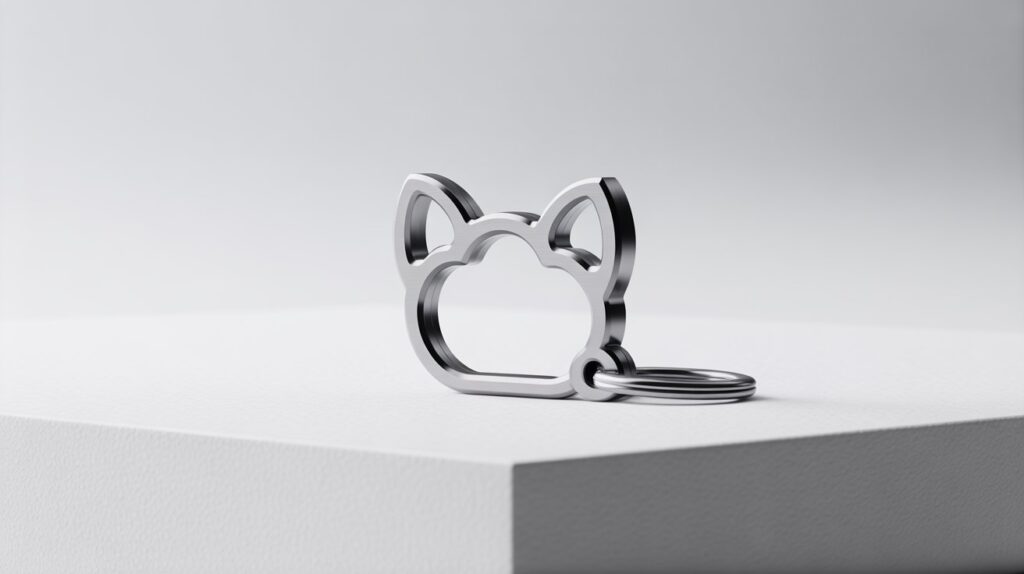
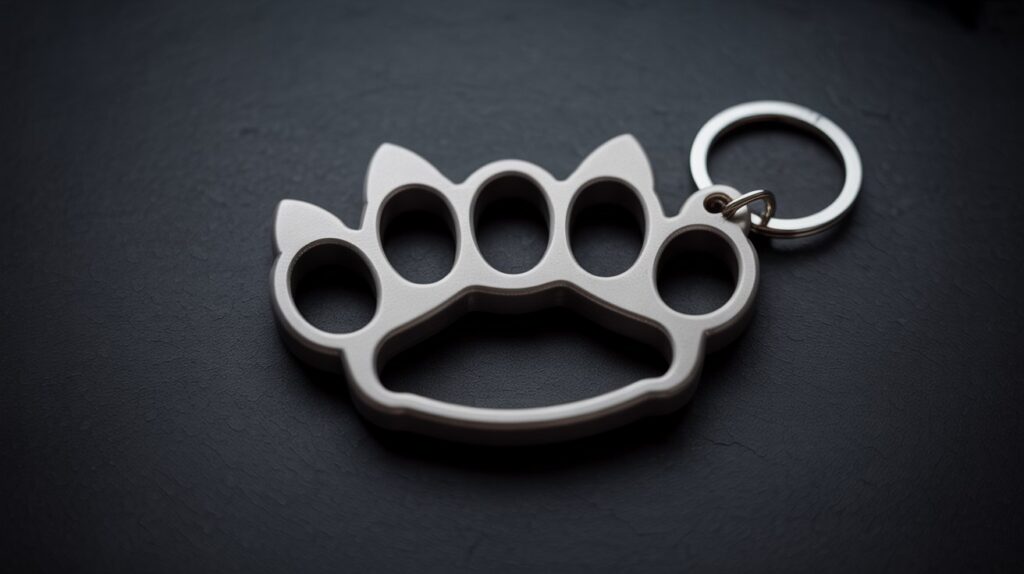
Kitty knuckles are compact, handheld impact tools shaped like a cat’s face — a design that looks playful but functions as a close-range self-defense device. The idea is simple: give someone a small, sturdy tool that improves grip and striking ability if they’re ever in a threatening situation.
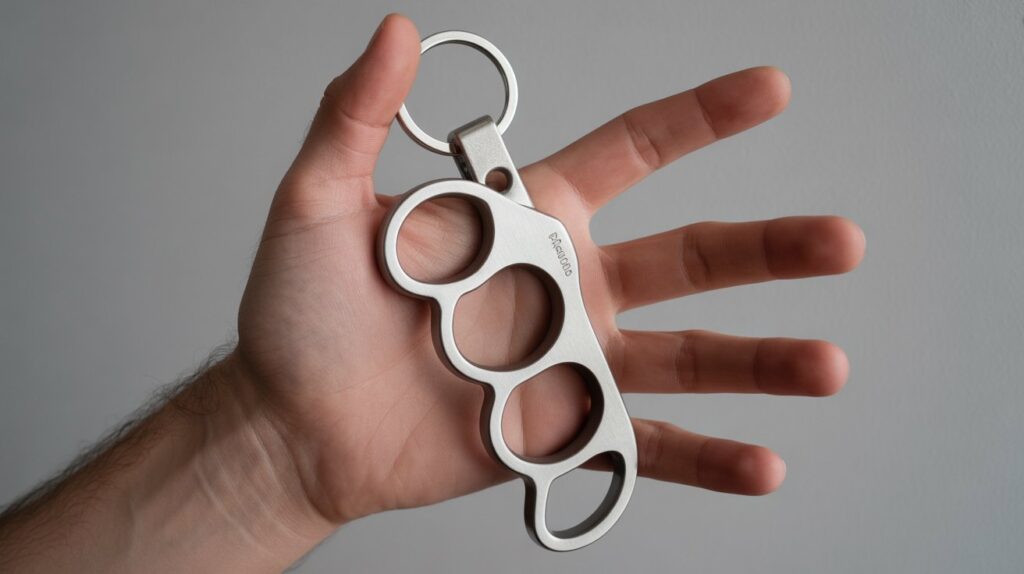
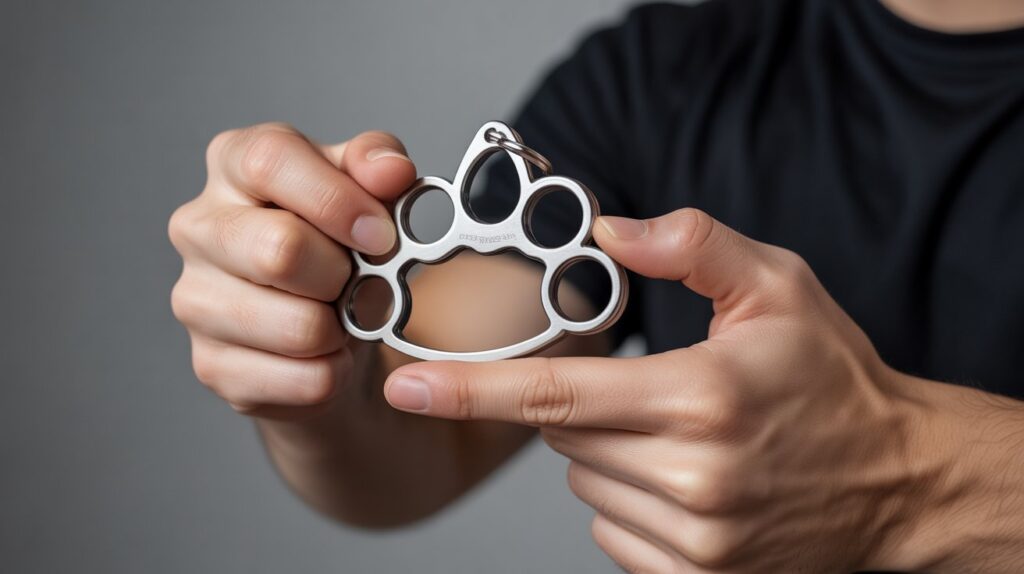
They’re typically sold as keychains, easy to clip onto a bag, purse, or set of car keys. When gripped, your fingers slide through the finger holes and the pointed “ears” extend outward, turning your hand into a firmer, more stable striking surface in a stressful moment.
Key Features of Kitty Knuckles
- Lightweight and easy to carry daily
- Cat-ear design that functions as impact points
- Made from plastic, aluminum, or metal depending on the model
- Looks like an ordinary keychain rather than a weapon
- Designed to fit naturally in the hand for fast use
The appeal is largely about how non-threatening they look. For someone who wants a self-defense option without carrying something that visually reads as a weapon, this design feels more approachable than a knife or stun gun — though legally, many states still treat it the same way they treat a traditional impact weapon.
You may also see these tools referred to as:
- cat ear knuckles
- self-defense keychains
- cat-shaped impact tools
Kitty knuckles aren’t built for prolonged confrontation or overpowering an attacker. Their purpose is narrower: create a brief opening to break free and get to safety. If you’re weighing this against other everyday-carry options, our guide on a complete self-defense kit for women covers how tools like this compare to alarms and sprays as part of a broader safety plan.
How Kitty Knuckles Work for Personal Protection
Kitty knuckles work through two simple mechanics: a firmer grip and a design that turns your hand into a more stable striking surface. When your fingers slide through the holes, the pointed “ears” extend outward, giving you something solid to hold onto if a threatening situation happens quickly.
That stability matters more than people expect. Under stress, adrenaline makes hands shake and grip strength drop — which is exactly when a tool that locks into place naturally becomes useful. Kitty knuckles are built around two core functions:
1. Better Grip and Stability
Your fingers lock into place when holding the tool, which helps you:
- Maintain a steady grip
- Avoid dropping it in a high-stress moment
- Stay physically in control even when scared
2. Creating an Opening to Get Away
The pointed “ears” are designed to create targeted pressure, giving you a chance to:
- Break free from a grab
- Create distance from the threat
- Move to safety quickly
The purpose isn’t to win a physical confrontation — it’s to create just enough of an opening to escape. For a broader look at how tools like this compare to non-contact options, see our breakdown of personal safety tools for women, which covers when distance-based tools like pepper spray may be the safer choice instead.
Why This Tool Works Well for Everyday People
- Simple to hold, with no learning curve
- Doesn’t require formal self-defense training
- Ready to use instantly in a close-range situation
- Fits naturally in the hand for quick reaction
- Discreet enough to carry without looking like a weapon
For many people, the appeal comes down to accessibility — a tool that’s already in hand rather than buried in a bag when it’s needed most. Its purpose stays narrow and specific: help you react quickly and create an opening to get to safety when a threat appears without warning.
Are Kitty Knuckles Legal? (Important Safety Information)
⚠️ Legal Disclaimer: Kitty knuckles function like metal or brass knuckles under most state laws, and many states classify them as prohibited weapons regardless of their appearance. Possessing or carrying one in a restricted state can lead to criminal charges even without intent to cause harm. Always verify your specific state’s current laws before purchasing or carrying one — this article is informational only and isn’t legal advice.
Kitty knuckles aren’t legal everywhere, and the difference matters more than most buyers realize. Some states treat them as harmless novelty keychains. Others classify them the same way they classify brass knuckles — as a prohibited weapon — because legality is determined at the state level and often depends on possession, concealed carry, or intent, rather than how the item looks.
That distinction is the key to understanding these laws: definitions vary by statute, with some states regulating only metal knuckles while others include hard plastics or any device designed to reinforce the fist. A version that’s legal to own in one state can still be illegal to carry concealed, and even where possession is allowed, carrying one typically requires a concealed weapons permit in several states.
Location matters just as much as the state you’re in. Airports, government buildings, schools, and other secured spaces almost universally treat these tools as prohibited items, regardless of your home state’s rules. And crossing state lines can flip your legal status entirely — a tool that’s fine to own at home can become a criminal charge the moment you carry it somewhere it isn’t.
Because these laws shift often and vary by city and county too, the only reliable approach is checking your specific state’s current statute before you buy or carry one — a resource like this state-by-state legality breakdown is a good starting point, though it should never replace checking your local law directly.
Kitty Knuckles vs Other Self-Defense Tools
Kitty knuckles get attention because they’re small, simple, and easy to carry — but they’re one option among several. Most people comparing everyday-carry safety tools weigh them against pepper spray, personal alarms, and kubotans, since each works differently depending on distance and situation.
The core difference is range. Some tools stop a threat before they’re close to you. Others only work once contact is already unavoidable. Knowing that distinction is what actually determines which tool fits your routine.
Kitty Knuckles vs Pepper Spray
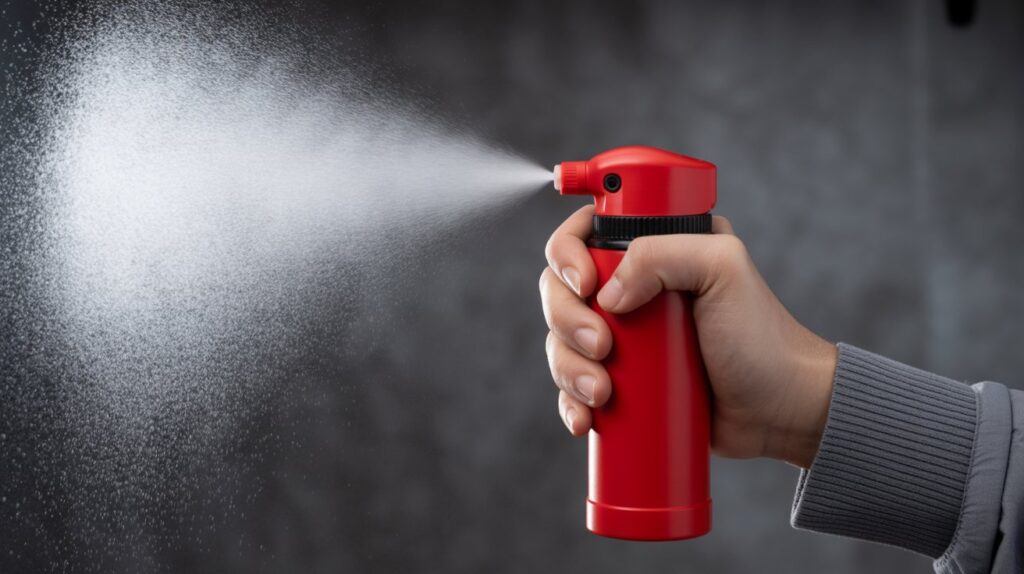
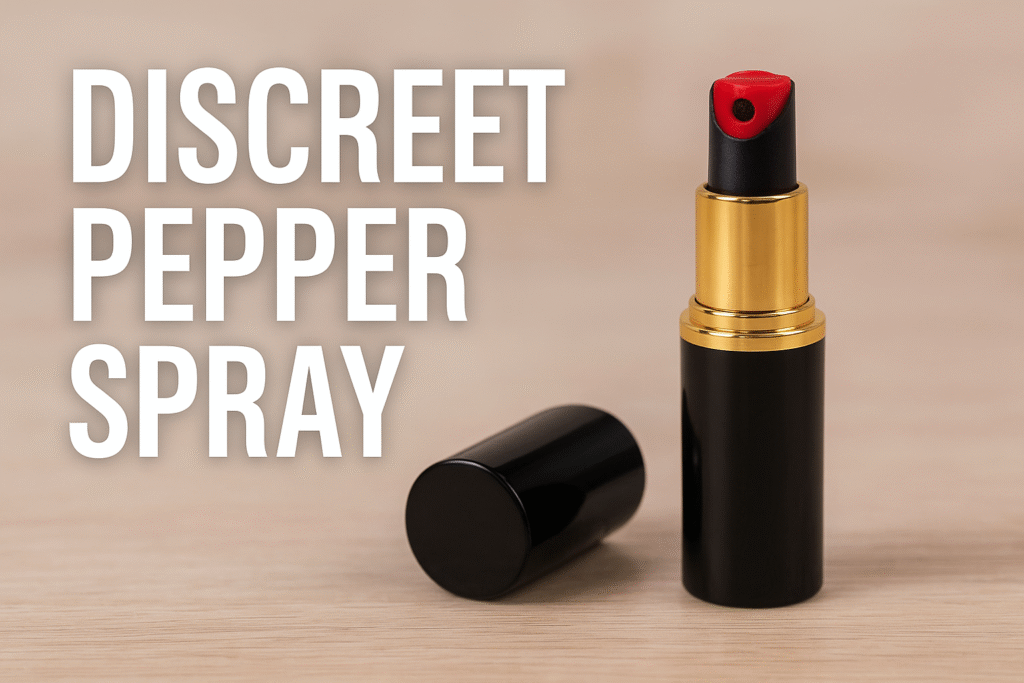
Pepper spray works at a distance — most canisters have an effective range of about 10 feet, letting you spray an attacker before they close in. Kitty knuckles require the opposite: the attacker has to already be within arm’s reach for them to work at all. If distance protection matters more to you, pepper spray is the stronger option; if you want something silent and always gripped in hand, kitty knuckles fit that role instead. Vcu
Kitty Knuckles vs Personal Alarms
A personal alarm works through sound, not force — it’s built to draw attention and scare off a threat rather than make contact with anyone. Kitty knuckles do the opposite: they’re a close-range impact tool with no audible component. Alarms work best in areas where people are nearby to hear them; kitty knuckles are more relevant when no one’s around and you need a physical way to create space.
Kitty Knuckles vs Kubotans
Kubotans are rigid, stick-shaped tools built for pressure-point strikes, and using them well takes some practice. Kitty knuckles have a lower learning curve — you grip them and the cat-ear points are already positioned for use, trading a kubotan’s precision for simplicity and a locked-in grip.
Kitty Knuckles vs Other Keychain Weapons
Other tools like cat ear knuckles, impact keychains, or knuckle-style grips all serve similar purposes. Some are sharper, some are thicker, and some look less like weapons.
Kitty knuckles stand out because they blend a cute design with practical strength, making them less intimidating to carry but still effective in a close-range situation.
In the end, the best self-defense tool depends on your comfort level, your daily routine, and your environment. Some people prefer a non-contact tool like pepper spray. Others feel more secure with something solid in their hand. Kitty knuckles fit the needs of those who want something small, strong, and always ready when fear appears without warning.
The Safest Way to Carry & Use Kitty Knuckles
Carrying kitty knuckles responsibly matters as much as knowing how they work. These tools are meant for genuine emergencies, not for display or buried at the bottom of a bag where they’re useless when actually needed. The core idea is straightforward: stay prepared, stay aware, and use good judgment.
Quick access is what makes a tool useful in the moment it’s needed. Many people keep them on a keychain, in hand while walking alone, or in an easy-to-reach outer pocket rather than deep inside a bag. In a tense situation — like a dark parking lot or an empty stairwell — having it already in hand removes the delay of digging for it when seconds matter.
Understanding the tool’s purpose is just as important as carrying it correctly. Kitty knuckles aren’t built for prolonged confrontation — their role is narrow: help create an opening to break free and get away. Treat them as a last-resort option, not a first response.
Safe Ways to Carry Kitty Knuckles
- Attach to a keychain for fast access
- Keep in an easy-to-reach pocket, not buried in a bag
- Hold in hand when walking alone or through unfamiliar areas
- Confirm proper finger placement before you actually need it
Safe Ways to Use Kitty Knuckles
- Use only in a genuine self-defense situation
- Focus on creating distance and getting away safely
- Stay alert to your surroundings before and after the moment passes
- Prioritize escaping over any form of confrontation
Practicing the grip at home — even briefly — helps remove hesitation later, since familiarity with how a tool feels in hand tends to speed up reaction time under stress. Ultimately, responsible carrying comes down to balance: the tool offers a physical option, but awareness of your surroundings remains the strongest layer of protection you have.
Should You Buy Kitty Knuckles for Self Defense? (Expert Breakdown)
Deciding whether to buy kitty knuckles for self-defense depends on your lifestyle, environment, and comfort level with personal safety tools. They are not a one-size-fits-all solution, but for many people, they can offer a unique combination of simplicity and effectiveness.
Experts agree that kitty knuckles work best for close-range situations where you need something small and reliable. They are ideal for people who want a tool that fits in their hand, purse, or keychain, and can be used instantly in a sudden emergency. If you travel alone at night, walk through isolated areas, or often feel unsafe in public spaces, kitty knuckles can provide peace of mind.
However, they are not meant for long confrontations. Unlike pepper spray or alarms, kitty knuckles require physical contact. This means you must be willing to get close enough to use them. For some, this may not feel safe, making other tools like personal alarms or sprays a better choice.
Before buying, consider these points:
- Your environment: If you spend a lot of time in crowded areas, distance-based tools like pepper spray may be safer.
- Your comfort level: Kitty knuckles are simple, but they require confidence to use under stress.
- Legality: Make sure they are allowed where you live and in places you frequently visit.
- Training: Even minimal practice at home helps you hold and grip them correctly when it matters most.
Kitty knuckles can serve as a smart complement to a complete self-defense plan. They offer fast accessibility, boost confidence, and give users a tangible sense of control in tense situations. Choosing to carry them should focus on practicality, ease of use, and personal safety, ensuring that protection feels both effective and comfortable.
If used responsibly, kitty knuckles can be a smart, empowering choice for everyday personal protection. They are not a weapon of aggression—they are a tool to help you react quickly, escape safely, and stay in control when danger appears.
Final Thoughts
Personal safety comes down to more than just carrying a tool — it’s about staying aware, prepared, and ready to act if something goes wrong. Kitty knuckles offer a discreet, close-range option that can help create the opening you need to escape a threatening situation. Used responsibly, and only where local law permits, they can be one part of a wider personal safety approach.
The real question worth asking is whether you’re prepared for the moments that matter most. Awareness will always be your first line of defense — the right tool, carried and understood correctly, simply backs that up.
FAQs
What is a kitty knuckle?
A small cat-shaped self-defense keychain with pointed “ears” designed for close-range personal protection.
Are kitty knuckles legal to own?
It depends on your state — some allow them freely, others restrict or ban them like brass knuckles. Always check your local laws first.
What materials are kitty knuckles made from?
They’re typically made from durable plastic, aluminum, or metal, depending on the brand and model.
How do you carry a kitty knuckle safely?
Most people attach them to a keychain and keep them in an easily reachable pocket or hand, not buried inside a bag.
Are kitty knuckles better than pepper spray?
Not better or worse — they serve different purposes. Pepper spray works at a distance, while kitty knuckles are for close-range situations.
Do kitty knuckles require training to use?
No special training is needed, but practicing the grip at home helps you react more confidently in a real situation.
About the Author
M. Bilal covers personal safety and self-defense topics for everyday readers, with a focus on practical, risk-aware decision-making. He holds a B.S. in Criminology, which shapes how he approaches this subject — looking at real-world risk factors, legal boundaries, and the actual behavior of threats and offenders, rather than just product features.
Every guide on this site draws on published state weapons statutes, law enforcement safety resources, and manufacturer specifications where relevant. Bilal doesn’t provide legal advice or represent himself as a licensed attorney or self-defense instructor — for state-specific legal questions, readers should always confirm with their local statutes or a licensed professional. This site’s goal is to give people accurate, practical information to make informed decisions about their own safety.