
Introduction
Have you ever worried about what happens when you’re not home? Whether it’s protecting your family, your pets, or your valuables, feeling secure is a daily concern for homeowners across the USA. That’s where understanding how do wired security cameras work becomes essential.
Unlike wireless systems that rely on Wi-Fi and batteries, wired cameras offer steady, reliable protection, recording every moment without interruption. From capturing unexpected visitors to providing clear evidence in case of an incident, these cameras give peace of mind you can truly count on. In this guide, we’ll break down how wired security cameras operate, their key components, and why they remain a trusted choice for homeowners seeking reliable home security.
Table of Contents
Why Wired Security Cameras Still Matter in a Wireless World
Smart homes and wireless gadgets are everywhere, but when it comes to protecting what matters most, reliability still wins. That’s why many homeowners continue to ask how do wired security cameras work and why they haven’t disappeared in a Wi-Fi-driven world. The answer is simple: wired systems deliver steady performance you can count on, especially when safety and peace of mind are non-negotiable.
Unlike wireless cameras that depend heavily on internet strength and battery life, wired security cameras work through direct physical connections. This means your camera system keeps recording even when the Wi-Fi slows down, drops, or becomes unstable. For families in the USA who want 24/7 protection—whether they’re asleep, at work, or away on vacation—this consistency matters more than convenience.
There’s also a strong trust factor. Wired security camera systems have been used for decades in homes, businesses, and public spaces because they simply work. No random disconnects. No missed footage. When something important happens, the video is there. That level of dependability explains why wired cameras remain a top choice for homeowners who value long-term security over trends.
In a world full of smart tech, wired cameras offer something refreshing: stability. Understanding how do wired security cameras work helps explain why they continue to play a major role in modern home security—delivering reliable protection, clear footage, and peace of mind that doesn’t rely on chance.
What Are Wired Security Cameras? (Simple Explanation for Beginners)
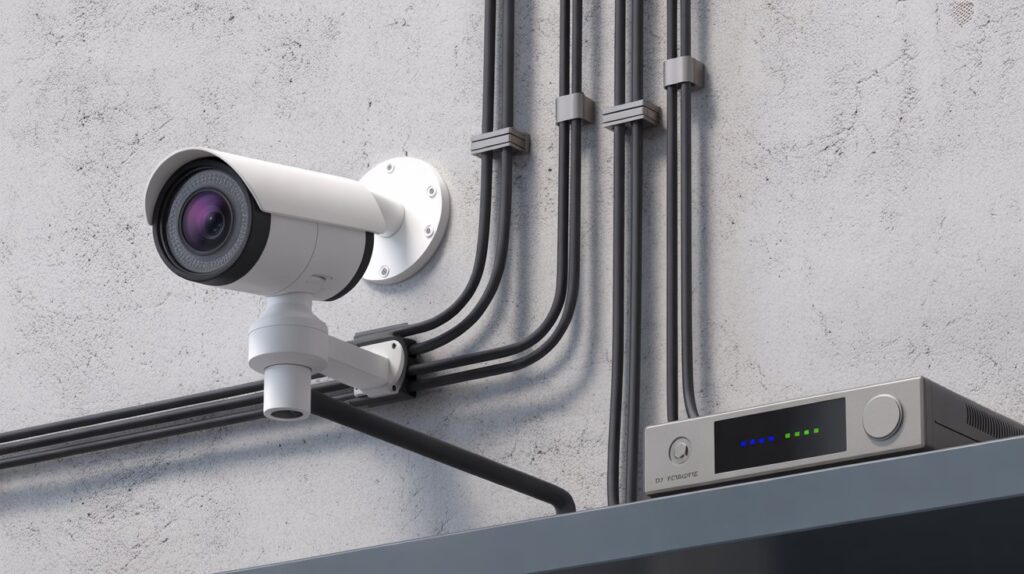
- Wired security cameras are home surveillance cameras that use physical cables to send video footage from the camera to a recording device, such as a DVR or NVR, instead of relying only on Wi-Fi.
- When people ask how do wired security cameras work, the basic idea is simple: the camera captures video, sends it through a wire, and stores it safely for later viewing.
- These cameras are usually connected directly to power, so they don’t depend on batteries that can die at the worst time.
- Wired security camera systems are commonly used in homes, apartments, and small businesses across the USA because they provide stable, uninterrupted recording.
- Unlike wireless cameras that can lose signal during internet issues, wired cameras keep working as long as the power and cables are intact.
- For beginners, the biggest advantage is peace of mind—once installed, wired security cameras quietly do their job without constant charging or reconnecting.
Key Parts of a Wired Security Camera Setup
Camera Unit
The camera unit is the heart of the system. It captures video of what’s happening around your home and turns real-life moments into clear footage you can review later. When people wonder how do wired security cameras work, this is where everything begins—quietly watching entrances, driveways, or backyards to help keep your home protected.
Power Cable
The power cable keeps the camera running around the clock. Because wired security cameras are directly connected to power, they don’t rely on batteries or frequent recharging. For many homeowners in the USA, this constant power source means fewer interruptions and more reliable security, day and night.
Video Cable
The video cable carries the recorded footage from the camera to the recorder. This direct connection is a major reason wired security camera systems are known for stability. Unlike wireless signals that can drop, cables deliver a steady flow of video, helping explain how do wired security cameras work so consistently.
DVR or NVR
The DVR or NVR is where all footage is stored and managed. It allows you to review recordings, save important clips, and sometimes view live video remotely. Together with the camera and cables, it forms a complete wired security camera system built for long-term reliability and peace of mind.
How Wired Security Cameras Capture Video
Wired security cameras capture video in a simple but highly reliable way. Understanding this process makes it easier to see how do wired security cameras work in real-life home security situations. From the moment something moves in front of the camera, each part works together to record clear, usable footage without delays or signal drops.
Here’s how the video capture process happens step by step:
- Lens focuses the scene: The camera lens gathers light from the area it’s watching, such as a front door or driveway, and directs it inward.
- Image sensor converts light into video: The sensor turns that light into a digital image, creating the video you later see on your screen.
- Real-time recording begins instantly: The footage is recorded the moment it’s captured, helping ensure nothing important is missed.
Because this process happens through a direct wired connection, the video stays stable and consistent. There’s no buffering or sudden loss of footage due to weak Wi-Fi. This dependable capture method is a key reason wired security camera systems remain trusted by homeowners across the USA who want clear video and peace of mind they can rely on.
How Video Data Travels Through Wires
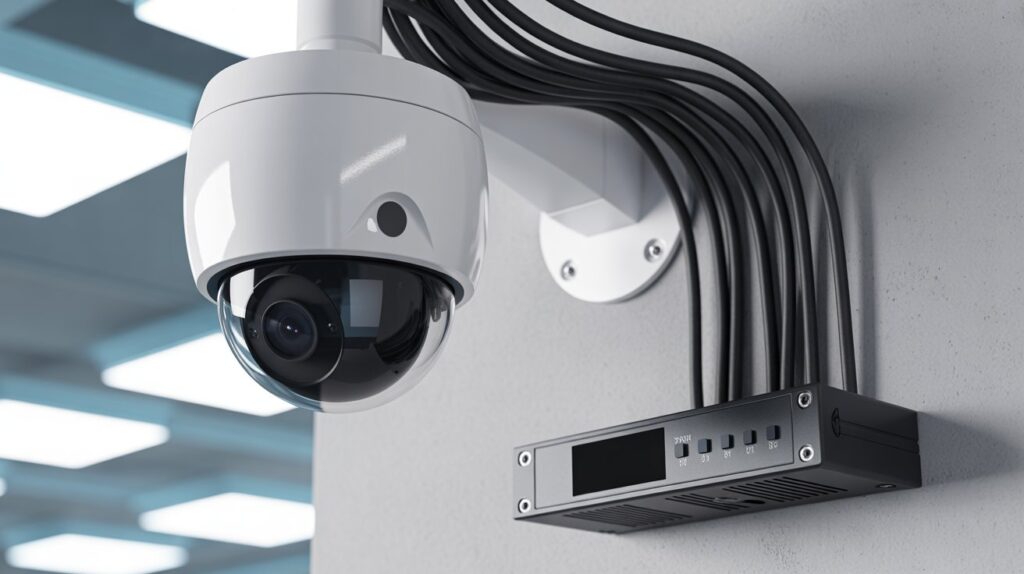
- Once the camera records video, the footage is instantly sent through a physical cable instead of traveling through the air like Wi-Fi signals.
- This direct path is a key part of how do wired security cameras work, ensuring the video reaches the recorder without delays or interruptions.
- The video cable acts like a secure highway, carrying data smoothly from the camera to the DVR or NVR.
- Because the connection is wired, the signal stays strong even if your home internet is slow or temporarily offline.
- This steady flow of data helps prevent missed footage, which is why wired security camera systems are trusted for continuous recording.
- For homeowners in the USA, this simple wired process means reliable video storage and greater peace of mind every day.
Power Supply: How Wired Cameras Stay Running 24/7
One of the biggest reasons wired systems are so dependable is how they stay powered. To understand how do wired security cameras work, it helps to know that most wired cameras are connected directly to a power source. This constant supply allows them to record day and night without worrying about batteries running out or needing frequent attention.
Some wired security cameras use a traditional power cable, while others rely on Power over Ethernet (PoE). With PoE, a single cable provides both power and data, which keeps the setup clean and efficient. Either way, the goal is the same: uninterrupted operation. For many homeowners in the USA, this always-on power means fewer gaps in footage and greater confidence that their security system is working when it matters most.
Where the Footage Is Stored and How You Access It
After capturing video, wired security cameras rely on storage systems to keep your footage safe and accessible. Understanding how do wired security cameras work means knowing where the video goes and how you can view it anytime, whether you’re at home or on the go in the USA. Most systems use either a DVR (Digital Video Recorder) or an NVR (Network Video Recorder) to save footage locally. This ensures that even if your internet goes down, your recordings remain secure and retrievable.
Accessing the footage is simple and flexible:
- Local viewing: Check recordings directly on a connected monitor or TV.
- Remote access: Many DVR/NVR systems allow remote viewing through a secure app or web browser, giving homeowners peace of mind while away.
- Easy backup: Important clips can be exported to external drives or cloud storage for long-term safety.
- Continuous recording: Wired systems ensure footage is saved 24/7 without interruption, providing reliable protection for your home or business.
This combination of secure storage and easy access is a major reason wired security cameras remain a trusted choice for homeowners who want both convenience and reliability.
Internet Connection: Do Wired Security Cameras Need Wi-Fi?
A common question among homeowners is whether wired security cameras need Wi-Fi to function. Understanding how do wired security cameras work clears up this myth: the answer is no. Wired cameras do not rely on wireless internet to record or store video. The footage travels directly through cables to a DVR or NVR, keeping your home protected even if the internet goes down.
That said, Wi-Fi can enhance convenience by enabling remote access. Here’s how it works in practice:
- Core recording: All video is saved locally on the DVR/NVR without needing any internet connection.
- Remote monitoring (optional): If you want to view live footage on your phone or computer, a stable internet connection is required.
- Reliable alerts: Some wired systems can send motion alerts through Wi-Fi, but the camera itself continues recording independently.
- No dependency on Wi-Fi: Even during outages or slow internet, wired security cameras continue capturing 24/7 footage.
For homeowners across the USA, this means wired systems provide both reliable protection and flexible connectivity, offering peace of mind whether you’re at home or away.
Wired vs Wireless Security Cameras: Key Working Differences
When homeowners ask how do wired security cameras work compared to wireless models, the difference comes down to how video and power are delivered. Understanding this helps explain why wired systems remain a top choice for reliability, while wireless cameras offer convenience in certain situations.
- Connection type: Wired cameras transmit video through physical cables; wireless cameras send data over Wi-Fi or radio signals.
- Power supply: Wired cameras usually get constant power from cables, whereas wireless cameras rely on batteries or nearby power sources.
- Signal reliability: Wired connections are stable and rarely drop, while wireless systems can be affected by distance, walls, or network issues.
- Recording consistency: Wired cameras continuously record to DVR/NVR without interruption; wireless cameras may lose footage if Wi-Fi fails.
- Installation flexibility: Wireless cameras are easier to move or install temporarily, while wired systems need proper cable routing and setup.
- Remote access: Both can offer remote viewing, but wired systems often require internet for remote access, while wireless cameras depend on Wi-Fi at all times.
This comparison clarifies the working principles behind each system and highlights why wired security cameras work so consistently for homeowners who prioritize stable, 24/7 surveillance.
Advantages of Wired Security Cameras Based on How They Work
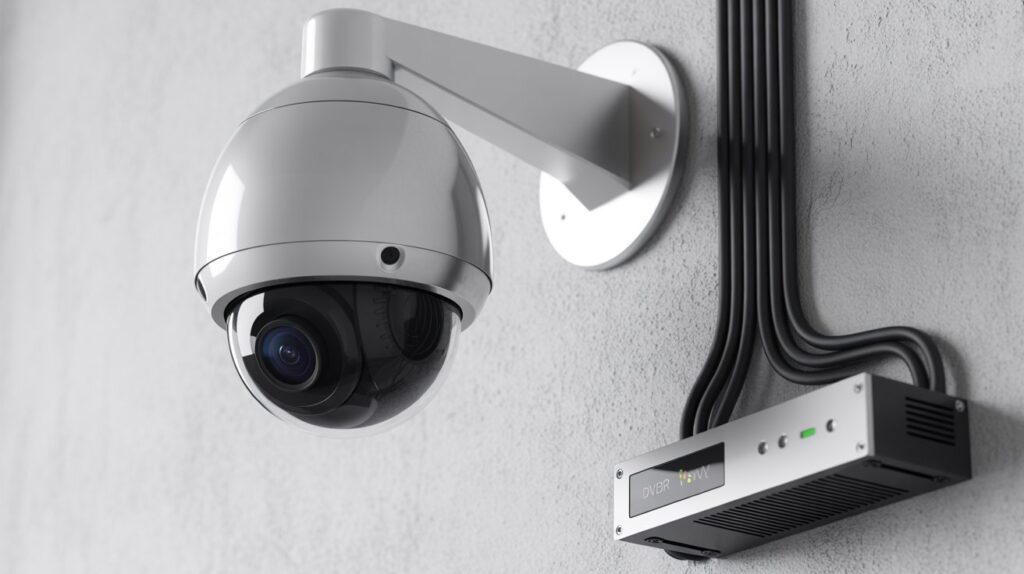
Wired security cameras remain a top choice for homeowners because of the reliable way they operate. Understanding how do wired security cameras work highlights several key advantages that make them particularly effective for home protection.
- Stable connection: The direct wired setup ensures that video signals are steady and consistent, avoiding interruptions that can happen with wireless systems.
- No signal drops: Since footage travels through cables instead of relying on Wi-Fi, there’s minimal risk of lost video or weak signals—even in large homes or areas with network interference.
- Continuous recording: Wired cameras operate 24/7 without depending on battery life, providing uninterrupted coverage and peace of mind.
These benefits make wired security cameras a reliable, long-term solution for homeowners across the USA who want consistent, professional-level security for their property.
Limitations You Should Know Before Choosing Wired Cameras
While wired security cameras are highly reliable, it’s important for homeowners to understand their limitations before making a decision. Knowing how do wired security cameras work also means recognizing the trade-offs alongside the benefits, which helps build trust and ensures realistic expectations.
- Installation complexity: Wired systems require careful cable routing and professional setup in some cases, which can be more time-consuming than plugging in a wireless camera.
- Less flexibility: Once installed, moving wired cameras is not as simple as repositioning a wireless model.
- Initial cost: High-quality wired systems can be more expensive upfront due to cables, DVR/NVR units, and installation, even though they offer long-term reliability.
- Visible cables: Depending on your home layout, cables may be noticeable unless properly concealed, which may affect aesthetics for some homeowners.
Despite these limitations, wired cameras remain a dependable choice for homeowners across the USA who prioritize uninterrupted recording, stable connections, and long-term home security. Being aware of these considerations ensures you make an informed, confident decision.
Conclusion
Wired security cameras prove that when it comes to protecting your home, reliability and consistency matter more than convenience or trends. Understanding how do wired security cameras work shows why they remain a trusted choice for homeowners across the USA—offering stable connections, continuous recording, and peace of mind you can truly count on.
Investing in a wired system isn’t just about technology—it’s about creating a safer environment for your family and your most valued possessions. Now take a moment to think—how does ensuring uninterrupted protection in your home change the way you feel about safety and peace of mind?
Because in the end, true security isn’t just seeing what’s happening—it’s knowing that someone, or something, is always watching out for you.
FAQs
What are the disadvantages of wired cameras?
Wired cameras can be harder to install, less flexible to move, and may require visible cabling.
Do wired security cameras need internet?
No, wired cameras record locally and don’t require internet to function.
Do wired cameras record all the time?
Yes, most wired cameras provide continuous 24/7 recording when powered.
Do wired security cameras need power?
Yes, they require a constant power source via cables or Power over Ethernet (PoE).
How can I tell if someone is jamming my security camera?
Sudden signal loss, black screens, or missed alerts may indicate interference or jamming.
Is there a security camera that works without internet?
Yes, wired CCTV cameras and some standalone systems record entirely offline.
How to watch a CCTV camera from anywhere without internet?
You can’t view it remotely without internet; offline cameras store footage locally for later review.
Why choose a CCTV camera without Wi-Fi?
They offer stable recording, no signal drops, and protection during internet outages.
How do security cameras store footage without subscriptions?
Cameras save video on DVRs, NVRs, or SD cards—no cloud or subscription required.


