Introduction
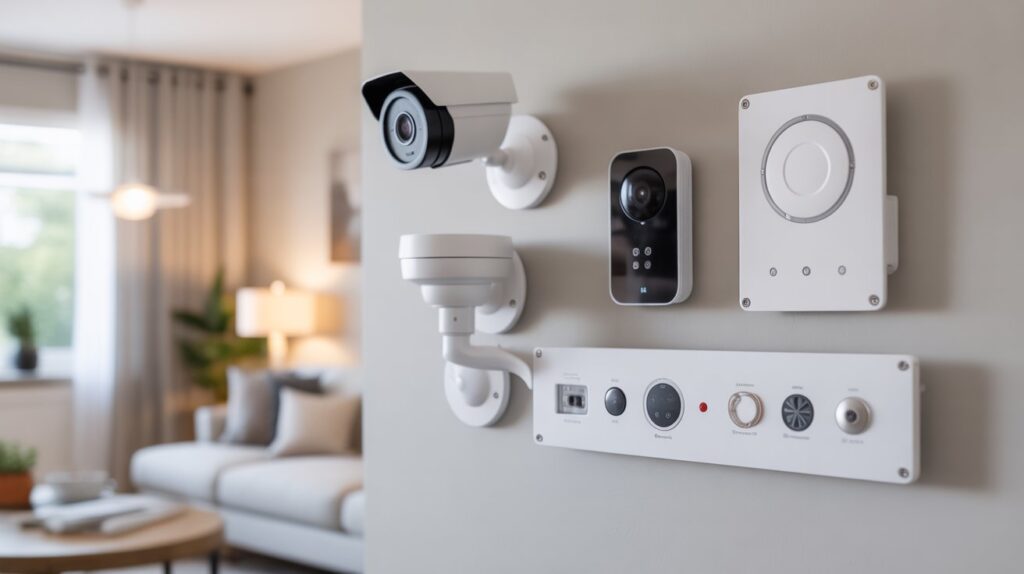
In today’s world, protecting your home has become more important than ever, and home security alarm systems offer a reliable solution. These systems combine wireless security cameras, entry sensors and motion detectors, and professional monitoring services to keep your property safe from intruders and emergencies.
Modern smart home security systems now integrate seamlessly with smart home platforms (Alexa, Google Home, Siri), allowing you to control cameras, locks, and alarms directly from your smartphone. Whether you choose a DIY setup or a professionally installed system, having a well-designed alarm system ensures faster response times, burglary prevention, and peace of mind for your family every day.
Table of Contents
What Are Home Security Systems and How Do They Work?
A home security system works as a safety net, alerting you to intruders, fire risks, and emergencies the moment something goes wrong. They work by using entry sensors and motion detectors to detect activity in your home. When a sensor is triggered, an alarm sounds and a signal is sent to the monitoring center. Many systems are connected to professional monitoring services, ensuring that police or emergency services respond quickly if needed. Some advanced systems also integrate with smart home platforms (Alexa, Google Home, Siri), allowing you to control locks, cameras, and lights from your phone.
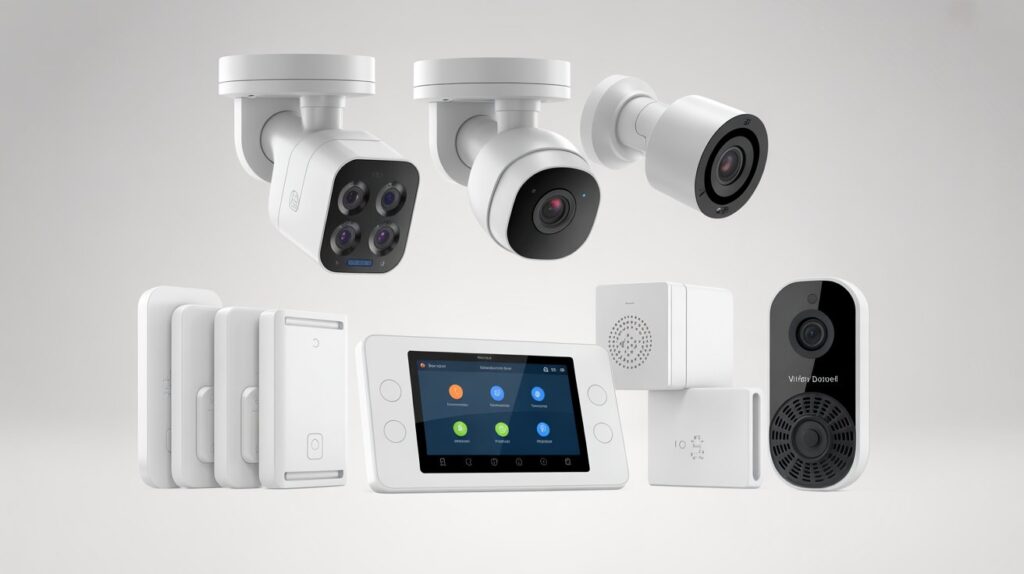
Most systems include indoor and outdoor security cameras that stream video to your smartphone or cloud storage. These cameras often include motion alerts, two-way communication, and night vision. Burglar deterrence systems like visible cameras, alarms, and warning signs reduce the risk of break-ins. Wireless security cameras make installation simpler, while environmental hazard sensors protect against fire, carbon monoxide, and water leaks. Understanding how these components work together is essential for choosing the best system for your home.
Our Methodology: How We Evaluate the Best Security Systems
When reviewing top-rated home security brands, we follow a strict process to ensure accurate results. First, we test each system for ease of use, reliability, and smart home integration with security system. This includes checking the app interface, sensor coverage, camera quality, and alarm responsiveness. We also consider the home security equipment cost breakdown and monthly monitoring fees for home security. This helps readers understand what to expect for both upfront and ongoing costs.
Next, we compare DIY vs professional installation to determine which systems provide the best balance of affordability and protection. Systems are ranked based on fast response home security, features, customer service, and flexibility of contracts. We also test video surveillance and monitoring plans to see how efficiently alerts are sent to both homeowners and emergency responders. Our methodology ensures you can make a confident choice when picking a home security system.
Top Home Security Systems of 2025: Full Rankings
The leading home security alarm systems of 2025 include ADT, SimpliSafe, Vivint, Ring, Cove, Brinks, and Frontpoint. Each brand offers unique features, from smart home security systems to affordable security systems for budget-conscious families. ADT is well-known for professional monitoring services and nationwide coverage, while SimpliSafe excels as a best DIY home security system. Vivint leads in home automation integration, allowing seamless control over lights, cameras, and locks.
| Brand | Equipment Cost | Installation | Monthly Monitoring | Smart Home Integration | Contract Length |
| ADT | $349 | Pro/DIY | From $24.99 | Alexa, Google Home | Monthly |
| SimpliSafe | $250 | Pro/DIY | From $22.99 | Alexa, Google Home | Monthly |
| Vivint | $600 | Professional | From $30 | Alexa, Google Home, Siri | 48–60 Months |
| Ring | $245 | DIY | From $4.99 | Alexa | 1–12 Months |
| Cove | $300 | Pro/DIY | From $19.99 | Alexa, Google Home | Monthly |
These systems offer reliable emergency response and police dispatch, video monitoring, and options for both DIY and professional installation. Comparing these top systems helps homeowners choose a system tailored to their needs.
DIY vs Professionally Installed Security Systems: Which Is Right for You?
Choosing between DIY vs professional installation depends on your comfort level, budget, and home size. DIY systems are easier to install and ideal for small homes or renters. They often come with pre-programmed devices, making setup straightforward. In contrast, professionally installed systems provide advantages of professional monitoring, expert sensor placement, and more extensive coverage. This is ideal for larger homes or those seeking maximum protection.
Costs vary widely. DIY systems range from $200 to $1000 for equipment, with optional monthly monitoring fees for home security. Professional installation often starts higher but includes expert setup, device testing, and sometimes longer warranties. Evaluating security system installation options ensures you select a solution that fits both your lifestyle and budget.
Essential Features That Matter Most in a Home Security System
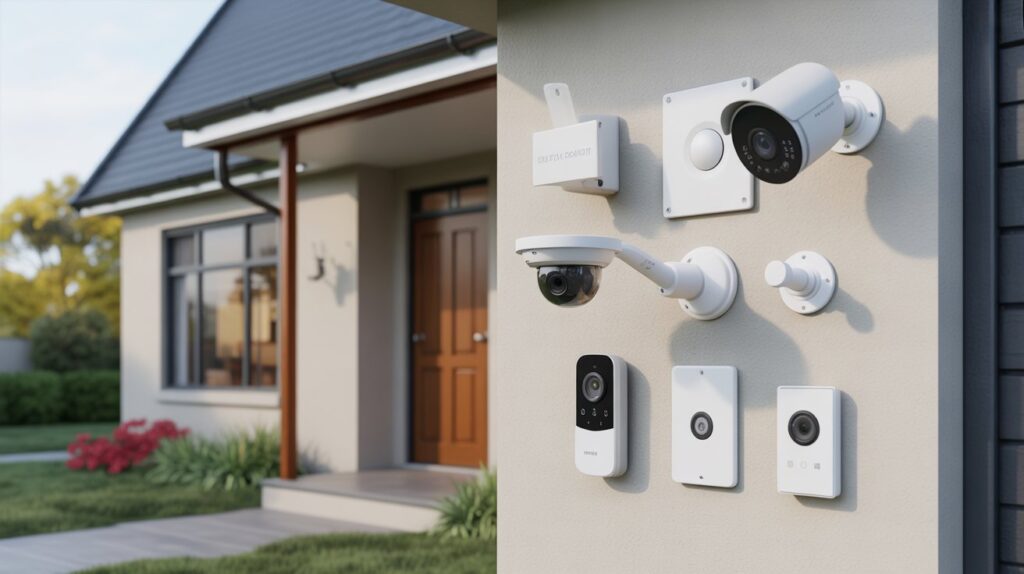
When selecting a home security alarm system, it’s important to prioritize features that suit your needs. Core components include entry sensors and motion detectors, indoor and outdoor security cameras, and environmental hazard sensors (smoke, CO2, water). Systems with smart home integration with security system allow control over locks, lights, and cameras via mobile apps or voice commands.
Advanced features enhance safety and convenience. Video doorbell cameras provide real-time alerts for visitors, while cellular backup monitoring ensures protection even if the internet goes down. Some systems offer AI detection, facial recognition, and home automation, turning your security system into a fully integrated smart home security system. Choosing the right combination of features enhances both protection and daily convenience.
Home Security Systems for Different Needs and Budgets
Different households have different requirements. Seniors may prioritize simplicity and easy-to-use interfaces, while renters might prefer affordable security systems with minimal installation. Vacation homes benefit from fast response home security and remote monitoring, ensuring peace of mind when away. Families in smart homes often seek top security systems for home automation, integrating cameras, locks, and lights into a single system.
Budget plays a critical role. Systems range from basic DIY setups for around $200 to premium solutions costing over $600, often including professional monitoring, security system packages and contracts, and multiple smart integrations. Considering your home layout, budget, and monitoring preferences ensures you choose a system tailored to your lifestyle.
How Much Do Home Security Systems Cost and What to Expect
Costs for home security alarm systems include equipment, installation, and monthly monitoring fees for home security. Equipment packages can range from $200 for a small DIY system to $600 or more for a full-featured professional system. Installation fees vary based on DIY or professional service, while contracts may be monthly or multi-year.
| System | Equipment | Installation | Monthly Monitoring | Contract |
| ADT | $349 | Pro/DIY | $24.99+ | Monthly |
| SimpliSafe | $250 | Pro/DIY | $22.99+ | Monthly |
| Vivint | $600 | Pro | $30+ | 48–60 Months |
| Ring | $245 | DIY | $4.99+ | 1–12 Months |
Understanding the home security equipment cost breakdown helps homeowners plan for both upfront and recurring expenses. Premium systems often justify higher costs with emergency response and police dispatch, better coverage, and advanced automation features.
Tips for Choosing the Right Home Security System for Your Home
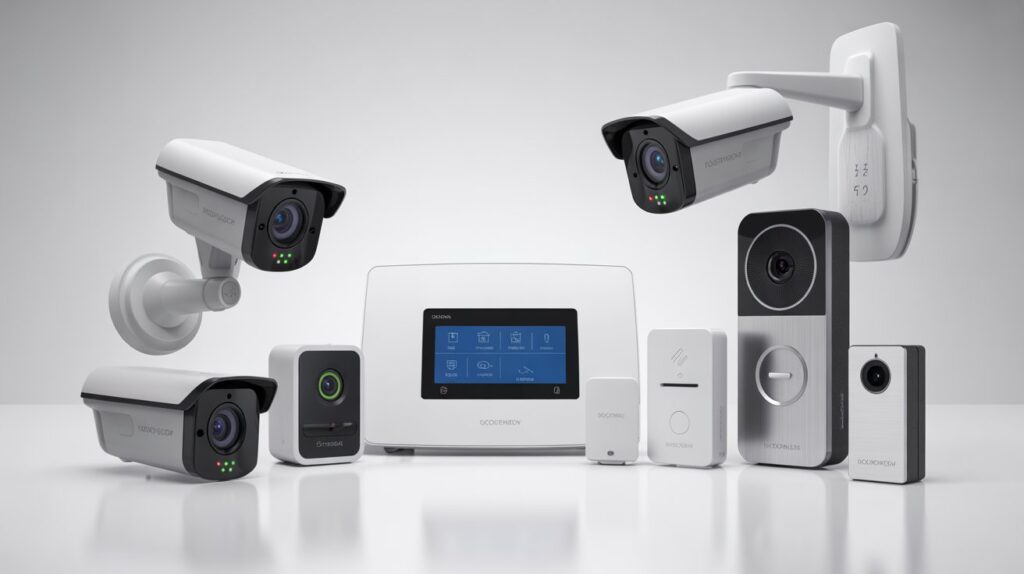
To select the ideal system, first consider your entry points and sensor coverage. Determine how many doors and windows need protection, whether outdoor cameras are necessary, and if smart home devices are desired. Evaluate security system installation options, including DIY versus professional, and factor in monthly monitoring fees for home security.
Always test the system before committing to a contract. Ask vendors about video surveillance and monitoring plans, how alerts are sent, and how the system integrates with your home automation setup. Considering burglary prevention tips and reading home security system reviews helps you make a more informed decision. Clear planning ensures your system meets your safety needs without unnecessary costs.
The Benefits of Having a Home Security System
Installing a home security alarm system provides multiple advantages. It enhances safety through professional monitoring services and ensures faster police response. Visible cameras and alarms act as burglar deterrence systems, reducing the likelihood of a break-in. Smart home platforms (Alexa, Google Home, Siri) add convenience, allowing automation of lights, locks, and notifications.
A monitored system offers peace of mind, knowing someone is watching over your home even when you’re away. Families feel safer, burglars are deterred, and property is protected. Studies show homes with security systems experience significantly fewer break-ins. The benefits of a monitored home security system go beyond protection—they provide control, convenience, and confidence every day.
Conclusion
Investing in home security alarm systems is more than just protecting your property—it’s about safeguarding your loved ones and enjoying peace of mind. With options ranging from affordable security systems to advanced smart home security systems, there’s a solution for every home and budget. Choosing between DIY vs professional installation and considering professional monitoring services ensures your system fits your lifestyle.
By focusing on entry sensors and motion detectors, wireless security cameras, and smart home integration, you can create a reliable defense against intruders and emergencies. A well-planned system provides safety, convenience, and confidence for years to come.
If you care about personal safety and inner strength, explore Before You Buy: Are Self Defense Rings Legal in California and A Medieval Knight in a Martial Arts Novel: When Honor Meets Inner Strength for smart protection and timeless inspiration.
FAQs
What is the best alarm system for a home?
The best alarm system depends on your needs, but top options include ADT, SimpliSafe, and Vivint for reliability, smart features, and professional monitoring.
What is a type 4 alarm system?
A Type 4 alarm system is a fully monitored fire alarm used in commercial or high-risk residential settings with advanced detection and reporting features.
What is the best security for a house?
The best home security combines entry sensors, motion detectors, cameras, and professional monitoring tailored to your home layout and budget.
Which is the cheapest home security system?
Affordable options like SimpliSafe, Ring, and Cove offer DIY installation with low equipment costs and monthly monitoring.
How do I burglar proof my house?
Burglar-proof your home by installing cameras, alarms, strong locks, motion sensors, and proper lighting around all entry points.