
Introduction
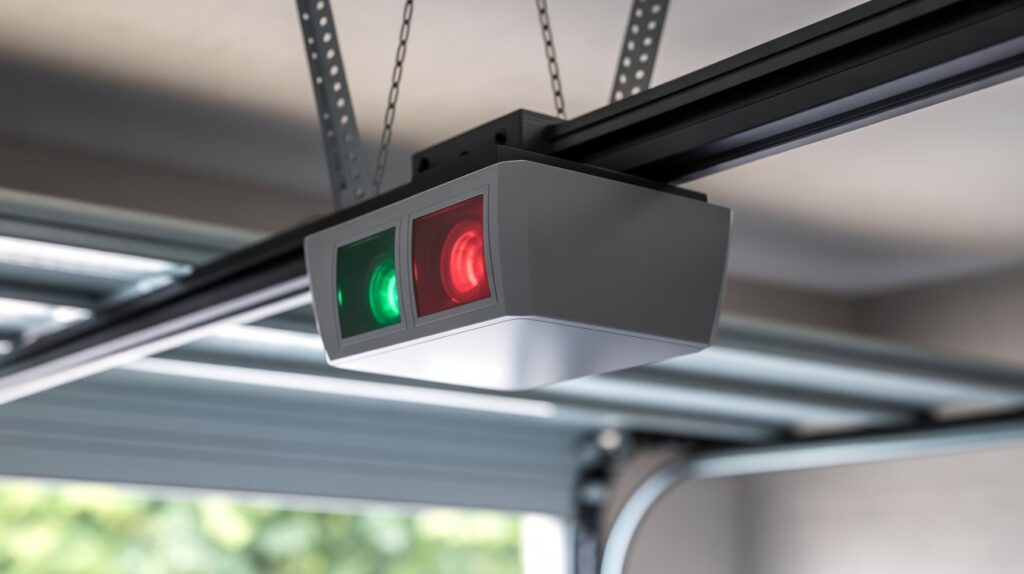
Have you ever pressed the garage door button and watched in frustration as it refuses to close? You glance down and notice one garage door sensor is red and the other is green, and suddenly a small problem feels like a big mystery. For many homeowners in the USA, this simple light pattern can trigger worry — is the system broken, or worse, unsafe?
The truth is, these sensors are designed to protect your family, pets, and vehicles. Understanding what the red and green lights mean can save you stress, prevent accidents, and even avoid unnecessary repair costs. In this guide, we’ll break down how these safety sensors work, what those lights are telling you, and simple steps to fix common issues — so you can feel confident and secure in your own garage.
Table of Contents
Why Is One Garage Door Sensor Red and the Other Green?
You press the wall button to close your garage door… and it refuses to move. Maybe it starts going down, then suddenly reverses. You look down and notice something confusing — one garage door sensor is red and the other is green. Instantly, you wonder if something serious is wrong.
This is one of the most common concerns homeowners across the USA face. Modern garage door systems rely on safety sensors, often called photo-eye sensors, to prevent accidents. When you see one red light and one green light, it usually signals how the safety beam system is communicating — not necessarily that your opener is broken.
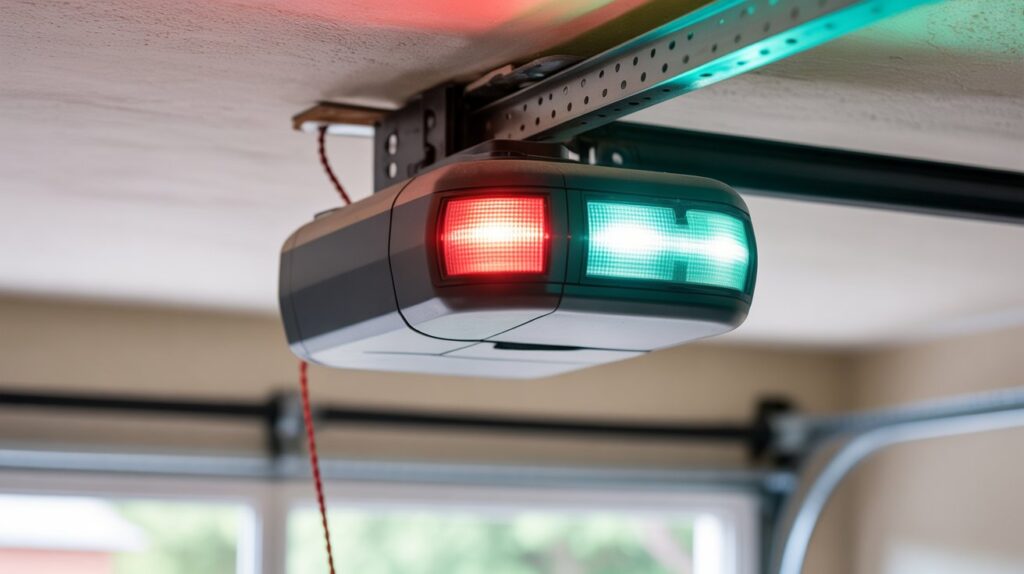
In most setups, the green light indicates the receiving sensor is powered and aligned correctly. The red light often shows the sending unit is active and transmitting the infrared beam across the bottom of the garage opening. If both lights are solid, the system is typically working as designed. However, if one light is blinking or turns off, it can point to misalignment, an obstruction, or a minor wiring issue.
The good news? When you notice garage door sensor one red one green, it’s often a simple fix — something as small as dust on the lens, a slight bump to the bracket, or even direct sunlight interference. In many cases, you don’t need expensive repairs. You just need to understand what those small lights are telling you.
Before assuming the worst, it helps to know that these sensors are built to protect your family, pets, and vehicles. Most of the time, they’re doing exactly what they’re designed to do — keeping your home safe.
How Garage Door Safety Sensors Actually Work
- Photo-eye sensors are small safety devices installed near the bottom of both garage door tracks.
- They create an invisible infrared safety beam across the door opening.
- If something blocks that beam while the door is closing, the system immediately stops and reverses.
- Proper alignment is critical. Both sensors must face each other directly to maintain the beam connection.
- Even slight misalignment, dust, or a small obstruction (like a box, trash can, or toy) can interrupt the signal.
- When the safety beam is blocked, the garage door opener prevents the door from closing to avoid injury or damage.
- In most systems, the sending sensor shows a red or amber light and transmits the infrared signal.
- The receiving sensor usually displays a green light when it is correctly receiving the beam.
- If you notice garage door sensor one red one green, it often means the system is powered and communicating properly — unless one light is blinking or off.
- U.S. safety regulations require garage door openers to include these sensors to protect families, pets, and vehicles.
- These safety sensors are not optional — they are a federally mandated protection feature in modern homes.
- Understanding how the photo-eye and safety beam system works makes it easier to diagnose common garage door sensor issues quickly and safely.
What It Means When One Sensor Is Red and the Other Is Green
Seeing different colored lights on your garage door sensors can feel confusing at first. When homeowners notice garage door sensor one red one green, the immediate thought is often that something is broken. In reality, those lights are simply status indicators — and understanding them can save you time, stress, and unnecessary repair costs.
Normal Operation vs. Warning Signs
In most modern garage door systems, certain light patterns are completely normal:
- Solid green + solid red → The sensors are aligned and communicating properly.
- Blinking light (either side) → Likely alignment issue or minor wiring problem.
- One light completely off → Possible power supply issue or disconnected wire.
If both lights are steady and not flickering, your safety beam system is usually working as intended. However, blinking lights often point to slight misalignment or a loose connection. A light that’s off entirely may indicate that the sensor is not receiving power, which can prevent the garage door from closing.
Most Common Causes in U.S. Homes
In American households, sensor problems are usually simple and practical — not major mechanical failures. Some of the most common causes include:
- Dirty lenses – Dust, spider webs, or garage debris blocking the photo-eye.
- Slight misalignment – A small bump from a trash bin or car tire can shift the sensor angle.
- Sunlight interference – Direct afternoon sun can disrupt the infrared safety beam.
- Loose wiring – Vibration over time may loosen low-voltage wires.
- Sensor bracket movement – Metal brackets can shift slightly, especially in garages with temperature changes.
Most of these issues happen during normal daily life. Maybe you moved storage boxes around, or your kids bumped the sensor while playing. These small events can interrupt the safety beam and trigger warning signals.
The key takeaway is simple: when you see garage door sensor one red one green, it doesn’t automatically mean expensive repairs. In many cases, it’s just a small alignment or maintenance issue that can be corrected quickly and safely.
Step-by-Step: How to Fix the Red and Green Sensor Issue
If you’re seeing garage door sensor one red one green and the door won’t close properly, don’t panic. In most U.S. homes, this issue can be fixed in just a few simple steps. You don’t need advanced tools — just patience and careful inspection.
Start with the basics before assuming a major garage door opener failure.
1. Clean the Sensor Lenses
Dust, spider webs, or garage debris can block the safety beam.
- Use a soft, dry microfiber cloth.
- Gently wipe both photo-eye lenses.
- Avoid harsh cleaners that could scratch the surface.
Even a thin layer of dirt can interrupt the infrared signal and cause blinking lights.
2. Check Alignment and Adjust Gently
Even a slight shift in sensor alignment can prevent your garage door from closing properly.
- Make sure both sensors are facing each other directly.
- The green receiving light should stay solid when aligned.
- Slightly adjust the sensor until the blinking stops.
A small bump from a trash can or car tire can shift the angle just enough to break the safety beam.
3. Tighten the Mounting Brackets
Loose brackets can cause the sensor to move out of position over time.
- Inspect the metal brackets on both sides.
- Tighten screws carefully without over-tightening.
- Ensure the sensors remain level and steady.
Temperature changes in U.S. garages can sometimes loosen hardware gradually.
4. Inspect Wiring Safely
If one light is completely off, check the wiring.
- Look for loose or disconnected low-voltage wires.
- Ensure wires are firmly attached to the terminals.
- Do not handle exposed wiring with the power on.
If you notice damaged wires, it’s safer to contact a professional technician.
5. Test the Door After Adjustments
Once everything looks aligned and secure:
- Press the wall button or remote.
- Watch the sensor lights closely.
- Confirm the garage door closes smoothly without reversing.
In most cases, these simple steps resolve the issue quickly. When you understand what garage door sensor one red one green means, troubleshooting becomes straightforward and stress-free.
When to Call a Garage Door Professional
Most of the time, fixing garage door sensor one red one green is simple. But sometimes, the issue goes beyond basic cleaning or alignment. Knowing when to stop troubleshooting and call a professional can save you time — and prevent bigger problems.
If you notice any of the following, it’s smart to schedule a service visit:
- Persistent blinking lights even after cleaning and realigning the sensors.
- The garage door reverses immediately every time you try to close it.
- Visible wiring damage, such as frayed, cut, or exposed low-voltage wires.
- An older garage door opener model with aging or failing safety sensors.
In many U.S. homes, garage door systems are used multiple times a day. That constant movement causes wear over time. If the safety beam system keeps failing despite your efforts, there could be a deeper electrical issue inside the opener unit or along the wiring track.
Safety should always come first. Garage door systems are heavy and operate under tension. If you’re unsure about handling wiring or adjusting components, it’s better to let a licensed garage door technician inspect the system properly. A professional can test voltage, check sensor communication, and confirm that the safety mechanism meets current standards.
When dealing with garage door sensor one red one green, basic maintenance is fine — but repeated failures or electrical damage require expert attention. Protect your home, your vehicle, and your family by making the safe choice when needed.
Conclusion
Understanding garage door sensor one red one green isn’t just about fixing a door — it’s about keeping your home, family, and pets safe. These small sensors silently protect you every day, and knowing how they work gives you peace of mind and control.
Simple steps like cleaning lenses, checking alignment, or tightening brackets can resolve most issues. But when problems persist, calling a professional ensures safety and prevents costly accidents.
Now take a moment to think — is your garage door truly protecting your loved ones the way it should? Checking your garage door sensors now can save you trouble later — safety begins with knowing how your system works.
FAQs
Why is one of my garage door sensors red and the other is green?
It usually shows the sending sensor is active (red) and the receiving sensor is aligned (green).
Why are my garage door sensors two different colors?
Different colors indicate each sensor’s status — one sends the beam, the other receives it.
What does a red and green garage light mean?
A solid red and green typically means the sensors are powered and working properly.
How do I reset the sensors on my garage door?
Disconnect power, realign the sensors, and restore power to reset the system.
How to fix garage door sensor red light?
Clean the lens, check alignment, and ensure the wiring is secure.
How to reset sensor door?
Unplug the opener for a few minutes, then plug it back in and test the sensors.
How to reset all-in-one sensor?
Power cycle the unit and follow the manufacturer’s guide to re-sync the sensors.


