
Introduction
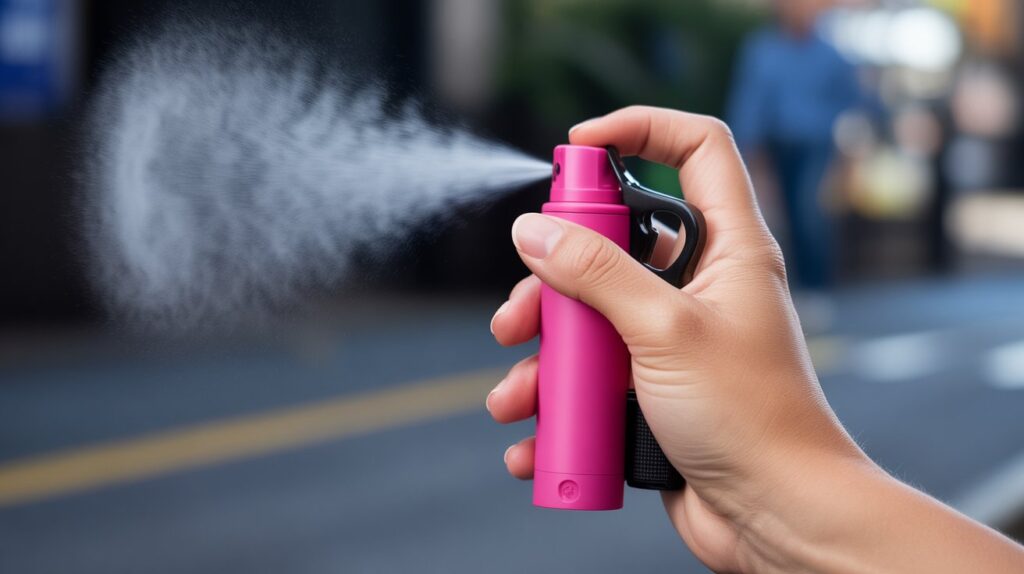
Discreet pepper spray is a compact personal safety tool designed to look like everyday items, such as lipstick, pens, or keychains. It offers a low-profile carrying option for people who want an additional safety tool without carrying a traditional canister.
For commuters and people who often walk alone, it may provide an extra layer of personal protection. However, its small size does not replace safe handling, proper storage, or checking local laws.
This guide covers the main types, benefits, limitations, and safety tips to help you understand discreet pepper spray and choose an option that suits your daily routine.
Table of Contents
What Is Discreet Pepper Spray?
Discreet pepper spray is a compact personal safety device designed to resemble an everyday accessory instead of a traditional self-defense canister. Common designs include lipstick-style containers, pen-shaped sprays, small keychain units, and cosmetic-inspired cases. These designs provide an alternative carrying option for people who prefer a smaller device for everyday use.
Unlike conventional pepper spray, which usually has a recognizable canister shape, compact models can fit into a handbag, pocket, makeup pouch, or everyday carry bag. Some products also include protective caps, safety switches, or locking mechanisms to help prevent accidental discharge.
Most personal protection sprays use oleoresin capsicum (OC), an ingredient derived from hot peppers. However, the container’s appearance and size do not determine its effectiveness. Spray capacity, delivery pattern, operating distance, and safety features vary between manufacturers.
A smaller container may hold less formulation than a standard canister. Therefore, always review the manufacturer’s specifications rather than assuming that every compact model provides the same coverage or operating range.
These devices may appeal to people who want a portable personal safety option for commuting, walking, shopping, or other everyday activities. However, responsible ownership also requires proper handling, secure storage, and an understanding of applicable state and local laws. To compare how different formulas affect spray patterns, coverage, and range, read our guide to different types of pepper spray.
Why Choose a Low-Profile Personal Safety Spray?
A low-profile personal safety spray offers a compact carrying option for people who do not prefer the traditional appearance of a self-defense canister. Its lightweight construction and different exterior designs can make it easier to include in a daily routine.
However, appearance should not be the only factor when comparing different models. Safety mechanisms, carrying comfort, accessibility, container capacity, and ease of handling are equally important.
1. Low-Profile Design for Everyday Carry
One reason people consider these personal protection devices is their familiar appearance. Some models resemble ordinary accessories instead of conventional safety equipment.
Common designs include:
- Lipstick-style containers: Small cases that resemble cosmetic products.
- Pen-shaped sprays: Slim designs that fit into suitable pockets or compartments.
- Keychain models: Compact containers designed for compatible key rings or bag attachments.
- Small pocket canisters: Traditional spray containers with reduced dimensions.
These different styles provide convenient storage options. However, users should always identify the device correctly and understand its safety mechanism before carrying it.
2. Lightweight and Convenient to Carry
A personal safety device is more practical when it fits comfortably into an everyday routine. Compact models may take up less space than larger canisters, making them convenient for commuting, shopping, walking, or other daily activities.
Depending on the design, suitable carrying locations may include:
- A dedicated compartment inside a handbag.
- An accessible pocket in an everyday carry bag.
- A suitable clothing pocket with protected storage.
- A compatible keychain attachment.
Avoid placing the device loosely alongside coins, keys, or other objects that could interfere with its activation mechanism. Keep it away from children and anyone who is not authorized to handle it.
3. Different Carrying Styles for Daily Activities
Different people have different carrying preferences. Someone who regularly uses a handbag may prefer a lipstick-style container, while another person may find a compact keychain design more convenient.
Before choosing a carrying style, consider these factors:
- Comfort: Does the size fit your normal daily routine?
- Accessibility: Can you identify and locate the device without searching through several belongings?
- Safety lock: Does the design help protect against accidental activation?
- Grip: Can you hold the container securely?
- Storage: Does the manufacturer provide clear storage and temperature instructions?
The best carrying option is one that remains secure, identifiable, and properly protected during everyday use.
4. A Different Appearance Without Replacing Personal Safety Awareness
Some people prefer personal protection equipment that does not immediately resemble a traditional canister. Compact accessory-style designs provide another appearance while keeping the device relatively small.
However, a disguised exterior does not guarantee protection or prevent another person from recognizing the device. It should never replace situational awareness, avoiding unnecessary confrontations, or having an emergency safety plan.
Personal safety also involves recognizing potential risks, maintaining access to communication, and knowing when to seek assistance.
5. Safety Features and Proper Handling
A smaller design is not automatically easier or safer to operate. Different manufacturers use different trigger mechanisms, protective caps, and safety switches.
Before carrying a model:
- Read the manufacturer’s operating instructions.
- Identify the safety lock and activation mechanism.
- Check the expiration date and container condition.
- Review the stated spray pattern and operating distance.
- Avoid testing or discharging the product indoors.
- Keep it away from children and pets.
- Understand the risks associated with accidental exposure.
According to Poison Control’s pepper spray safety guidance, accidental exposure can irritate the eyes, skin, and respiratory system. Following manufacturer instructions and keeping these products away from children are important preventive measures.
For more information, see our guide on how to use pepper spray safely.

Popular Types of Concealed Pepper Spray
Compact personal protection products come in different shapes and sizes. Some resemble everyday accessories, while others use a conventional canister design with smaller dimensions.
Understanding these options helps you compare their carrying convenience, construction, safety features, and limitations before making a decision.
1. Lipstick-Style Pepper Spray
Image suggestion: Compact lipstick-style personal safety spray on a neutral background.
Lipstick-style models are designed to resemble ordinary cosmetic containers. Their small exterior makes them suitable for carrying in a handbag, makeup pouch, or another appropriate storage compartment.
Some people prefer this style because it does not have the traditional appearance of a self-defense canister.
Key considerations:
- Compact construction for everyday carrying.
- Cosmetic-inspired exterior.
- Suitable for handbag storage.
- Product-specific trigger protection and spray capacity.
Best suited for: People who regularly carry a handbag and prefer a small personal safety accessory.
2. Pen-Style Pepper Spray
Pen-style models have a slim exterior that resembles a regular writing pen. Their narrow construction can make them convenient to store in suitable pockets, bags, or personal compartments.
However, their operating mechanisms and internal specifications vary between manufacturers. A pen-shaped design should not automatically be assumed to provide the same spray range or capacity as a conventional canister.
Key considerations:
- Slim and lightweight construction.
- Convenient storage in suitable compartments.
- Product-specific activation mechanism.
- Clear instructions for safe handling.
Best suited for: People who prefer slim accessories and compact everyday storage.
3. Keychain Pepper Spray
Keychain models are among the compact personal protection options available for everyday carrying. They are designed to attach to compatible key rings, handbags, or backpacks.
Some models include protective covers or safety locks to reduce the risk of accidental activation. However, users should check that the attachment is secure and that nearby keys or other objects cannot interfere with the activation button.
Key considerations:
- Compact design for everyday carry.
- Compatible keychain or bag attachment.
- Different safety-lock mechanisms.
- Protection against accidental button activation.
Best suited for: People who regularly carry keys and prefer a small personal protection accessory.
4. Perfume or Cosmetic-Style Pepper Spray
Some manufacturers offer containers inspired by perfume bottles and other cosmetic accessories. These designs focus on appearance and compact storage rather than the traditional canister shape.
However, a decorative exterior does not explain how much formulation the container holds, how far it sprays, or how its safety mechanism operates.
Key considerations:
- Cosmetic-inspired exterior design.
- Compact carrying format.
- Manufacturer-stated spray capacity and range.
- Protective cap and activation mechanism.
Best suited for: People who prefer cosmetic-style accessories and want a compact carrying option.
5. Smart Personal Safety Devices
Technology has introduced electronic personal safety devices that can complement traditional self-defense products. Some smart safety keychains and wearable devices offer emergency alerts, Bluetooth connectivity, and location-sharing features.
It is important to understand that these electronic products are not necessarily pepper spray devices. Many provide digital emergency assistance without containing any spray.
Key considerations:
- Bluetooth connectivity on supported models.
- Emergency notifications to selected contacts.
- Location-sharing features where supported.
- Battery life and smartphone compatibility.
- App permissions and possible subscription requirements.
Best suited for: People interested in electronic emergency alerts and additional personal safety technology.
Understanding the Differences
Each design offers different carrying benefits and limitations. A lipstick-style container may fit easily in a handbag, while a pen-style model has a slim shape. Keychain designs offer convenient attachment, whereas smart safety devices may include electronic emergency features.
Before choosing a model, compare its specifications, safety mechanism, storage requirements, and operating instructions. Appearance alone does not determine a device’s reliability. If you’re considering a keychain design, read our guide to keychain pepper spray features and safety considerations.

How to Carry and Handle a Compact Self-Defense Spray Safely
Knowing how to handle a compact self-defense spray is an important part of responsible ownership. Different models may have different safety locks, activation buttons, nozzle positions, and operating instructions.
Before carrying one, become familiar with the specific model you own. Never assume that all compact containers work in the same way.
1. Read the Manufacturer’s Instructions
Start by reading the product manual and reviewing the safety information provided by the manufacturer.
Pay particular attention to:
- How the safety lock or protective cap works.
- Where the spray nozzle is positioned.
- How the activation mechanism operates.
- The recommended storage temperature.
- The product’s expiration date.
- The stated spray pattern and operating distance.
Do not rely on the exterior appearance to understand how the device operates. Always follow the instructions for your exact model.
2. Become Familiar With the Safety Mechanism
A compact container may look like an ordinary accessory, but its operating mechanism can differ from a standard spray canister.
Before carrying it:
- Identify the safety switch or protective cap.
- Understand how the manufacturer recommends preventing accidental discharge.
- Check whether the container is damaged or leaking.
- Review the instructions for the activation mechanism.
- Consider using an inert training unit if the manufacturer offers one.
An inert training unit contains no active pepper spray formulation. It can help users become familiar with the device’s handling characteristics without releasing an irritating substance.
3. Store It in an Accessible but Secure Location
Choose a storage location that keeps the device protected while preventing accidental activation.
Suitable storage options may include:
- A dedicated compartment inside a handbag.
- A compatible protective keychain holder.
- A secure pocket in an everyday carry bag.
- Another storage location recommended by the manufacturer.
Avoid placing it loosely alongside keys, coins, cosmetics, or other objects that could interfere with the safety mechanism.
Never leave it where children, pets, or unauthorized individuals can reach it.
4. Understand Environmental and Spray Limitations
Environmental conditions can affect how a spray disperses. Wind may carry airborne particles in an unintended direction, while enclosed spaces can increase the risk of exposure to nearby people.
Keep these precautions in mind:
- Avoid unnecessary discharge indoors.
- Understand the manufacturer’s stated operating distance.
- Review the limitations of the specific spray pattern.
- Consider wind direction and nearby people.
- Never assume a compact model has the same range as a full-size canister.
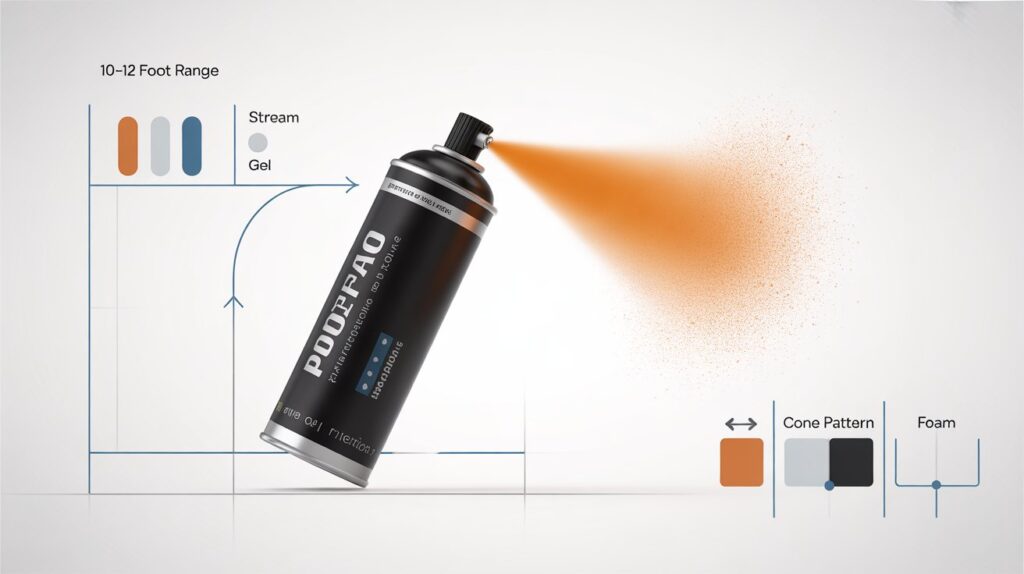
A stream, fog, and gel formulation may behave differently. Understanding these differences is important for responsible ownership.
5. Know What to Do After Accidental Exposure
Accidental exposure can cause burning, watering eyes, coughing, skin irritation, and breathing discomfort. The severity can vary depending on the amount of exposure and a person’s health.
According to Poison Control, getting away from the contaminated area and reaching fresh air are important first steps.
If accidental exposure occurs:
- Move to fresh air: Leave the contaminated area and avoid further exposure.
- Avoid rubbing your eyes or face: This can spread the irritating substance.
- Wash exposed skin: Follow Poison Control guidance for washing the affected area with soap and water.
- Rinse affected eyes: Poison Control recommends flushing the eyes with room-temperature water for 10–15 minutes.
- Remove contaminated clothing: Handle affected clothing carefully to avoid spreading the residue.
- Seek medical advice: Contact Poison Control for exposure guidance.
Remove contact lenses and do not reuse contaminated lenses. Anyone experiencing breathing difficulties, wheezing, chest pain, or persistent eye pain should seek immediate medical attention.
In the United States, Poison Control is available at 1-800-222-1222. Its online resource, webPOISONCONTROL, also provides exposure guidance.
6. Check the Expiration Date and Container Condition
Pepper spray has a limited shelf life. Age, storage conditions, and physical damage can affect the condition of the container and its contents.
Inspect it periodically for:
- An expired or missing expiration date.
- Rust, dents, or corrosion.
- Leaking contents or unusual residue.
- A damaged protective cap.
- A loose or broken safety mechanism.
- Visible damage around the nozzle.
If the product has expired or appears damaged, do not rely on it for personal protection. Follow the manufacturer’s replacement and disposal instructions.
For additional information, read our guide on how long pepper spray lasts and when to replace it.

Legal and Ethical Considerations in the United States
Before purchasing or carrying a personal protection spray, understand the laws that apply in your state and local area. Regulations can differ based on the product’s formulation, container size, minimum purchase age, carrying location, and intended use.
A product available for sale online is not automatically legal to possess or carry everywhere.
1. Check State and Local Pepper Spray Laws
Pepper spray regulations are not identical across the United States. Some states and local jurisdictions impose additional requirements on the sale, possession, or use of personal protection sprays.
Before purchasing a model, check:
- Whether its specific formulation is permitted.
- Whether container-size restrictions apply.
- Whether minimum-age requirements exist.
- Whether certain public locations prohibit carrying it.
- Whether restrictions apply to particular types of containers.
- Whether additional rules apply to purchasing or possessing the product.
Also check whether local restrictions differ from statewide regulations.
For reliable information, consult your state’s official legislature website, state government resources, or local law enforcement agency. Avoid relying only on online product descriptions or general legal summaries.
2. Understand Airline and Travel Restrictions
Travel regulations are different from ordinary possession laws. A product that may be legal to carry in public can still be prohibited on an aircraft.
According to the Federal Aviation Administration’s PackSafe guidance, one self-defense spray container of up to 4 fluid ounces (118 ml) per passenger may be permitted in checked baggage only, subject to specific conditions.
The FAA also requires:
- Protection against accidental discharge through an appropriate safety mechanism.
- Compliance with the applicable tear-gas ingredient restrictions.
- Compliance with the product’s permitted size and transportation requirements.
Important: Pepper spray is not permitted in carry-on baggage under this exception. International aviation regulations also prohibit self-defense sprays in both checked and carry-on baggage.
Always review current FAA guidance, airline policies, and destination-country regulations before traveling.
3. Use Pepper Spray Only for Lawful Self-Defense
Responsible ownership means understanding when using a personal protection spray may be legally justified.
Keep these principles in mind:
- Do not use it to threaten, intimidate, or punish another person.
- Never discharge it as a prank.
- Avoid unnecessary confrontations.
- Understand the applicable rules regarding reasonable self-defense.
- Contact emergency services when an incident requires assistance.
The purpose of a personal safety device is to support lawful protection, not to encourage confrontation or unnecessary harm.
Advantages and Limitations of Compact Self-Defense Sprays
Compact personal protection sprays offer carrying convenience, but their smaller size and alternative appearance can also create limitations. Understanding both sides helps readers make informed decisions.
Advantages
1. Compact Design
Smaller containers can fit into handbags, pockets, and compatible protective holders without taking up much space.
2. Convenient Everyday Carry
Their lightweight construction may make them easier to include in a regular carrying routine.
3. Different Design Options
Lipstick-style, pen-shaped, keychain, and cosmetic-inspired models offer different carrying styles to suit individual preferences.
4. Low-Profile Appearance
Some models resemble ordinary accessories rather than traditional self-defense canisters.
5. Multiple Carrying Options
Depending on the design, users may store them in handbags, dedicated pockets, or compatible holders.
Limitations
1. Smaller Spray Capacity
Compact models may contain less formulation than many full-size canisters. This can limit the amount available for use.
2. Product-Specific Spray Range
A smaller container does not necessarily provide the same spray distance as a larger model. Always check the manufacturer’s specifications.
3. Different Operating Mechanisms
Disguised designs may have unfamiliar buttons, protective caps, or safety switches that require careful familiarization.
4. Potential Accidental Activation
Some compact models are carried alongside keys and other personal belongings. Poor storage may increase the risk of accidental discharge.
5. Limited Product Information
Decorative or novelty-style designs may not clearly display their operating instructions, capacity, or specifications. Always check the product label and manufacturer’s information before purchasing.
Compact models offer portability, but their capacity and performance may differ from standard canisters. Compare important features such as spray range, formula, and safety mechanism. You can also read our guide to gel pepper spray features, range, and limitations to understand how product designs can affect performance.
Tips for Choosing the Right Compact Self-Defense Spray
Choosing a suitable personal safety spray depends on your carrying habits, comfort level, and understanding of the product’s specifications.
A compact design may look convenient, but it should also have clear operating instructions, reliable safety features, and appropriate product information.
Consider these factors before purchasing.
1. Choose a Suitable Design
Start with a container style that fits your everyday routine.
- Lipstick-style: Suitable for people who regularly carry a handbag.
- Pen-style: Offers a slim design for appropriate storage compartments.
- Keychain-style: Designed for attachment to compatible key rings or holders.
- Cosmetic-style: Provides an alternative exterior with compact storage.
Choose a model that you can identify and handle correctly. Do not select a device based on appearance alone.
2. Check Spray Range and Capacity
Spray range and container capacity are two different product specifications.
Before purchasing, review:
- Manufacturer-stated spray distance.
- Total container capacity.
- Number of expected discharges, if specified.
- Spray pattern, such as stream, fog, or gel.
- Product limitations mentioned on the label.
Do not assume that every compact model offers the same performance as a standard pepper spray canister.
3. Understand the OC Formula
Oleoresin capsicum (OC) is the active ingredient used in many personal protection sprays.
When comparing products, look beyond the advertised OC percentage. Check whether the manufacturer provides information about:
- The formulation.
- Major capsaicinoid content, if disclosed.
- Product specifications.
- Labeling and safety instructions.
- Applicable legal restrictions.
A higher advertised concentration alone does not establish that one product will perform better than another. Product specifications and formulation details should be considered together.
4. Look for Reliable Safety Features
Safety mechanisms help reduce the risk of accidental discharge during everyday carrying.
Look for:
- A protective cap or safety lock.
- A clearly identified activation button.
- Secure container construction.
- Clear manufacturer instructions.
- A visible expiration date.
- Proper product labeling.
Avoid products with missing instructions, unclear ingredient information, or damaged safety components.
5. Consider Your Travel Requirements
If you regularly travel, check the rules before packing a personal protection spray.
Some airlines prohibit these products in carry-on baggage, while limited checked-baggage exceptions may have strict size and safety requirements.
Also review the laws of your destination, particularly when traveling between states or countries.
6. Buy From a Reputable Manufacturer
Product quality and clear safety information matter more than exterior appearance.
Before purchasing, check:
- Manufacturer contact information.
- Product specifications and operating instructions.
- Expiration date and warranty information, where applicable.
- Safety certifications or testing claims, if independently verified.
- Customer feedback about the specific model.
- Clear labeling and ingredient information.
Avoid products with unsupported performance claims, missing labels, or unclear manufacturer details.

Safety Tips for Discreet Pepper Spray Owners
Responsible ownership involves more than selecting a compact container. Understanding its limitations, checking its condition, and following safe storage practices are essential parts of everyday personal protection.
Keep these additional precautions in mind:
- Keep the original instructions: Retain the manufacturer’s manual for future reference.
- Avoid unauthorized modifications: Do not alter the nozzle, safety switch, or container.
- Check for recalls: Review manufacturer notices if a safety problem is reported.
- Protect children and pets: Store the device in a secure location they cannot access.
- Avoid unnecessary testing: Never discharge the product simply to check whether it works.
- Replace damaged containers: Do not rely on a leaking, corroded, or expired product.
- Understand emergency procedures: Know how to respond to accidental exposure and when to seek medical assistance.
These precautions help reduce preventable handling mistakes and support responsible personal safety habits.
FAQs
1. What is the safest way to carry discreet pepper spray?
The safest carrying method depends on the product’s design and manufacturer instructions. Use a suitable pocket, dedicated handbag compartment, or compatible protective holder. Keep the safety mechanism protected and avoid storing the device loosely with keys or other objects that could activate it.
2. Does compact pepper spray work like regular pepper spray?
Both compact and conventional products may contain oleoresin capsicum (OC). However, their capacity, spray pattern, operating distance, and activation mechanisms can differ. Always compare the manufacturer’s specifications instead of assuming that smaller models provide identical performance.
3. Can pepper spray accidentally discharge inside a handbag?
Yes. Accidental discharge is possible if an activation button is pressed or the safety mechanism is damaged. A protective cap, secure compartment, and proper storage can help reduce this risk. Inspect the container regularly for damage.
4. Can I take compact pepper spray on an airplane?
The FAA does not permit self-defense spray in carry-on baggage. A limited exception allows one container of up to 4 fluid ounces in checked baggage per passenger, subject to specific safety and ingredient requirements. International aviation rules prohibit these sprays in both checked and carry-on baggage. Always verify current airline and destination rules.
5. How should I store a personal safety spray?
Follow the manufacturer’s storage instructions. Keep the container away from excessive heat, direct sunlight, physical damage, and unauthorized access. Check its expiration date and inspect the safety mechanism periodically.
6. What should I do if pepper spray gets into my eyes?
Move into fresh air, avoid rubbing your eyes, and flush them with room-temperature water for 10–15 minutes. Remove contact lenses and seek medical attention if pain persists or vision problems develop. Contact Poison Control for additional guidance.
Conclusion
Compact personal safety sprays offer convenient carrying options, but each design has its own limitations. Choose one with clear instructions, reliable safety features, and suitable storage requirements. Always check its expiration date and local laws before carrying it. Remember, no device guarantees protection. Situational awareness and a basic emergency plan remain essential for everyday safety.
About the Author
M Bilal is the founder of CrimTechHub and holds a Bachelor’s degree in Criminology. He writes about personal safety, self-defense awareness, and security products, with a focus on separating practical information from marketing claims.
His guides examine product features, safety considerations, and relevant legal requirements using manufacturer information and reliable sources, including state regulations. His goal is to help readers make informed decisions about personal safety and understand the limitations of different security products.


Pingback: Is Pepper Spray Legal in Utah? Laws & Rules
Pingback: Is Pepper Spray Legal in Oregon? Rules and Laws